
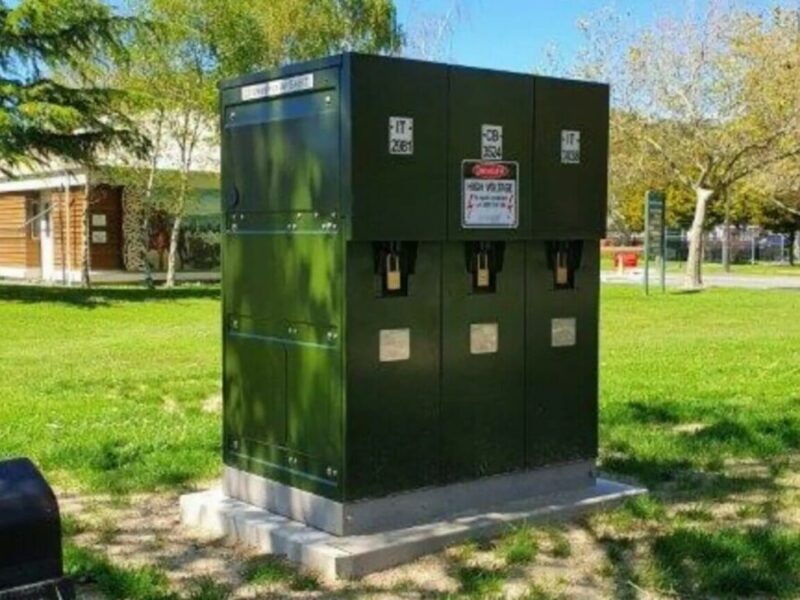
Ring main units (RMUs) are the workhorse of medium voltage distribution. They switch load current, isolate faults and restore supply quickly. But RMU operation must follow strict sequences, because the switching devices have defined breaking duties. This ring main unit operation guide covers safe switching procedures, interlock logic and common operational mistakes. Start with the basics in our RMU installation and commissioning guide.
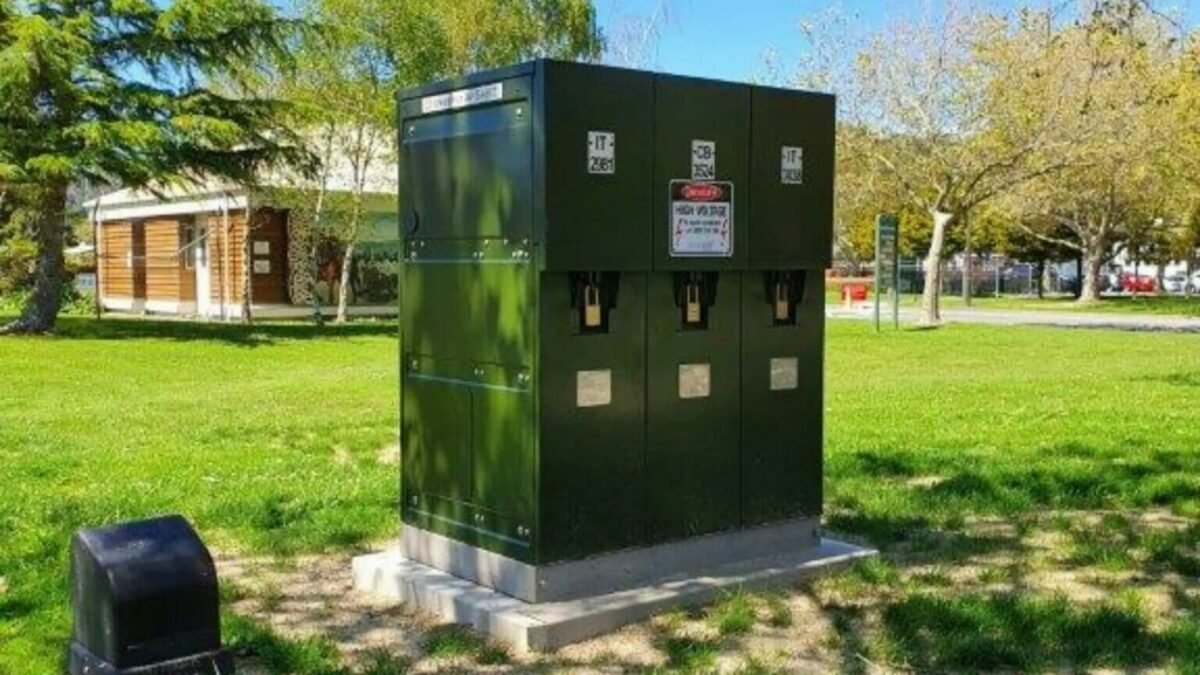
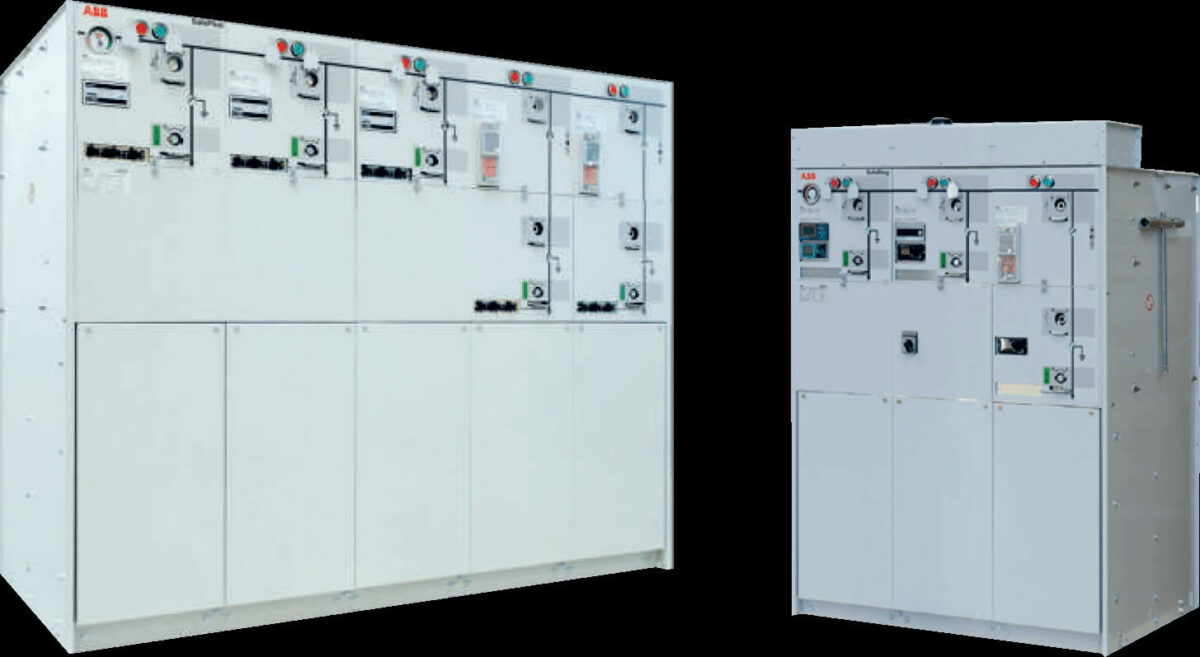
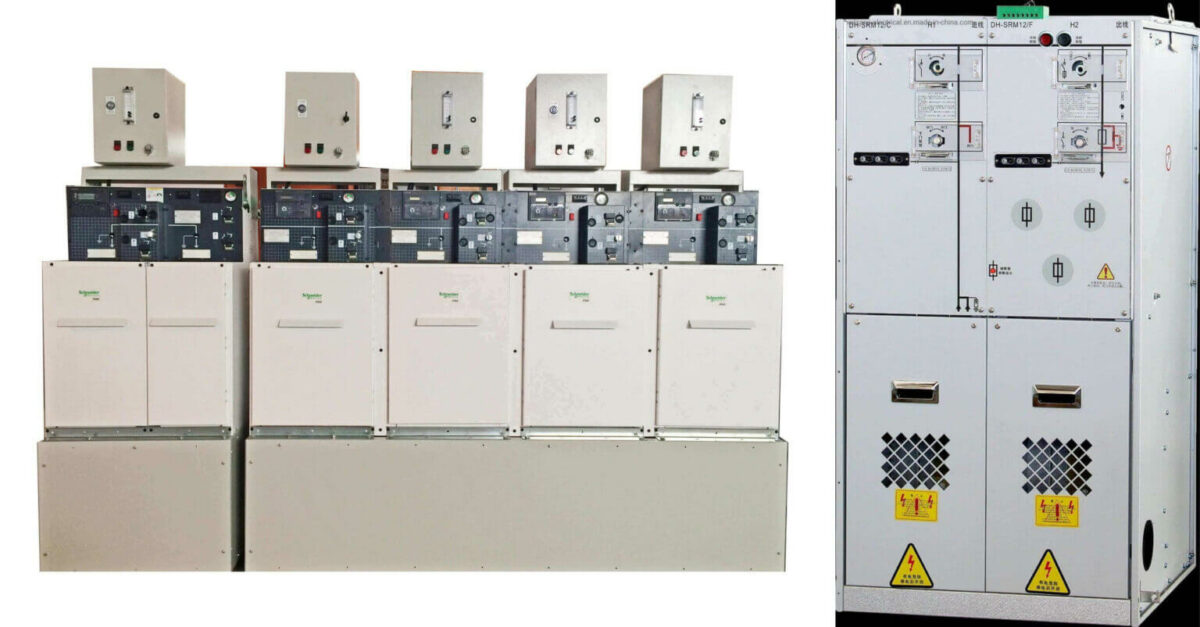
Understanding RMU Switching Devices
Load break switch (LBS)
The ring switches in an RMU are load break switches. They can make and break normal load current but cannot interrupt fault current.
Fuse switch combination
Transformer protection uses an LBS in series with fuses. The fuse clears short circuits; the LBS switches the resulting load current.
Vacuum circuit breaker (VCB) option
Premium RMUs offer a VCB for full fault breaking and protection integration. Compare technologies in our LBS vs VCB comparison.
Basic RMU Operating Positions
- Closed: switch contacts in service, current flows.
- Open: contacts separated, circuit isolated under no-load or load-break duty.
- Earthed: outgoing cable is connected to earth for safe work.
- Test: control circuits energized, main contacts isolated (VCB designs).
Safe Switching Sequence: Routine Operation
Step 1 – Before operation
Check the single line diagram, confirm the switch number and wear the correct PPE including arc flash protection.
Step 2 – Verify operating conditions
Use the voltage indicator to confirm which side is live. Never rely on memory.
Step 3 – Open the load break switch
Operate the switch fully in one motion. Do not stop halfway. Confirm the position indicator shows open.
Step 4 – Close the earthing switch
Only close the earthing switch after verifying the circuit is de-energized. This step provides a visible earth for the work crew.
Step 5 – Record and label
Update the operation log and attach tags. This prevents a second operator from reversing your sequence.
Fault Isolation Procedure
When a feeder faults, the upstream protection operates first. To restore supply to healthy parts of the ring:
- Open the two ring switches around the fault location.
- Earth the faulted cable on both ends.
- Reclose the healthy sections and restore supply from the alternative source.
This is the core advantage of a ring configuration: any section can be isolated without losing the whole network. Read more about network design in our RMU application article.
Interlock Rules You Must Respect
| Operation | Interlock |
|---|---|
| Close earthing switch | Only when load break switch is open |
| Close load break switch | Only when earthing switch is open |
| Open cable compartment door | Only when earthing switch is closed |
| Insert/remove fuses | Only in isolated and earthed position |
Never force an interlocked operation. If a handle does not move, the position condition is not met. Forcing the mechanism damages the interlock and creates a safety hazard.
Common Operational Mistakes
- Using the load break switch to interrupt fault current.
- Closing the earthing switch on a live circuit.
- Operating the switch without checking the position indicator.
- Ignoring SF6 pressure alarms on gas-insulated units.
- Leaving compartment doors open during switching.
SF6 and Solid Insulated RMU Operation Notes
SF6 RMUs have a pressure gauge and a low-pressure alarm. Low pressure reduces dielectric strength; operate only after inspection by qualified staff. Solid insulated RMUs use epoxy insulation and operate at ambient pressure, but the same switching sequences apply. Maintenance requirements differ, as explained in our RMU maintenance checklist.
Pre-Operation Inspection Checklist
A five-minute inspection before switching prevents most operational incidents:
- Check the SF6 pressure gauge (gas-insulated units) or the insulation status indicator.
- Confirm the position indicators match the expected state on the single line diagram.
- Look for heating, discoloration or unusual odour inside the cable compartments through the viewing windows.
- Verify that all doors are closed and secured.
- Check the operating handle is correct for the switch being operated.
- Confirm the work permit and switching order are approved and current.
Emergency Operations and Network Restoration
When a feeder faults, the speed and correctness of RMU operation decide how fast supply is restored. The standard restoration sequence for a ring network is:
1. Identify the faulted section
Use the protection relay indications, fuse operation and the location of the fault current to identify the affected section of the ring.
2. Isolate the section
Open the load break switches on both sides of the fault location. Close the earthing switches on the faulted cable to provide a visible earth.
3. Restore the healthy sections
Close the upstream switches to energize the healthy sections from the preferred source. If the preferred source is unavailable, close the tie switch to restore from the alternative source.
4. Re-energize the faulted feeder
Only after the cable has been tested and the fault cleared may the section be returned to service. Always recheck the interlock sequence before the final close.
This procedure keeps the outage to one section of the ring. Teams that drill this sequence regularly restore supply in minutes. Related switching logic for other MV products appears in our gas vs air insulated RMU comparison.
FAQ
1. Can an RMU load break switch interrupt fault current?
No. Fault current must be cleared by upstream protection or the fuse. The LBS is rated for load current only.
2. Why is the earthing switch closed before work?
It provides a visible and proven earth, protecting the crew from backfeed and induced voltages.
3. How do I know if the RMU is earthed?
Check the mechanical position indicator and the earth indication lamp. Verify with the voltage detector on the cable side.
4. What should I do if the operating handle jams?
Stop. Check the interlock condition and the position indicator. Never force the handle.
5. How often should RMU switching mechanisms be operated?
At least once per year to prevent contact and mechanism seizure, even in healthy networks.
6. Can non-electrical staff operate an RMU?
Only trained and authorized operators with documented authorization may operate MV switchgear.
About Electric-GS
Electric-GS is a professional medium and low voltage switchgear manufacturer based in Yueqing, China. We supply ring main units, GIS, vacuum circuit breakers, LV and MV switchgear, transformers, compact substations and solar distribution products as an OEM/ODM factory. For a quotation or technical support, email info@electric-gs.com or contact us on WhatsApp at +86 135 8897 8050. Visit our partner sites electricgs.com and electric-cn.com for more product information.