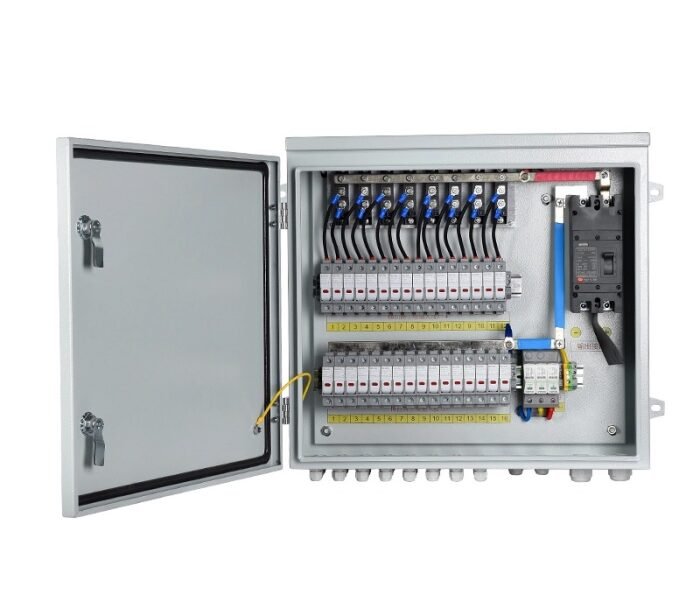
A solar PV grid-connected cabinet is the interface between a photovoltaic plant and the distribution grid. It combines switching, protection, metering, and control functions in one enclosure. Getting the protection scheme and wiring standards right is critical for both equipment safety and grid compliance.
What Is a Solar PV Grid-Connected Cabinet?
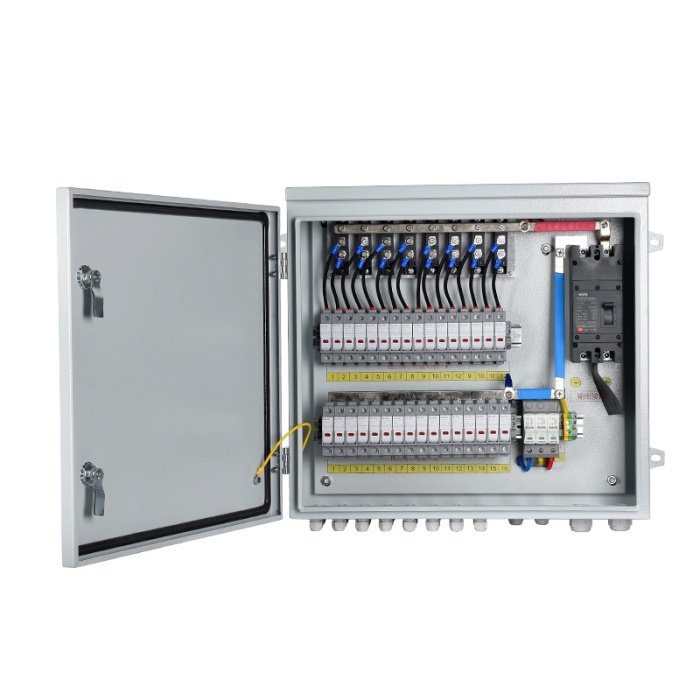
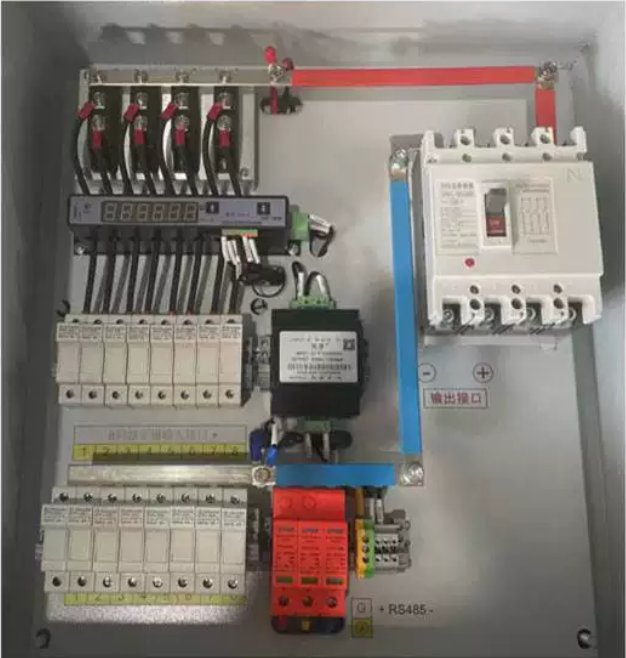
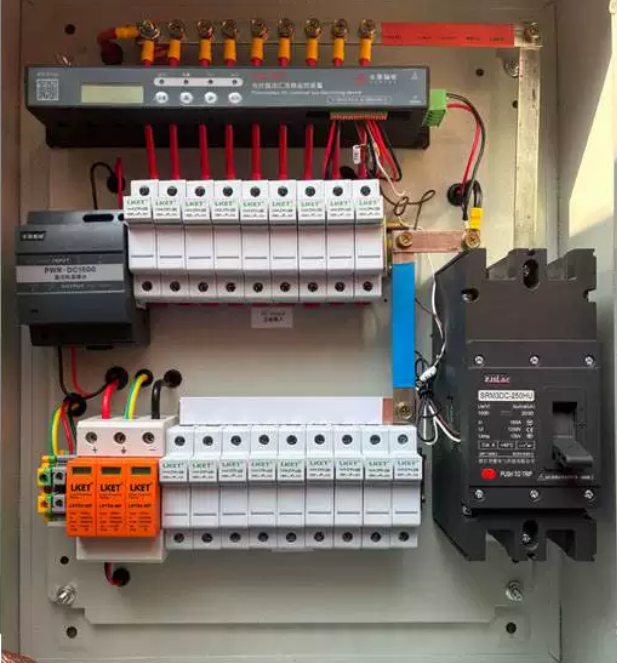
A grid-connected cabinet, sometimes called a PV distribution cabinet or AC combiner cabinet, receives power from the inverters and connects it to the low voltage grid through a main breaker. It houses surge protection devices (SPDs), metering, disconnectors, and monitoring relays. Its job is to protect the inverter output, isolate the plant for maintenance, and provide the utility with a safe point of connection.
Key Protection Components in a Grid-Connected Cabinet
- Main circuit breaker with short-circuit and overload protection.
- Surge protection devices (Type 1 or Type 2 SPDs) on the AC side.
- Residual current devices (RCDs) where required by local standards.
- Fuse switch disconnectors for inverter feeder circuits.
- Anti-islanding protection via the inverter or a dedicated relay.
- Over/under voltage and frequency relays for grid protection.
Wiring Standards for PV Grid-Connected Cabinets
Wiring inside the cabinet must follow the relevant national and international standards. IEC 61439 applies to low voltage switchgear assemblies, while IEC 60364 governs electrical installations. Key wiring rules include the use of the correct cable cross-section, proper colour coding, and a dedicated earth busbar.
Cable Sizing and Termination
Each feeder cable must be sized for the inverter current at the operating temperature. Terminals should be torqued to the manufacturer’s values and checked with a thermal camera during the first load test. Loose terminations are one of the most common causes of cabinet overheating.
Earthing and Bonding
The cabinet earth busbar must be connected to the plant earthing system with a conductor sized to the main protective conductor. All door frames and removable panels must be bonded to the earth busbar. The earthing resistance should be verified with a tester and recorded in the commissioning report.
Protection Coordination for Solar Plants
Protection devices must be coordinated so the device closest to the fault operates first. For example, a fault on one inverter feeder should trip only the feeder fuse, not the main breaker. This selectivity keeps the rest of the plant online. Check the time-current curves of each device during the design stage.
Surge Protection for Grid-Connected Systems
Solar plants are often exposed to lightning surges. Install Type 2 SPDs at the AC side of the cabinet and, where the plant is in a high exposure area, consider Type 1 SPDs at the main distribution point. SPDs must be connected with short, straight conductors to minimise inductive voltage drop.
Testing and Commissioning Checklist
| Test | Purpose | Acceptance Criterion |
|---|---|---|
| Insulation resistance | Check cable and busbar insulation | Above 1 MΩ at 1000 V DC |
| Earth continuity | Verify earthing path | Below 0.1 ohm between panels |
| Polarity and phase check | Confirm correct connection | Phase sequence correct |
| Protection relay test | Verify trip settings | Trips at set values |
| Thermal scan | Find hot joints under load | No hot spot above ambient +10 K |
Common Wiring Mistakes to Avoid
- Using the same terminal for two different phase conductors.
- Running DC and AC cables in the same cable duct without separation.
- Forgetting the anti-islanding test before grid connection.
- Installing SPDs without checking the surge protection coordination.
- Leaving unused cable entries unsealed, allowing dust and moisture ingress.
Metering and Grid Compliance Requirements
Most utilities require revenue-grade metering at the point of connection. The metering section of the grid-connected cabinet usually contains a CT-operated meter, test terminal blocks, and a data communication module. The CT class and ratio must match the inverter capacity and the utility meter specification.
Grid compliance also includes overvoltage protection settings that match the local distribution code. In many countries the inverter must disconnect within a specified time when voltage or frequency moves outside the normal band. The cabinet design should make the protection settings easy to inspect and adjust during commissioning.
Choosing the Right Enclosure and IP Rating
The cabinet enclosure must suit the installation environment. Indoor cabinets typically use IP31 or IP41 ratings, while outdoor installations need IP54 or IP65 with UV-resistant paint. For coastal sites, add corrosion protection on all metal parts and use stainless steel hinges and fasteners.
Thermal management is another key point. Solar cabinets with high inverter currents generate heat, so ventilation or a cooling fan may be required. Always check the maximum ambient temperature rating and the derating curve of the main breaker before finalising the design.
Grid-Connected Cabinet Layout Best Practices
Arrange the cabinet sections in a logical flow: incoming from inverters, protection and metering, then outgoing to the grid. Leave sufficient working space in front of each device for safe operation and maintenance. Label every circuit clearly with the source, destination, and rating, and provide an updated single-line diagram inside the door.
Frequently Asked Questions
1. What is the difference between a grid-connected cabinet and a distribution cabinet?
A grid-connected cabinet is designed for the point of connection with the utility grid and includes metering and anti-islanding provisions. A conventional distribution cabinet only distributes power within the facility. See our comparison of a PV grid-connected cabinet vs traditional distribution cabinet for more detail.
2. Do I need a Type 2 SPD in every grid-connected cabinet?
Yes, in most installations a Type 2 SPD is required at the AC side. The exact class depends on the lightning exposure and the local grid code.
3. How do I size the main breaker in a grid-connected cabinet?
The main breaker is sized for the sum of the inverter output currents with a 1.25 derating factor, rounded up to the next standard rating.
4. What is anti-islanding protection?
Anti-islanding protection detects when the grid is disconnected and stops the inverters from feeding power into a dead network. It prevents dangerous energisation of lines during maintenance.
5. How often should the cabinet be inspected?
Inspect the cabinet at least once a year. Check torque on all terminations, test the SPDs, and perform a thermal scan under load.
6. Can Electric-GS supply custom grid-connected cabinets?
Yes. Electric-GS is an OEM/ODM factory and can build grid-connected cabinets to your specification, including custom protection schemes, metering panels, and busbar arrangements.
About Electric-GS
Electric-GS is a professional low and medium voltage switchgear manufacturer in Yueqing, China, supplying solar PV grid-connected cabinets, RMUs, switchgear, transformers, and PV combiner boxes worldwide. For a quote or technical support, email info@electric-gs.com or WhatsApp +86 135 8897 8050. Visit electricgs.com and electric-cn.com for more products.
Related Reading
- PV Grid-Connected Cabinet Sizing Guide
- PV Grid-Connected Cabinet Installation Best Practices
- Solar Grid-Connected Cabinet Integration Overview
- PV Combiner Box Sizing and Wiring Best Practices
4 thoughts