Proper installation of a PV grid-connected cabinet is critical for the long-term reliability and safety of your solar power system. Even a high-quality cabinet will underperform if installed incorrectly. This guide covers every step of professional installation.
Pre-Installation Preparation
Site Selection
Choose a location that is:
- Well-ventilated and away from direct sunlight and rain
- Easily accessible for maintenance and inspection
- Close to the grid connection point to minimize cable loss
- Not subject to flooding, extreme dust or corrosive gases
- On a solid foundation (concrete plinth ≥ 100mm high for outdoor units)
Tools and Materials Checklist
| Category | Items |
|---|---|
| Tools | Crimping tool, torque wrench, multimeter, insulation tester, earth resistance tester |
| Cables | AC output cable, grounding cable, control wiring, ferrules |
| Mounting | Anchor bolts, vibration isolators, cable glands, sealing tape |
| Safety | Insulated gloves, safety glasses, arc-flash suit |
Step-by-Step Installation Process
Step 1: Unboxing and Inspection
When the cabinet arrives, inspect it carefully for:
- Shipping damage or dents on the enclosure
- Loose components inside (vibration during transit can loosen screws)
- Complete documentation: wiring diagram, test report, certificate of conformity
Step 2: Mounting the Cabinet
Level the cabinet on its foundation and anchor it securely. The tilt should not exceed 1 degree. For wall-mounted units, use wall plugs rated for the cabinet weight (typically 200-500 kg).
Step 3: Grounding and Earthing
Proper grounding is non-negotiable:
- Connect the cabinet earth bar to the plant main earthing system with ≥ 25mm² copper conductor
- Earth resistance should be ≤ 4Ω (≤ 1Ω for sensitive electronic equipment)
- Use separate earth electrodes for AC safety ground and signal ground where required
Step 4: Power and Control Wiring
Follow the wiring diagram strictly:
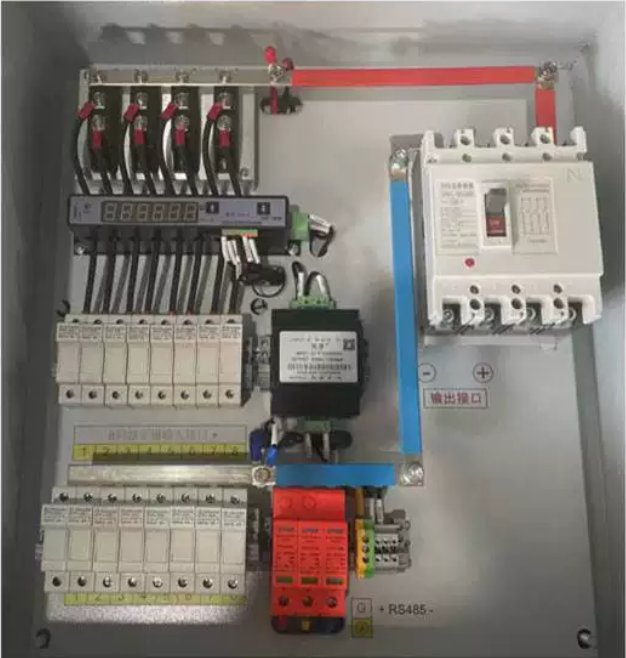
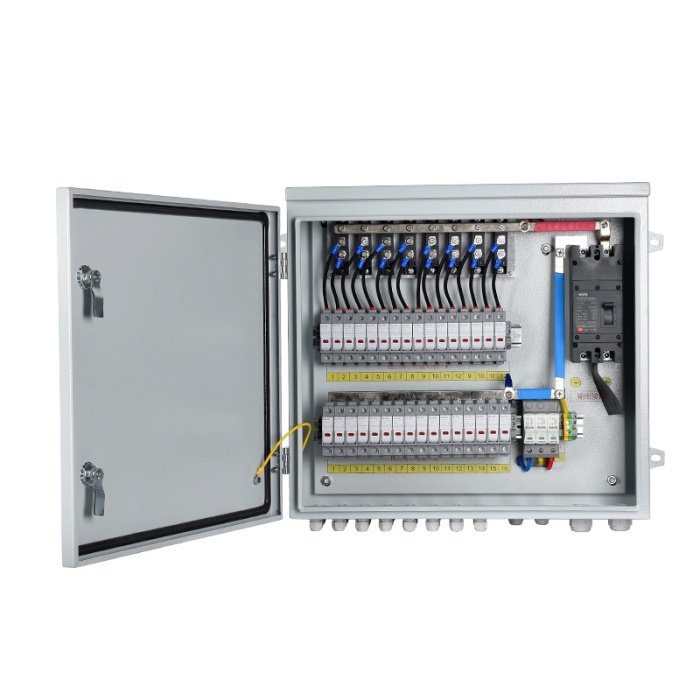
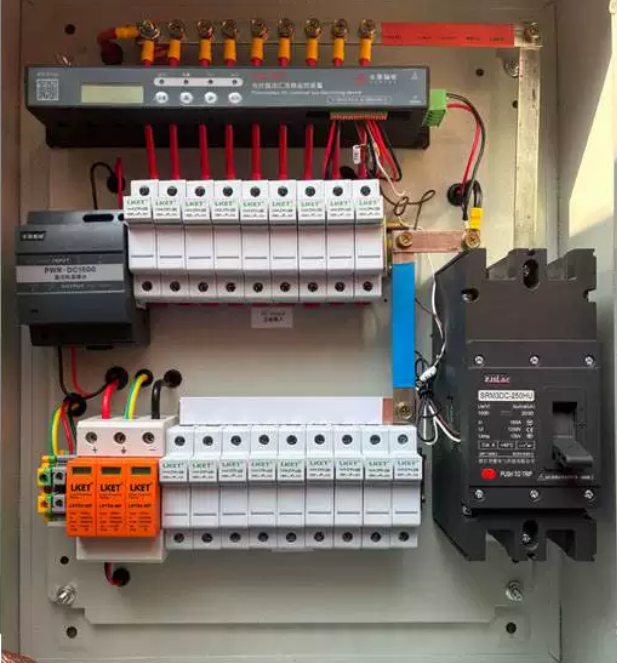
- Connect AC output cables to the main breaker terminals
- Torque all electrical connections to the manufacturer’s specification
- Route control cables separately from power cables to avoid interference
- Label every cable end for future maintenance
Step 5: Commissioning and Testing
Before energizing:
- Perform insulation resistance test (≥ 1MΩ between phases and earth)
- Verify all breaker settings match the design
- Test the grid-protection relay settings (over/under voltage, frequency, anti-islanding)
- Check communication link to the monitoring system
Common Installation Mistakes
- Undersized grounding cable: Creates a shock hazard and impairs SPD performance
- Missing torque checks: Loose connections overheat and cause fires
- Reversed CT polarity: Energy meter reads negative or zero
- Wrong cable gland size: Compromises IP rating and allows water ingress
Safety Precautions
Always work on de-energized equipment. Lockout/tagout (LOTO) procedures must be followed. Wear appropriate PPE. Never work alone on high-voltage installations.
Frequently Asked Questions
How long does it take to install a PV grid-connected cabinet?
A single cabinet installation typically takes 1-2 days for a two-person team, including wiring, testing and commissioning. Multi-cabinet projects may take 3-5 days.
What cable size do I need for a 100 kW PV cabinet?
For a 100 kW three-phase system at 400V, the AC current is about 180A. Use 70mm² copper cables (or 95mm² for runs over 50m).
Can I install the cabinet myself?
Installation should be performed by a licensed electrician familiar with PV grid codes. Improper installation can void the warranty and create safety hazards.
How do I maintain the cabinet after installation?
Inspect every 6 months: check tightness of connections, clean the enclosure, test the SPD status indicator and verify earth resistance.
What if my grid-protection relay trips frequently?
Check the grid voltage and frequency stability first. The relay settings may need adjustment to match local utility requirements. Contact your utility provider for the correct settings.
About Electric-GS
Electric-GS manufactures custom electrical switchgear for solar and industrial applications from Yueqing, China. Every PV grid-connected cabinet undergoes factory testing before shipment. We provide installation guidance, wiring diagrams and commissioning support worldwide. Contact info@electric-gs.com or WhatsApp +86 135 8897 8050 for engineering support.
For more electrical equipment options, visit our sister site electric-cn.com.
One thought