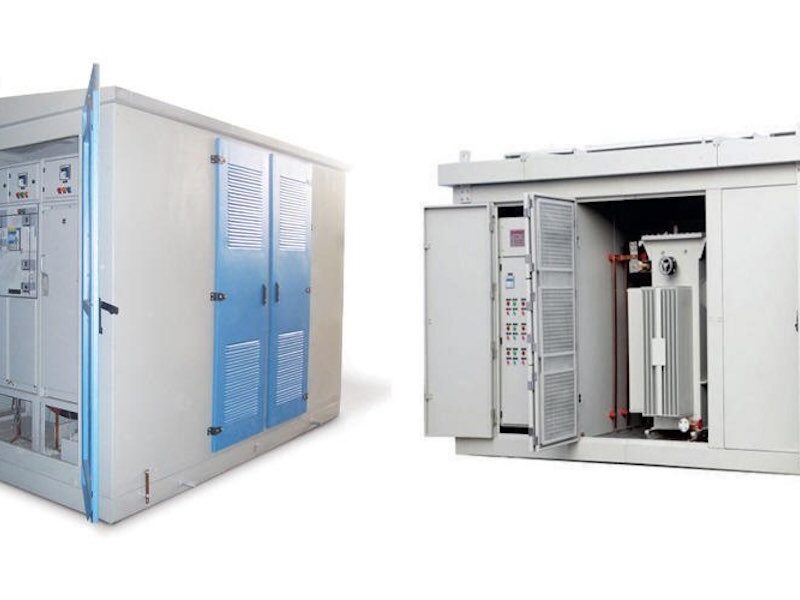
Choosing the right compact substation is one of the most important decisions in a medium voltage distribution project. A compact substation combines a transformer, switchgear, and LV distribution panel in one prefabricated enclosure, which saves space, shortens installation time, and cuts civil works costs. This guide walks through compact substation selection criteria, installation steps, and commissioning checks so you can specify the right unit for your network.
What Is a Compact Substation and Why Choose It
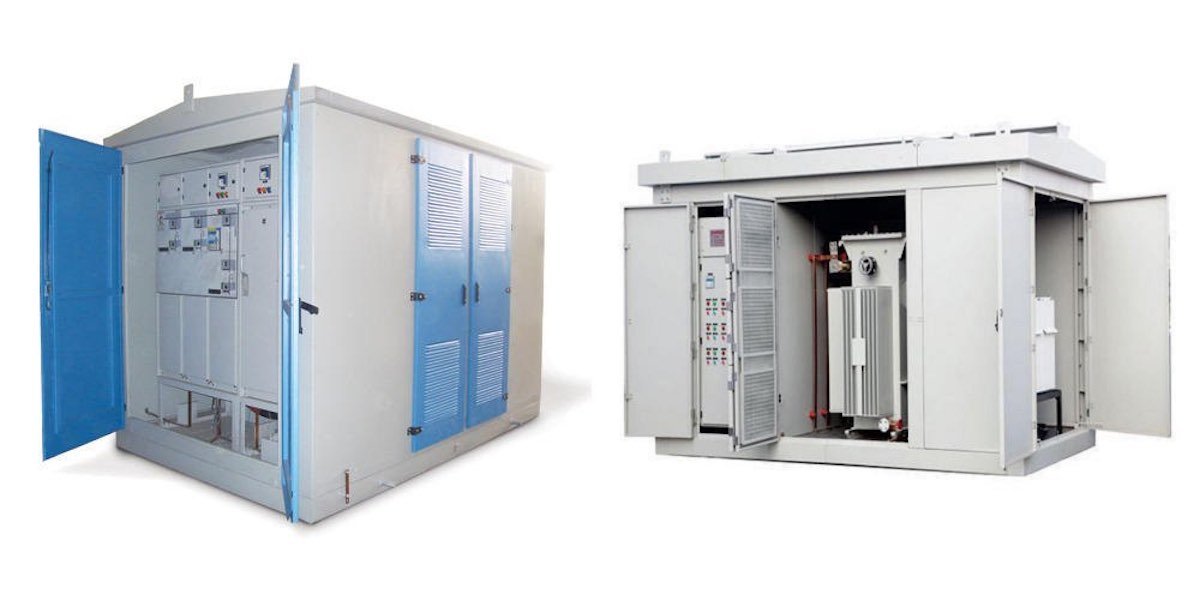
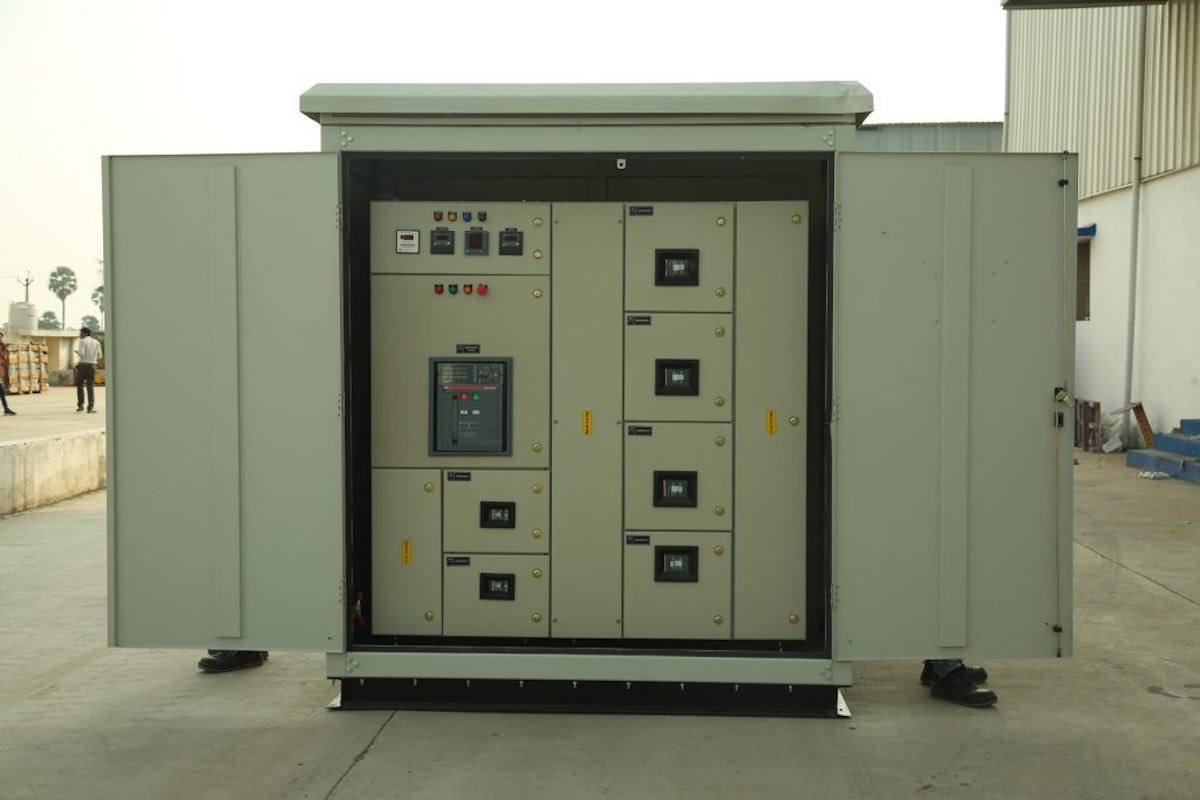
A compact substation, also called a prefabricated or box type substation, integrates the HV switchgear, distribution transformer, and LV switchboard inside a weatherproof steel or GRP housing. It arrives on site factory-tested, so the installation work is reduced to foundation preparation, cable connection, and final tests. For project owners, the main benefits are a smaller footprint, faster energisation, and lower total installed cost compared with a conventional brick-built substation.
Compact Substation Selection Criteria
The right compact substation selection depends on the network voltage, transformer rating, load profile, and site environment. Below are the key factors you should evaluate before ordering.
1. Rated Voltage and Insulation Level
Confirm the primary voltage (for example 11 kV, 12 kV, 24 kV, or 33 kV) and the basic insulation level (BIL) of the switchgear. The secondary side is usually 400 V or 690 V for LV distribution. A mismatch between the network voltage and the substation rating is the most common specification error.
2. Transformer Capacity and Impedance
Select the transformer kVA based on the connected load and future expansion. Standard ratings range from 50 kVA to 2500 kVA. Consider the impedance voltage, vector group (typically Dyn11), and no-load losses, because these values directly affect voltage regulation and operating cost.
3. Enclosure Type and IP Rating
Compact substations are available in American style, European style, and underground versions. Choose the enclosure material (steel, stainless steel, or GRP) and the IP rating (IP23 to IP54) according to the site environment. Coastal sites need enhanced corrosion protection and ventilation with insect and vermin screens.
4. Switchgear Configuration
The HV side can use a ring main unit (RMU), a load break switch, or a circuit breaker, depending on the protection requirements. For loop networks, an RMU with two cable feeders and one transformer feeder is the standard arrangement. For a detailed comparison of protection options, see our RMU vs traditional switchgear comparison.
5. Site Environment and Transport
Measure the access road, gate width, and lifting equipment before delivery. Compact substations are heavy units, and crane access on site is a frequent bottleneck. Also check the ambient temperature range, altitude, and pollution level, because these affect derating and creepage distances.
Compact Substation vs Conventional Substation
| Parameter | Compact Substation | Conventional Substation |
|---|---|---|
| Footprint | Small, factory-built | Large, on-site construction |
| Installation time | Days | Weeks to months |
| Civil works | Minimal foundation only | Building, walls, roof |
| Factory testing | Full routine tests included | Partial, on-site assembly |
| Relocation | Possible | Not practical |
| Typical use | Urban, industrial, solar, wind | Utility, large substations |
Compact Substation Installation Guide
A factory-built compact substation simplifies installation, but the following steps must still be performed carefully to guarantee safe operation.
Step 1: Prepare the Foundation
Cast a level concrete foundation with a load capacity that matches the substation weight. Provide cable ducts and earthing points before the unit arrives. The foundation surface must be flat to avoid twisting the enclosure.
Step 2: Transport and Positioning
Use a crane with the correct lifting capacity and lift the unit from the marked lifting points. Lower it slowly onto the foundation and verify alignment with a spirit level. Secure the substation to the foundation bolts as shown in the installation drawing.
Step 3: Connect Cables and Earthing
Terminate the HV and LV cables according to the cable gland schedule. Connect the earth busbar to the station earth grid and measure the earth resistance. This step must be done by qualified cable jointers with the correct torque tools.
Step 4: Internal Inspection and Pre-energisation Checks
Check all busbar connections, switch positions, and interlocking before closing the doors. Verify the transformer oil level or dry type winding condition, and confirm all cable compartments are clean and dry.
Step 5: Commissioning Tests
Run insulation resistance tests, transformer ratio and polarity checks, protection relay tests, and a full functional operation sequence. Record all values in the commissioning report. For a wider view of the testing process, read our medium voltage switchgear testing and commissioning guide.
Frequently Asked Questions
1. What is the difference between American and European compact substations?
American style units use a simpler radial arrangement with pad-mounted construction, while European style units typically use a compact MV switchgear compartment with RMU protection. The choice depends on local utility practice and standards.
2. How long does it take to install a compact substation?
With the foundation ready, installation usually takes 2 to 4 days, including cable termination and commissioning tests. Most of the work is civil preparation before delivery.
3. Can a compact substation be installed indoors?
Yes, indoor versions are available with a lower IP rating. They are common in industrial plants where space inside the building is limited.
4. What transformer sizes are available in compact substations?
Standard ratings range from 50 kVA to 2500 kVA, with oil-immersed or dry type transformers. Higher ratings can be built for special projects.
5. Does a compact substation need routine maintenance?
Yes. Annual checks should cover switchgear operation, transformer oil condition, earthing resistance, and enclosure ventilation. A maintenance schedule extends the service life to 20 years or more.
6. Where can I get a compact substation quotation?
Contact Electric-GS with your voltage, capacity, and site details. We provide OEM/ODM manufacturing with factory routine test reports for every unit.
About Electric-GS
Electric-GS is a professional switchgear and substation manufacturer based in Yueqing, China. We supply compact substations, ring main units, vacuum circuit breakers, GIS, LV and MV switchgear, transformers, and solar distribution products as an OEM/ODM factory. For a quotation or technical support, email info@electric-gs.com or contact us on WhatsApp at +86 135 8897 8050. Visit our partner sites electricgs.com and electric-cn.com for more product information.
Related Reading
- Top 10 Compact Substation Selection Guide
- ZGS-11kV American Pre-installed Box Substation
- Outdoor 11kV Compact Transformer Substation
- Distribution Transformer Sizing Mistakes to Avoid

One thought