
RMU and Traditional Switchgear at a Glance
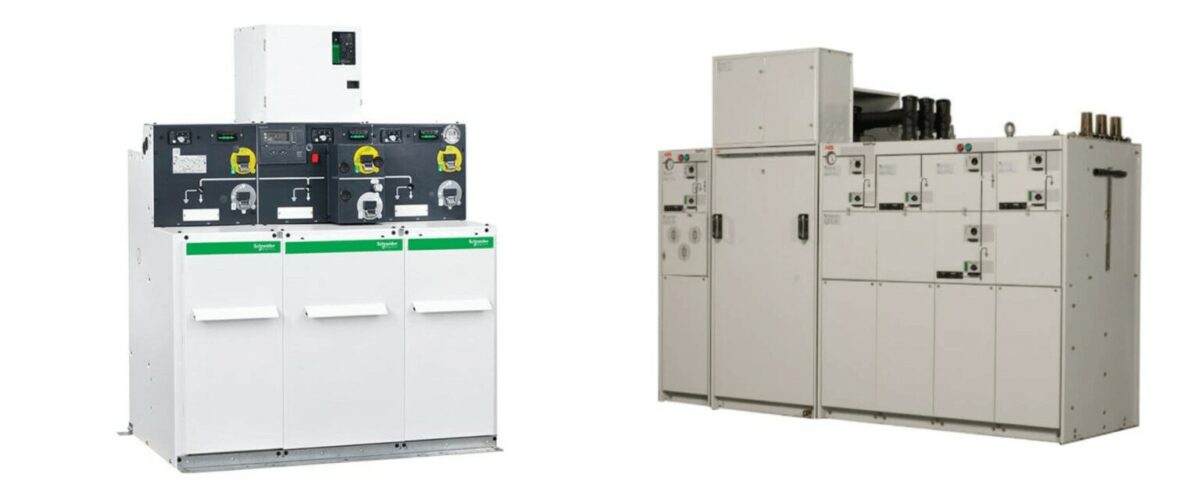
Ring main units (RMUs) and traditional switchgear panels both serve medium voltage distribution, but they address different network positions and requirements. An RMU is a compact, standardized switching unit used primarily in ring distribution networks to switch and protect transformer feeders. Traditional switchgear, such as withdrawable metal clad panels, is a more complete and flexible solution with circuit breakers, protection relays, and metering, typically used at primary substations and critical loads. Understanding their differences is essential for correct network design and cost optimization.
For complete product ranges, visit electricgs.com or our factory site at electric-cn.com.
Design Philosophy Differences
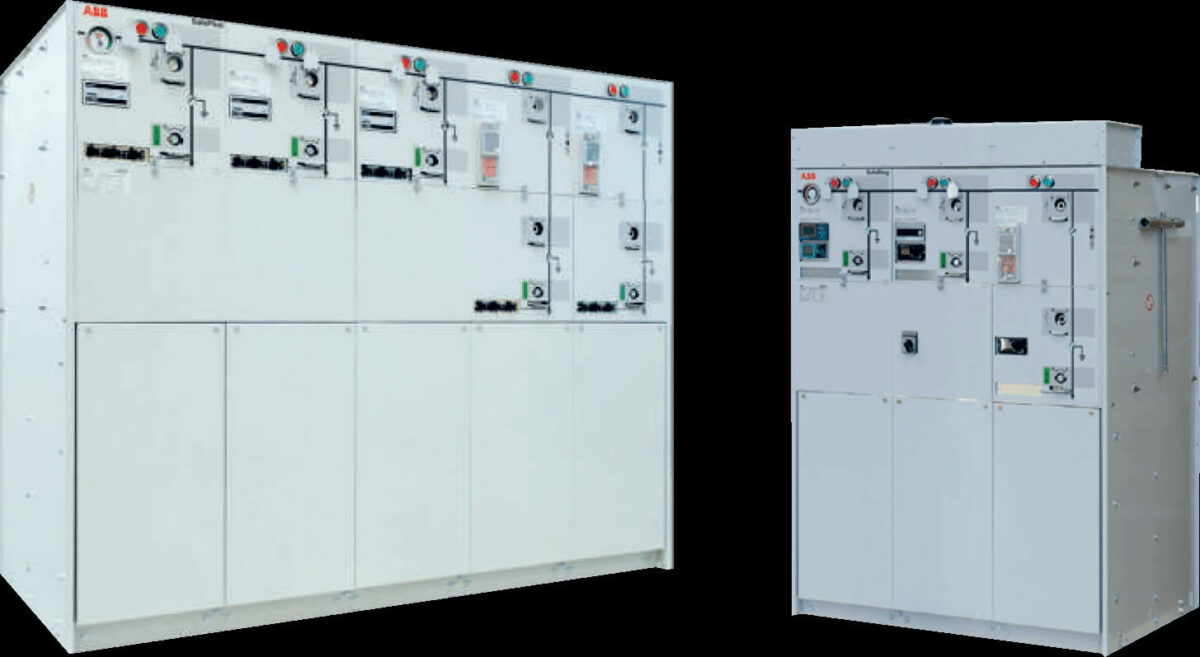
RMUs are designed around the principle of compactness and simplicity. They integrate load break switches, earthing switches, and optional fuse protection into a sealed, small-footprint enclosure that can be installed in a kiosk, pad-mount, or small indoor room. Traditional switchgear panels are designed for flexibility and comprehensive functionality, with busbar systems, withdrawable breaker modules, protection relays, CT/VT, and metering that support complex network configurations and high fault levels.
Comparison Table: RMU vs Traditional Switchgear
| Feature | RMU | Traditional Switchgear |
|---|---|---|
| Footprint | Very compact | Larger, modular panels |
| Switching device | Load break switch (LBS) | Circuit breaker (VCB/ACB) |
| Fault interruption | Fuse or upstream breaker | Integrated breaker |
| Protection relays | Limited or optional | Comprehensive |
| Metering | Minimal | Full CT/VT metering |
| Rated current | Up to 630A typical | Up to 4000A+ |
| Fault level | Up to 20-25kA | Up to 40-50kA |
| Cost per bay | Lower | Higher |
| Typical location | Secondary distribution, urban | Primary substations, industry |
Cost and Lifecycle Considerations
On a per-bay basis, RMUs typically cost 30-50% less than equivalent traditional switchgear panels, and their compact footprint reduces civil works and building costs. However, RMUs with fuse protection require fuse replacement after a fault, and their switching capabilities are limited to load current. Traditional switchgear has higher upfront cost but provides reusable fault interruption, lower per-event operating cost, and longer overall service life in demanding applications. The correct choice depends on the network role, fault level, and availability requirements.
Hybrid Solutions
Many modern distribution networks use a combination of both technologies: traditional switchgear at the substation incomer and feeder positions, with RMUs distributed through the network at transformer points. This approach balances cost, functionality, and reliability, and is the standard architecture in most utility distribution networks.
Frequently Asked Questions
Q1: Can an RMU replace traditional switchgear entirely?
No. RMUs cannot interrupt fault current and lack comprehensive protection and metering, so they cannot replace switchgear at primary substations or high fault level locations.
Q2: Is RMU cheaper than switchgear?
Yes, RMUs are significantly cheaper per bay and require less installation space, but they offer fewer functions and lower fault handling capability.
Q3: Can traditional switchgear be used in ring networks?
Yes, switchgear with appropriate protection can operate in ring networks, but it is typically oversized and more expensive than RMUs for this duty.
Q4: What is the typical fault level limit for RMU?
Standard RMUs are rated for 20-25kA short-time withstand current for 3-4 seconds, which covers most secondary distribution networks.
Q5: Do you supply both RMU and traditional switchgear?
Yes, we manufacture both complete RMU ranges and traditional MV switchgear panels, and can recommend the optimal mix for your network.
About Electric-GS Manufacturer
Electric-GS is a professional electrical power equipment manufacturer based in Liushi, Yueqing, Zhejiang, China, with over 15 years of OEM/ODM experience serving global power equipment distributors and EPC contractors. We supply medium and low voltage switchgear, RMUs, circuit breakers, transformers, and solar balance of system products with full type test reports.
Contact us for quotations and custom design support: Email info@electric-gs.com, WhatsApp: +86 135 8897 8050.
7 thoughts