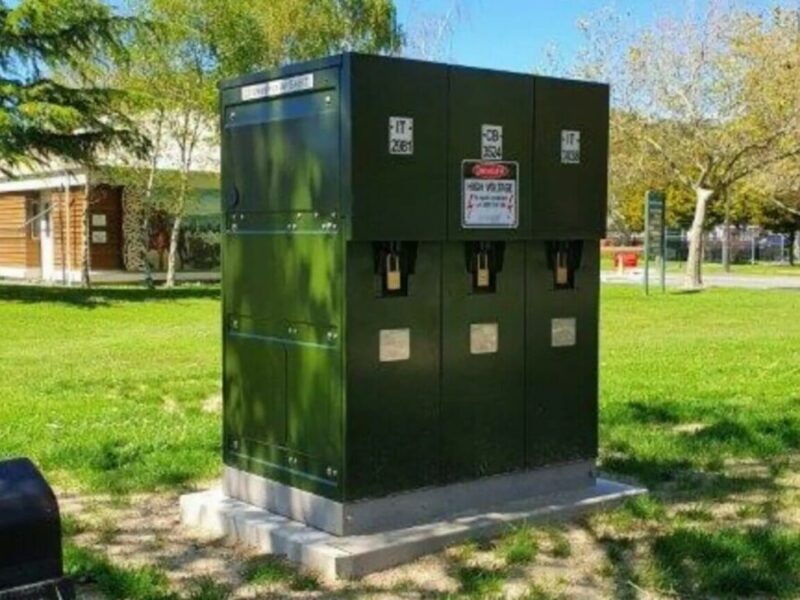
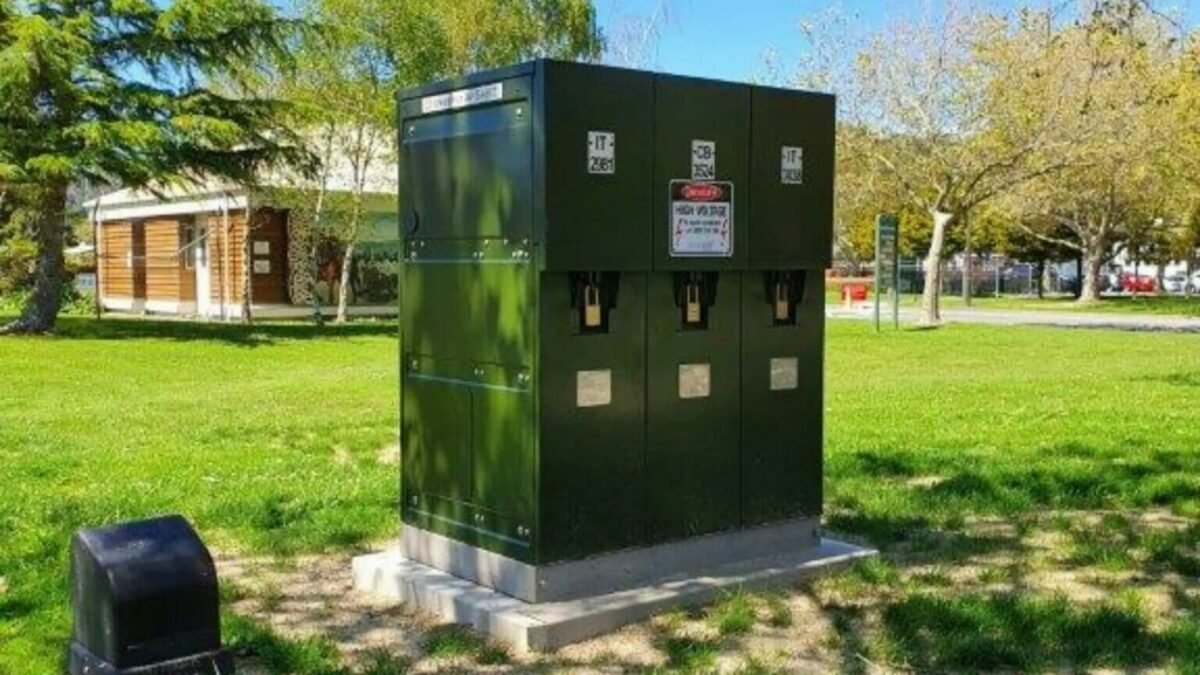
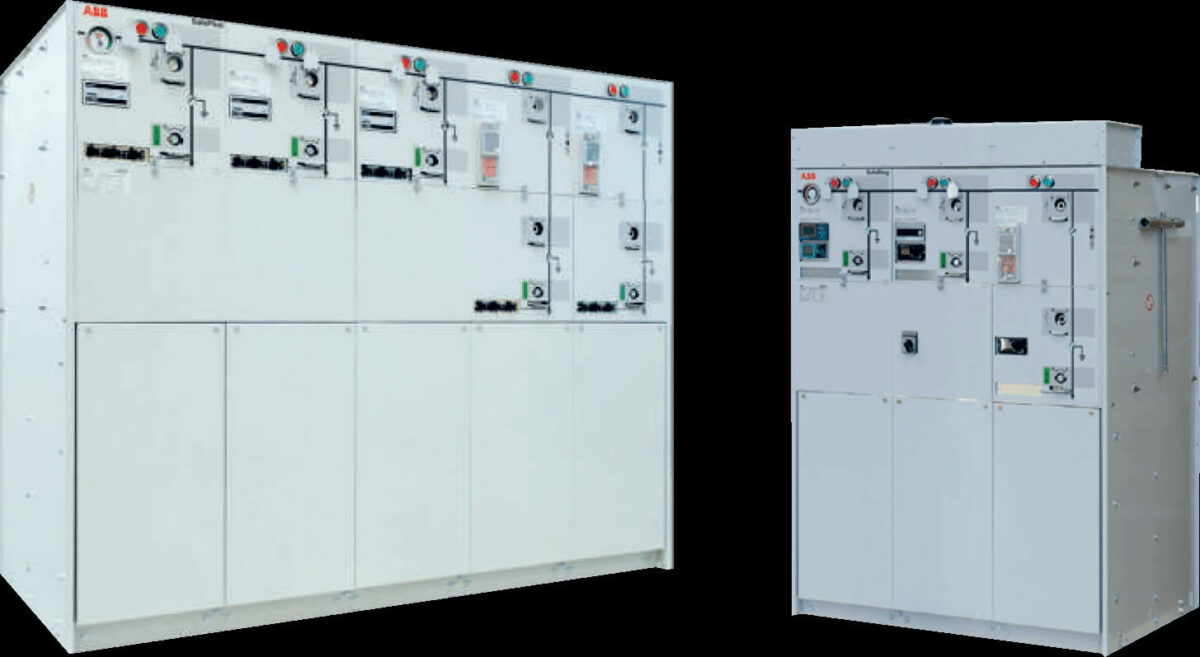
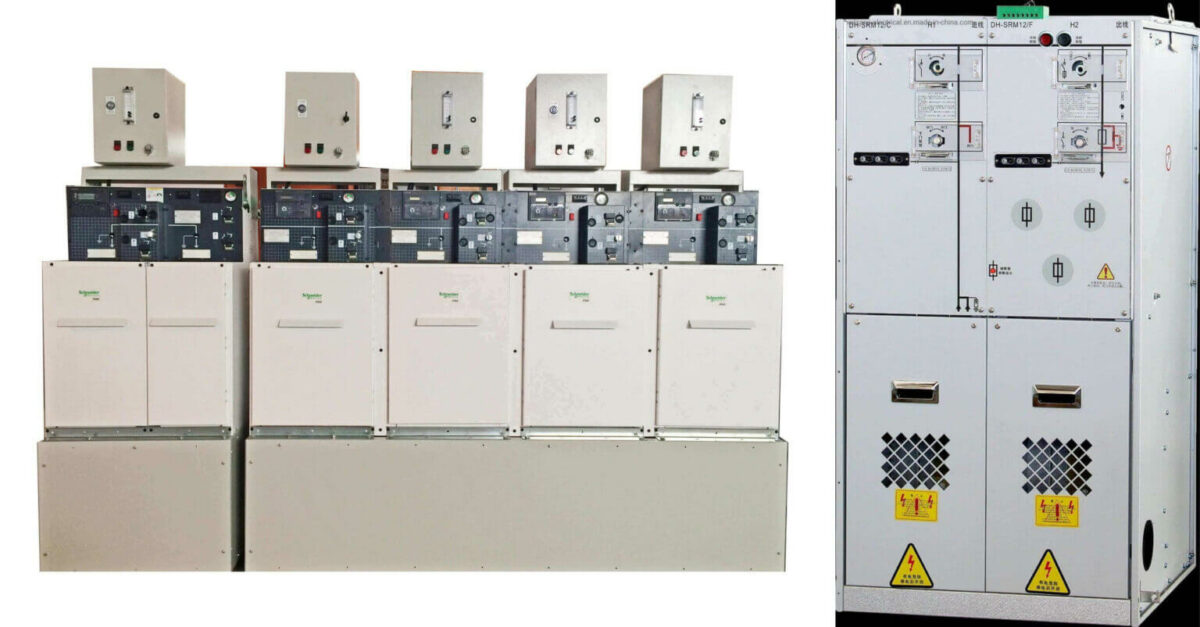
Ring main units (RMUs) protect medium voltage distribution networks across factories, substations, and utility grids. A poorly installed RMU can cause partial discharges, cable faults, or even network outages. This guide covers the 10 most common ring main unit installation mistakes and shows you how to avoid each one.
Why Ring Main Unit Installation Quality Matters
An RMU is often the last line of defence between the grid and your equipment. Even a small installation error can reduce the insulation margin, overheat cable terminations, or leave operators exposed to arc flash. Following a strict installation and commissioning procedure is not optional. It is the difference between a 30-year service life and a costly mid-life failure.
Mistake #1: Skipping the Site Survey
Many failures start before the RMU arrives on site. Installers who skip the site survey install the unit without checking cable routes, ceiling height, floor load, or ambient temperature. The result is an RMU that is hard to access for maintenance or exposed to condensation.
- Check the room dimensions against the RMU outline drawing.
- Verify floor loading capacity before lifting equipment arrives.
- Measure cable entry points and termination space.
- Confirm ventilation and humidity control are in place.
Mistake #2: Incorrect Foundation and Alignment
An RMU must sit on a level, vibration-free foundation. Installers often place the unit on an uneven base, which twists the enclosure and stresses the busbar connections. Always use the manufacturer’s installation drawing and a spirit level.
Mistake #3: Poor Cable Termination
Cable termination is the most common source of RMU faults. Improper stripping length, wrong lug size, or overtightened bolts can create hot spots. Use the torque values from the termination instruction sheet and apply dielectric grease to the cable lug interface.
Mistake #4: Mishandling SF6 Gas
SF6-insulated RMUs need correct gas pressure and leak-free seals. Common errors include opening the gas compartment without a pressure check, overfilling gas, or failing to record the pressure reading on the nameplate. Record the gas pressure before and after installation, and check for leaks with a detector.
Mistake #5: Weak Earthing and Bonding
A ring main unit without proper earthing is a safety hazard. The earth busbar must connect to the station earth grid with the correct cross-section, and all door frames must be bonded. Test the earthing resistance with an earth tester and record the value.
Mistake #6: Ignoring Factory Test Reports
Every RMU ships with routine test reports. Installers who ignore these documents cannot verify that the unit arrived in the same condition it left the factory. Compare the serial numbers, check the inspection date, and keep the reports in the commissioning file.
Mistake #7: Rushing the Commissioning Tests
Commissioning is not a formality. The sequence should include insulation resistance tests, contact resistance checks, functional operation tests, and cable phase checks. Skipping these steps can leave a latent fault that appears months later. A full medium voltage switchgear testing and commissioning guide explains each test in detail.
Mistake #8: Overlooking Environmental Protection
Outdoor RMUs need the right ingress protection (IP) rating for the site. Dust, rain, and salt spray can enter through unsealed cable glands. Seal all unused cable entries and check the gasket condition after installation.
Mistake #9: Insufficient Operator Training
A correctly installed RMU still fails if operators do not know how to operate it safely. Train staff on switching sequences, interlock operation, and emergency procedures before the unit goes live. For a broader overview of technology choices, compare RMU vs traditional switchgear to understand the operating differences.
Mistake #10: Poor Documentation and Handover
Without as-built drawings, test certificates, and maintenance schedules, the next engineer starts from zero. Hand over a complete documentation package, including the ring main unit installation record, torque values, and contact details of the supplier.
Ring Main Unit Installation Checklist
| Stage | Key Check | Acceptance Criterion |
|---|---|---|
| Site survey | Room size and cable route | Clearance per drawing |
| Foundation | Level and vibration-free base | Within 1 mm per meter |
| Cable termination | Lug size and torque | Torque per instruction sheet |
| SF6 gas | Pressure and leak test | Pressure on nameplate, no leak |
| Earthing | Earth resistance | Below 1 ohm |
| Commissioning | IR and functional tests | All tests passed |
How to Plan a Ring Main Unit Installation Project
A successful ring main unit installation starts with a clear project plan. Define the scope, allocate responsibilities, and set milestones before the equipment arrives. The plan should cover delivery inspection, site preparation, lifting, installation, cabling, and commissioning. Each phase needs its own checklist and a named person in charge.
Delivery inspection is often rushed, but it is your only chance to claim transit damage. Check the packing list against the delivery note, inspect the enclosure for dents or scratches, and record any discrepancy with photos. Store the RMU in a dry, clean room if it will not be installed immediately.
During installation, keep the working area clean and dry. Dust and moisture are the two biggest enemies of medium voltage insulation. Cover the cable compartment when not in use and use the supplied desiccant bags if the unit will wait before energising.
Common RMU Installation Tools and Equipment
Make sure the installation crew has the right tools before starting. A typical RMU installation needs torque wrenches, a cable stripping kit, an earth resistance tester, an insulation resistance tester (megger), a phase sequence indicator, and a vacuum cleaner for the enclosure. Using the wrong tools, such as an impact driver for termination bolts, is a frequent cause of overtightening and contact damage.
For gas-insulated units, the crew also needs an SF6 pressure gauge, a leak detector, and, if topping up is required, the correct gas grade and a filling kit. Never mix gas types or fill without checking the pressure-temperature chart.
Frequently Asked Questions
1. How long does RMU installation take?
A typical indoor ring main unit installation takes 1 to 2 days, including cable termination and basic tests. Complex outdoor installations with earthing systems may take longer.
2. Can an RMU be installed outdoors?
Yes, but you need an outdoor-rated enclosure with the correct IP rating and UV protection. Confirm the IP class matches the site environment before ordering.
3. What tests are required before energising an RMU?
Insulation resistance, contact resistance, earth continuity, phase sequence, and functional operation tests are the minimum set. Refer to your project specification for additional tests.
4. How often should SF6 pressure be checked?
Check the pressure gauge at least once a year. For critical sites, use a density monitor to detect slow leaks automatically.
5. What is the service life of a ring main unit?
With correct installation and regular maintenance, an RMU typically lasts 25 to 30 years. Proper installation is the biggest factor in achieving this life.
6. Do I need a specialist team for commissioning?
Yes. Commissioning should be done by a team trained on the specific RMU model, with the correct test equipment and the manufacturer’s checklist.
About Electric-GS
Electric-GS is a professional medium and low voltage switchgear manufacturer based in Yueqing, China. We supply ring main units, vacuum circuit breakers, GIS, switchgear, transformers, and PV combiner boxes as an OEM/ODM factory. For a quotation or technical support, email info@electric-gs.com or contact us on WhatsApp at +86 135 8897 8050. Visit our partner sites electricgs.com and electric-cn.com for more product information.
Related Reading
- 12kV RMU Selection Guide for Medium Voltage Distribution Networks
- Gas Insulated Switchgear Installation and Commissioning Guide
- Medium Voltage Switchgear Testing and Commissioning Guide
4 thoughts