Why Regular MV Switchgear Maintenance Matters
Medium voltage switchgear protects transformers, motors, cables and entire distribution networks. A single failed breaker can black out a plant or a building for hours. Regular MV switchgear maintenance finds small faults before they grow into expensive failures and keeps every protective device ready to act the moment a fault appears.
Insulation, contacts, mechanisms and control circuits all wear with time. Dust, moisture and temperature changes accelerate the wear, especially in switchgear rooms with poor ventilation. A scheduled maintenance plan restores performance, extends equipment life, and supports warranty and insurance requirements. For most utilities and industrial plants, a documented maintenance record is also a mandatory audit item.
The cost of maintenance is small compared with the cost of an unplanned outage. One unplanned switchgear failure can stop production for a day, damage downstream equipment and create a safety risk for operators. That is why leading plants treat MV switchgear maintenance as a core reliability task, not an optional service.
Recommended Preventive Maintenance Intervals
Match the interval to the switchgear type, site conditions and duty. Indoor, clean, low-dust environments can extend intervals. Outdoor or dusty sites need more frequent checks. Use the table below as a starting point and adjust it with your manufacturer manual.
| Maintenance Task | Interval | Typical Result |
|---|---|---|
| Visual inspection | Every 6 months | Catch oil leaks, corrosion and dirt |
| Infrared thermography | Yearly | Find hot or loose connections |
| Breaker contact resistance | Every 2 years | Check contact wear and condition |
| Insulation resistance test | Every 2 years | Verify insulation health |
| Mechanism and interlock test | Yearly | Confirm safe and repeatable operation |
| Protection relay test | Every 3 years | Verify trip settings and curves |
Record every inspection in a maintenance log. Trends matter more than single readings. A slowly falling insulation value tells you to plan work, while a sudden drop tells you to act immediately.
10-Step MV Switchgear Inspection and Testing Plan
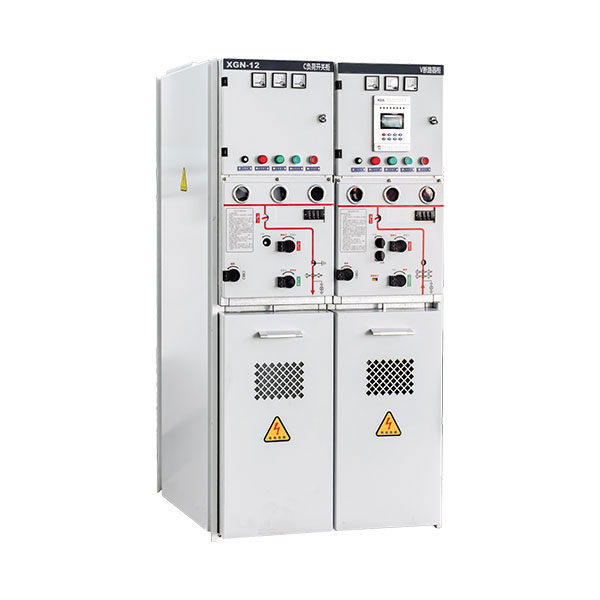
Follow this plan in order during a scheduled outage. Prepare drawings, test equipment and the work permit before you begin. The same sequence works for metal-clad panels, GIS and ring main units, and pairs naturally with the 12kV MV switchgear panel guide for panel layout details.
Step 1. Isolate and earth the panel. Confirm the breaker is open, the panel is isolated and earthed on both sides before any work.
Step 2. Lock out and tag out. Apply locks and tags to prevent accidental energisation by other workers.
Step 3. Clean the compartments. Remove dust from busbars, insulators and the enclosure with a vacuum and a lint-free cloth. Never use wet rags on live parts.
Step 4. Check busbar and connection torque. Re-torque bolted joints to the values in the manual and mark them after checking.
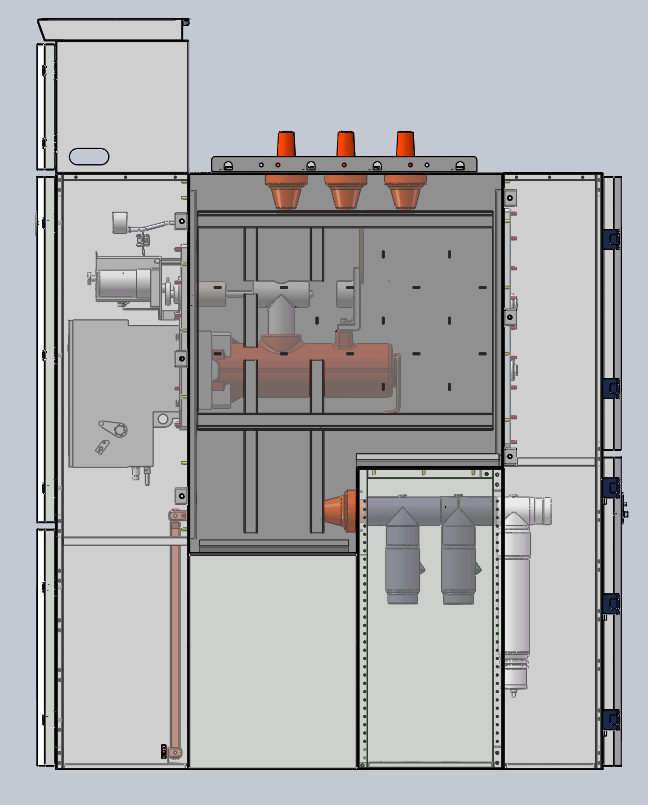
Step 5. Inspect insulation. Look for tracking, cracks, carbon paths and moisture ingress on bushings and insulators.
Step 6. Test the breaker. Measure contact resistance, opening and closing timing and contact travel against the factory values.
Step 7. Check the operating mechanism. Lubricate moving parts and verify spring charge, close and trip operation at rated control voltage.
Step 8. Test interlocks and safety shutters. Confirm the correct operating sequence and door interlocking work as designed.
Step 9. Verify earthing and surge protection. Check earth connections and surge arresters, and confirm the earthing design matches the substation earthing design guide.
Step 10. Test protection and control circuits. Operate relays, indications and trip circuits, and confirm the settings against the protection study.
Testing and Diagnostics for MV Switchgear
Do not rely on visual inspection alone. Electrical tests reveal what the eye cannot see. The most useful tests for MV switchgear maintenance are insulation resistance, contact resistance, breaker timing and travel, vacuum bottle integrity, and partial discharge measurement on GIS or resin-insulated panels. Each test has a clear pass value that the manufacturer supplies.
Insulation resistance is measured with a megohmmeter between phases and to earth. Contact resistance is measured with a low-resistance ohmmeter across each phase of the closed breaker. Timing tests use a breaker analyser to record open and close times and contact travel. Partial discharge testing finds weak spots in solid and gas insulation before they turn into a breakdown.
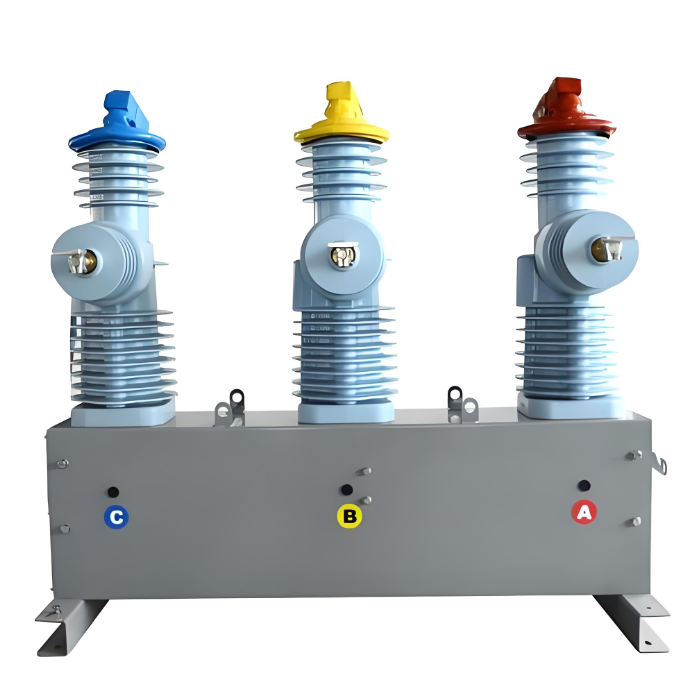
Record every value and compare it with the previous result. A steady trend matters more than a single number, because it shows how fast the equipment is ageing. For vacuum circuit breakers, also check the interrupter vacuum integrity as described in the outdoor vacuum circuit breaker guide.
Common Warning Signs and Failure Modes
Watch for overheating, unusual noise, SF6 pressure alarms, moisture in observation windows, and breaker failure to trip. A high contact temperature on a thermal camera usually means a loose or degraded connection. Slow breaker operation often points to a weak mechanism or low control voltage. Insulation resistance below the factory limit indicates moisture or tracking that must be fixed before re-energisation.
Ignoring these signs is the fastest route to arc flash and equipment damage. Early detection turns a two-hour repair into a planned, low-cost job. If you see recurring signs on one panel, compare its behaviour with the reference data in the 40.5kV switchgear guide or the 11kV medium voltage switchgear guide to decide whether an upgrade is better than repeated repairs.
Safety First: Permit, Lockout and Earthing Rules
MV switchgear work is high-risk work. Never open a live panel. Use a valid work permit, apply lockout and tagout, and verify zero voltage before any work starts. Earth both sides of the breaker where required, and keep rated test equipment and PPE ready.
Only qualified personnel may test live circuits. Establish a clear working zone, post warning signs and keep the control room informed. Safety rules are not optional; they protect people and prevent arc flash injury. A well-run maintenance team treats safety as the first step of every maintenance job, not an afterthought.
FAQ
How often should MV switchgear be maintained?
For most indoor panels, inspect every 6 months and perform full maintenance every 1 to 2 years. Outdoor or dusty sites need more frequent checks.
What is preventive maintenance for switchgear?
It is scheduled inspection, cleaning and testing that keeps equipment reliable and prevents unplanned failure.
Why is contact resistance measured?
High contact resistance means wear or a poor connection that can overheat and fail under load.
Can MV switchgear be tested without a shutdown?
Some checks such as thermography can run live, but contact, timing and insulation tests need an isolated panel.
What happens if maintenance is skipped?
Insulation and contacts degrade silently, raising the risk of arc flash, unplanned outages and equipment damage.
Does Electric-GS provide switchgear with maintenance support?
Yes. Electric-GS supplies medium voltage switchgear with factory test reports and OEM documentation to support your maintenance plan.
Electric-GS — Your Switchgear OEM Partner. Electric-GS is a switchgear manufacturer based in Yueqing, China. We supply ring main units, MV switchgear, vacuum circuit breakers, transformers and solar power distribution equipment. Our factory supports OEM and ODM projects with full type tests and a solid track record.
Contact us for a tailored quotation: email info@electric-gs.com or WhatsApp +86 135 8897 8050.