What is Medium Voltage Switchgear?
Medium voltage (MV) switchgear is a critical electrical distribution system designed to handle voltages between 1kV and 36kV. It serves as the backbone of power distribution networks, stepping down high voltage transmission electricity to medium voltage levels suitable for industrial plants, commercial complexes, and municipal distribution systems. MV switchgear is typically installed in substations, power plants, and large industrial facilities.
The primary function of MV switchgear is to safely isolate, protect, and control electrical circuits during normal operation and fault conditions. It acts as a bridge between high voltage transmission (110kV+) and low voltage utilization (400V), playing a vital role in ensuring reliable and safe power distribution. Without properly rated MV switchgear, electrical systems would be vulnerable to catastrophic failures during short circuits or overload conditions.
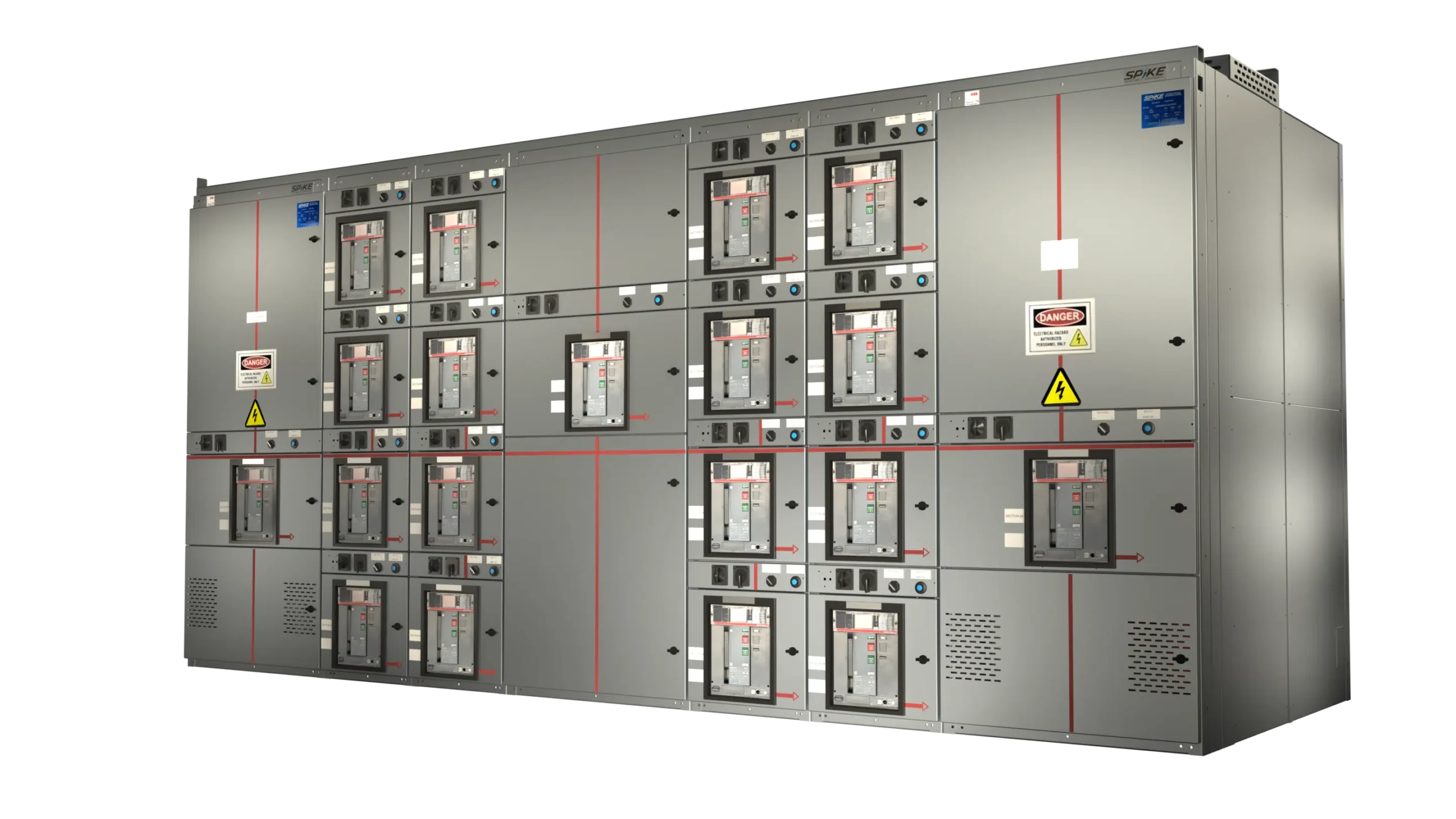
Types of Medium Voltage Switchgear
MV switchgear is classified based on its insulation medium, operating mechanism, and application. Understanding the different types is essential for selecting the right solution for specific project requirements.
1. Air Insulated Switchgear (AIS)
Air insulated switchgear uses ambient air as the dielectric medium. It is the most common and cost-effective type of MV switchgear, suitable for indoor installation in controlled environments. AIS panels are typically used in distribution substations, industrial plants, and commercial buildings. The main advantages include easy maintenance, lower initial cost, and well-understood technology. However, AIS requires more space compared to gas-insulated alternatives.
2. Gas Insulated Switchgear (GIS)
Gas insulated switchgear uses sulfur hexafluoride (SF6) gas or alternative gases as the insulating medium. GIS panels are significantly more compact than AIS, requiring up to 70% less space. They are ideal for urban substations, underground installations, and environments with limited space or harsh atmospheric conditions. While GIS has a higher initial cost, its reliability and space savings make it cost-effective for many applications.
3. Vacuum Circuit Breaker Switchgear
This type of MV switchgear uses vacuum interrupters for circuit breaking. Vacuum technology offers excellent electrical performance, long mechanical life (up to 10,000 operations), and minimal maintenance requirements. Vacuum circuit breakers are the dominant technology in modern MV switchgear due to their reliability, compact size, and environmental friendliness compared to oil or air blast alternatives.
| Type | Insulation | Space Required | Cost | Best Applications |
|---|---|---|---|---|
| AIS | Air | Large | Lower | Distribution substations |
| GIS | SF6 Gas | Compact | Higher | Urban, underground sites |
| Vacuum CB | Vacuum + Air | Medium | Medium | Industrial, commercial |
Key Components of MV Switchgear
A complete medium voltage switchgear assembly consists of several essential components working together to provide safe and reliable power distribution:
- Vacuum Circuit Breaker (VCB) – The core switching device that interrupts current during faults, typically rated from 630A to 3150A with breaking capacities of 25kA to 40kA for 3 seconds.
- Busbars – Copper or aluminum conductors that distribute power throughout the switchgear lineup, rated for continuous current and short-time withstand current.
- Current Transformers (CTs) – Step down high primary currents to standardized 1A or 5A secondary values for metering and protection relays.
- Voltage Transformers (VTs/PTs) – Step down medium voltage levels to 100V or 110V for measurement and protection purposes.
- Protection Relays – Microprocessor-based relays that monitor electrical parameters and trigger the circuit breaker for faults such as overcurrent, earth fault, and differential protection.
- Disconnect Switches (Isolators) – Provide visible isolation for maintenance, ensuring the circuit is physically disconnected from the power source.
- Earthing Switches – Ground the circuit during maintenance to ensure personnel safety.
- Cable Compartments – Designed for safe termination of power cables, with sufficient space for cable bending radius and access for maintenance.
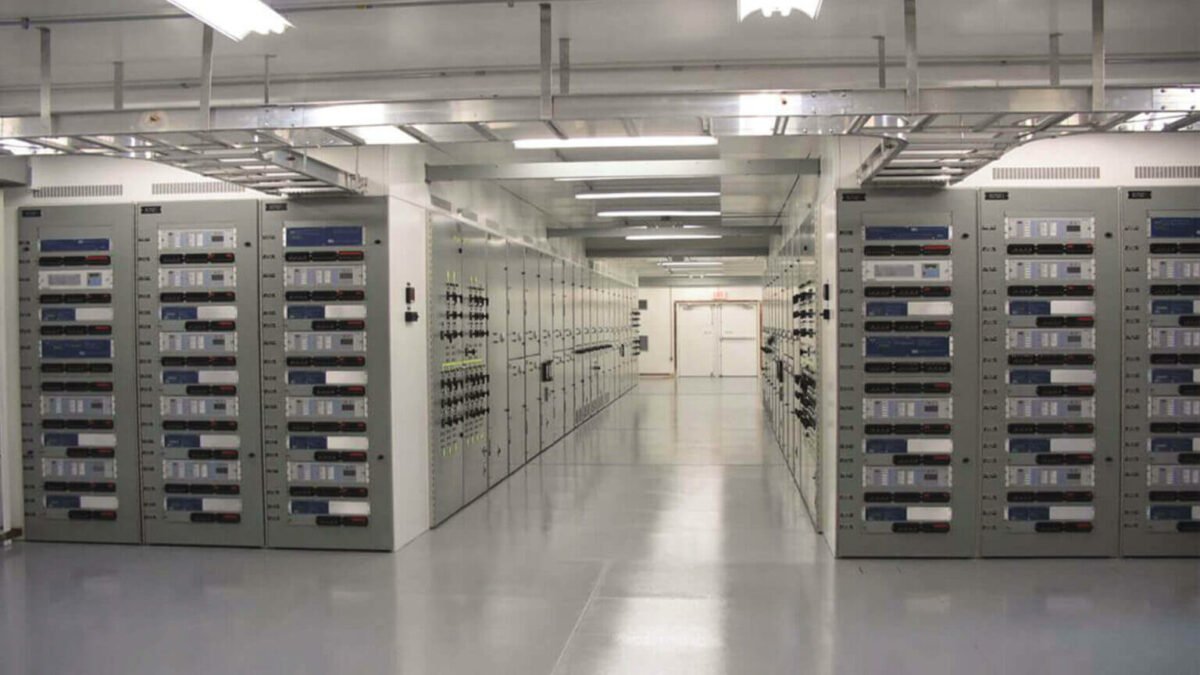
MV Switchgear Voltage Ratings
Medium voltage switchgear is available in various standard voltage ratings to match different distribution system requirements. The most common ratings include:
| Nominal Voltage | Rated Voltage | Common Applications | Typical Short Circuit Rating |
|---|---|---|---|
| 11kV | 12kV | Distribution, industrial plants | 25kA / 31.5kA |
| 20kV | 24kV | Urban distribution, commercial | 25kA / 31.5kA |
| 33kV | 36kV | Sub-transmission, large industrial | 25kA / 31.5kA / 40kA |
For more information on our complete product range, please visit our Ring Main Units (RMU) and Vacuum Circuit Breakers pages.
How to Select the Right MV Switchgear
Selecting the appropriate medium voltage switchgear requires careful evaluation of multiple technical and economic factors. Here is a step-by-step selection guide:
Step 1: Determine System Requirements
First, establish the system parameters: nominal voltage, maximum continuous current, available short circuit current, and frequency. These parameters define the basic ratings required for the switchgear. Consult the single line diagram (SLD) of the substation to understand the system configuration and protection requirements.
Step 2: Choose the Insulation Type
Based on available space, environmental conditions, and budget, decide between AIS or GIS. AIS is suitable for spacious indoor substations with clean environments. GIS is preferred for space-constrained urban sites, underground installations, or harsh outdoor environments with pollution, humidity, or extreme temperatures.
Step 3: Select Protection Scheme
Define the protection requirements for each feeder. Typical protections include overcurrent (50/51), earth fault (50N/51N), differential (87), and under/over voltage (27/59). The protection relay selection depends on the load type, criticality, and coordination requirements with upstream and downstream devices.
Step 4: Determine Auxiliary Requirements
Consider auxiliary systems: control power supply (DC battery or AC), communication interfaces (RS485, Ethernet, IEC 61850), metering requirements, and monitoring systems. Modern smart substations require comprehensive communication and monitoring capabilities.
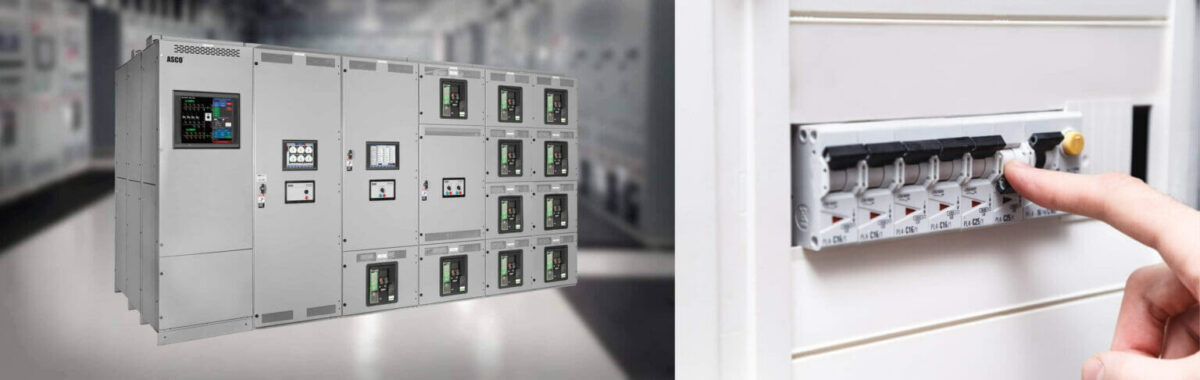
Installation and Maintenance Best Practices
Proper installation and regular maintenance are essential for ensuring the long-term reliability and safety of MV switchgear:
- Foundation Preparation – Ensure the foundation is level, properly reinforced, and can support the weight of the switchgear lineup. Anchor bolts should be correctly positioned and torqued to manufacturer specifications.
- Busbar Joints – All busbar connections must be properly cleaned, greased with contact compound, and torqued to the specified values. Loose connections are the leading cause of switchgear failures.
- Cable Termination – Use proper cable termination kits rated for the voltage level. Follow manufacturer instructions for cable preparation, insulation stripping, and stress cone installation.
- Regular Inspection – Perform routine visual inspections every 6 months. Check for unusual sounds, overheating (thermographic scan), gas pressure (for GIS), and indications of moisture or contamination.
- Breaker Testing – Test circuit breaker operation annually, including mechanical operation, contact resistance, and timing measurements. Vacuum interrupters should be checked for vacuum integrity every 3-5 years.
- Protection Relay Testing – Verify protection relay settings and operation annually using secondary injection test equipment. Ensure proper coordination with upstream and downstream protection devices.
For additional technical resources and international standards comparison, visit our partner site: electricgs.com.
Common Applications of MV Switchgear
Medium voltage switchgear is used across a wide range of industries and applications:
- Industrial Plants – Steel mills, chemical plants, mining operations, and manufacturing facilities require reliable power distribution for motors, pumps, and process equipment.
- Commercial Buildings – Shopping malls, airports, hospitals, and high-rise buildings use MV switchgear for main incoming supply and standby generator connections.
- Renewable Energy – Solar farms and wind power plants use MV switchgear for collection systems and grid connection.
- Data Centers – Critical data centers require highly reliable MV switchgear with redundancy and advanced monitoring.
- Water Treatment Plants – Pumping stations and water treatment facilities use MV switchgear for motor control and protection.
- Infrastructure Projects – Tunnels, railways, and metro systems use specialized MV switchgear for traction power distribution.
Frequently Asked Questions (FAQ)
What is the difference between MV and LV switchgear?
Medium voltage (MV) switchgear handles voltages from 1kV to 36kV, while low voltage (LV) switchgear operates below 1000V. MV switchgear is typically installed in substations and main distribution rooms, while LV switchgear is located closer to end-users in electrical rooms. MV switchgear provides primary protection and distribution, while LV switchgear distributes power to individual loads.
How long does MV switchgear last?
Well-maintained MV switchgear has a design life of 25-30 years. Vacuum circuit breakers typically have a mechanical life of 10,000 to 20,000 operations. With proper maintenance and periodic refurbishment, many installations operate reliably for 35+ years.
What is the difference between AIS and GIS?
AIS (Air Insulated Switchgear) uses ambient air for insulation and is more cost-effective but requires more space. GIS (Gas Insulated Switchgear) uses SF6 gas for insulation, making it much more compact (up to 70% space savings) but with higher initial cost. GIS is preferred for space-constrained urban installations and harsh environmental conditions.
How often should MV switchgear be maintained?
Routine visual inspections should be performed every 6 months. Comprehensive maintenance including breaker testing, relay testing, and thermographic inspection should be conducted annually. Major overhaul including contact replacement and mechanism lubrication is typically required every 10-15 years depending on operating conditions.
Can MV switchgear be customized?
Yes, reputable manufacturers offer fully customized MV switchgear solutions. You can specify voltage ratings, current ratings, breaking capacity, protection schemes, auxiliary systems, communication interfaces, and physical dimensions. Custom designs are commonly provided for special applications such as mining, marine, and renewable energy projects.
What safety features does MV switchgear include?
Modern MV switchgear incorporates multiple safety features: interlocks preventing operation under incorrect conditions, earthing switches for maintenance safety, pressure relief devices for internal arc faults, safety shutters covering live parts, and partition barriers between compartments to contain faults.
About Electric-GS
Electric-GS is a professional electrical equipment manufacturer based in Yueqing, Zhejiang, China. We specialize in the design and production of medium and low voltage switchgear, including Ring Main Units (RMU), Vacuum Circuit Breakers, SF6 Gas Insulated Switchgear, and complete substations.
Our MV switchgear products are manufactured to IEC 62271 and GB 3906 standards, with voltage ratings from 3.6kV to 40.5kV and current ratings up to 4000A. We provide OEM and ODM services for clients worldwide, with complete type test reports from accredited laboratories. Our team of engineers supports customers from initial design through installation and commissioning.
Contact us today for a free quotation: info@electric-gs.com | WhatsApp: +86 135 8897 8050
2 thoughts