Understanding Switchgear Construction Types
Medium voltage switchgear is classified by its construction into metal clad and metal enclosed types. These two designs look similar from the outside, but their internal compartmentalization and safety characteristics differ significantly. Choosing the right construction type affects operator safety, maintenance convenience, fault containment, and project cost. This guide explains the differences and helps you select the appropriate switchgear for your application.
For detailed switchgear specifications, visit electricgs.com or our factory site at electric-cn.com.
What Is Metal Enclosed Switchgear?
Metal enclosed switchgear consists of one or more electrical switching devices enclosed in a grounded metal housing, with all live parts protected from external contact. The enclosure may or may not be divided into separate compartments. In simpler designs, the busbar, switching device, and cable terminations share a common compartment, which reduces cost but limits fault containment and access safety.
What Is Metal Clad Switchgear?
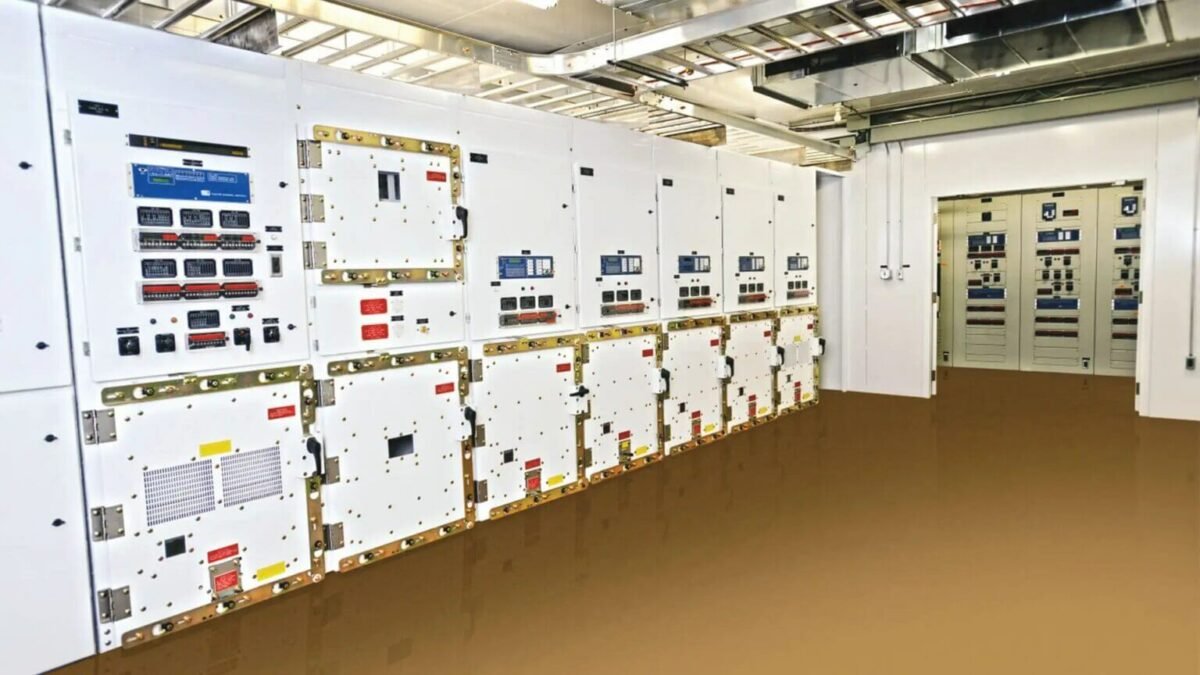
Metal clad switchgear is a specific type of metal enclosed switchgear in which all main switching and interrupting devices are mounted in completely metal-enclosed compartments separated from each other and from the busbar and cable compartments by grounded metal partitions. This design provides the highest level of internal compartmentalization, enabling safe access to one compartment while others remain energized.
Key Differences Comparison Table
| Feature | Metal Enclosed | Metal Clad |
|---|---|---|
| Compartmentalization | Optional or partial | Mandatory, all compartments separated |
| Breaker type | Fixed or withdrawable | Withdrawable standard |
| Busbar isolation | Shared compartment possible | Separate busbar compartment |
| Access safety | Whole panel must be de-energized | Safe access to isolated compartment |
| Fault containment | Limited | Enhanced arc containment |
| Cost | Lower | Higher |
| Typical applications | Simple distribution, retrofit | Industrial, utility, critical power |
Safety and Maintenance Implications
The compartmentalization of metal clad switchgear delivers major safety benefits. Maintenance personnel can withdraw a circuit breaker to its test or disconnected position, ground the compartment, and work safely while the busbar remains energized. This reduces outage scope from a full panel to a single circuit, significantly improving availability for industrial plants and critical facilities.
Metal enclosed switchgear with shared compartments requires full de-energization for any internal work. For installations where continuity of supply is critical, the availability advantage of metal clad design justifies its higher initial cost.
Arc Fault Containment
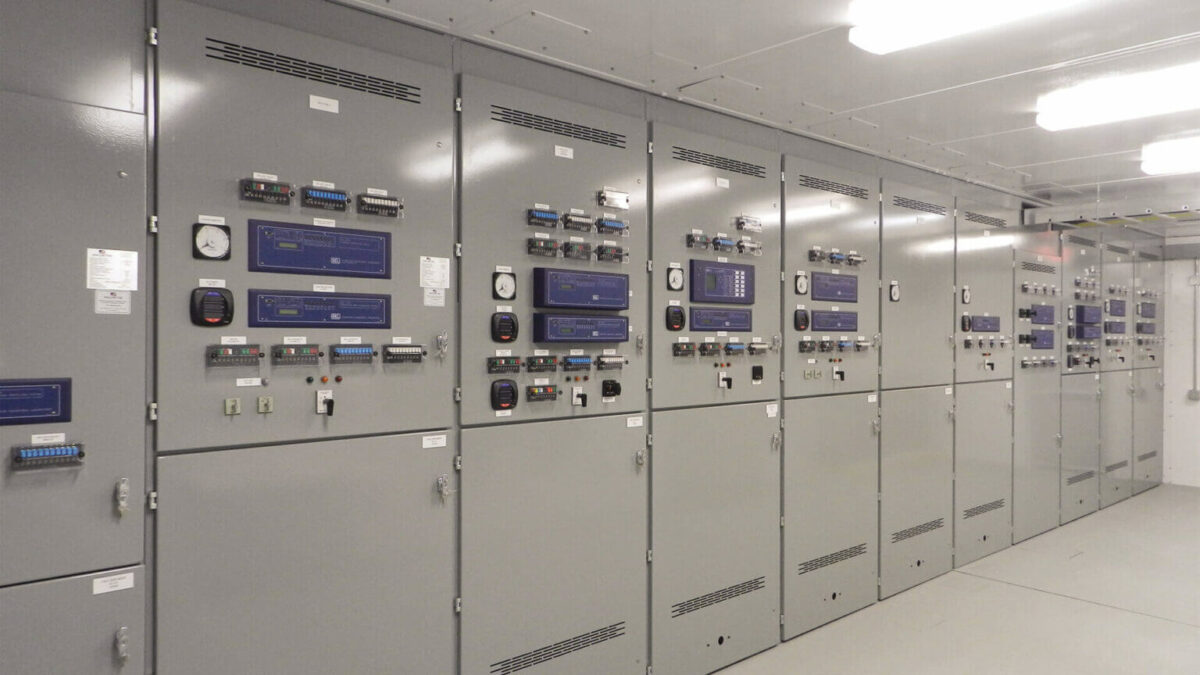
Internal arc faults, though rare, are the most dangerous event in MV switchgear. Metal clad designs with compartmentalized construction and pressure relief flaps direct arc energy away from personnel, complying with internal arc classification tests such as IEC 62271-200 AFLR. When arc resistance is a requirement, verify the switchgear’s internal arc rating and installation conditions, including cable entry direction and enclosure clearances.
Selection Guidance
- Choose metal enclosed for simple distribution boards, retrofit projects, and applications where cost sensitivity is high and maintenance can be scheduled during planned outages.
- Choose metal clad for industrial plants, hospitals, data centers, and utility substations where supply continuity and maintenance safety are priorities.
- Verify arc classification when personnel may be present during energized operation; specify AFLR rating where required by local codes.
- Consider withdrawability for breakers above 630A or where frequent maintenance is expected.
Frequently Asked Questions
Q1: Is all metal clad switchgear metal enclosed?
Yes. Metal clad is a specialized subset of metal enclosed switchgear with mandatory compartmentalization, so all metal clad units are by definition metal enclosed.
Q2: Which type is more expensive?
Metal clad switchgear costs 15-30% more than equivalent metal enclosed designs due to additional compartment barriers, withdrawable mechanisms, and enhanced testing.
Q3: Can fixed-type breakers be used in metal clad switchgear?
By definition, metal clad switchgear uses withdrawable breakers that can be moved between connected, test, and disconnected positions. Fixed breakers are not considered metal clad.
Q4: What standards apply to these types?
Both types fall under IEC 62271-200 (AC metal-enclosed switchgear for rated voltages above 1kV) and ANSI/IEEE C37.20.2 for metal clad switchgear in North America.
Q5: Do you manufacture both types?
Yes, we manufacture both metal enclosed and metal clad MV switchgear with optional internal arc classification, serving utility and industrial customers worldwide.
About Electric-GS Manufacturer
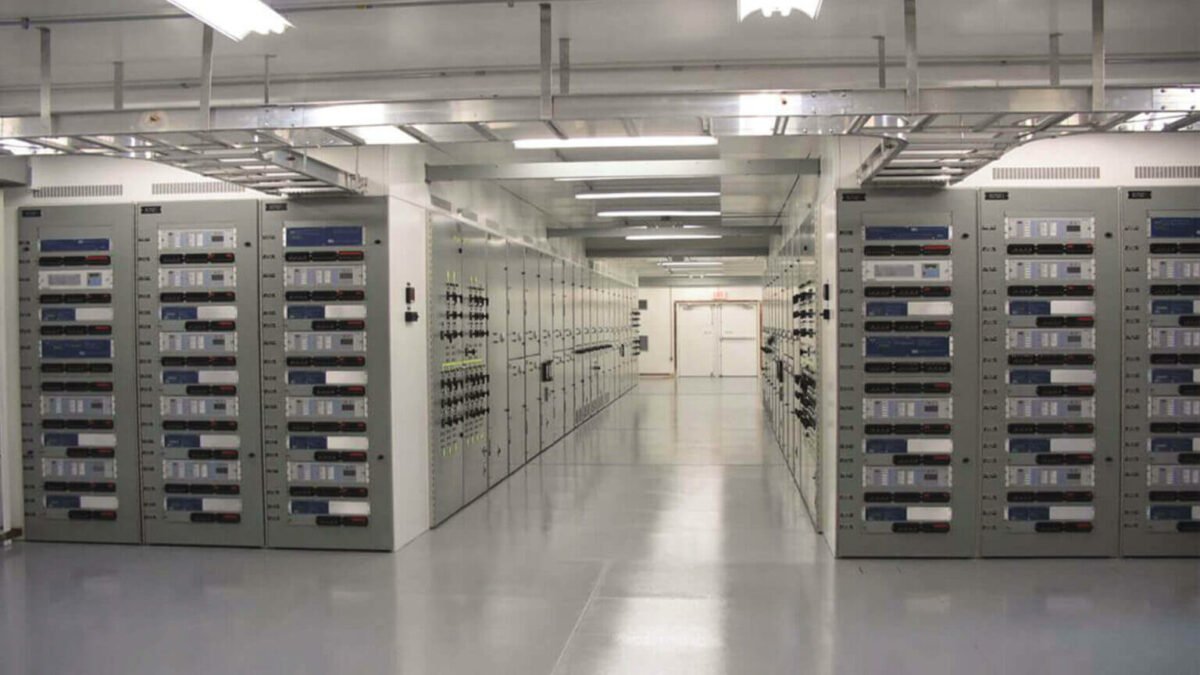
Electric-GS is a professional electrical power equipment manufacturer based in Liushi, Yueqing, Zhejiang, China, with over 15 years of OEM/ODM experience serving global power equipment distributors and EPC contractors. We supply medium and low voltage switchgear, RMUs, circuit breakers, transformers, and solar balance of system products with full type test reports.
Contact us for quotations and custom design support: Email info@electric-gs.com, WhatsApp: +86 135 8897 8050.
One thought