Why Distribution Transformer Maintenance Is Essential
Distribution transformers are among the most critical and expensive assets in any power distribution network. A failed transformer causes prolonged outages, significant replacement costs, and safety hazards. A structured distribution transformer maintenance program detects developing faults early, extends transformer life to 25-35 years, and reduces the total cost of ownership. Preventive maintenance is far more economical than emergency replacement.
For transformer product specifications and OEM manufacturing support, visit electricgs.com or our factory site at electric-cn.com.
Annual Maintenance Checklist
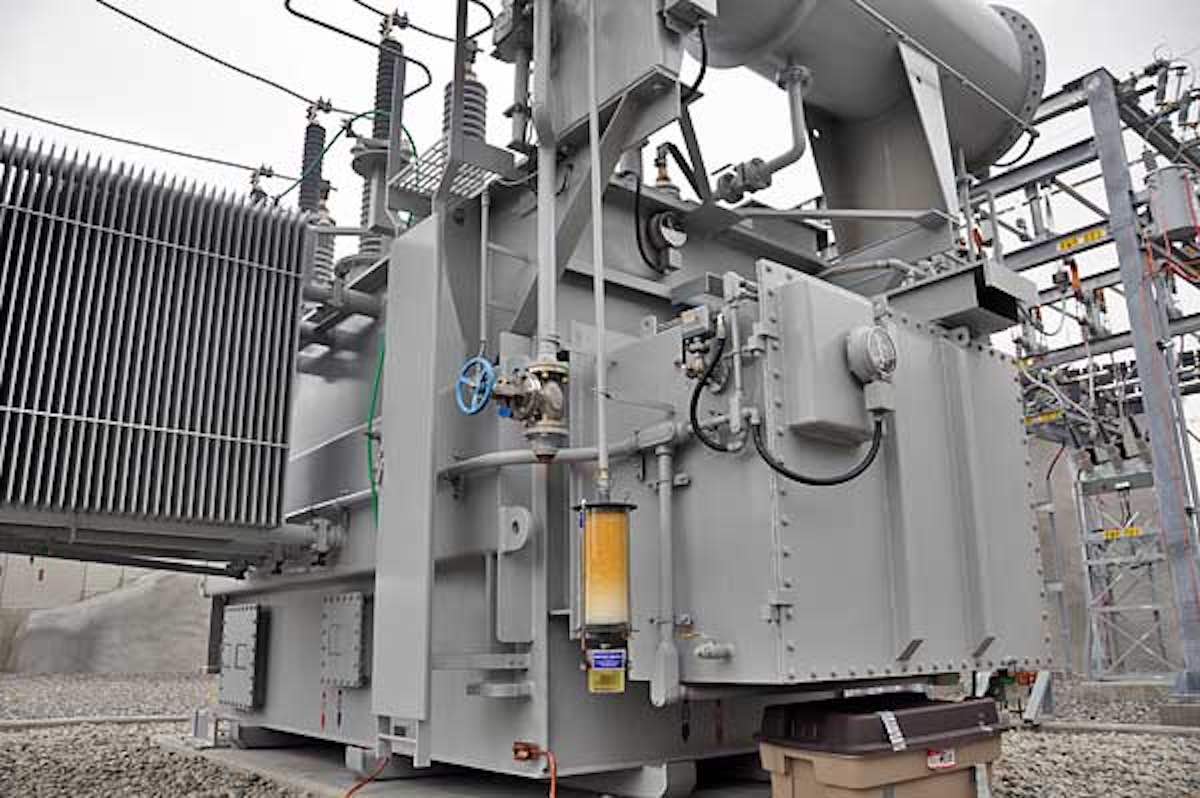
- Visual inspection: Check for oil leaks, rust, damaged bushings, and abnormal noise or vibration.
- Oil level check: Verify oil level in the conservator or main tank is within the marked operating range at current temperature.
- Bushing inspection: Inspect porcelain insulators for cracks, contamination, and tracking; check connections for overheating.
- Grounding verification: Measure grounding resistance and confirm the tank, core, and neutral are properly bonded.
- Tap changer operation: Exercise the off-load tap changer through all positions to prevent contact oxidation.
- Cooling system check: Clean radiator fins, verify cooling fan operation (if fitted), and check oil circulation.
- Protection device test: Verify the Buchholz relay, winding temperature indicator, and pressure relief valve function correctly.
Key Diagnostic Tests Table
| Test | Frequency | Acceptance Criteria |
|---|---|---|
| Insulation resistance (Megger) | Annual | > 1 GOhm at 1kV (corrected to 20°C) |
| Oil breakdown voltage | Annual | > 30kV per 2.5mm gap |
| Oil acidity (TAN) | Biennial | < 0.2 mg KOH/g |
| Dissolved gas analysis (DGA) | Biennial | Key gas ratios within normal range |
| Winding ratio test | After repairs | Within 0.5% of nameplate ratio |
| Short circuit impedance | After fault events | Within 2% of factory value |
Understanding DGA Results
Dissolved gas analysis is the most powerful predictive tool for transformer condition assessment. Key gases indicate specific fault types: hydrogen and methane suggest partial discharge; ethane and ethylene point to thermal overheating; acetylene indicates arcing. Rapidly rising gas levels require immediate investigation, while stable low levels indicate healthy operation. A comprehensive DGA program can detect 70-80% of developing faults before they cause failure.
Maintenance Frequency Schedule
- Monthly: Visual inspection, oil level check, and load reading.
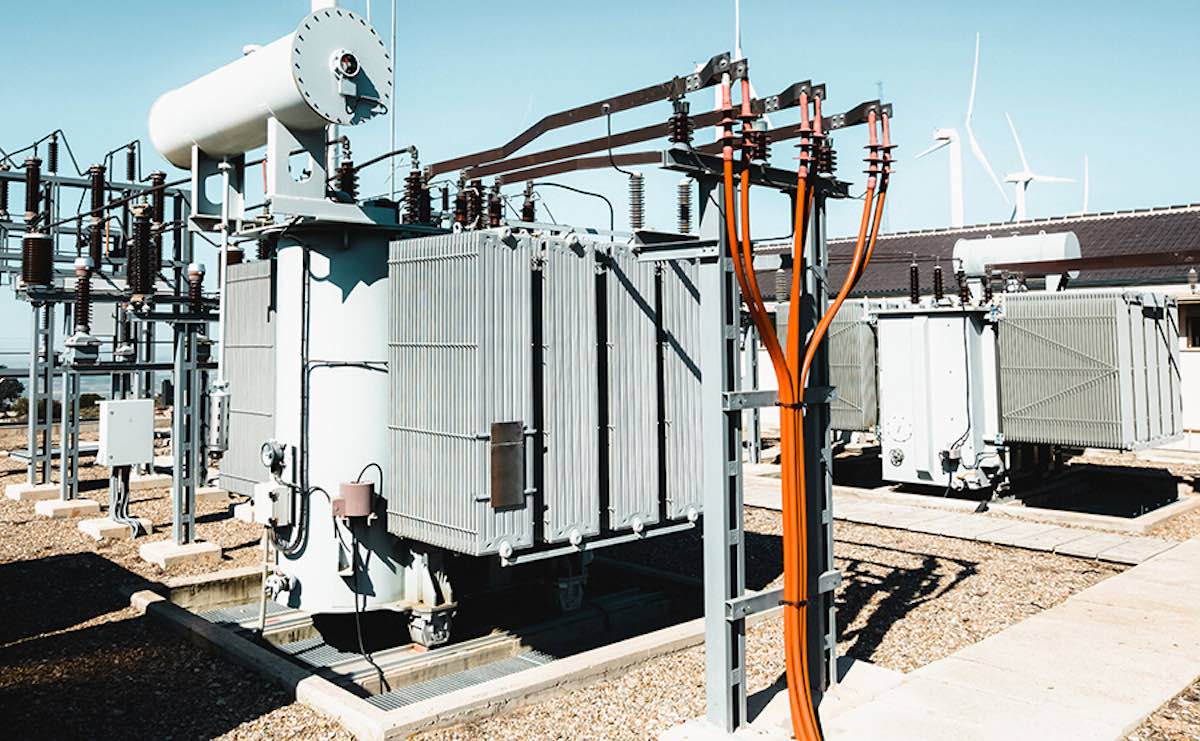
- Quarterly: Bushing and connection thermal inspection, cooling system check.
- Annual: Full checklist, oil sample for BDV and moisture, insulation resistance test.
- Biennial: DGA analysis, oil acidity test, tap changer inspection.
- After faults: DGA, ratio test, and impedance test immediately after any through-fault or lightning event.
Common Transformer Problems and Prevention
1. Oil Deterioration
Moisture ingress and oxidation degrade transformer oil over time. Maintain the silica gel breather, keep gaskets sealed, and replace oil when BDV or acidity exceeds limits.
2. Overheating
Overload and poor ventilation cause accelerated insulation aging. Monitor load and hotspot temperature, and derate transformers operating in high ambient temperature locations.
3. Loose Connections
Vibration and thermal cycling loosen bolted connections, causing hot spots. Perform thermal imaging inspections annually and retorque connections to specification.
Frequently Asked Questions
Q1: How often should transformer oil be tested?
Breakdown voltage and moisture should be tested annually, while a full DGA is recommended every 2 years for distribution transformers, or after any abnormal event.
Q2: What is the normal service life of a distribution transformer?
With proper maintenance and moderate loading, oil-immersed distribution transformers typically serve 25-35 years before insulation aging requires replacement or reconditioning.
Q3: Can a transformer be repaired instead of replaced?
Yes, common repairs include gasket replacement, bushing replacement, oil reconditioning, and tap changer overhaul. Major winding repairs are usually only economical for larger units.
Q4: What does a Buchholz relay do?
The Buchholz relay detects gas accumulation and oil surge inside the transformer tank, providing alarm and trip signals for internal faults such as winding breakdown and core overheating.
Q5: Do you supply spare parts for distribution transformers?
Yes, we supply bushings, gaskets, tap changers, oil conservators, and complete replacement transformers with OEM branding for our global partners.
About Electric-GS Manufacturer
Electric-GS is a professional electrical power equipment manufacturer based in Liushi, Yueqing, Zhejiang, China, with over 15 years of OEM/ODM experience serving global power equipment distributors and EPC contractors. We supply medium and low voltage switchgear, RMUs, circuit breakers, transformers, and solar balance of system products with full type test reports.
Contact us for quotations and custom design support: Email info@electric-gs.com, WhatsApp: +86 135 8897 8050.
7 thoughts