What is a PV Grid-Connected Cabinet?
A PV (Photovoltaic) grid-connected cabinet, also known as a solar grid-tie cabinet or grid connection cabinet, is an essential component of grid-tied solar power systems. It serves as the interface between the photovoltaic array and the utility grid, providing protection, monitoring, and control functions to ensure safe and reliable power export. The cabinet coordinates with solar inverters to convert DC power from solar panels into grid-compatible AC power.
Grid-connected PV systems are the most common type of solar installation worldwide, accounting for over 95% of installed capacity. A properly designed grid-connected cabinet is critical for compliance with grid codes, protecting personnel and equipment, and maximizing the return on investment for solar projects. Without a dedicated grid connection cabinet, solar installations risk non-compliance with utility regulations and potential safety hazards.
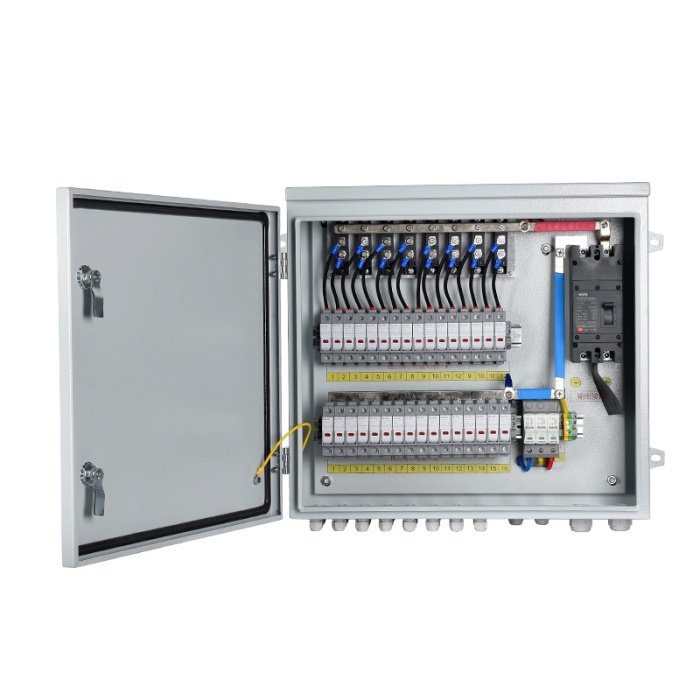
Components of a PV Grid-Connected Cabinet
A complete grid-connected cabinet assembly includes the following essential components:
- Main Circuit Breaker – An air circuit breaker (ACB) or molded case circuit breaker (MCCB) rated for the maximum inverter output current, providing main isolation and short circuit protection.
- Surge Protection Device (SPD) – Type 1 or Type 2 SPD installed on both DC and AC sides to divert surge currents to ground, protecting sensitive inverter electronics.
- Grid Protection Relay – A microprocessor-based relay that monitors grid parameters and triggers disconnection for over/under voltage, over/under frequency, and loss of mains conditions.
- Current and Voltage Transformers – CTs and VTs that provide isolated measurements to the protection relay and metering equipment.
- Power Quality Meter – A multifunction meter that displays and records active power, reactive power, power factor, voltage, current, and energy consumption.
- Disconnect Switch – A visible load break switch that provides physical isolation for maintenance.
- Control and Auxiliary Circuit – Including control transformers, auxiliary relays, indicator lights, and pushbuttons for local operation and monitoring.
- Communication Module – Optional RS485, Ethernet, or wireless communication for remote monitoring and SCADA integration.
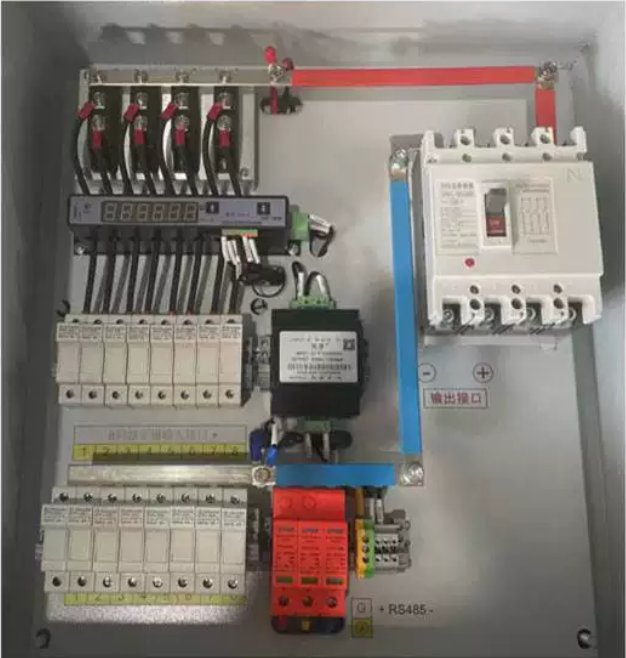
Sizing Guide for PV Grid-Connected Cabinets
Proper sizing of the grid-connected cabinet is essential for safety, compliance, and cost-effectiveness. Follow these steps to select the right cabinet for your solar project:
Step 1: Determine Inverter Total Output
Calculate the total AC output current from all inverters. For three-phase systems, use the formula: I = P / (√3 × V × PF). Allow for a 125% safety margin when selecting the main breaker rating. For example, a 500kW solar plant operating at 400V three-phase would have a rated current of approximately 722A, requiring an 800A main breaker.
Step 2: Calculate Short Circuit Current
Determine the available short circuit current at the grid connection point. This value, provided by the utility company, determines the required breaking capacity of the main breaker. Typical values range from 25kA to 50kA for low voltage connection points.
Step 3: Select Protection Devices
Choose SPD ratings based on lightning protection zone and expected surge severity. Type 1 SPDs are required for outdoor or exposed installations, while Type 2 SPDs are suitable for indoor environments. Fuse ratings should be coordinated with inverter manufacturer specifications.
Step 4: Determine Enclosure Requirements
Select the appropriate enclosure rating based on installation location. IP54 or higher is required for outdoor installations or dusty environments. Indoor cabinets can use IP30 or IP42 enclosures. Consider ventilation and cooling requirements for high ambient temperature locations.
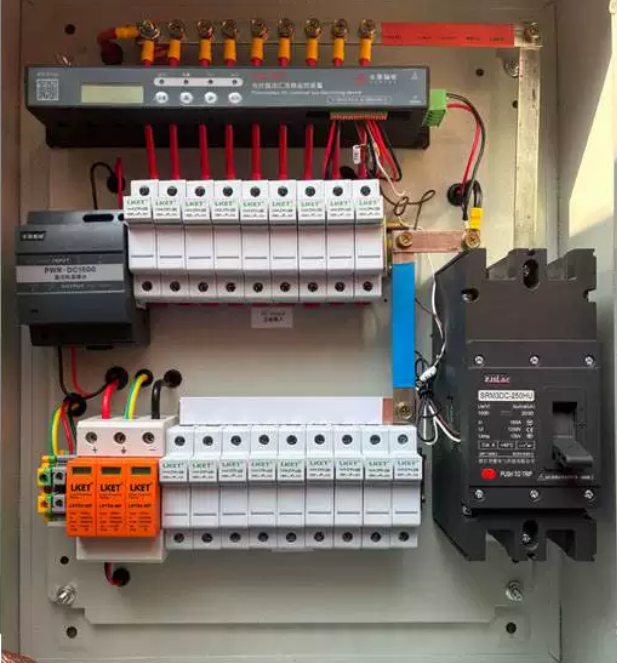
For related products, also explore our PV Combiner Boxes and Ring Main Units for complete solar substation solutions.
Grid Code Compliance Requirements
Different countries and regions have specific grid connection codes that govern how solar installations must interact with the utility grid. Key compliance requirements include:
- Voltage Ride-Through (LVRT/HVRT) – Requirements for the system to remain connected during short duration voltage dips or swells.
- Frequency Response – The ability to adjust active power output in response to grid frequency changes.
- Reactive Power Support – Capability to supply or absorb reactive power to support grid voltage stability.
- Power Factor Control – Maintaining power factor within specified limits (typically 0.95 lagging to 0.95 leading).
- Anti-Islanding – Automatic disconnection within specified time limits (typically 2 seconds) when the grid is lost.
- Harmonic Emission Limits – Limiting total harmonic distortion (THD) to below 3-5% depending on local standards.
For international standards comparison and technical specifications, visit our partner site: electricgs.com.
Installation Best Practices
Proper installation ensures the long-term reliability and safety of the grid-connected cabinet:
- Location Selection – Install the cabinet in a well-ventilated, accessible location away from direct sunlight and extreme weather. Ensure adequate clearance for heat dissipation and maintenance access.
- Cable Routing – Separate AC and DC cable runs to minimize electromagnetic interference. Use properly rated cables and ensure all terminations are tight and correctly sized.
- Earthing System – Install a dedicated earth electrode system with resistance below 4 ohms. Bond all metal parts and cable trays to the earthing system.
- Labeling and Documentation – Clearly label all circuits, breakers, and terminals. Provide complete as-built drawings and test reports for commissioning.
- Commissioning Testing – Perform insulation resistance tests, protection relay settings verification, and anti-islanding testing before energizing the system.
Frequently Asked Questions (FAQ)
What is the difference between a PV combiner box and a grid-connected cabinet?
A PV combiner box is installed on the DC side, combining strings from multiple solar panels before feeding them to the inverter. A grid-connected cabinet is installed on the AC side, between the inverter output and the utility grid, providing protection, metering, and grid compliance functions. Both are essential components of a complete solar installation.
How much does a PV grid-connected cabinet cost?
The cost varies significantly based on power rating, features, and brand. Small residential systems (10-50kW) typically cost $500-$2,000. Commercial systems (100kW-1MW) range from $2,000-$15,000. Large utility-scale projects (1MW+) can cost $15,000-$50,000 or more depending on grid code requirements.
Can I install a grid-connected cabinet myself?
Due to the high voltages and safety risks involved, installation must be performed by a licensed electrician with experience in solar PV systems. Additionally, most utilities require certification by a qualified professional before allowing grid connection.
What size grid-connected cabinet do I need for a 100kW solar system?
A 100kW three-phase system operating at 400V has a rated current of approximately 144A. You would need a grid-connected cabinet with a main breaker rated at 200A (with 125% margin), 25kA breaking capacity, and appropriate SPD and protection relays.
How often does a grid-connected cabinet need maintenance?
Routine visual inspection should be performed every 6 months. Annual maintenance includes checking breaker operation, testing SPD status, verifying protection relay settings, and torqueing all electrical connections. Thermographic inspection should be performed annually to detect loose connections.
What happens during a power outage?
The anti-islanding protection function automatically disconnects the solar system from the grid within 2 seconds, preventing power from flowing back into downed power lines and protecting utility workers. The solar system will resume operation automatically once grid power is restored and stable for a specified period.
About Electric-GS
Electric-GS is a leading manufacturer of solar balance-of-system (BOS) equipment based in Yueqing, Zhejiang, China. We specialize in designing and manufacturing PV Combiner Boxes, grid-connected cabinets, and complete solar substations for projects ranging from residential rooftop installations to utility-scale solar farms.
Our grid-connected cabinets are manufactured to IEC and GB standards, with ratings from 10kW to 10MW. We provide full customization including grid code compliance for different countries, communication interfaces, and integration with various inverter brands. Our engineering team supports customers from initial design through commissioning.
Contact us today for a free quotation: info@electric-gs.com | WhatsApp: +86 135 8897 8050