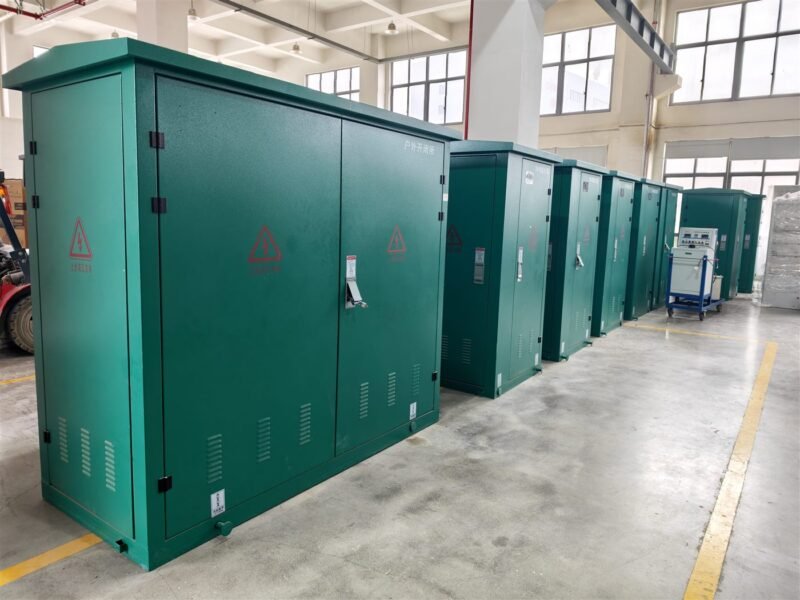
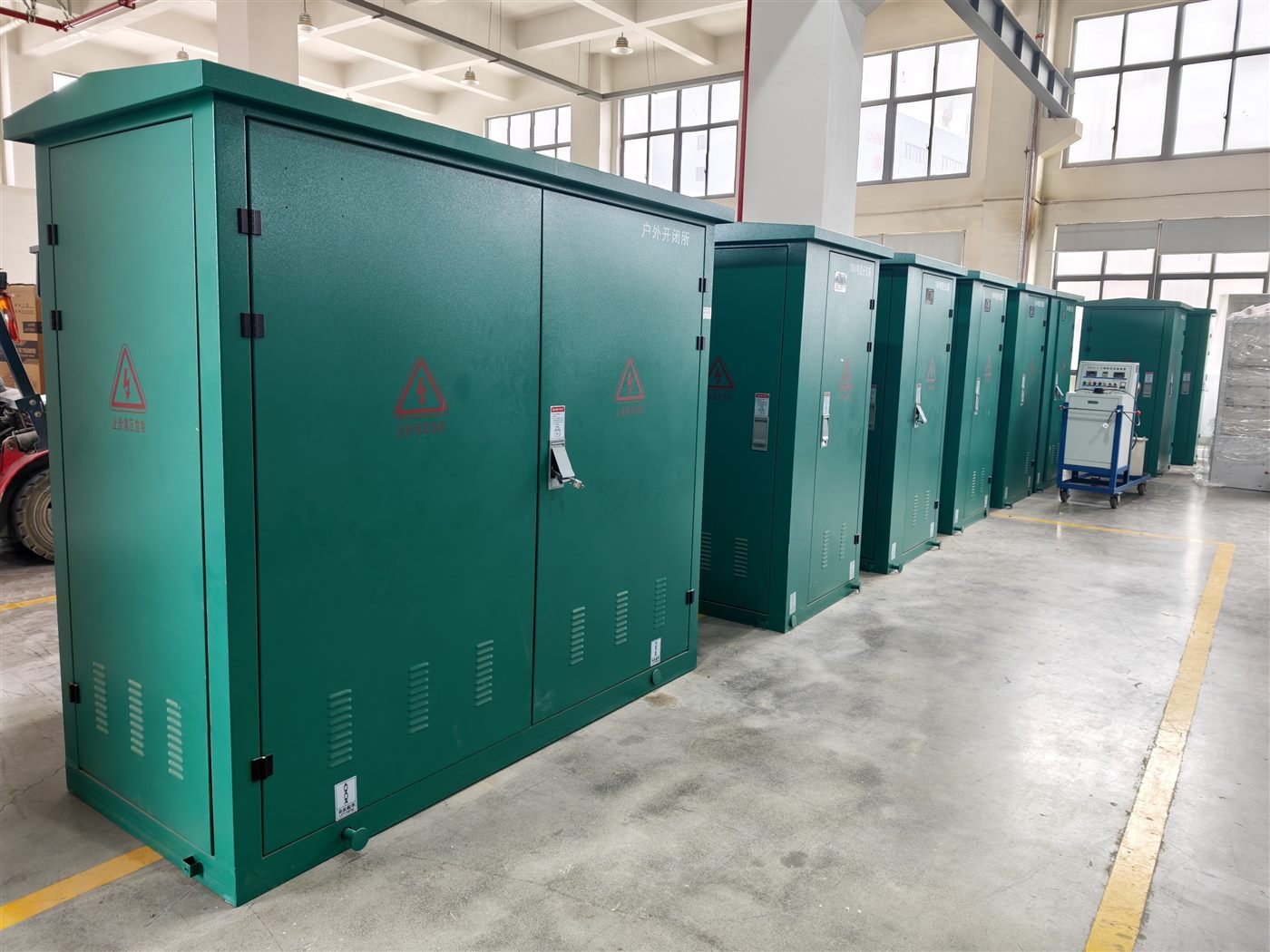
A cable branch box looks like the simplest item on a distribution drawing. It is a steel enclosure with two, three or four cable ways, a switch or a set of fuses, and a lid. Then the first one is delivered with the wrong cable range, the second leaks water into the basement, and the third cannot be tested without opening the live side.
Most of those failures are decided on the specification sheet, months before anything reaches site. This is the short list we use when a customer sends a single line diagram and asks what to order.
Why the Cable Branch Box Decides the Cable Schedule
The box fixes where a cable run ends and where two runs begin. That fixes the drum lengths, the joint positions, and the number of terminations the jointing team has to book. Move the box fifty metres and the whole cable schedule moves with it.
It also fixes the fault boundary. When a cable fails, the box is what lets you isolate one leg and keep the rest of the ring alive. A box with the wrong switching arrangement turns a two-hour repair into a full-day outage.
And it fixes who owns the risk. A box specified by the civil contractor to hold the cables, and a box specified by the electrical contractor to be operated, are rarely the same box. The first has a lid and a lock; the second has an interlock, a test point and a rating plate that the operator can actually read from the walkway.
6 Checks Before You Specify a Cable Branch Box
- Count the ways against the actual cable schedule. Two in, two out is four terminations, not two. Add a spare way only if the load growth is already planned, because a spare way is a spare moisture path.
- Confirm the cable range, not just the voltage. A box rated for 12 kV with 25 mm² to 400 mm² terminals will not accept a 630 mm² conductor, and an aluminium cable needs different terminal hardware than copper.
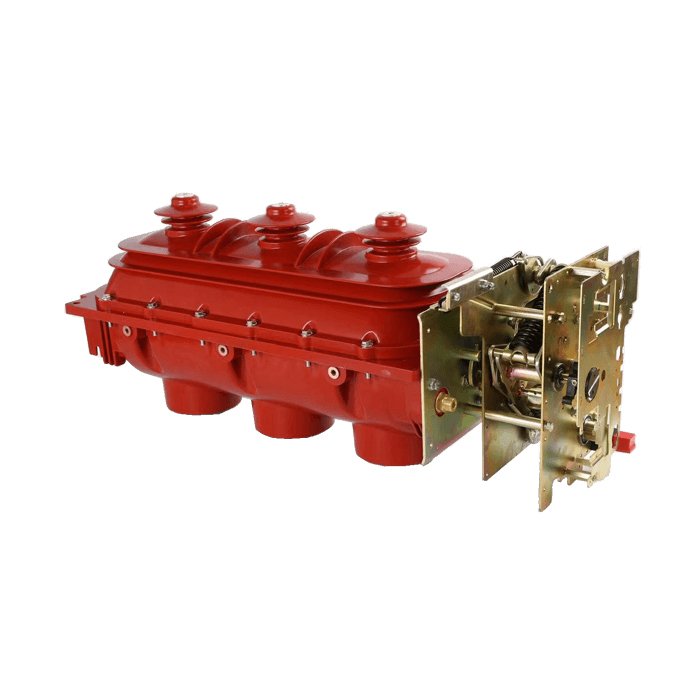
- Decide between a load break switch and fuses. A switch gives isolation and visible status; fuses give cheap protection on small branches. Mixing the two in one box is normal, but the interlock has to be specified with it.
- Set the IP rating and the enclosure material together. IP54 in a coastal yard means a stainless or GRP enclosure, not painted steel. The rating on the label is meaningless if the material cannot hold it for ten years.
- Check the earthing arrangement. Every cable way needs a screen connection point, and the box needs a direct path to the earthing grid. A box with one earth stud and four cable ways will be bonded badly.
- Confirm how the box will be tested. Pressure test, insulation resistance, and a way to reach the terminals without dismantling the cable. If the test plug is an option, order it with the box, not after.
Two of those checks depend on documents that already exist: the medium voltage cable sizing guide for conductor and screen sizes, and the jointing method in our MV cable termination installation steps. Read them before the box is ordered, not after.
Configurations Compared
The table is a shape for comparing options, not a catalogue. Final ratings follow the project single line diagram.
| Configuration | Typical use | Switching | Watch out for |
|---|---|---|---|
| 2-way, fused | Single branch off a main feeder | Fuse only | No visible isolation; needs a upstream switch |
| 3-way, switch + fuse | Small ring or two branches | Load break switch plus fuse | Interlock must be ordered with the box |
| 4-way, switch only | Ring main extension | Two load break switches | Protection is upstream; coordination to be checked |
| 4-way, switch + fuse | Mixed ring with a small transformer branch | Two switches, one fused way | Fuse rating must match the transformer inrush |
Below ground the box usually sits in a chamber with limited access, which is why the outdoor foundation and installation sequence matters as much as the electrical configuration. A box set 200 mm too low fills with water in the first rainy season.
Installation Details That Decide the Service Life
- Cable entries sealed with the correct gland size, not with putty and tape.
- Screen and armour bonded at both ends unless the design says otherwise, and recorded in the test sheet.
- Enclosure mounted on a plinth with a fall away from the doors, and the doors opening away from the walkway.
- Terminals torqued to the maker’s value and marked, so the next inspection can see whether anything moved.
- Anti-condensation heater fitted in humid chambers, the same problem described in our anti-condensation guide.
- Corrosion protection matched to the site, as set out in the coastal corrosion protection notes.
FAQ
Can one cable branch box serve both aluminium and copper cables?
Yes, with the right terminal hardware and the right torque values. Do not assume the same lug works for both; aluminium needs a different contact treatment and a different creep allowance.
Should the box be above ground or in a chamber?
Above ground wherever the layout allows. A chamber saves space and loses access, and every chamber is a place where water collects.
How many spare ways should I order?
Only ways that a funded project will use within two years. A spare way with a cable entry and no cable is an entry point for moisture.
Does the branch box need its own protection?
When it feeds a transformer or a small branch, yes, normally fuses. When it only extends a ring, protection stays upstream and the box provides isolation only.
What test should be done before energising?
Insulation resistance on each way, a pressure test on the enclosure, a continuity check on screen bonding, and a functional check on every switch and interlock.
About Electric-GS
Electric-GS is an OEM/ODM switchgear factory in Yueqing, Zhejiang, China. We build ring main units, cable branch boxes, MV and LV switchgear and packaged substations, and we quote from your single line diagram and cable schedule. Send the drawings to info@electric-gs.com or WhatsApp +86 135 8897 8050. English product pages are on electricgs.com, and Chinese technical notes on electric-cn.com.