
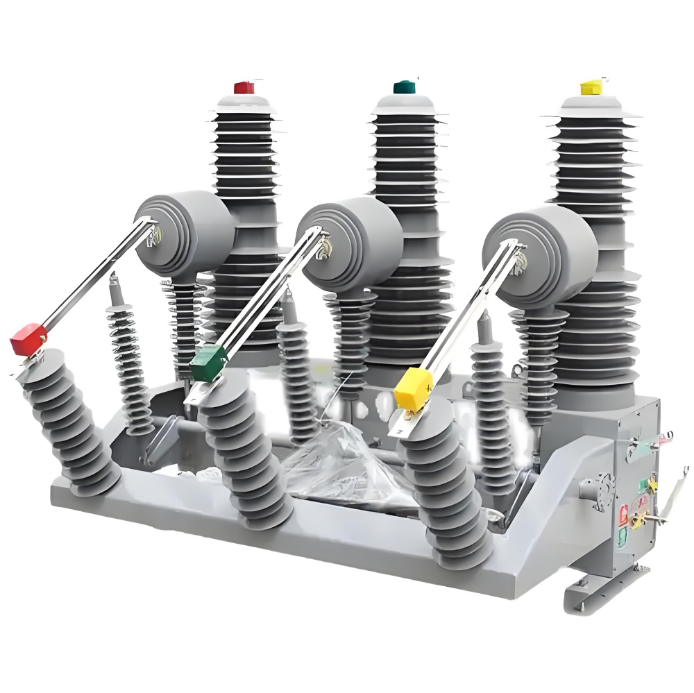
Every switchgear datasheet carries an IP number. Most buyers read it as a formality and compare it the way they compare paint colour. Then the enclosure is installed beside a cooling tower, or under a roof that drips, and the number turns out to describe a test that was done once, on one sample, in a laboratory hallway.
The switchgear IP rating is not wrong. It is just narrower than the way it gets used. Here is how we read one before a purchase order is signed.
Why the IP Rating Is a Site Decision, Not a Catalogue Number
The two digits describe protection against solid objects and against water, in that order. Neither digit describes salt, dust that settles and hardens, condensation that forms inside the enclosure, or the water that arrives sideways in a storm. Those are the conditions that actually kill outdoor switchgear.
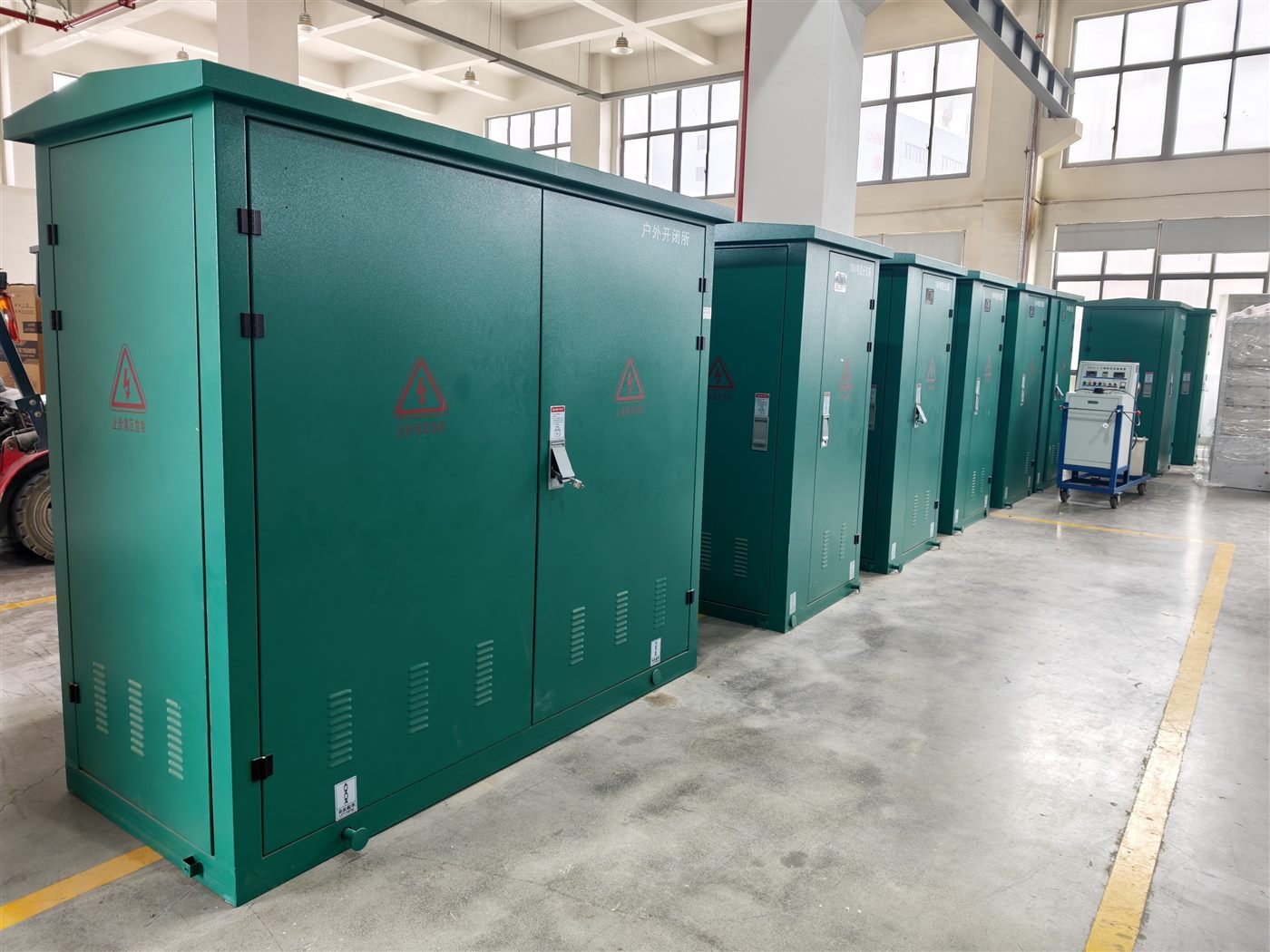
So the first question is not “what IP rating do you offer”, it is “where will the equipment stand”. A canopy beside the coast, a basement plant room, and a desert yard with blowing sand are three different specifications even when the single line diagram is identical.
The second question is who carries the risk after handover. If the rating is written into the contract as a performance figure, the enclosure has to keep it for the warranty period, not just pass a factory test on the day of dispatch.
What the Two Digits Actually Promise
The first digit covers fingers, tools and dust. The second covers dripping, spraying, jetting and immersion. A rating without a letter suffix says nothing about impact, corrosion or condensation.
| Common rating | What it typically means | Where it fits | Where it misleads |
|---|---|---|---|
| IP54 | Dust protected, splash from any direction | Indoor plant rooms, covered walkways | Coastal yards; splash is not driving rain |
| IP65 | Dust tight, water jets | Outdoor yards with a canopy | Jet test does not model standing water |
| IP66 | Dust tight, powerful jets | Exposed outdoor installations, washdown areas | Seals age; the number is a new-unit figure |
| IP67 | Dust tight, short immersion | Chambers and pits that flood | Immersion is static, not repeated cycling |
A higher second digit is not automatically better. An IP67 enclosure that traps moisture inside will corrode faster than an IP54 one that breathes, which is the same problem described in our anti-condensation guide.
One more point on the table: the rating is quoted for a new unit with the doors closed and the seals at their factory compression. Anything the installation does to that gap, in either direction, changes the real performance without changing the label.
5 Checks Before You Sign the Datasheet
- Match the rating to the location class, not to the competitor’s sheet. Write the site condition into the specification: driving rain, sand, salt fog, or washdown. The IP number follows from that.
- Confirm the enclosure material that carries the rating. Painted sheet steel, stainless steel and GRP do not hold the same rating for the same number of years outdoors.
- Ask how the doors and seals are specified. The rating is a property of the whole assembly. A gasketed door on a twisted frame leaks at the corner.
- Check the cable entries. Most water ingress starts at a gland, not at a weld. Entries need the correct gland size, a seal, and a downward slope.
- Confirm the rating survives the installation. A plinth that traps water, a door that opens into the rain, or a missing drain plug will defeat any number printed on the plate.
Checks two and five are the ones that get decided on site, and they follow from the foundation work in our outdoor foundation installation sequence. The material question is covered in more depth in the coastal corrosion protection notes.
Where Ratings Fail in Service
- Seal compression over time. Gaskets take a set. After two summers the door that passed the jet test no longer closes to the same gap.
- Condensation from thermal cycling. A sealed box that heats by day and cools at night accumulates water on the busbar side, whatever the second digit says.
- Cable entries left open. A spare way with a gland plate and no cable is an entry point, a point our cable branch box checks make explicit.
- Maintenance access. Doors opened for inspection and closed without reseating the gasket lose the rating quietly.
- Site modification. A vent cut for a heater, a hole drilled for a cable, and the plate still claims the original number.
None of these are manufacturing defects. They are the gap between a laboratory figure and a twenty-year installation, and they are why we prefer to discuss the site condition before the number, not after.
FAQ
Is a higher IP rating always better for outdoor switchgear?
No. A fully sealed enclosure in a humid climate holds water vapour inside. Ventilation and heaters matter as much as the second digit.
What IP rating should an outdoor ring main unit have?
IP54 is the usual minimum under a canopy, and IP65 or better for exposed yards. The location class decides, not the product family.
Does the IP rating cover corrosion?
No. Corrosion resistance comes from the material and the coating system. IP is about solids and water entry only.
Can the rating be upgraded on site?
Only by changing the enclosure, the seals and the entries. Adding a cover or taping a gland does not change the rating, and it usually makes the internal condensation worse.
How often should seals be inspected?
At every scheduled maintenance visit, and after any door has been open for work. A seal check takes minutes and prevents most of the water damage we see.
About Electric-GS
Electric-GS is an OEM/ODM switchgear factory in Yueqing, Zhejiang, China. We build ring main units, cable branch boxes, MV and LV switchgear and packaged substations, and we quote enclosure material and IP class from your site condition and single line diagram. Send the drawings to info@electric-gs.com or WhatsApp +86 135 8897 8050. English product pages are on electricgs.com, and Chinese technical notes on electric-cn.com.
4 thoughts