
Why Gas Insulated Switchgear Needs Careful Installation
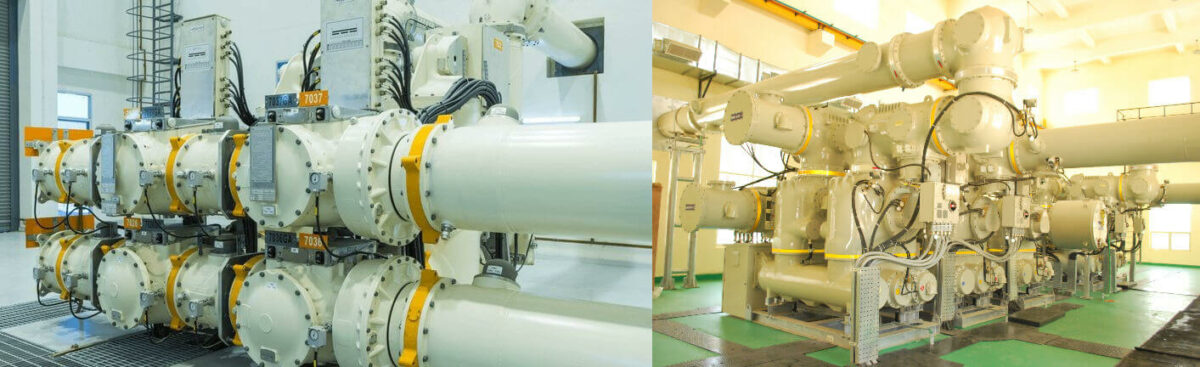
Gas insulated switchgear (GIS) is a compact, high-reliability medium and high voltage switchgear solution in which all live parts are enclosed in sealed compartments filled with SF6 gas. Its compact footprint makes GIS ideal for urban substations, industrial plants, and renewable energy projects where space is limited. However, the sealed gas design demands precise installation and commissioning procedures to ensure long-term leak-free operation and switching reliability.
This guide outlines the complete installation and commissioning workflow for GIS, from site preparation to final energization. For complete GIS product details, visit electricgs.com or our factory site at electric-cn.com.
GIS Installation Process Overview
- Site preparation: Verify foundation levelness, anchor bolt positions, and crane access before equipment delivery.
- Receiving and storage: Inspect shipping crates for damage, check gas pressure gauges, and store in a dry, vibration-free area.
- Bay positioning: Lift and position each GIS bay using certified rigging, aligning with the foundation layout drawing.
- Bay assembly: Connect busbar modules, breaker bays, and cable terminations following the manufacturer’s torque and alignment specifications.
- Gas handling: Evacuate compartments, fill with SF6 to rated pressure, and perform leak detection on all joints.
- Secondary wiring: Connect control cables, protection relays, and monitoring systems according to the wiring diagram.
- Testing: Perform dielectric, mechanical, and functional tests before commissioning.
- Energization: Complete synchronizing checks and energize under supervision of the commissioning engineer.
Critical Installation Checks Table
| Check Item | Acceptance Criteria | Method |
|---|---|---|
| Foundation levelness | +/- 1mm per meter | Laser level survey |
| SF6 gas pressure | Rated pressure at 20°C | Pressure gauge + temp correction |
| Leak rate | < 0.5% per year per compartment | Sniffer device / pressure decay |
| Bolt torque | Per manufacturer spec | Calibrated torque wrench |
| Insulation resistance | > 1 GOhm at 1kV | Megger on secondary circuits |
| Contact resistance | Within 20% of factory value | Micro-ohmmeter |
SF6 Gas Handling Best Practices
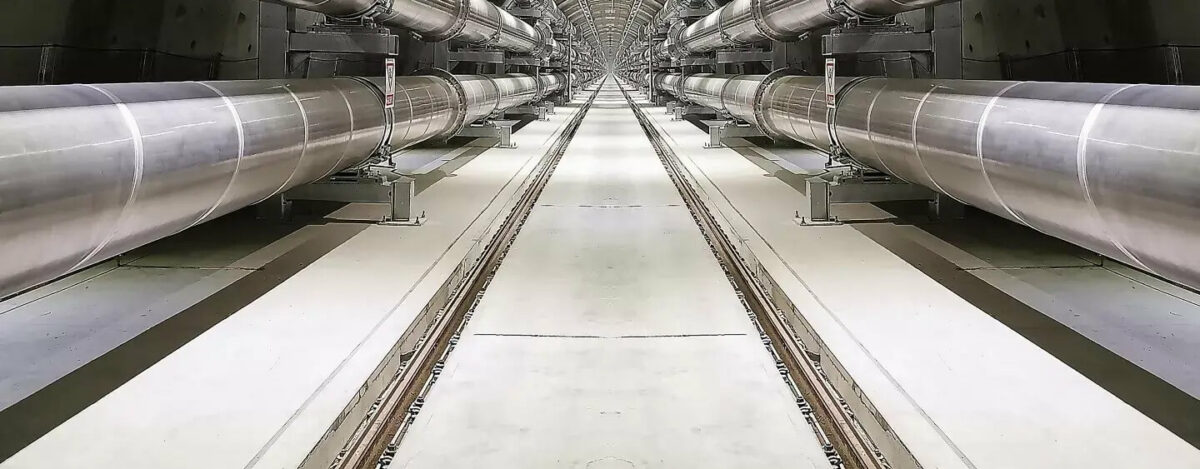
SF6 gas handling is a critical part of GIS installation. Always use dedicated SF6 filling carts and recovery equipment to maintain gas purity above 99.9%. During filling, evacuate the compartment to below 1 mbar before injecting gas, and wait for temperature stabilization before adjusting the final pressure. Record gas weight and compartment pressure in the commissioning log for future leak monitoring. Use leak detection spray or a calibrated sniffer on every flange joint, gas valve, and pressure switch connection.
Testing Before Energization
1. Dielectric Tests
Power frequency withstand tests at 80% of the factory test voltage confirm the insulation integrity of the assembled GIS. This test is performed after gas filling and before secondary wiring completion.
2. Mechanical Operation Tests
Each switching device undergoes 10-50 open/close operations at rated control voltage to verify mechanism performance, contact timing, and auxiliary switch operation.
3. Protection and Control Tests
Injection testing of protection relays, verification of interlock logic, and simulation of trip commands confirm the protection system responds correctly.
Frequently Asked Questions
Q1: How long does GIS installation take?
A typical medium voltage GIS bay installation takes 2-4 days including assembly, gas filling, and testing, depending on bay count and site conditions.
Q2: Can GIS be installed indoors and outdoors?
Yes, GIS can be installed in indoor substation buildings or outdoor enclosures with IP54 or higher protection and proper climate control for extreme environments.
Q3: What tools are required for GIS installation?
Certified lifting equipment, torque wrenches, SF6 filling cart, gas leak detector, megohmmeter, micro-ohmmeter, and standard electrical test instruments.
Q4: How do you detect SF6 leaks after installation?
Combined methods include sniffer devices, pressure decay monitoring over 24 hours, and infrared leak detection cameras for large substations.
Q5: Do you provide GIS installation supervision?
Yes, our engineers offer remote and on-site installation supervision and commissioning support for projects worldwide through our service network.
Common Installation Challenges and Solutions
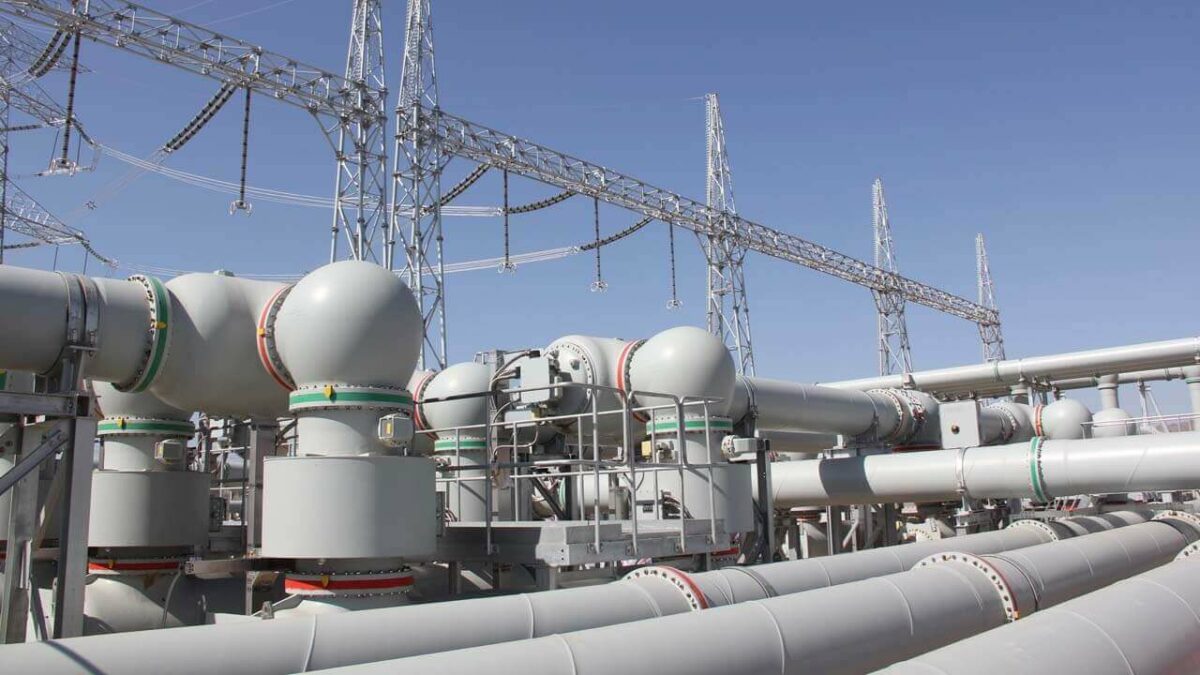
GIS installation projects face several recurring challenges. Foundation misalignment is among the most common, since the sealed busbar modules require precise millimeter-level alignment between bays. Contractors should verify foundation tolerances with a laser level before equipment arrival and use adjustable supports where needed. Crane access is another frequent issue: the compact design of GIS means bays are heavy relative to their footprint, so lifting plans must confirm the crane’s rated capacity at the required radius. On congested urban sites, modular assembly using smaller shipping units can solve access problems. Contamination control during field assembly is critical, because particles entering the gas compartment can reduce dielectric strength. Work areas should be enclosed, filtered, and maintained under positive pressure whenever the compartments are open.
Commissioning Documentation
Complete commissioning documentation is essential for asset management and warranty claims. The commissioning report should include: gas compartment pressures and weights with temperature correction; leak test results for every joint; torque records for all bolted connections; test certificates for dielectric and mechanical tests; protection relay settings and injection test results; and as-built drawings reflecting any field modifications. Operators should also archive the gas handling log showing evacuation and filling records, plus photographs of the installation at key stages. This documentation becomes the baseline for future condition monitoring and maintenance planning.
About Electric-GS Manufacturer
Electric-GS is a professional electrical power equipment manufacturer based in Liushi, Yueqing, Zhejiang, China, with over 15 years of OEM/ODM experience serving global power equipment distributors and EPC contractors. We supply medium and low voltage switchgear, RMUs, circuit breakers, transformers, and solar balance of system products with full type test reports.
Contact us for quotations and custom design support: Email info@electric-gs.com, WhatsApp: +86 135 8897 8050.
3 thoughts