What Is a Compact Substation?
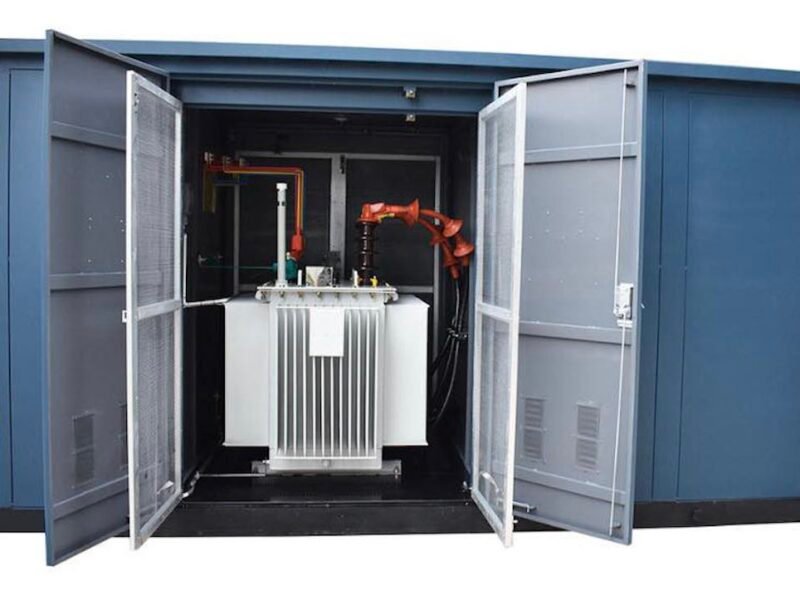
A compact substation is a prefabricated power distribution unit. It combines a transformer, medium voltage switchgear, low voltage panel, metering and protection into one enclosure. The whole unit arrives factory-tested and ready to connect. You only need a concrete pad, cable connections and a commissioning check.
Compact substations are widely used in urban distribution, industrial plants, solar farms, mining sites and remote areas. They replace traditional brick substations that need months of civil work. Because everything is pre-assembled, the compact substation cuts installation time from months to days.

This guide explains the main compact substation types, key components, selection criteria and 2026 cost factors. It also answers the most common questions buyers ask before placing an order.
6 Main Types of Compact Substations
Different projects need different layouts. Here are the six most common compact substation types on the market today.
| Type | Typical Voltage | Capacity Range | Best Application |
|---|---|---|---|
| American (pad-mounted) | 12kV / 24kV | 100-2500 kVA | US-style underground distribution |
| European walk-in | 11kV / 33kV | 200-3150 kVA | Utility and industrial sites |
| Compact box type | 0.4kV / 12kV | 50-630 kVA | Urban streets, small buildings |
| Skid-mounted | 33kV / 40.5kV | Up to 5000 kVA | Temporary and mobile power |
| Solar / PV type | 12kV / 35kV | 1000-5000 kVA | PV plants with inverter rooms |
| Underground type | 12kV | 100-1250 kVA | Dense urban areas, landscaping |
American vs European Compact Substation. American type substations are pad-mounted with front access. They suit loop and radial underground systems. European type substations are walk-in units with full-height cabinets. They give more room for maintenance and are common in IEC markets. Choose based on your local standard and site layout.
Key Components of a Compact Substation
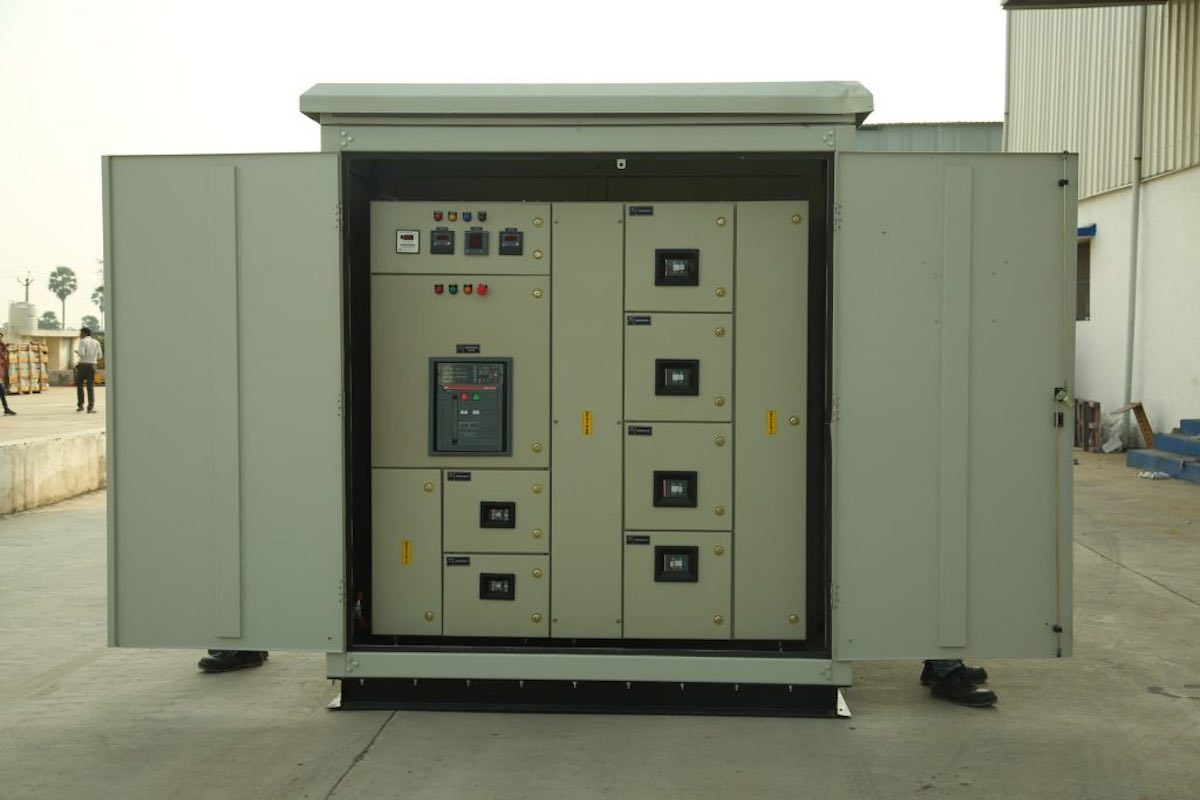
A quality compact substation contains five main parts. Each part must be rated and tested for the application.
- MV switchgear or ring main unit: protects the transformer primary side. Options include SF6, solid insulated and air insulated units.
- Distribution transformer: steps down 11kV, 24kV or 33kV to 400V. Dry type or oil immersed, depending on the site.
- Low voltage panel / MDB: distributes power to outgoing feeders with molded case circuit breakers.
- Protection and metering: relays, CTs, PTs and energy meters for safe and accurate operation.
- Enclosure and auxiliaries: steel shelter, cooling fans, earthing system, lighting and fire protection.
The transformer is the heart of the unit. For indoor and sensitive sites, choose a dry type transformer. For lower cost and outdoor use, oil immersed is still a reliable option.
Benefits of a Compact Substation
- Space saving: reduces footprint by about 60-70 percent compared to a conventional substation building.
- Fast installation: factory assembled and tested, ready in days instead of months.
- Lower total cost: less civil work, less cabling and fewer site labor hours.
- Built-in safety: sealed enclosures keep live parts protected from weather and public access.
- Easy relocation: skid-mounted and compact units can be moved when the project site changes.
- Scalable design: add units in parallel when load grows.
How to Select the Right Compact Substation
Check Voltage and Capacity First. Confirm the primary voltage, secondary voltage and total kVA. Include a 20-30 percent margin for future load growth. Oversized units waste money; undersized units fail early.
Match Switchgear to the Network. Ring main units are the standard for loop networks. For heavy industrial loads, consider a vacuum circuit breaker for medium voltage substations. GIS based units give the smallest footprint; 40.5kV GIS switchgear is a proven choice for high density sites.
Consider Site and Climate. Check ambient temperature, humidity, altitude and pollution level. Coastal and desert sites need stronger corrosion protection and better cooling.
Check Standards and Testing. Make sure the unit meets IEC 62271, IEC 60076 and your local grid code. Ask for type test reports, routine test certificates and a factory inspection before shipment.
Plan the Earthing System. Good earthing is critical for personnel safety. Follow the substation earthing design steps and verify the resistance value before energizing.
Compact Substation Cost Factors in 2026
Price changes with specifications. The main cost drivers are listed below.
- Transformer size: bigger kVA means a bigger and more expensive transformer.
- Switchgear type: solid insulated and GIS units cost more than air insulated.
- Enclosure material: stainless steel and galvanized steel cost more than cold rolled steel.
- Auxiliaries: cooling, fire suppression, SCADA and remote monitoring add to the price.
- Certification and testing: type tests and third-party inspections increase cost but protect your project.
On the LV side, the main distribution board design also affects the final quote. Ask the manufacturer for a full BOM based quotation before comparing suppliers.

Frequently Asked Questions
Q1: What is a compact substation used for?
It is used to step down medium voltage to low voltage at the point of use. Typical applications include urban distribution, factories, shopping malls, solar plants and mining camps.
Q2: What is the difference between American and European type?
American type is pad-mounted with front access and suits US underground systems. European type is a walk-in cabinet unit with more room for maintenance and suits IEC markets.
Q3: What is inside a compact substation?
The main parts are MV switchgear, a distribution transformer, LV panel, protection relays, metering, cooling and the enclosure.
Q4: How long does installation take?
On a prepared pad, a compact substation can be installed and energized in 2 to 5 days. This is much faster than a traditional brick substation.
Q5: What is the service life of a compact substation?
With normal maintenance, a well-built compact substation lasts 25 to 30 years. Replaceable components such as fans and relays extend the practical life.
Q6: Can I get an OEM or customized compact substation?
Yes. Most Yueqing manufacturers, including Electric-GS, provide OEM and ODM services. You can specify voltage, capacity, enclosure color, switchgear brand and metering scheme.
About Electric-GS
Electric-GS is a professional OEM and ODM manufacturer based in Yueqing, China. We produce compact substations, RMU, GIS, vacuum circuit breakers, switchgear panels and solar power equipment. Every unit is factory tested before delivery. Email us at info@electric-gs.com or send a message on WhatsApp at +86 135 8897 8050 for a quotation. You can also browse our product range or visit our Chinese resource site electric-cn.com for technical articles.