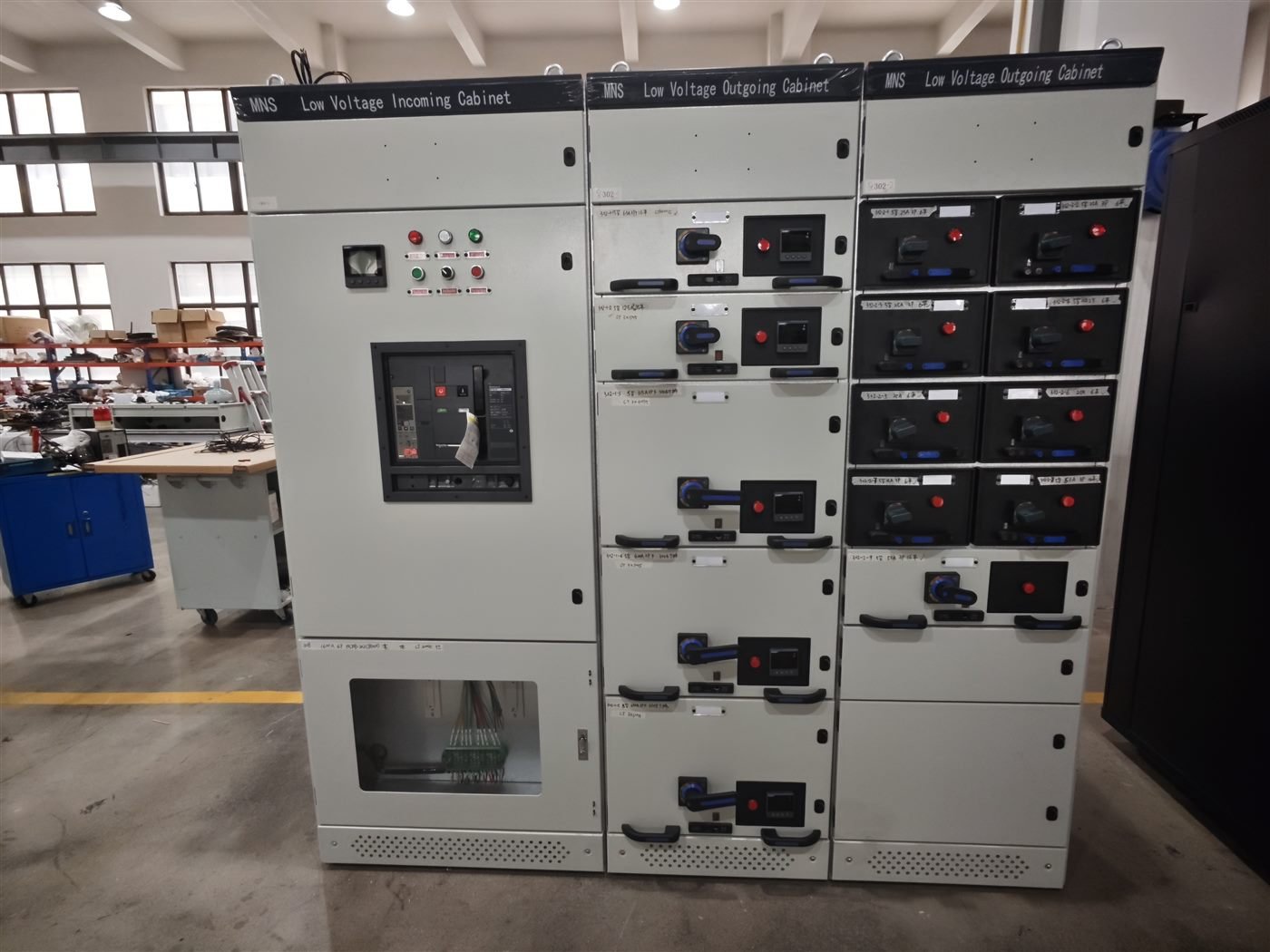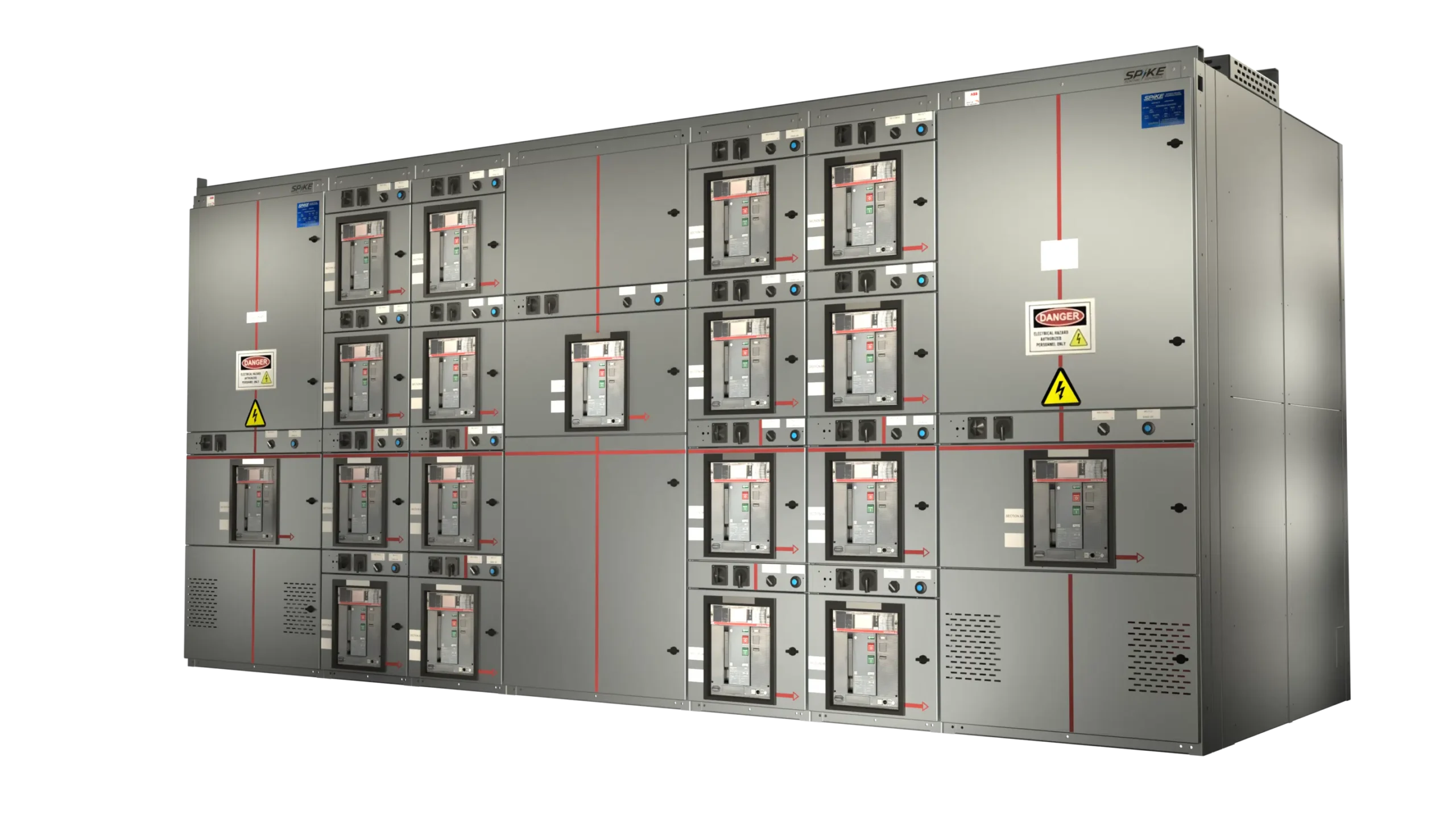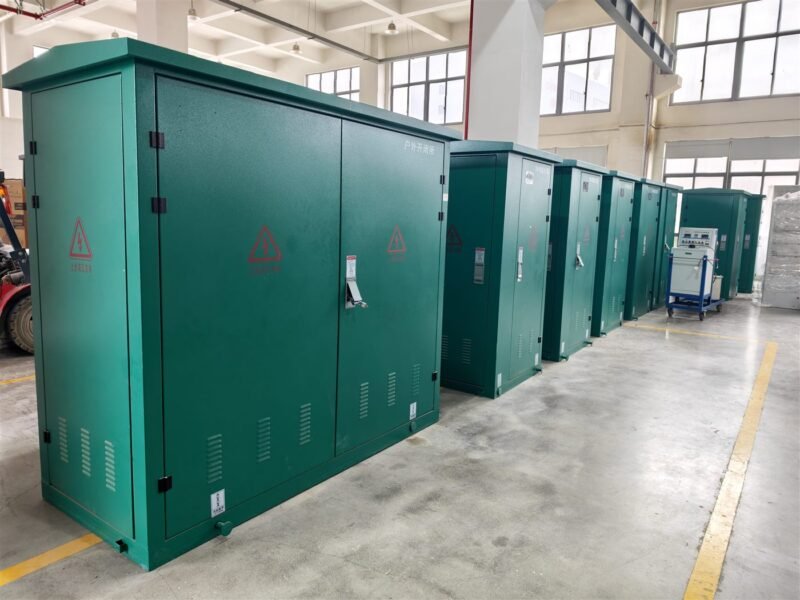
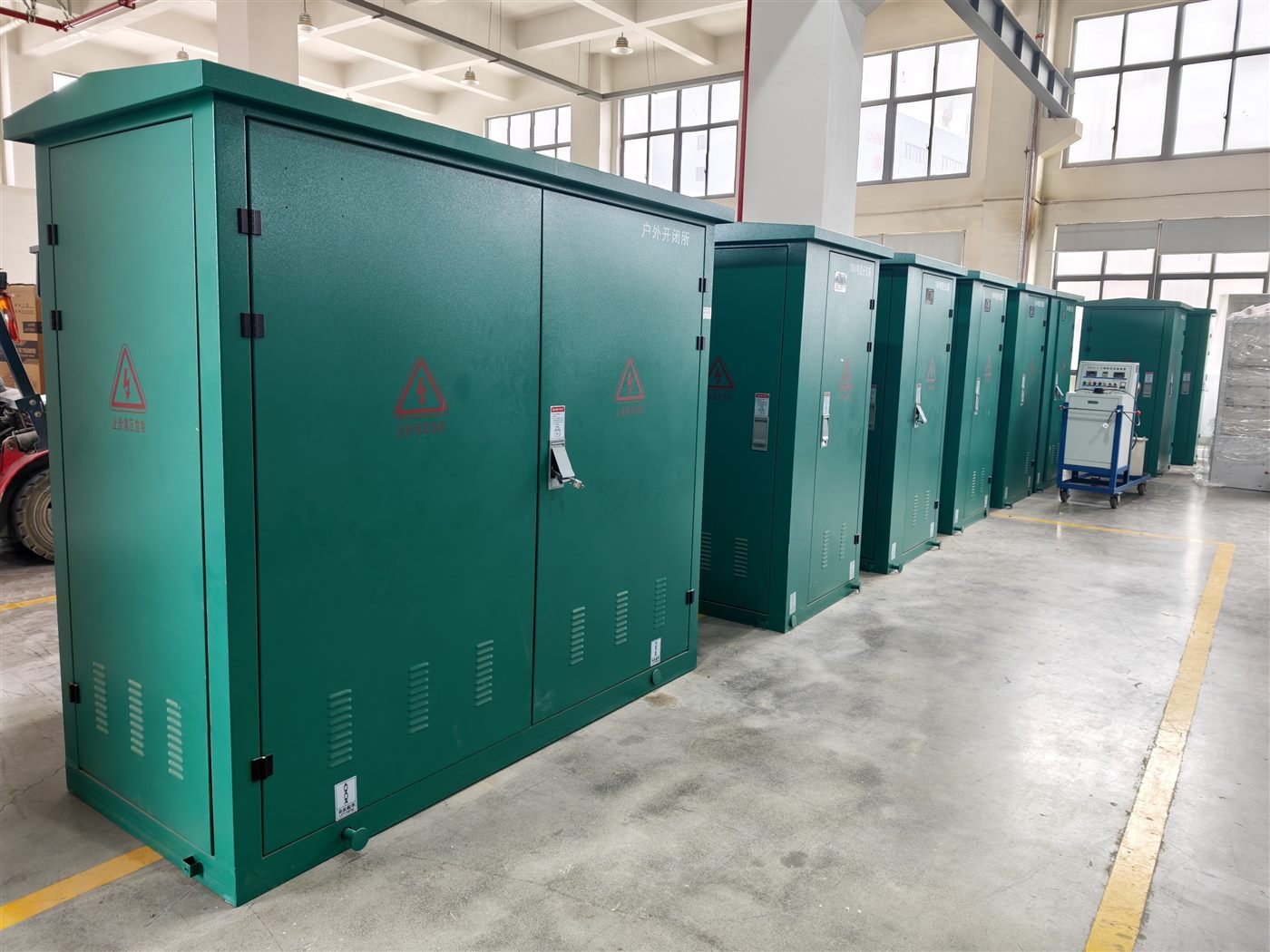
A switchgear cubicle is tested in the factory and still fills with water at site. The gaskets are new, the door seals are tight, and the water arrives through the cable entries.
Cable gland selection is usually left to the installer, and that is where a sealed IP54 panel turns into an IP20 box. These six checks settle most of the argument before the cable is pulled.
What a Cable Gland Actually Does
A cable gland does three jobs at once. It holds the cable mechanically so the conductor does not pull on the terminal, it seals the opening against dust and water, and on armoured cable it bonds the armour to the enclosure for earthing.
Each job belongs to a different part of the gland: the clamping cage, the sealing ring and the armour ring. A gland that is excellent at one job can be weak at another. That is why the selection has to start from the cable, not from a stock list.
| Gland type | Typical use | Sealing | Watch point |
|---|---|---|---|
| Nylon / plastic | Small control and signal cables | IP68 with a proper seal | UV and heat ageing outdoors |
| Nickel-plated brass | General MV and LV power cable | IP66 to IP68 | Must match the cable OD range exactly |
| Stainless steel | Coastal, chemical and washdown sites | IP66 to IP68 | Cost, and galvanic pairing with the enclosure |
| Double compression | Armoured cable with heavy vibration | IP66 to IP68 | Longer body, needs more entry space |
| Ex-rated (Ex d / Ex e) | Hazardous area installations | Certified for the zone | Certificate must match the enclosure marking |
Two entries deserve separate attention in any panel: the main incoming cable, which is large and stiff, and the small control cables, which are often the ones left with a loose gland and an open seal.
6 Checks Before You Order Glands
- Measure the cable, not the conductor size. Glands are selected by cable outer diameter range. Two cables with the same 95 mm2 conductor can differ by several millimetres in OD, and a gland sized from the cross section alone will seal badly.
- Match the IP target of the enclosure. A panel rated IP54 cannot be sealed by an IP54 gland with a cable that is outside its range. The gland, the cable and the entry hole form one system, and this is the same logic we apply in our IP rating checks.
- Decide how the armour will be earthed. Armoured cable needs an armour ring that makes a reliable bond to the enclosure. Without it the screen floats, and the entry becomes a path for fault current through the seal instead of the armour.
- Pick the material for the site, not for the catalogue. Nickel-plated brass is the default. Coastal and chemical sites need stainless steel, and mixed metal pairs need a check for galvanic corrosion, which we cover in the corrosion protection notes.
- Confirm the thread standard and the hole size. Metric, PG and NPT glands are not interchangeable, and a gland that is one size off will either not thread in or leave a gap at the entry. Confirm both the thread and the drilled hole before the sheet metal is cut.
- Check the space behind the gland. Double compression and large armour glands need 40 to 60 mm of clear space inside the cubicle. A gland that fits the hole but collides with the busbar or the terminal block is a redesign at the wiring stage, and the same clearance review appears in the termination sequence.
The cable itself is the other half of the answer. If the cable OD range, the bending radius and the termination kit are not settled first, the gland choice will be corrected twice; the sizing rules are set out in our MV cable sizing guide.
Where Cable Entry Fails on Site
- Seal ring on the wrong cable. A gland rated for 18 to 25 mm holding a 15 mm cable has nothing to compress, and the seal leaks from day one.
- Over-tightening. The sealing ring is deformed past its range, the thread strips, and the entry is now both loose and cracked.
- Unused entries left open. Every spare hole needs a blanking plug with the same IP rating as the gland; a plastic bag and tape is not a seal.
- Gland plate corrosion. A painted gland plate with a stainless gland creates a small galvanic cell, and the plate rusts through in two or three wet seasons.
Most of these faults appear only after the first heavy rain, which is the worst possible moment to find them. A five minute check at the wiring stage costs far less than a site visit.
FAQ
Can one gland size cover several cable sizes?
Usually two or three neighbouring sizes, because each gland has an OD range. Outside that range the seal cannot compress correctly, so a second gland size is needed.
Is a plastic gland acceptable outdoors?
Only if it is rated for UV exposure and the temperature range of the site. In strong sun and high heat, nylon glands age and crack within a few years.
Does the gland have to match the enclosure IP exactly?
It must be at least equal, with the cable inside its sealed range. A higher gland rating does not rescue a cable that is too small for the seal.
How are spare cable entries handled?
With blanking plugs of the same material and rating as the gland. Tape, silicone or a spare gland body without a cable is not a closure.
When is an Ex-rated gland required?
Whenever the enclosure carries an Ex marking for a hazardous zone. The gland certificate and the enclosure certificate must both cover the same zone and gas group.
About Electric-GS
Electric-GS is an OEM/ODM switchgear factory in Yueqing, Zhejiang, China. We build MV and LV switchgear, ring main units, PT cabinets and packaged substations, and we specify cable entry, gland type and IP target together with the panel layout. Send your cable schedule and site conditions to info@electric-gs.com or WhatsApp +86 135 8897 8050. English site: electricgs.com. Chinese notes: electric-cn.com.