What Is a Disconnector Switch
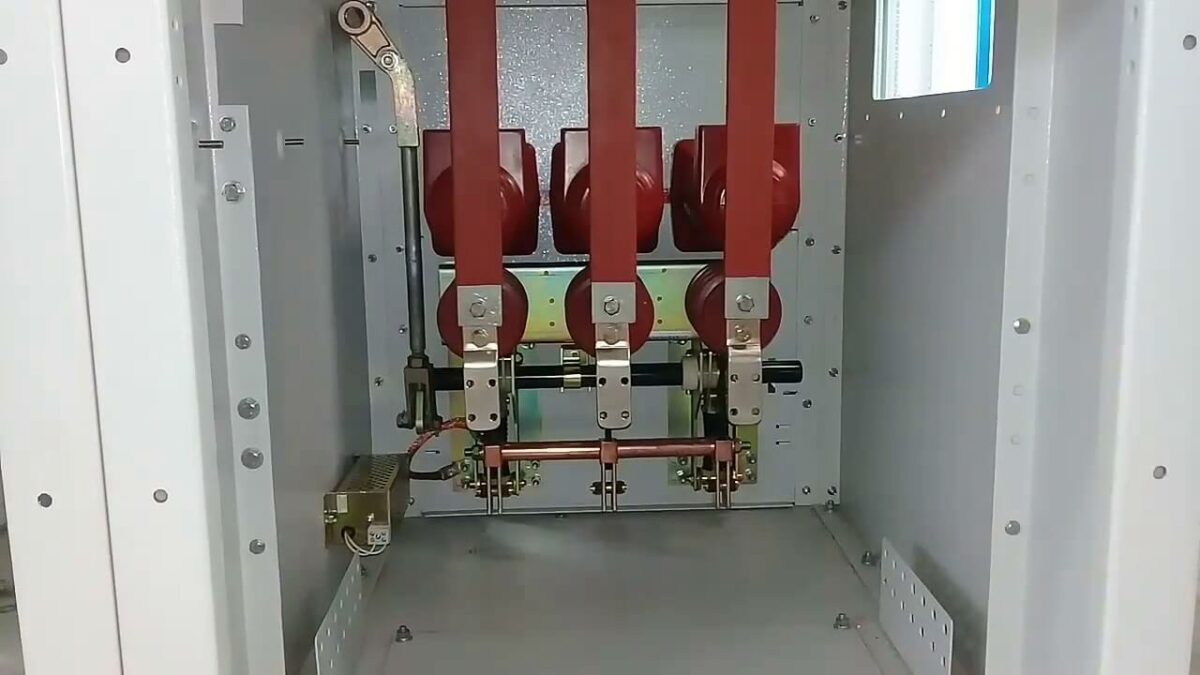
A disconnector switch, also called an isolator, is a mechanical switching device used in medium voltage switchgear. Its main job is to isolate a circuit from the live supply so that maintenance and testing can be done safely. It creates a visible isolation gap in the circuit.
A disconnector does not make or break load current. It can only be operated when the circuit is already de-energised, normally after a circuit breaker has opened. This is a key safety rule for every isolator.
The visible gap is an important feature. A technician can see the open contacts, which proves that the circuit is truly disconnected before work starts. This is why an isolator is used together with a circuit breaker, and never as a substitute for it.
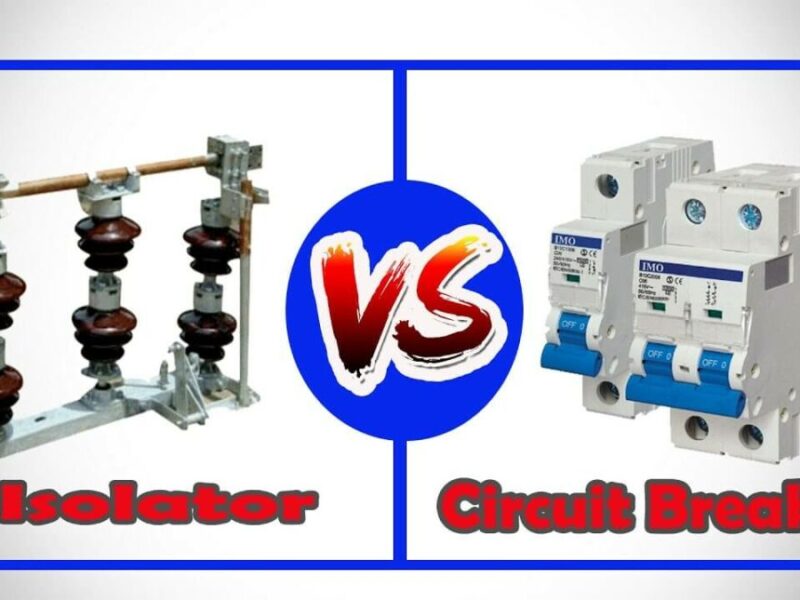
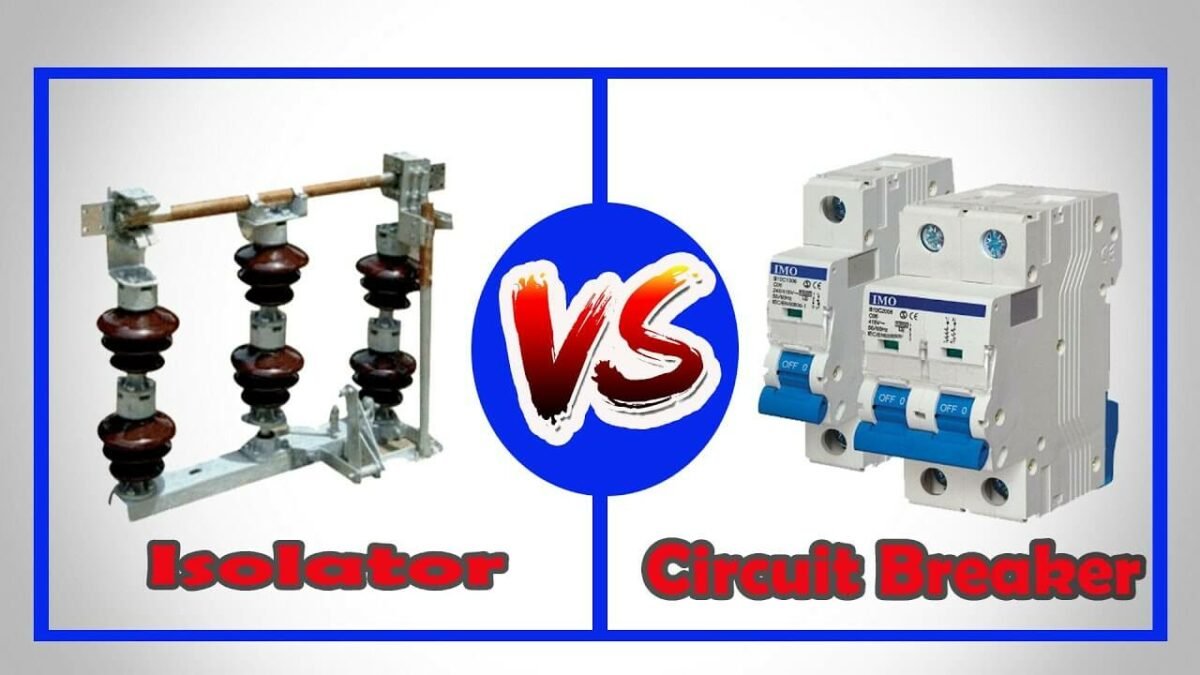
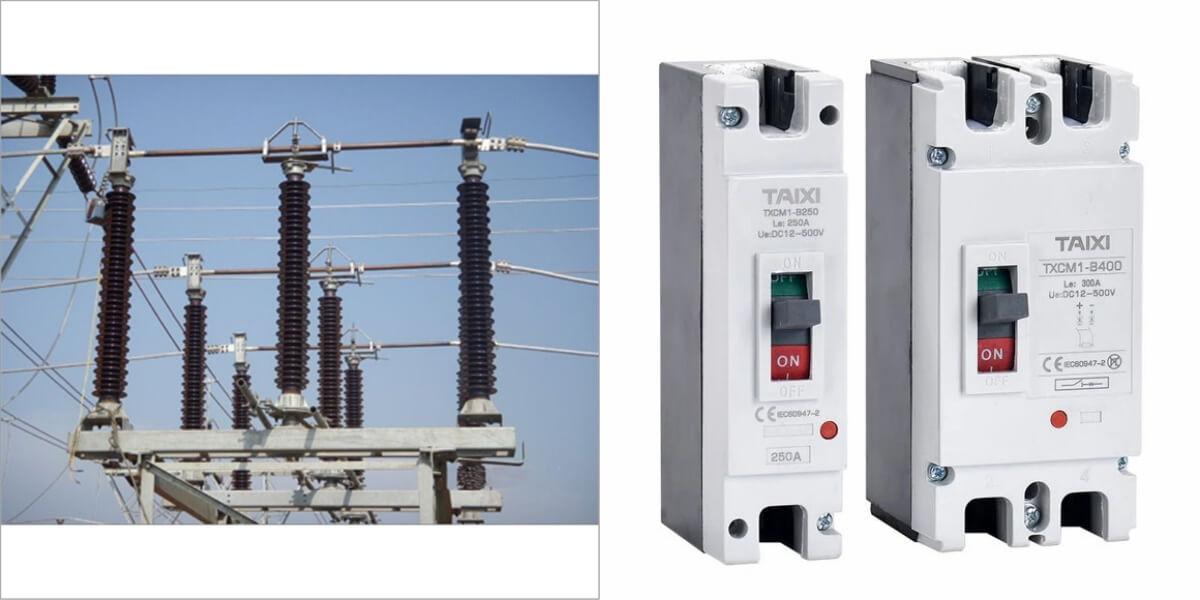
Disconnector vs Circuit Breaker
| Feature | Disconnector (Isolator) | Circuit Breaker |
|---|---|---|
| Main function | Isolation only | Break and make current |
| Operates under load | No | Yes |
| Visible gap | Yes | No |
| Arc quenching | No | Yes |
| Use | Maintenance isolation | Fault and load switching |
The disconnector is always used together with a circuit breaker or load switch. The breaker handles switching, while the disconnector guarantees a safe, visible break for maintenance. The two devices are interlocked so that the correct operating sequence is always followed.
Types of Disconnector Switches
- Rotary / knife type — simple blades that rotate to open or close the circuit.
- Pantograph type — used in high voltage substations for compact busbar connection.
- Single break and double break — based on the number of breaking points.
- With earthing switch — combined isolator and earthing switch in one unit.
- Indoor and outdoor types — selected by the installation environment.
Indoor isolators are built into switchgear panels and are usually smaller. Outdoor isolators stand on their own supporting frames and are exposed to weather, so they need stronger insulation and sealing. The choice depends on the application and the space available.
Ratings and Specifications
When you select a disconnector, check the rated voltage, rated current, short circuit withstand current, and short time withstand duration. The rated short circuit withstand current is the level of fault current the isolator can pass without damage.
- Rated voltage — 12 kV, 24 kV, 33 kV, 40.5 kV for MV networks.
- Rated normal current — 630 A to 4000 A depending on the panel.
- Short circuit withstand — for example 25 kA / 3 s or 31.5 kA / 4 s.
- Peak withstand current — the momentary current the device can carry.
The short time withstand current is the most critical rating for a disconnector. During a fault, the device must carry the full fault current for a few seconds until the breaker clears it. If the rating is too low, the contacts can weld or melt.
How to Select a Disconnector Switch
- Match the rated voltage to the system voltage level.
- Check the rated normal current covers the maximum load.
- Verify the short circuit withstand current exceeds the system fault level.
- Choose indoor or outdoor construction for the environment.
- Confirm the operating mechanism, manual or motorised.
- Add an earthing switch when maintenance safety is a priority.
- Check the clearance and mounting space in the switchgear panel.
For new switchgear projects, confirm the disconnector ratings with the panel designer before ordering. The isolator, breaker, and busbar must all have matching current and short circuit ratings.
Always coordinate the disconnector with the switchgear panel and the protection scheme. The ratings must match the connected circuit breaker and busbar. For panels with motorised isolators, confirm the control voltage and the remote operating logic.
Operating and Safety Rules
- Never open a disconnector while the circuit is carrying load.
- Interlock the isolator with the circuit breaker so it cannot be operated under load.
- Follow the correct sequence: open breaker, then open disconnector.
- Earth the circuit before maintenance work.
- Inspect contacts and insulators during routine maintenance.
Safety interlocks are mandatory. They prevent the operator from opening the isolator under load or closing it before earthing. Most MV switchgear panels include a mechanical interlock between the breaker, the disconnector, and the earthing switch.
Common Mistakes to Avoid
The most common mistake is operating a disconnector under load, which causes a dangerous arc. The second is ignoring the short circuit withstand rating, which can destroy the device during a fault. The third is skipping the safety interlock between the breaker and the isolator.
Another common error is using the disconnector as a normal switch. Because it has no arc quenching ability, any attempt to open it under load creates an intense arc that can seriously injure the operator and damage the panel. The interlock system exists to prevent exactly this situation.
Always verify the interlock logic and the operating sequence before energising a new panel.
FAQ
What is the difference between a disconnector and a circuit breaker?
A disconnector only isolates a circuit without load; a circuit breaker makes and breaks current under load and during faults.
Can a disconnector break load current?
No. A disconnector must be operated only when the circuit is de-energised.
What does a disconnector with earthing switch do?
It combines isolation and earthing in one unit, allowing safe maintenance of the isolated section.
What are typical disconnector ratings?
Typical MV ratings are 12 kV to 40.5 kV, 630 A to 4000 A, and short circuit withstand up to 31.5 kA.
Where is a disconnector used?
It is used in MV switchgear panels and substations to isolate circuits for maintenance and testing.
Does Electric-GS supply disconnector switches?
Yes. Electric-GS supplies disconnectors, earthing switches, and complete MV switchgear with type tests and OEM support.
Electric-GS — Your Medium Voltage Switchgear OEM Partner. Electric-GS is a manufacturer based in Yueqing, China, supplying MV switchgear, disconnector switches, ring main units, and transformers. Our factory supports OEM and ODM projects with type tests and reliable delivery.
Contact us for a tailored quotation: email info@electric-gs.com or WhatsApp +86 135 8897 8050.
medium voltage switchgear buying guide
MV switchgear maintenance plan
33kV ring main unit buying guide
One thought