
A medium voltage protection relay is the brain of your switchgear. It monitors current, voltage and frequency, detects faults, and sends a trip signal to the circuit breaker within milliseconds. Without a correct protection relay, a simple fault can damage transformers, cables and entire panels. This guide explains the main types, functions, settings and coordination principles so you can select and set relays with confidence.
Medium Voltage Protection Relay: Why It Matters
Protection relays protect equipment and people. They compare live measurements against preset thresholds and act when a fault appears. A fast and selective relay isolates only the faulty section, so the rest of the network keeps running.
Modern relays are digital. They combine measurement, protection, control and communication in one device. This makes them accurate, easy to set and simple to monitor. The functions you choose depend on the equipment you protect. For a complete view of the switchgear these relays control, review the medium voltage vacuum circuit breaker ratings guide.
- Fast fault detection and tripping.
- Selective isolation of the faulty section.
- Digital measurement and event recording.
- Remote monitoring and communication.
Protection relays are sized and set during the design stage. Engineers calculate short-circuit levels, choose the relay functions and build a coordination study. The result is a protection scheme that clears faults quickly without tripping healthy feeders. A well-designed scheme reduces damage, downtime and maintenance cost over the whole life of the switchgear.
Types of Protection Relays
Different relays protect different faults. Here are the five common types you will meet in MV networks.
Overcurrent Relay
An overcurrent relay trips when current rises above a set level. It is the basic protection for feeders, motors and transformers.
Earth Fault Relay
An earth fault relay detects leakage current to ground. It is essential for safety and for detecting insulation damage.
Differential Relay
A differential relay compares current at two points of a transformer or busbar. It gives fast, sensitive protection against internal faults.
Distance Relay
A distance relay measures impedance to locate a fault along a line. It is used mainly for transmission and long distribution lines.
Under/Over Voltage Relay
These relays monitor voltage levels and protect motors and sensitive loads from abnormal supply conditions.
Relay Functions You Should Know
Beyond basic protection, modern protection relay devices include useful functions for daily operation.
- Instantaneous and time-delayed overcurrent.
- Directional overcurrent for parallel feeders.
- Undervoltage, overvoltage and frequency protection.
- Breaker failure protection and reclosure.
- Event recording and fault diagnosis.
Modern relays also store event and waveform records. These records help engineers find the cause of a trip and confirm correct operation. Trend data and alarm logs make preventive maintenance easier. With communication protocols such as Modbus and IEC 61850, operators can read relay status remotely from a control room.
Choose functions that match your network, not the full option list. Too many unused functions add cost and complexity. Before you finalize, check how the relay reads signals from the current and voltage transformers it depends on.
Relay Settings and Coordination
Coordination means each relay operates only for faults in its own zone. You set time and current curves so the relay closest to the fault trips first, and backup relays act only if the primary fails.
- Set the pick-up current above the normal load.
- Choose a time delay that allows the downstream relay to act first.
- Check the margin between upstream and downstream curves.
- Verify settings against the medium voltage disconnector switch and breaker operating times.
Good coordination reduces unnecessary outages and keeps the network stable. Always document your settings and review them when the network changes.
Here is a quick reference of the five types.
| Relay | Protects | Speed | Typical Use |
|---|---|---|---|
| Overcurrent | Feeders, motors | Fast / delayed | Distribution networks |
| Earth fault | Insulation, safety | Fast | All MV feeders |
| Differential | Transformer, busbar | Very fast | Power transformers |
| Distance | Transmission lines | Zone based | Long lines |
| Voltage | Motors, loads | Time based | Motor protection |
How to Select the Right Protection Relay
Follow these steps to choose the right protection relay for your project.
- Define the equipment and zone you need to protect.
- List the fault types and required functions.
- Check the CT ratio, voltage and auxiliary supply.
- Confirm the relay meets relevant standards.
- Consider communication, monitoring and future expansion.
- Compare total cost of ownership, not just the price.
For a switchgear project, match the relay to the breaker and panel design. Our medium voltage switchgear maintenance plan also covers the periodic checks that keep relays accurate. For full product documentation, visit electricgs.com or the Chinese portal at electric-cn.com.

Testing and Commissioning Tips
Relays must be tested before they go into service and checked during maintenance.
- Inject primary or secondary current to verify the pick-up.
- Test the trip time against the set curve.
- Check trip and alarm contacts with the breaker open.
- Verify settings match the approved coordination study.
- Record test results and compare them over time.
A routine test schedule catches drift before it causes a nuisance trip. Compare each test with the previous result and with the manufacturer specification. Any relay that fails the test should be repaired or replaced, not returned to service. Keep the relay settings file backed up so it can be restored quickly after replacement.
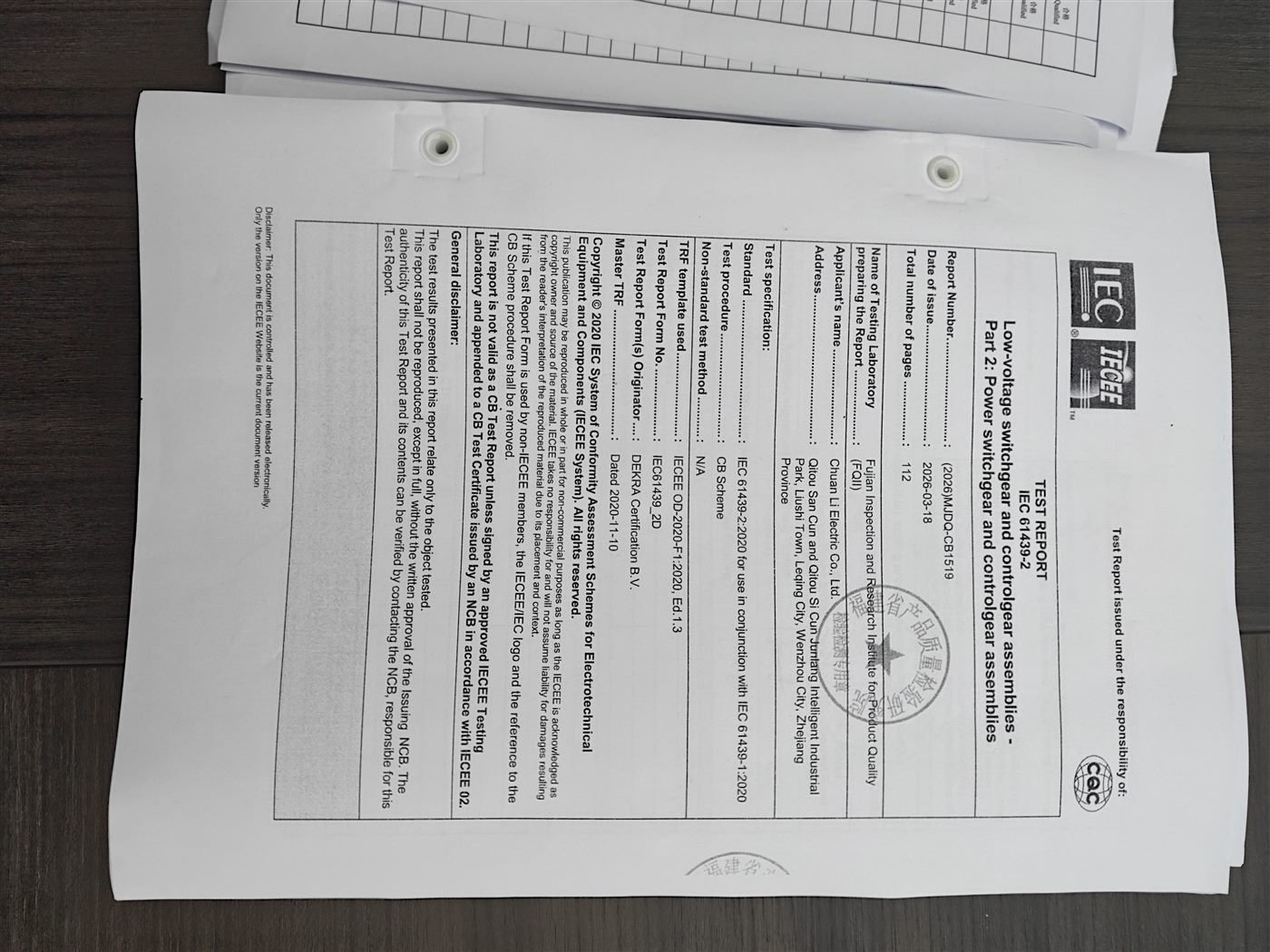
Commissioning with an IEC test report and proper records gives you confidence in every panel.
Frequently Asked Questions
What does a medium voltage protection relay do?
It monitors current, voltage and frequency, detects faults, and trips the circuit breaker to isolate the faulty section quickly.
Which protection relay is used for transformers?
Differential and overcurrent relays are common for transformer protection. The differential relay provides fast internal fault protection.
What is relay coordination?
It is the process of setting time and current curves so only the relay nearest a fault trips first, while backup relays wait.
Can one digital relay replace several relays?
Yes. A modern digital protection relay can include overcurrent, earth fault, voltage and other functions in one device.
How often should relays be tested?
Test relays during commissioning and then as part of the switchgear maintenance schedule, usually every few years.
Do protection relays need a DC supply?
Most do. A reliable DC auxiliary supply powers the relay electronics and the trip circuit, so the supply must be stable.
About Electric-GS
Electric-GS is a professional switchgear manufacturer based in Yueqing, China. We offer OEM and ODM services for ring main units, medium voltage switchgear, vacuum circuit breakers, transformers, protection and control equipment, with strict quality control and global export experience. Contact us at info@electric-gs.com or WhatsApp +86 135 8897 8050 for a fast quotation.