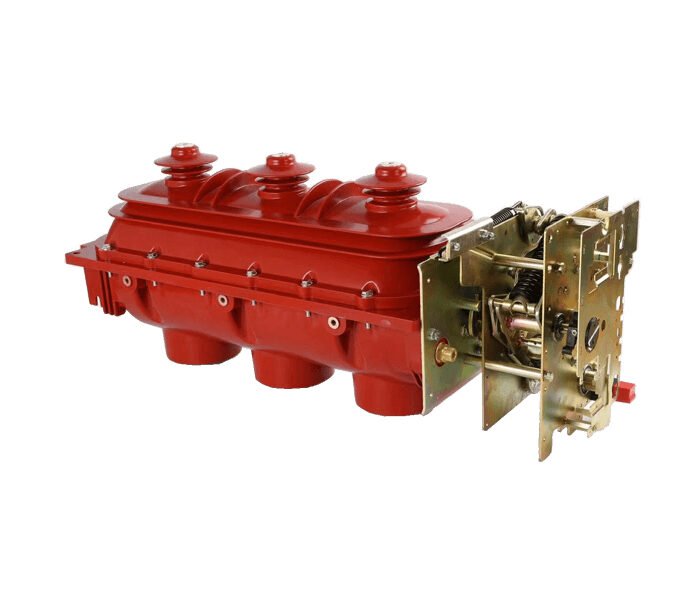
A load break switch is a key device in medium voltage distribution. It switches load current on and off and provides a visible isolation point, all in one compact unit. Distribution engineers use it to energise and de-energise transformers, motors and feeders without a full circuit breaker. This guide explains what a load break switch is, how to size it, and where to use it.
Load break switches sit between a disconnector and a circuit breaker in capability and cost. They handle the daily switching work of a network, while breakers stay ready for rare faults. Choosing the right unit lowers cost, simplifies maintenance, and keeps the network safe. The guidance below helps you compare ratings and pick a proven design.
What Is a Load Break Switch?
A load break switch makes and breaks currents under normal load conditions. It can also withstand a short-circuit current without damage while closed. Unlike a disconnector, it can interrupt the load current of a feeder. Unlike a circuit breaker, it cannot clear a fault. Its role is routine switching, not fault clearing.
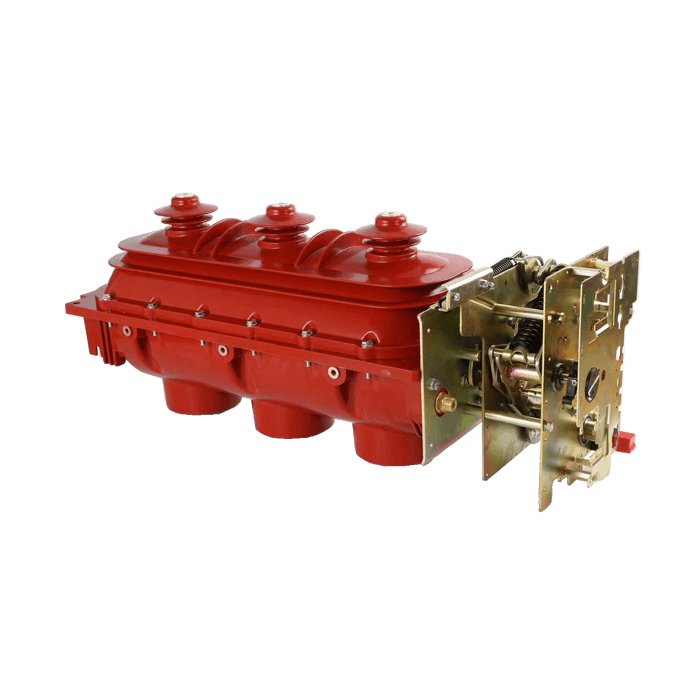
Most MV load break switches are three-position devices: closed, open, and earthed. The earth position lets technicians work safely on the downstream side. This makes the unit ideal for ring main units and compact substations.
The switch interrupts current with an arc-extinguishing medium. SF6 units quench the arc in sealed gas, which gives high performance in a small footprint. Air units use a simple open break and need more room. Both designs offer clear visual confirmation of the contact position, which is essential for a safe permit-to-work.
Load Break Switch vs Disconnector vs Circuit Breaker
These three devices look alike but do different jobs. The table below summarises the difference.
| Feature | Load Break Switch | Disconnector | Circuit Breaker |
|---|---|---|---|
| Breaks load current | Yes | No | Yes |
| Clears faults | No | No | Yes |
| Visible isolation | Yes | Yes | No |
| Best use | Routine switching | Isolation only | Fault protection |
For a closer look at the isolating device, see our disconnector switch guide.
7 Key Ratings to Check Before You Buy
Every load break switch has a nameplate. Check these seven ratings before you order.
- Rated voltage. Match the system voltage, usually 12 kV or 24 kV. A lower rating than the network voltage is unsafe and will fail the type test.
- Rated current. The continuous current, commonly 630 A or 1250 A. Size it above the maximum feeder load with margin for future growth.
- Breaking capacity. The maximum load current the switch can open safely. It must cover the normal switching duty of the feeder.
- Short-circuit withstand. The fault current, e.g. 20 kA for 3 s, that the closed switch survives without damage.
- Making capacity. The peak current the switch can close onto without damage. This protects the operator during a closing operation.
- Insulation level. Impulse and power-frequency withstand voltages. These confirm the switch meets the insulation coordination of the network.
- Number of operations. The mechanical and electrical endurance before maintenance. Check it matches your switching frequency.
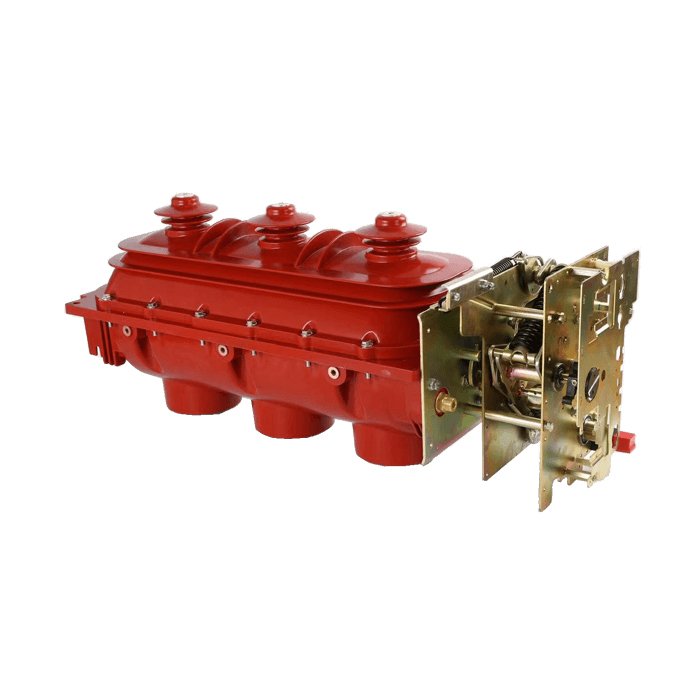
These ratings come from the type test. Confirm the test report covers the exact configuration you install. A switch used inside a ring main unit must meet the same short-circuit duty as the panel.
SF6 vs Air Load Break Switch
SF6 load break switches are sealed and maintenance-free, with excellent dielectric strength. Air load break switches are simpler and cheaper but need more space. Choose SF6 for compact indoor panels and air for dry, well-ventilated outdoor locations.
Where to Use a Load Break Switch
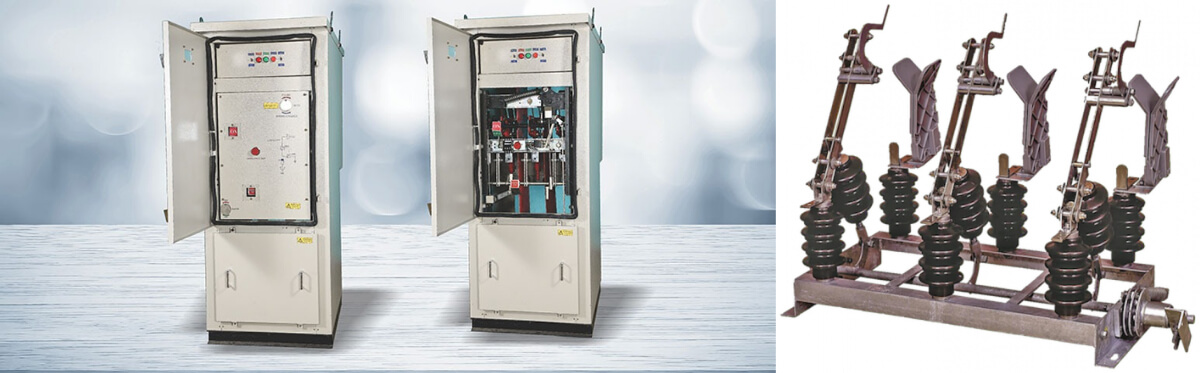
Common applications include transformer switching in a distribution substation, feeder switching in a ring main unit, motor starting in a switching station, and cable or overhead-line switching. Load break switches keep cost low because a full circuit breaker is not needed for every feeder. For the switchgear around the switch, read our medium voltage switchgear testing guide.
In a ring main unit, load break switches create the ring path and isolate a section for maintenance. In a transformer substation, the switch protects the transformer primary and lets the operator change supply quickly. In an industrial plant, load break switches give simple local control of motors and feeders. In every case the switch must be coordinated with the upstream fuse or breaker so a fault trips the right device.
Installation and Maintenance Tips
Install the switch on a rigid frame with proper clearances. Check the operating handle is aligned and easy to reach. Do not operate the switch under fault conditions; a load break switch is not a circuit breaker. Follow this annual routine.
- Inspect the contacts for pitting and wear.
- Confirm the earth position closes fully.
- Clean dust and check the enclosure seal.
- Verify the operating mechanism moves smoothly.
- Check the SF6 gas pressure indicator on sealed units.
Always test the interlock with the earthing switch before maintenance. For plant design, see our ring main unit selection guide.
FAQ About Load Break Switches
Q1. What is a load break switch used for?
It switches load current on and off in a medium voltage network and provides a visible isolation point for safe maintenance.
Q2. Can a load break switch clear a fault?
No. It is designed for normal load switching. A circuit breaker or fuse must clear short-circuit faults.
Q3. What is the difference between a load break switch and a disconnector?
A load break switch can open under load. A disconnector cannot open under load and is for isolation only.
Q4. How do I choose the rated current?
Add the maximum load of the feeder and pick the next standard size, usually 630 A or 1250 A.
Q5. Is an SF6 load break switch maintenance-free?
Mostly yes. Sealed SF6 units need little maintenance, but check the gas pressure indicator and the operating mechanism annually.
Q6. Can I use a load break switch with a transformer?
Yes, for normal load switching. The transformer protection still needs a fuse or breaker.
About Electric-GS
Electric-GS is a Chinese OEM and ODM manufacturer based in Yueqing, Zhejiang. We build load break switches, ring main units, switchgear and transformers with type-test reports and factory testing. For pricing and drawings, email info@electric-gs.com or reach us on WhatsApp at +86 135 8897 8050. See our main site at electricgs.com and our domestic catalog at electric-cn.com.
One thought
Comments are closed.