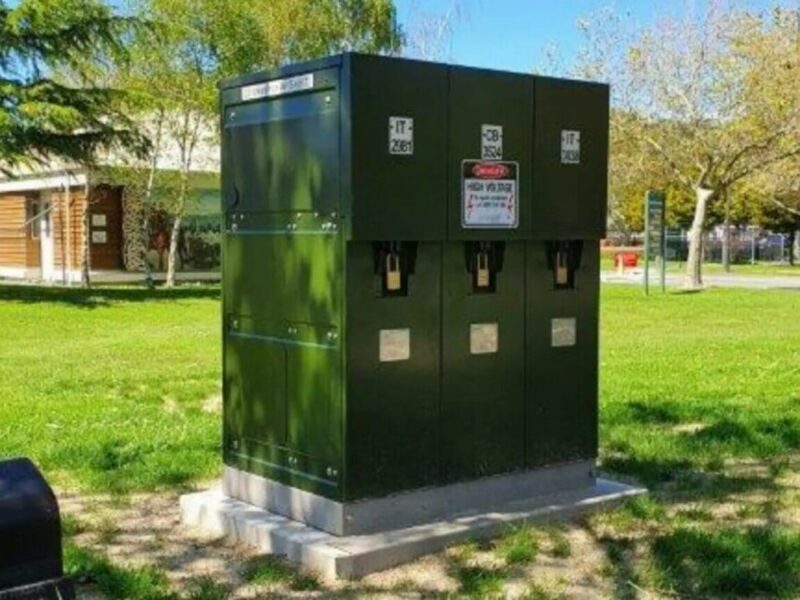
A ring main unit, or RMU, is the heart of a secondary distribution substation. It connects the incoming feeder, the transformer and the ring, and it isolates faults quickly. Choosing the right unit saves space, cuts cost and keeps the network reliable. This guide explains RMU types, ratings and the key buying points for 11kV and 33kV projects, so you can specify a unit with confidence.
Why Ring Main Unit Selection Matters
The RMU is the first device that protects the transformer and the load. A wrong selection leads to nuisance tripping, high losses or even a failed switch during a fault. A good unit clears a fault in a few cycles and restores supply to healthy sections.
Selection is not only about price. You must match the voltage, rated current, short circuit rating, enclosure and the way the unit is controlled. Each choice affects the whole substation design and the operating safety.
RMUs are built to run for decades with little attention. A carefully selected unit gives years of trouble free service, while a marginal one fails at the worst moment, usually during a storm or a peak load. The small extra time spent on selection pays back many times.
RMU Types and Insulation
Modern RMUs come in three main insulation technologies. Each one fits a different site and budget. Air insulated units use the surrounding air for insulation and are the most economic option for clean indoor rooms. Gas insulated units seal the live parts in SF6, which makes the footprint very small and keeps the parts protected from dust and moisture. Solid insulated units cover the conductor with epoxy resin and avoid any greenhouse gas, which matters for green tenders.
| Insulation type | Main advantage | Best for |
|---|---|---|
| Air insulated (AIS) | Low cost, easy to inspect | Indoor, low to medium rating |
| Gas insulated (SF6) | Compact, sealed, maintenance free | Outdoor, underground, tight spaces |
| Solid insulated | Environment friendly, no gas | Green projects, indoor chambers |
Key Ratings to Check
Always confirm these ratings before you buy.
- Rated voltage, usually 12kV, 24kV or 40.5kV for distribution.
- Rated current for the busbar and each switch, typically 630A.
- Short circuit breaking and making capacity, often 20kA or 25kA.
- Short time withstand current for 1s or 3s.
- Basic insulation level for lightning impulse.
Do not guess these values. Ask the supplier for the type test report that proves the ratings. The report must come from an accredited laboratory and cover the exact voltage class you are buying. If the supplier cannot provide it, treat the offer with caution, because the unit may not clear a real fault on site.
Configuration and Switching Options
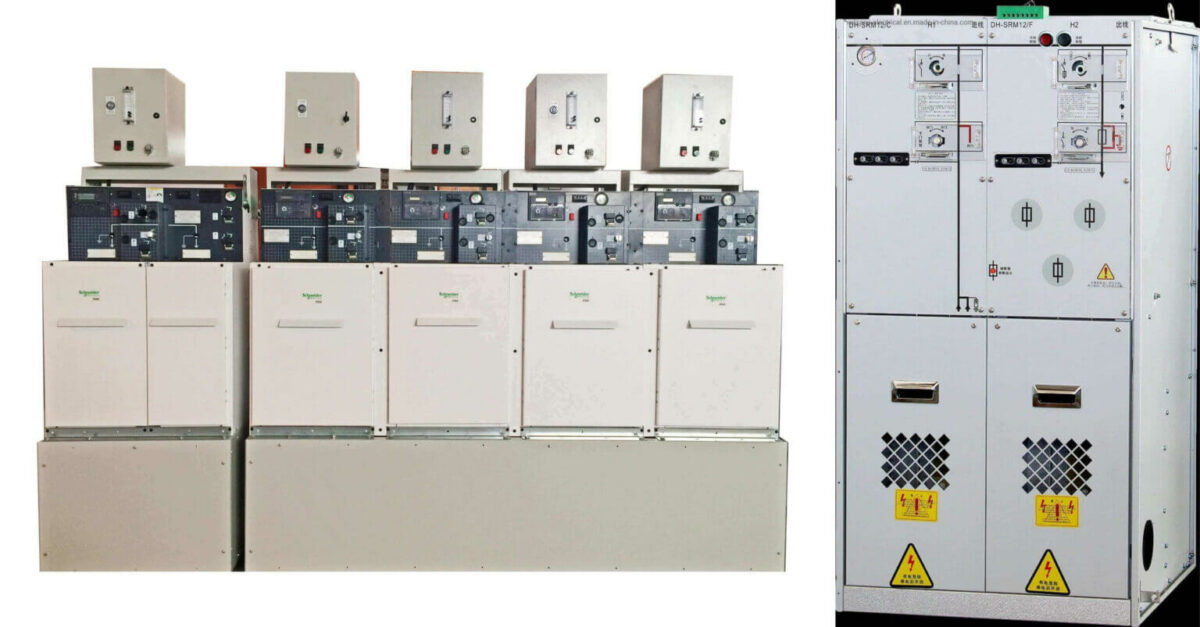
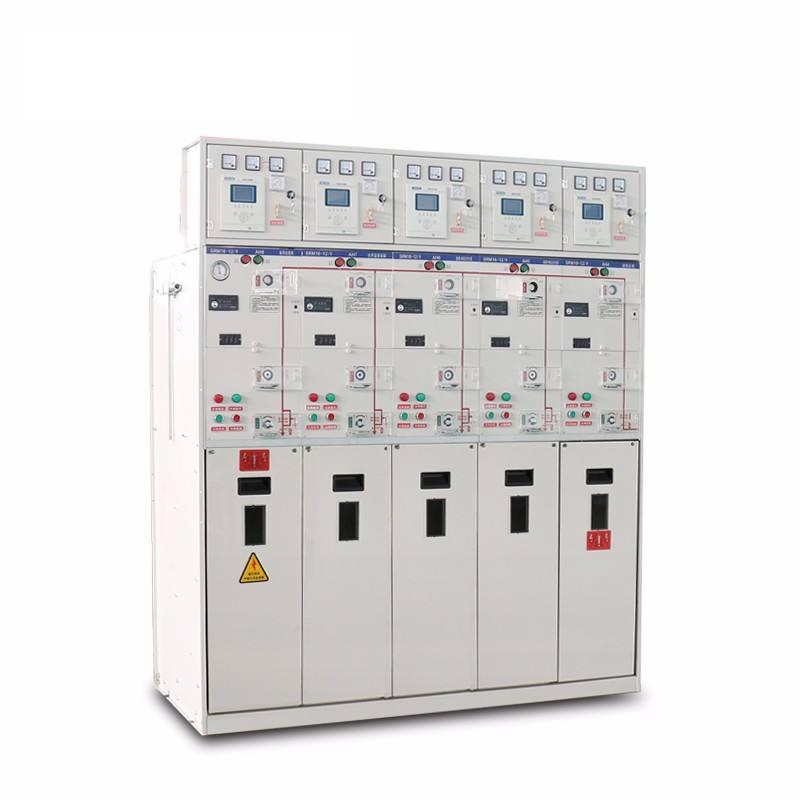
An RMU can have two, three or more ways. A two-way unit feeds one transformer from a ring. A three-way unit adds a transformer bay and is the most common choice for a compact substation. Larger units with four or more ways feed several transformers or tie different sections of the ring, which is common for apartment blocks and industrial estates. You can also add a fuse switch, a load break switch or a circuit breaker depending on the transformer size.
Choose a load break switch for simple transformer protection and a circuit breaker when you need reclosing or remote control. The switching mode, manual or motor operated, affects the cost and the way operators run the network. Motor operation adds remote switching and is standard when the RMU feeds a large transformer or sits in an unmanned substation.

Where to Install an RMU
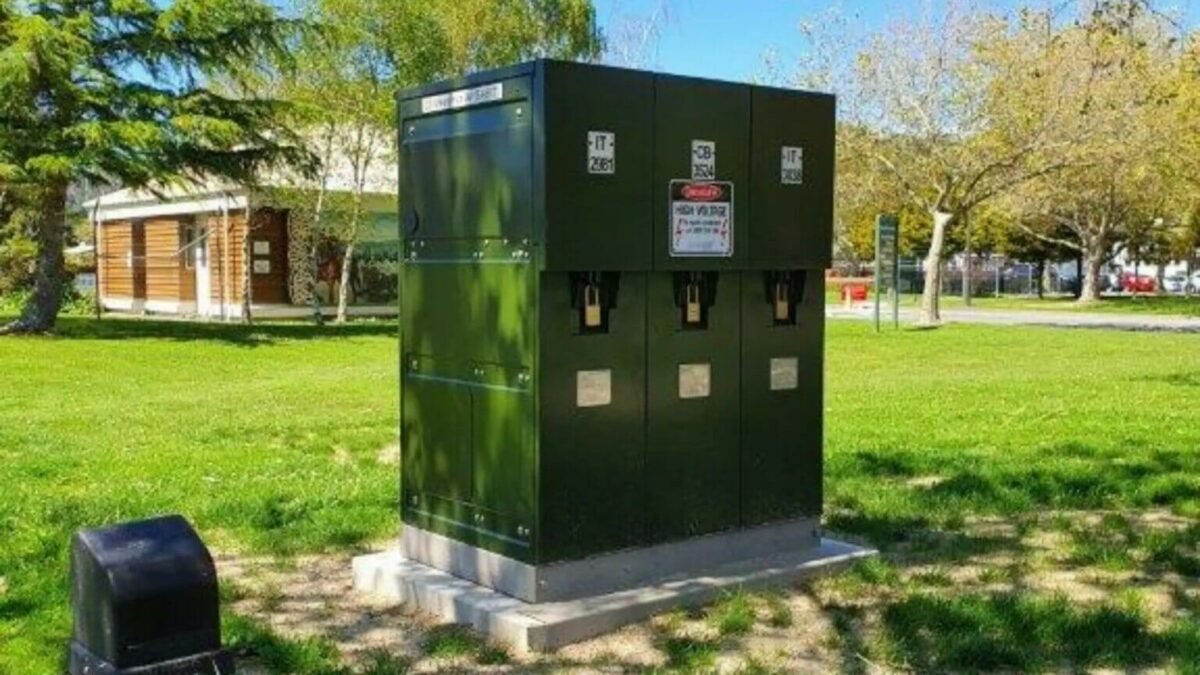
Installation decides the enclosure type. Outdoor units need a weatherproof, powder coated steel or GRP enclosure. Indoor units sit in a switchgear room and can be more compact. Underground and pad mounted units need sealed, gas insulated or solid insulated types to resist moisture and flooding.
Think about access and clearance too. The unit must be easy to inspect and maintain, with visible switch positions and safe earthing points. In a dense city site, a gas insulated RMU can fit into a small chamber that would never take an air insulated unit, so the footprint often decides which technology is possible.
How to Choose the Right RMU
Follow this order to pick a unit that fits the project.
- Confirm the system voltage and the short circuit level of the substation.
- Decide the number of ways and the transformer rating.
- Choose load break switch, fuse switch or circuit breaker for each bay.
- Select the insulation type based on indoor or outdoor use.
- Check motor operation, control and communication options.
- Ask for type test certificates, routine test report and a clear warranty.
Before energization, run the correct medium voltage switchgear testing routine to prove the unit is sound. Also confirm the indoor vs outdoor switchgear choice matches the enclosure you selected.
Frequently Asked Questions
What is a ring main unit used for?
An RMU connects the incoming ring feeder, the transformer and the outgoing circuits, and it isolates faults to keep the rest of the network running.
What is the difference between gas and solid insulated RMU?
Gas insulated RMUs use sealed SF6 for a compact, maintenance free design. Solid insulated RMUs use epoxy insulation and no gas, which suits green projects.
What voltage are RMUs available in?
Most distribution RMUs are rated 12kV, 24kV or 40.5kV, matching 11kV, 20kV and 33kV networks.
How many ways does an RMU have?
Two-way and three-way are common. A three-way unit adds a transformer bay and is the standard for a compact substation.
Do I need a circuit breaker or a load break switch in the RMU?
Use a load break switch for simple transformer protection and a circuit breaker when you need reclosing, remote control or higher fault levels.
Why ask for a type test certificate?
A type test certificate proves the unit really meets the rated voltage, current and short circuit ratings, so you can rely on it in service.
About Electric-GS
Electric-GS is a professional electrical equipment manufacturer based in Yueqing, China. We offer OEM and ODM services for ring main units, medium voltage switchgear, transformers and vacuum circuit breakers, with full factory testing and global export experience. For the protection side, read the transformer protection guide and the oil immersed transformer guide before you finalize the substation design. Contact us at info@electric-gs.com or WhatsApp +86 135 8897 8050 for a fast quotation. Visit electricgs.com or the Chinese portal at electric-cn.com.
One thought