Choosing medium voltage switchgear is one of the most important decisions in any distribution project. The wrong selection can cause protection failures, space problems and higher lifetime costs. This medium voltage switchgear selection guide walks through every parameter an engineer must check before writing the specification.
1. Define the System Voltage and Frequency
The first step is the rated voltage of the network. Common classes are 12 kV, 24 kV, 33 kV and 40.5 kV. Check both the rated voltage and the rated insulation level (lightning impulse withstand voltage) against the local grid code.
| System Voltage | Rated Voltage | Impulse Withstand | Typical Use |
|---|---|---|---|
| 10 kV | 12 kV | 75 kV | Industrial plants |
| 20 kV | 24 kV | 125 kV | Urban distribution |
| 33 kV | 36/40.5 kV | 170 kV | Subtransmission |
2. Rated Current and Breaking Capacity
The rated normal current must cover the maximum load plus a margin, typically 125% of the calculated load. The short-circuit breaking capacity must be equal to or higher than the fault level at the busbar. Standard values are 16 kA, 20 kA, 25 kA and 31.5 kA for 3 seconds.
- Calculate the transformer and motor contributions.
- Check the making capacity for closing onto a fault.
- Verify the busbar bracing for the peak short-circuit current.
3. Choose AIS or GIS Technology
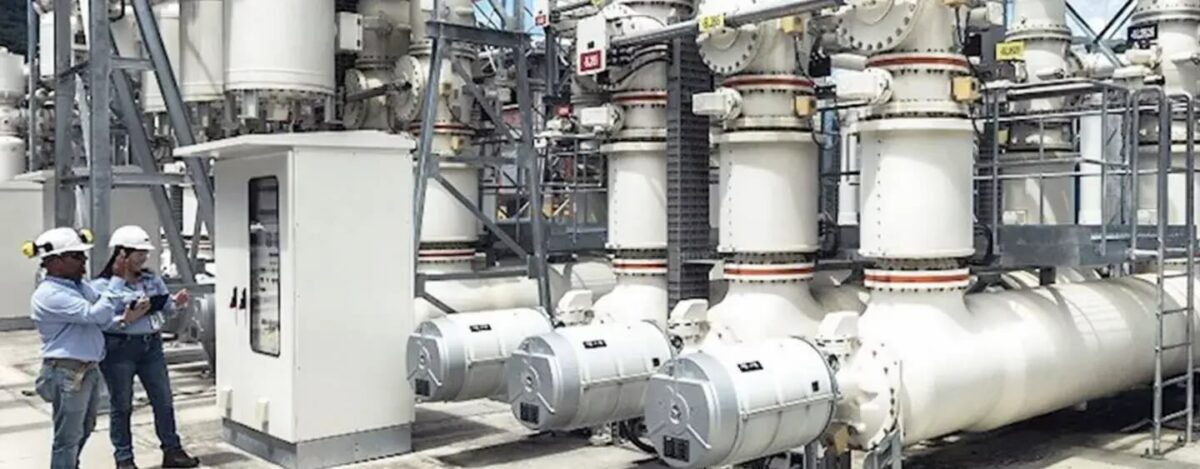
Air insulated switchgear (AIS) is cheaper and simpler to maintain, but needs more space. Gas insulated switchgear (GIS) uses SF6 or a green gas alternative and suits compact substations and harsh environments. The decision depends on space, pollution level, and altitude. Our gas insulated RMU vs air insulated RMU comparison explains the trade-offs in detail.
4. Select the Switchgear Type: Metal-Clad or Metal-Enclosed
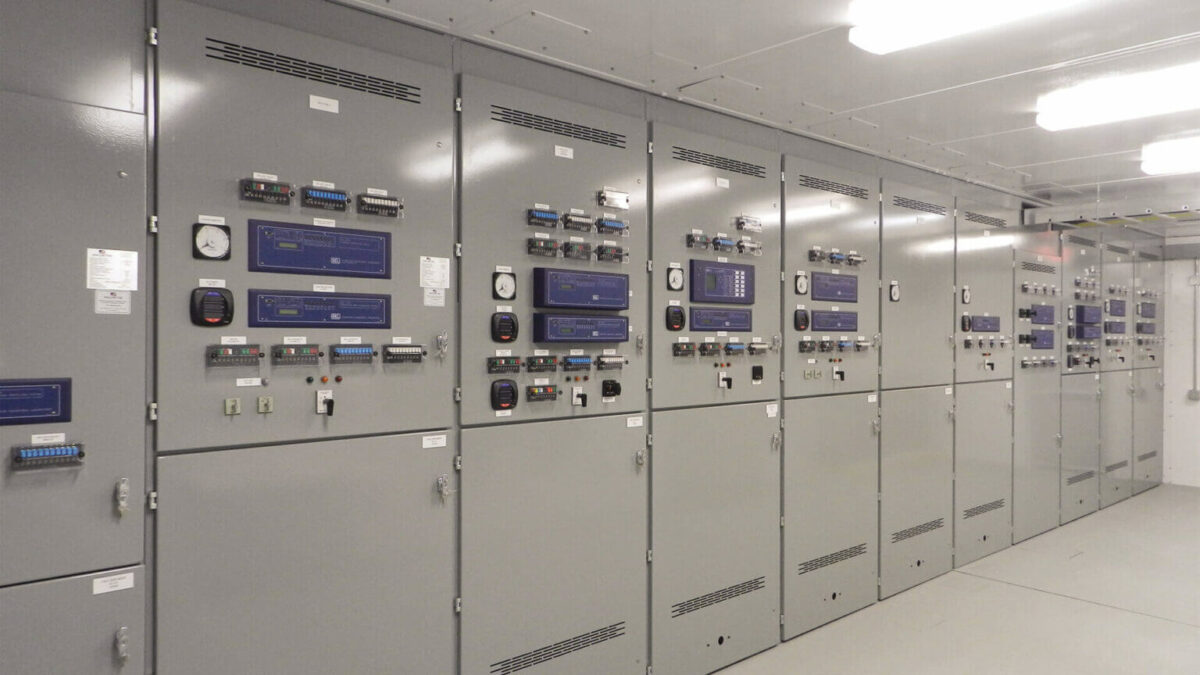
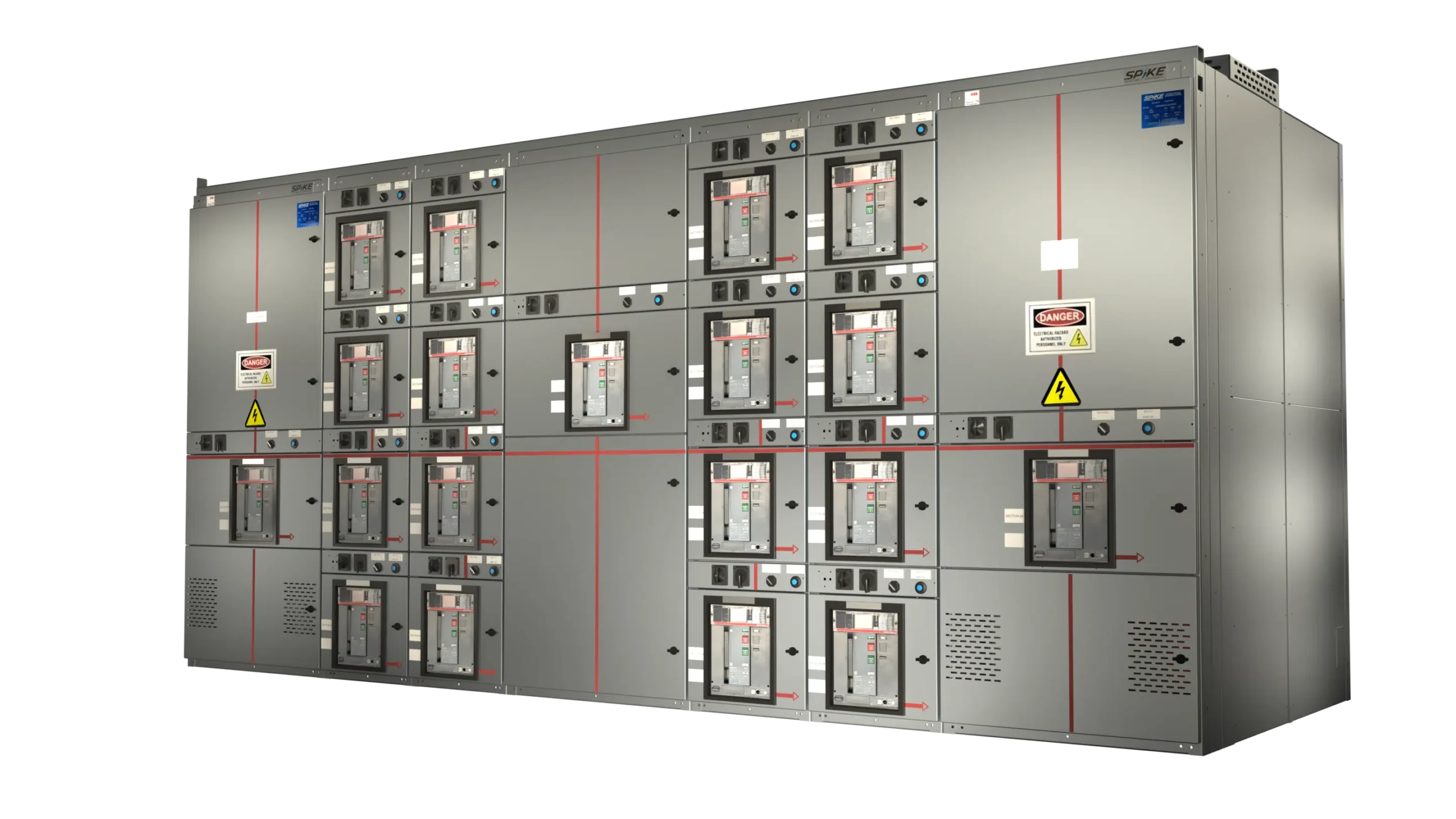
Metal-clad switchgear has compartmentalized busbars, circuit breakers and cable connections with automatic shutters. Metal-enclosed switchgear has no such separation. For medium voltage networks, metal-clad construction is the standard for safety and continuity of service.
5. Protection and Control Requirements
Define the protection functions: overcurrent, earth fault, directional, and transformer differential. Modern panels use numerical relays with communication ports. Check the relay power supply, CT ratio and the wiring diagram against the protection philosophy of the project.
6. Environmental Conditions
- Altitude above 1000 m derates the insulation and current rating.
- High humidity or salt fog requires higher IP rating and corrosion protection.
- Ambient temperature outside 0 to 40 C needs derating calculations.
- Seismic zones require additional bracing.
7. Verification and Type Test Requirements
Before ordering, ask for the type test certificates: internal arc (IAC), temperature rise, short-circuit and dielectric tests. Routine tests are performed on every panel. Our switchgear factory testing and certification guide lists the documents you should request.
8. Spare Parts and Lifecycle Cost
Compare not only the purchase price but the 25-year cost: maintenance intervals, spare parts availability and manufacturer support. A reliable supplier with local service matters more than a small price difference.
FAQ
1. What is the difference between metal-clad and metal-enclosed switchgear?
Metal-clad switchgear has separated compartments for busbar, breaker and cables with shutters; metal-enclosed does not provide the same segregation.
2. How do I choose the breaking capacity?
Calculate the maximum short-circuit current at the busbar and select a breaker with a higher rating, normally 20 kA, 25 kA or 31.5 kA.
3. Is GIS always better than AIS?
No. GIS suits limited space and polluted environments; AIS is more economical for open substations with plenty of space.
4. What IP rating is needed for outdoor switchgear?
IP54 or higher for outdoor enclosures; IP31 to IP4X is typical for indoor metal-clad switchgear.
5. Can medium voltage switchgear operate at high altitude?
Yes, but derating applies above 1000 m. The supplier must provide altitude-corrected ratings.
6. What tests should the factory perform?
Routine tests include insulation resistance, power frequency voltage, mechanical operation and secondary wiring checks; type tests include temperature rise, short-circuit and internal arc.
Insulation and Arc Containment Design
Insulation is what keeps medium voltage switchgear safe to touch and reliable in service. Air, SF6, solid epoxy and vacuum are the four main insulation media. Air insulated panels use generous clearances and barriers, while gas insulated panels rely on sealed SF6 compartments that reduce footprint by more than half. Solid insulated switchgear uses epoxy or cast resin to cover live parts and is gaining popularity where SF6 emissions must be avoided.
Arc containment is equally important. When a fault arc occurs inside a panel, the enclosure must withstand the pressure wave and direct hot gas away from operators. Ask for internal arc classification (IAC) test reports in accordance with IEC 62271-200. Typical ratings are AFLR up to 25 kA for 1 second. A panel with proper arc venting and pressure relief flaps protects personnel and limits damage to adjacent compartments.
Partial Discharge Monitoring
Modern MV switchgear can be fitted with partial discharge (PD) sensors that detect insulation weakness before a failure happens. TEV and ultrasonic sensors are the most common retrofit options. Monitoring trends is better than measuring once: a rising PD level indicates contamination, moisture or ageing insulation that needs planned maintenance.
Project Planning and Documentation Checklist
Start your switchgear project with a clear specification: rated voltage, rated current, short-circuit withstand, busbar rating, protection scheme and environmental conditions such as altitude, humidity and pollution level. Confirm the single line diagram with the utility before ordering, because panel arrangements and busbar sections depend on it.
- Request the type test certificates: IAC, temperature rise, short-circuit, dielectric.
- Agree on routine test scope: every panel is tested for insulation, contact resistance, mechanism operation and protection function.
- Check the delivered documentation: drawings, wiring diagrams, instruction manual, test reports and declaration of conformity.
- Plan spare parts: spare vacuum interrupters or SF6 compartments, control relays, auxiliary contacts and gaskets.
- Confirm the warranty terms and the manufacturer’s response time for service visits.
Documentation quality is a good indicator of manufacturing quality. A supplier that cannot provide complete test certificates usually cannot provide consistent panel quality either.
About Electric-GS
Electric-GS is a professional medium and low voltage switchgear manufacturer based in Yueqing, China. We supply ring main units, GIS, vacuum circuit breakers, LV and MV switchgear, transformers, compact substations and solar distribution products as an OEM/ODM factory. For a quotation or technical support, email info@electric-gs.com or contact us on WhatsApp at +86 135 8897 8050. Visit our partner sites electricgs.com and electric-cn.com for more product information.
Related Reading
- LV Switchgear vs MV Switchgear: What Is the Difference
- Gas Insulated RMU vs Air Insulated RMU
- Switchgear Factory Testing and Certification Guide
- Medium Voltage Switchgear Testing and Commissioning Guide