PV Grid-Connected Cabinet: Installation Guide
A PV grid-connected cabinet (also called a grid-tied inverter cabinet or PV connection cabinet) is the critical interface between a solar power plant and the utility grid. Proper installation is essential for safe, reliable, and compliant grid connection. This comprehensive guide will walk you through the complete installation process.
What is a PV Grid-Connected Cabinet?
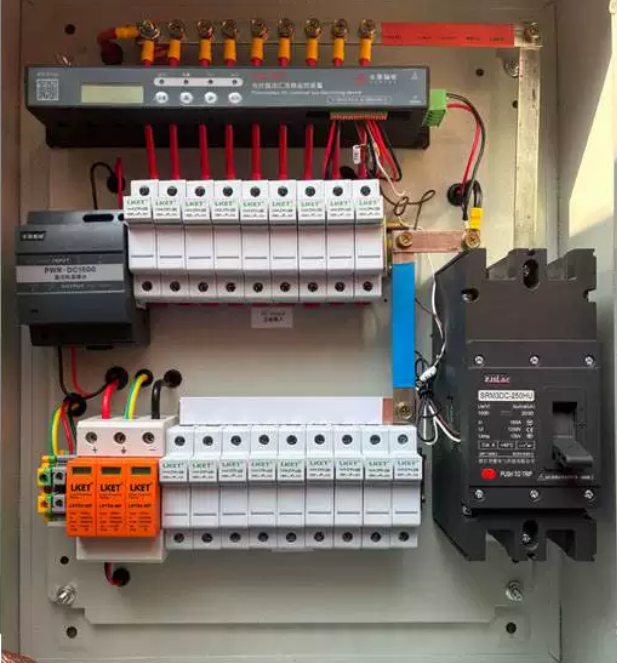
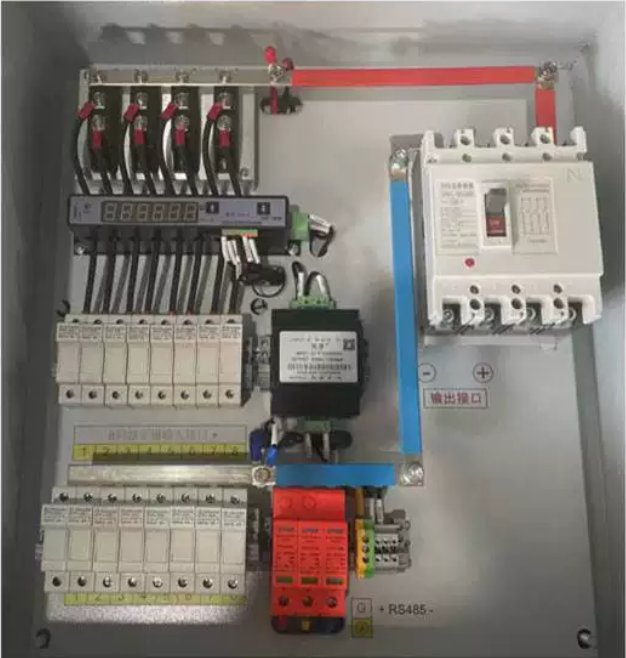
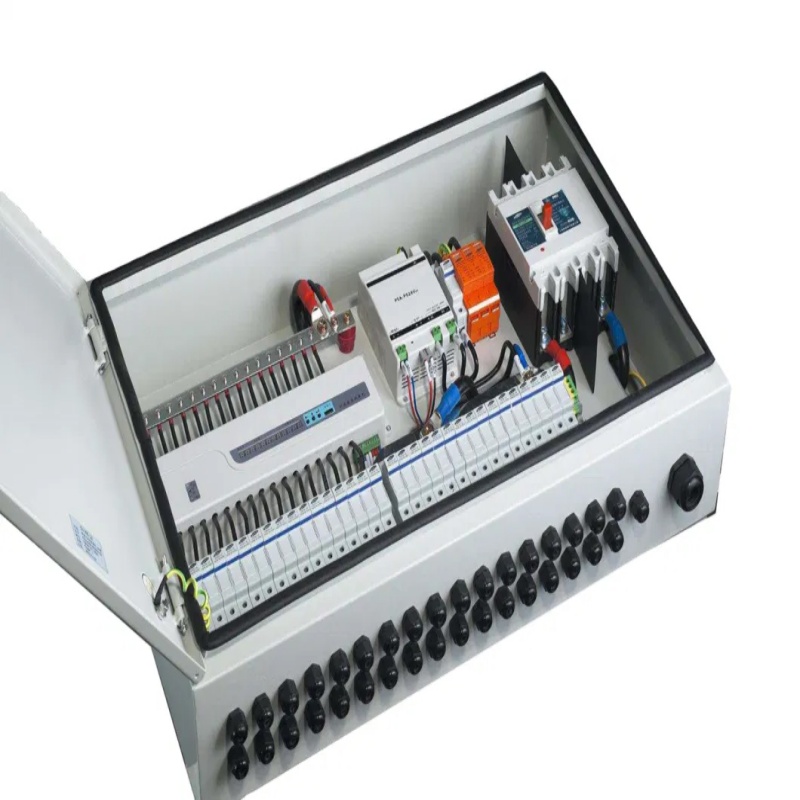
A PV grid-connected cabinet houses the necessary equipment to connect a solar power system to the utility grid. It typically includes:
- Grid-tied inverter(s)
- AC combiner/protection
- Grid protection relay
- Energy meter
- Surge protection devices
- Disconnect switches
- Monitoring and communication equipment
Pre-Installation Preparation
Before beginning installation, ensure you have completed the following preparations:
Site Survey and Planning
- Confirm the cabinet location is suitable (well-ventilated, accessible, protected from elements)
- Verify the foundation can support the cabinet weight
- Check cable routing from solar array and to grid connection point
- Ensure clearance around the cabinet for operation and maintenance
- Verify ambient temperature range matches equipment specifications
Required Tools and Equipment
- Safety equipment (gloves, helmet, safety glasses)
- Insulated tools for electrical work
- Multimeter and insulation tester
- Cable crimping tools
- Torque wrench
- Lifting equipment (for heavy cabinets)
Installation Steps
Follow these steps for proper installation of your PV grid-connected cabinet:
Step 1: Foundation and Mounting
- Prepare a level concrete foundation or mounting platform
- Anchor the cabinet securely using appropriate bolts
- Ensure the cabinet is upright and level
- Verify grounding connections are made to the foundation ground
Step 2: Cable Entry and Routing
- Install cable glands at entry points
- Route DC cables from solar array to inverter inputs
- Route AC cables from inverter output to grid connection point
- Ensure proper separation of DC and AC cables
- Label all cables clearly for future maintenance
Step 3: Internal Connections
- Verify all internal wiring is intact (factory-tested)
- Connect DC input cables to inverter DC terminals
- Connect AC output cables to inverter AC terminals
- Connect communication cables for monitoring
- Torque all connections to manufacturer specifications
Step 4: Grounding and Protection
- Connect the cabinet grounding bar to the site grounding system
- Verify grounding resistance meets local requirements (typically < 10Ω)
- Check surge protection devices are properly installed
- Verify all protective earth connections are secure
Commissioning and Testing
After installation, perform the following commissioning tests:
| Test | Equipment Required | Acceptance Criteria |
|---|---|---|
| Visual Inspection | None | All connections tight, no damage |
| Insulation Resistance | Megohmmeter | > 1 MΩ for all circuits |
| Polarity Check | Multimeter | Correct DC polarity at inverter input |
| Voltage Check | Multimeter | Within rated range |
| Grounding Continuity | Ground Tester | < 0.1Ω resistance |
| Protection Relay Test | Relay Test Set | Trips at set values |
Grid Connection Requirements
Before energization, ensure you meet all grid connection requirements:
- Obtain permission from the utility company
- Install the required bidirectional energy meter
- Verify grid protection settings match utility requirements
- Ensure anti-islanding protection is functional
- Complete all required documentation and permits
Safety Considerations
Safety should be the top priority during installation:
- Always de-energize circuits before working on them
- Use lockout/tagout procedures
- Wear appropriate personal protective equipment
- Never work alone on medium-voltage equipment
- Be aware of DC arc flash hazards
- Follow all local electrical codes and standards
Common Installation Mistakes to Avoid
| Mistake | Consequence | Prevention |
|---|---|---|
| Undersized cables | Voltage drop, overheating | Calculate cable size properly |
| Poor grounding | Safety hazard, equipment damage | Test grounding resistance |
| Reverse DC polarity | Inverter damage | Verify polarity before connection |
| Loose connections | Overheating, arcing | Torque all connections properly |
| Ignoring ventilation | Overheating, reduced lifespan | Ensure adequate airflow |
Frequently Asked Questions (FAQ)
How long does it take to install a PV grid-connected cabinet?
For a typical residential or small commercial system (10-100kW), installation usually takes 1-3 days. Larger utility-scale systems may require several weeks, depending on complexity and number of inverters.
Do I need a licensed electrician for installation?
Yes, absolutely. Installation of grid-connected electrical equipment must be performed by a licensed, qualified electrician. Improper installation can void warranties, create safety hazards, and result in failed grid connection approval.
What is the difference between indoor and outdoor cabinets?
Outdoor cabinets have weatherproof enclosures (typically IP54 or higher), UV-resistant paint, and wider operating temperature ranges. Indoor cabinets are less expensive but require a suitable indoor environment. Never install an indoor-rated cabinet outdoors.
How much space do I need around the cabinet?
Allow at least 1 meter of clearance in front of the cabinet for operation and maintenance. Side and rear clearances depend on the manufacturer’s specifications, typically 0.5-1 meter.
Can I install the cabinet myself?
While basic physical installation (mounting, cable routing) can be done by experienced technicians, all electrical connections, commissioning, and grid connection must be performed by licensed professionals. Safety codes and utility regulations require qualified personnel for grid-tied systems.
What maintenance does the cabinet require?
Annual visual inspection, cleaning, and connection tightness checks are recommended. Inverter filters may need periodic cleaning. Cooling fans should be checked annually. Surge protection devices should be replaced every 5-10 years.
About Electric-GS
Electric-GS manufactures complete PV grid-connected cabinets for solar power systems ranging from 10kW to multi-megawatt installations. We offer pre-configured solutions with leading inverter brands, fully tested and ready for installation.
Our cabinets are certified to IEC, CE, and other international standards. We provide OEM/ODM services, customization options, and comprehensive technical support for global clients.
Contact us at info@electric-gs.com or WhatsApp: +86 135 8897 8050 for product inquiries and technical specifications. Visit our website at electricgs.com to explore our complete solar product lineup.