
What is a PV Grid-Connected Cabinet?
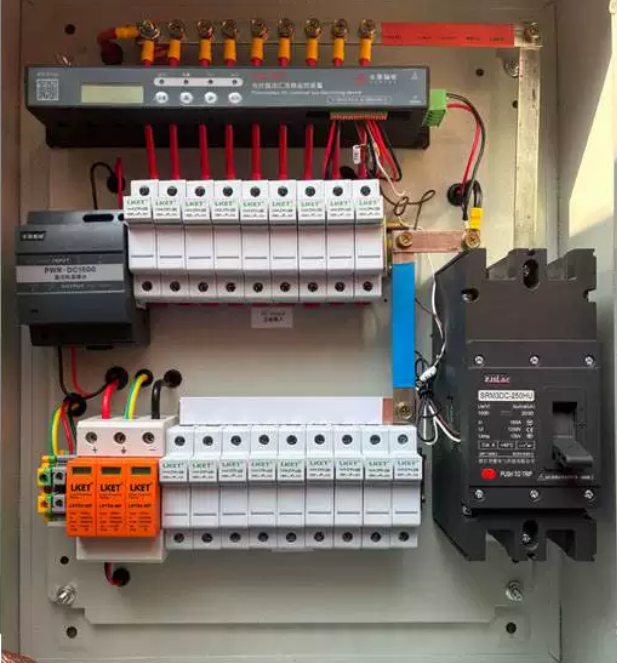
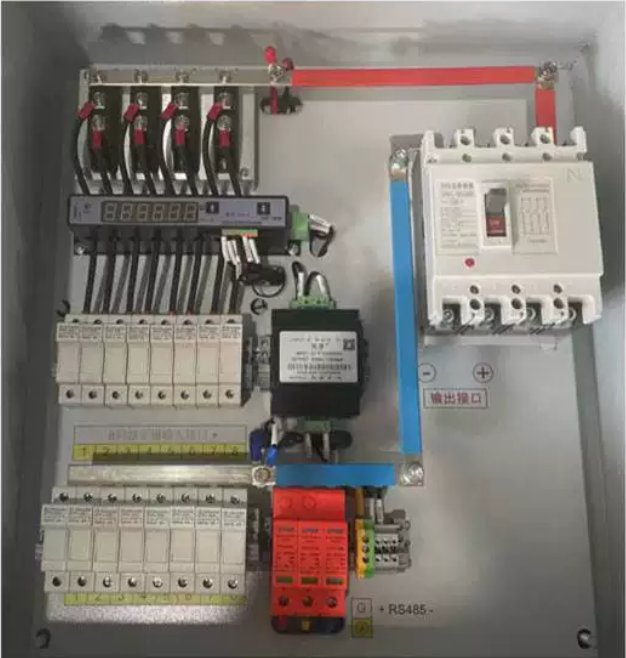
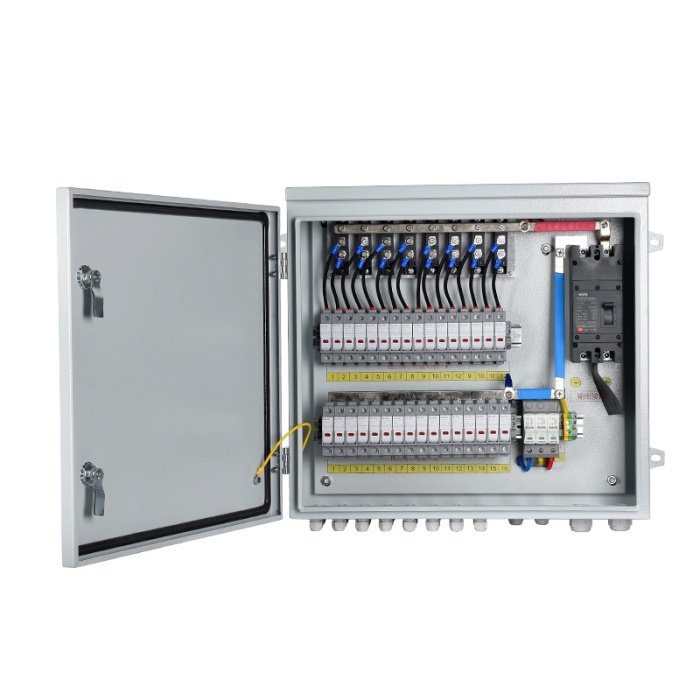
A PV grid-connected cabinet is the central interface between a solar power generation system and the utility grid. It houses inverters, protection devices, metering equipment, and monitoring systems in a single, weatherproof enclosure. These cabinets are essential for grid-tied solar installations, ensuring safe and compliant connection to the public power grid.
Key Components of a Grid-Connected Cabinet
Modern PV grid-connected cabinets integrate multiple components:
- Solar Inverters: Convert DC power from panels to AC power for the grid
- AC Circuit Breakers: Provide overcurrent and short-circuit protection
- Grid Protection Relay: Monitors grid voltage and frequency, disconnects during faults
- Energy Meter: Measures exported and imported power for billing
- Surge Protection Devices: Protect against lightning and voltage transients
- Monitoring System: Tracks system performance and faults remotely
Types of PV Grid-Connected Cabinets
| Type | Capacity Range | Typical Application |
|---|---|---|
| Residential Cabinet | 3-20 kW | Home solar systems |
| Commercial Cabinet | 20-500 kW | Commercial buildings, factories |
| Utility-Scale Cabinet | 500 kW+ | Solar power plants, farms |
How to Select the Right Grid-Connected Cabinet
Choosing the right cabinet requires careful consideration of several factors:
1. System Capacity
Match the cabinet’s inverter capacity to your solar array size. Oversized cabinets waste money; undersized ones limit production. A common rule is to size the inverter at 80-90% of the array’s DC capacity.
2. Grid Voltage and Frequency
Ensure the cabinet’s AC output matches the local grid specifications. In China, this is typically 380V three-phase at 50Hz for commercial installations, or 220V single-phase for residential.
3. Protection Requirements
Different regions have different grid code requirements. Ensure the cabinet includes all required protection functions: over/under voltage, over/under frequency, anti-islanding, and fault ride-through capabilities.
4. Environmental Rating
For outdoor installations, choose an enclosure with IP54 or higher rating. Indoor cabinets can use IP30 or IP42 enclosures. Consider temperature range, humidity, and pollution levels.
Installation Best Practices
Proper installation ensures safe and reliable operation:
- Install on a level, stable concrete foundation
- Provide adequate clearance for ventilation and maintenance
- Ensure proper grounding and earthing
- Use appropriately sized cables for current and distance
- Follow all local electrical codes and utility requirements
- Commission by qualified personnel only
Frequently Asked Questions (FAQ)
What is the difference between on-grid and off-grid cabinets?
On-grid cabinets connect directly to the utility grid and feed excess power back. Off-grid cabinets use batteries to store power for use when the sun isn’t shining. On-grid systems are simpler and cheaper; off-grid systems provide energy independence.
How long does a grid-connected cabinet last?
With proper maintenance, a grid-connected cabinet can last 20-25 years, matching the lifespan of solar panels. Inverters typically need replacement after 10-15 years. Electronic components may require periodic replacement.
Can I expand my solar system later?
Yes, if you choose a modular cabinet design. Plan ahead by selecting a cabinet with spare inverter slots and breaker capacity. This allows you to add more panels and inverters in the future without replacing the entire cabinet.
What maintenance does the cabinet require?
Annual visual inspection, cleaning of filters and vents, and checking of connections. Inverter cooling fans should be inspected annually. Surge protection devices should be replaced every 5-10 years. Most modern cabinets require minimal maintenance.
How much does a grid-connected cabinet cost?
Residential cabinets start at $1,000-$3,000. Commercial cabinets range from $5,000-$50,000 depending on capacity and features. Utility-scale systems can cost $100,000+. Prices depend on inverter brand, protection level, and monitoring features.
Do I need permission from the utility company?
Yes, all grid-connected solar systems require approval from the local utility company. They will review your system design, ensure it meets grid code requirements, and install a bidirectional meter. The approval process typically takes 2-8 weeks.
About Electric-GS
Electric-GS manufactures complete PV grid-connected cabinets for solar power systems worldwide. We offer pre-configured solutions with leading inverter brands, fully tested and certified to IEC, CE, and other international standards.
Our cabinets are available in both indoor and outdoor configurations, with customizable options for voltage, capacity, and protection levels. We provide OEM/ODM services for global clients, with competitive pricing and reliable delivery.
Contact us at info@electric-gs.com or WhatsApp: +86 135 8897 8050 for product inquiries. Visit our website at electricgs.com to explore our complete solar product lineup.