Author: info@electric-gs.com

  • PV Grid-Connected Cabinet Installation: Complete Guide

    Electrical Equipment

    Electrical Equipment

    Electrical Equipment

    PV Grid-Connected Cabinet: Installation Guide

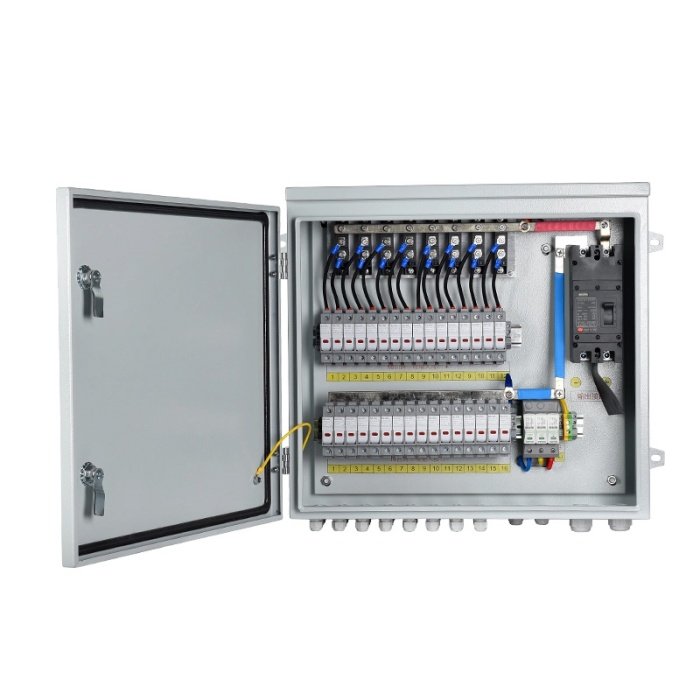
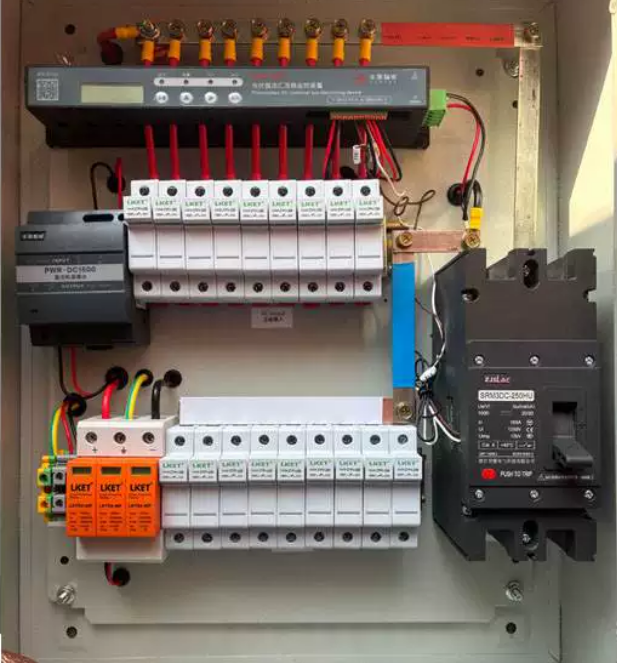
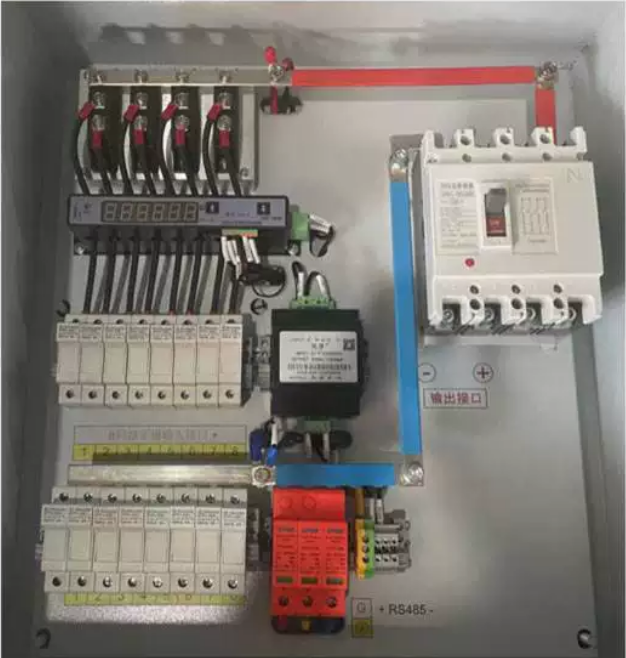
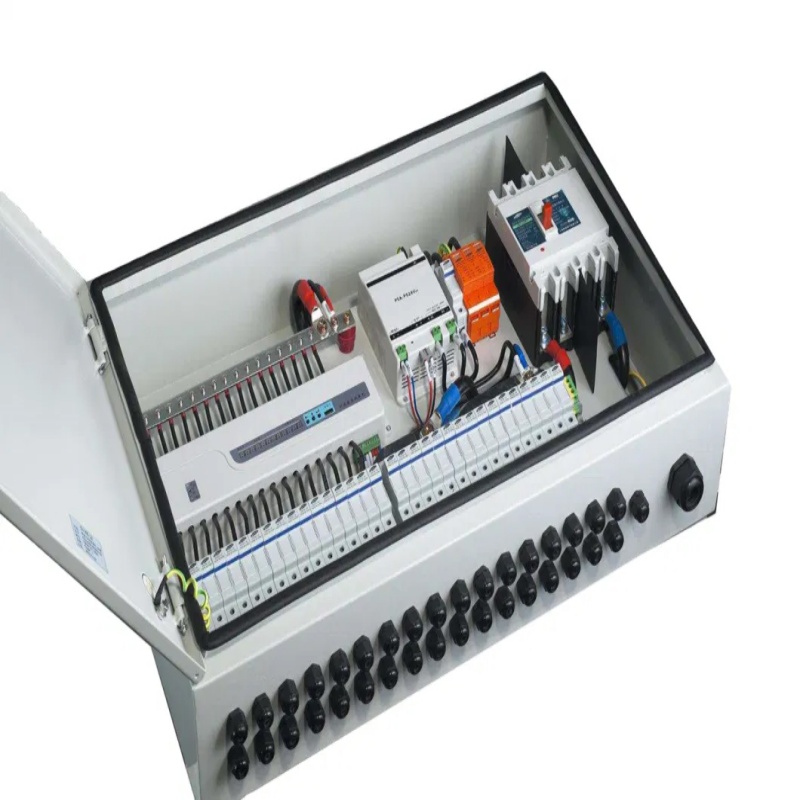
    A PV grid-connected cabinet (also called a grid-tied inverter cabinet or PV connection cabinet) is the critical interface between a solar power plant and the utility grid. Proper installation is essential for safe, reliable, and compliant grid connection. This comprehensive guide will walk you through the complete installation process.

    What is a PV Grid-Connected Cabinet?

    A PV grid-connected cabinet houses the necessary equipment to connect a solar power system to the utility grid. It typically includes:

    • Grid-tied inverter(s)
    • AC combiner/protection
    • Grid protection relay
    • Energy meter
    • Surge protection devices
    • Disconnect switches
    • Monitoring and communication equipment

    Pre-Installation Preparation

    Before beginning installation, ensure you have completed the following preparations:

    Site Survey and Planning

    • Confirm the cabinet location is suitable (well-ventilated, accessible, protected from elements)
    • Verify the foundation can support the cabinet weight
    • Check cable routing from solar array and to grid connection point
    • Ensure clearance around the cabinet for operation and maintenance
    • Verify ambient temperature range matches equipment specifications

    Required Tools and Equipment

    • Safety equipment (gloves, helmet, safety glasses)
    • Insulated tools for electrical work
    • Multimeter and insulation tester
    • Cable crimping tools
    • Torque wrench
    • Lifting equipment (for heavy cabinets)

    Installation Steps

    Follow these steps for proper installation of your PV grid-connected cabinet:

    Step 1: Foundation and Mounting

    • Prepare a level concrete foundation or mounting platform
    • Anchor the cabinet securely using appropriate bolts
    • Ensure the cabinet is upright and level
    • Verify grounding connections are made to the foundation ground

    Step 2: Cable Entry and Routing

    • Install cable glands at entry points
    • Route DC cables from solar array to inverter inputs
    • Route AC cables from inverter output to grid connection point
    • Ensure proper separation of DC and AC cables
    • Label all cables clearly for future maintenance

    Step 3: Internal Connections

    • Verify all internal wiring is intact (factory-tested)
    • Connect DC input cables to inverter DC terminals
    • Connect AC output cables to inverter AC terminals
    • Connect communication cables for monitoring
    • Torque all connections to manufacturer specifications

    Step 4: Grounding and Protection

    • Connect the cabinet grounding bar to the site grounding system
    • Verify grounding resistance meets local requirements (typically < 10Ω)
    • Check surge protection devices are properly installed
    • Verify all protective earth connections are secure

    Commissioning and Testing

    After installation, perform the following commissioning tests:

    Test Equipment Required Acceptance Criteria
    Visual Inspection None All connections tight, no damage
    Insulation Resistance Megohmmeter > 1 MΩ for all circuits
    Polarity Check Multimeter Correct DC polarity at inverter input
    Voltage Check Multimeter Within rated range
    Grounding Continuity Ground Tester < 0.1Ω resistance
    Protection Relay Test Relay Test Set Trips at set values

    Grid Connection Requirements

    Before energization, ensure you meet all grid connection requirements:

    • Obtain permission from the utility company
    • Install the required bidirectional energy meter
    • Verify grid protection settings match utility requirements
    • Ensure anti-islanding protection is functional
    • Complete all required documentation and permits

    Safety Considerations

    Safety should be the top priority during installation:

    • Always de-energize circuits before working on them
    • Use lockout/tagout procedures
    • Wear appropriate personal protective equipment
    • Never work alone on medium-voltage equipment
    • Be aware of DC arc flash hazards
    • Follow all local electrical codes and standards

    Common Installation Mistakes to Avoid

    Mistake Consequence Prevention
    Undersized cables Voltage drop, overheating Calculate cable size properly
    Poor grounding Safety hazard, equipment damage Test grounding resistance
    Reverse DC polarity Inverter damage Verify polarity before connection
    Loose connections Overheating, arcing Torque all connections properly
    Ignoring ventilation Overheating, reduced lifespan Ensure adequate airflow

    Frequently Asked Questions (FAQ)

    How long does it take to install a PV grid-connected cabinet?

    For a typical residential or small commercial system (10-100kW), installation usually takes 1-3 days. Larger utility-scale systems may require several weeks, depending on complexity and number of inverters.

    Do I need a licensed electrician for installation?

    Yes, absolutely. Installation of grid-connected electrical equipment must be performed by a licensed, qualified electrician. Improper installation can void warranties, create safety hazards, and result in failed grid connection approval.

    What is the difference between indoor and outdoor cabinets?

    Outdoor cabinets have weatherproof enclosures (typically IP54 or higher), UV-resistant paint, and wider operating temperature ranges. Indoor cabinets are less expensive but require a suitable indoor environment. Never install an indoor-rated cabinet outdoors.

    How much space do I need around the cabinet?

    Allow at least 1 meter of clearance in front of the cabinet for operation and maintenance. Side and rear clearances depend on the manufacturer’s specifications, typically 0.5-1 meter.

    Can I install the cabinet myself?

    While basic physical installation (mounting, cable routing) can be done by experienced technicians, all electrical connections, commissioning, and grid connection must be performed by licensed professionals. Safety codes and utility regulations require qualified personnel for grid-tied systems.

    What maintenance does the cabinet require?

    Annual visual inspection, cleaning, and connection tightness checks are recommended. Inverter filters may need periodic cleaning. Cooling fans should be checked annually. Surge protection devices should be replaced every 5-10 years.

    About Electric-GS

    Electric-GS manufactures complete PV grid-connected cabinets for solar power systems ranging from 10kW to multi-megawatt installations. We offer pre-configured solutions with leading inverter brands, fully tested and ready for installation.

    Our cabinets are certified to IEC, CE, and other international standards. We provide OEM/ODM services, customization options, and comprehensive technical support for global clients.

    Contact us at info@electric-gs.com or WhatsApp: +86 135 8897 8050 for product inquiries and technical specifications. Visit our website at electricgs.com to explore our complete solar product lineup.
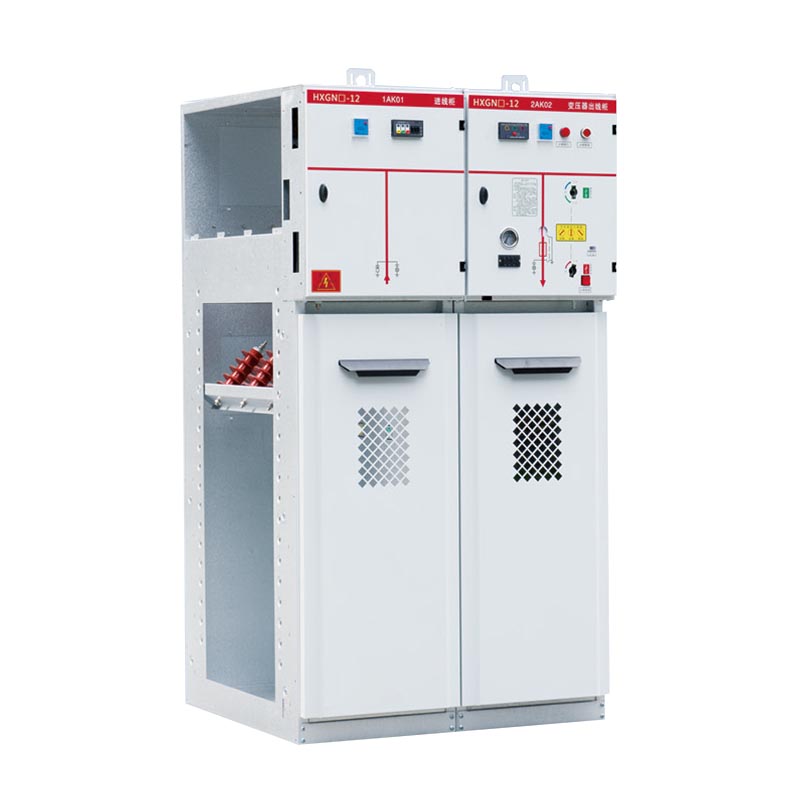
  • RMU Maintenance Checklist: Prevent Failures and Extend Lifespan

    Electrical Equipment

    Electrical Equipment

    RMU Maintenance Checklist: Why It Matters

    Ring Main Units (RMUs) are critical components in medium-voltage distribution networks. Proper maintenance ensures reliable operation, extends equipment lifespan, and prevents costly unplanned outages. This comprehensive maintenance checklist will help you keep your RMUs in optimal condition.

    Why RMU Maintenance Is Important

    Regular RMU maintenance offers several key benefits:

    • Preventive Maintenance: Identify potential issues before they cause failures
    • Extended Lifespan: Well-maintained RMUs can last 30-40 years
    • Safety Compliance: Ensure safe operation for personnel and equipment
    • Reduced Downtime: Minimize unplanned outages and production losses
    • Optimal Performance: Maintain designed performance parameters

    Maintenance Schedule

    Task Frequency Responsible Party
    Visual Inspection Monthly On-site Staff
    Cleaning and General Check Annually Qualified Electrician
    Mechanical Operation Test Annually Qualified Electrician
    Insulation Resistance Test Every 3 Years Testing Technician
    SF6 Gas Analysis (if applicable) Every 3 Years Specialist
    Full Overhaul Every 10-15 Years Manufacturer Service

    Monthly Visual Inspection Checklist

    Perform these simple checks every month to ensure basic operational integrity:

    Enclosure and Environment

    • Check for signs of physical damage to the enclosure
    • Verify ventilation openings are clear and unobstructed
    • Look for signs of water ingress or corrosion
    • Check temperature and humidity readings (if equipped)
    • Ensure the surrounding area is clean and free of debris

    Indicators and Status

    • Verify position indicators show correct switch status
    • Check SF6 gas pressure gauge (if equipped) – should be in green zone
    • Look for any alarm indicators or fault lights
    • Verify grounding connections are intact

    Annual Maintenance Tasks

    Once a year, perform a more thorough inspection and maintenance:

    Cleaning and Inspection

    • Clean the exterior enclosure with a dry cloth
    • Inspect all cable connections for tightness
    • Check for signs of overheating (discoloration, burning smell)
    • Verify all labels and nameplates are legible
    • Check the condition of gaskets and seals

    Mechanical Operation Test

    • Operate the switching mechanism several times
    • Check for smooth, quiet operation without unusual noises
    • Verify interlocks function correctly
    • Check the condition of operating handles or mechanisms
    • Lubricate moving parts if recommended by manufacturer

    Electrical Tests

    • Perform insulation resistance tests
    • Verify grounding continuity
    • Check operation of auxiliary circuits and indicators
    • Test protection relay functions (if equipped)

    SF6-Specific Maintenance

    If your RMU uses SF6 gas, additional maintenance tasks are required:

    Gas Pressure Monitoring

    SF6 gas pressure should be checked regularly. A pressure drop indicates a leak that needs to be addressed. Most modern RMUs have gas pressure monitoring with alarms.

    Gas Analysis

    Every 3 years, perform SF6 gas analysis to check for:

    • Moisture content (should be below 150 ppm)
    • Decomposition products (indicate internal arcing)
    • Gas purity (should be >97%)

    Leak Detection

    Use a sensitive SF6 leak detector to check for gas leaks, especially at joints and seals. The annual leak rate should be less than 0.5% per year.

    Common RMU Problems and Solutions

    Problem Possible Cause Solution
    SF6 Gas Pressure Low Gas leak at seal or joint Locate and repair leak, refill gas
    Switch Won’t Operate Mechanical obstruction or motor failure Check mechanism, repair or replace motor
    Overheating Loose connections or overload Tighten connections, check load
    Corrosion Moisture ingress or corrosive environment Seal enclosure, apply anti-corrosion coating
    Insulation Failure Moisture or contamination Dry out or replace insulation components

    Safety Precautions

    Always follow these safety precautions when performing RMU maintenance:

    • De-energize and lock out the equipment before any work
    • Verify absence of voltage with proper test equipment
    • Use appropriate personal protective equipment (PPE)
    • Follow lockout/tagout (LOTO) procedures
    • Never work alone on medium-voltage equipment
    • Ensure proper ventilation when working with SF6 gas

    Frequently Asked Questions (FAQ)

    How often should RMU maintenance be performed?

    Basic visual inspections should be done monthly. A thorough annual maintenance by a qualified electrician is recommended. Major overhauls are typically needed every 10-15 years.

    Can I perform RMU maintenance myself?

    Basic visual checks can be done by on-site staff, but any electrical or mechanical work inside the switchgear should only be performed by qualified, licensed electricians. SF6 gas work requires specialized training and equipment.

    What happens if I don’t maintain my RMU?

    Poor maintenance can lead to unexpected failures, safety hazards, reduced equipment lifespan, and costly downtime. Studies show that regular preventive maintenance can reduce failure rates by up to 70%.

    How long does an RMU last?

    With proper maintenance, an RMU can last 30-40 years. The mechanical components have a rated life of about 10,000 operations, which typically translates to 30+ years of normal use.

    Is SF6 gas dangerous?

    SF6 is non-toxic and non-flammable, but it is heavier than air and can displace oxygen in confined spaces. Always ensure proper ventilation when working with SF6 equipment. Inert gas asphyxiation is the primary safety concern.

    How much does RMU maintenance cost?

    Annual maintenance typically costs $200-$500 per unit, depending on the complexity and location. SF6 gas refills, if needed, can add $100-$300. A full overhaul can cost $1,000-$3,000.

    About Electric-GS

    Electric-GS provides comprehensive after-sales support for all our RMU and switchgear products. We offer maintenance training, spare parts supply, and on-site service support for global clients.

    Our team of experienced engineers can help you develop a preventive maintenance program tailored to your specific equipment and operating conditions. We serve clients in over 50 countries worldwide.

    Contact us at info@electric-gs.com or WhatsApp: +86 135 8897 8050 for maintenance support and spare parts inquiries. Visit our website at electricgs.com for more information.

  • SF6 Load Break Switch vs Vacuum Circuit Breaker: Which to Choose?

    SF6 Load Break Switch vs Vacuum Circuit Breaker

    ZW32 outdoor VCB</a>” style=”width:100%;max-width:800px;display:block;margin:20px auto;”></p>
<p>When designing medium-voltage distribution systems, one of the most common decisions is choosing between SF6 load break switches (LBS) and vacuum <a href=circuit breakers (VCB). Both are essential switching devices, but they serve different purposes and have distinct advantages. This guide will help you understand the differences and make the right choice for your application.

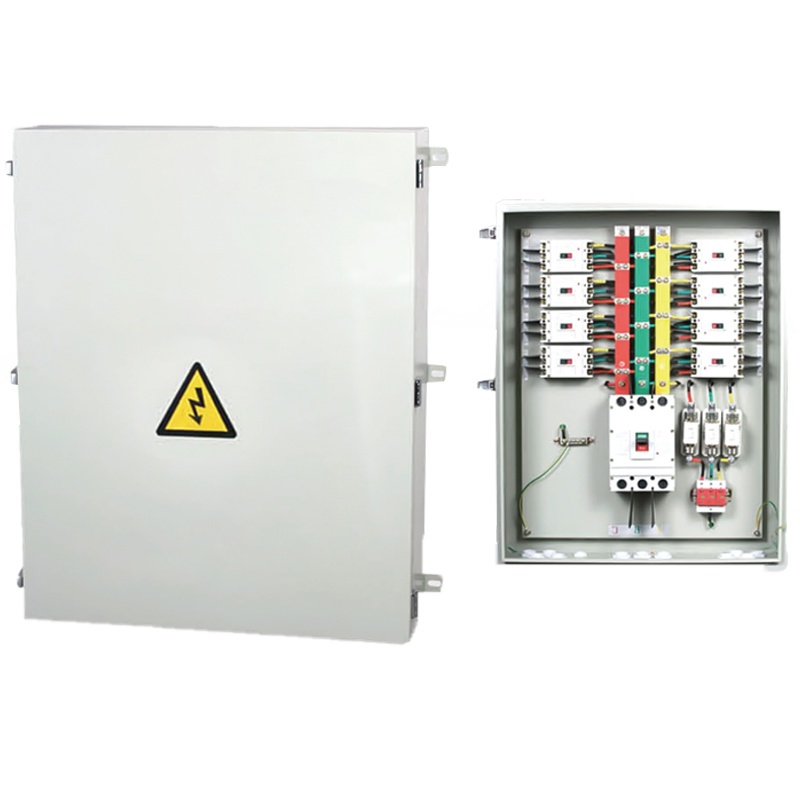
    What is an SF6 Load Break Switch?

    An SF6 load break switch uses Sulfur Hexafluoride (SF6) gas as the arc extinguishing medium. It is designed to switch normal load currents and provide fault protection through fuses or separate relays. SF6 LBS units are compact, reliable, and widely used in ring main units and distribution cabinets.

    What is a Vacuum Circuit Breaker?

    A vacuum circuit breaker uses vacuum as the arc extinguishing medium inside sealed vacuum interrupters. VCBs are designed to interrupt both normal load currents and short-circuit fault currents. They are commonly used in substations, switchgear, and protection panels.

    Key Differences: SF6 LBS vs VCB

    Feature SF6 Load Break Switch Vacuum Circuit Breaker
    Arc Medium SF6 Gas Vacuum
    Short-Circuit Breaking No (fuses required) Yes
    Compact Size Very High Moderate
    Maintenance Minimal Minimal
    Environmental Impact High (GHG) Zero
    Cost Lower Higher
    Typical Application RMU, Distribution Substations, Protection

    SF6 Load Break Switch: Advantages and Limitations

    Advantages

    • Compact Design: SF6 gas has excellent dielectric properties, allowing for very compact switchgear
    • Reliable Performance: Proven technology with decades of field experience
    • Low Maintenance: Sealed gas system requires minimal maintenance
    • Cost-Effective: More affordable than VCB-based solutions
    • Safe Operation: Internal arc containment and interlock mechanisms

    Limitations

    • Environmental Concerns: SF6 is a potent greenhouse gas (23,500x more warming than CO2)
    • Cannot Interrupt Short Circuits: Requires fuses or separate protection
    • Leakage Risk: Gas leaks over time require monitoring
    • Regulatory Pressure: Increasing regulations on SF6 use in Europe and other regions

    Vacuum Circuit Breaker: Advantages and Limitations

    Advantages

    • Full Fault Breaking: Can interrupt short-circuit currents up to 40kA or more
    • Environmentally Friendly: No greenhouse gases, vacuum is clean
    • Long Electrical Life: Thousands of operations without maintenance
    • High Reliability: Sealed vacuum interrupters are very reliable
    • Suitable for Protection: Can be used with protection relays for complete fault protection

    Limitations

    • Larger Size: Vacuum interrupters are larger than SF6 interrupters
    • Higher Cost: More expensive than SF6 LBS solutions
    • Overvoltage Issues: Can generate switching overvoltages that require protection
    • Limited to Medium Voltage: Not practical for very high voltage applications

    Which One Should You Choose?

    The choice between SF6 LBS and VCB depends on your specific application requirements:

    Choose SF6 Load Break Switch If:

    • You need a compact, cost-effective solution for ring main units
    • Short-circuit protection is provided by fuses or upstream devices
    • Space is limited (e.g., underground distribution, compact substations)
    • Your project is in a region with less strict environmental regulations

    Choose Vacuum Circuit Breaker If:

    • You need full short-circuit protection at the point of installation
    • Environmental regulations prohibit or restrict SF6 use
    • You need high-frequency switching operations
    • The application requires protection relay coordination

    Hybrid Solutions

    Many modern ring main units use a hybrid approach: load break switches for normal switching operations and a VCB or fuse combination unit for fault protection. This combines the compactness of SF6 LBS with the full protection of VCBs, offering the best of both worlds.

    Frequently Asked Questions (FAQ)

    Can I replace SF6 LBS with VCB in my existing RMU?

    It is possible but requires significant modification. The mounting dimensions, operating mechanism, and protection settings will all need to be changed. In most cases, it is more cost-effective to replace the entire RMU unit.

    Is SF6 being banned?

    SF6 is not completely banned, but its use is increasingly regulated. The EU F-Gas regulations have restricted SF6 use in new medium-voltage switchgear since 2025. Many countries are following similar paths.

    How long does a vacuum interrupter last?

    Vacuum interrupters typically have a mechanical life of 10,000-30,000 operations and an electrical life of 30-50 years. They are sealed for life and require no maintenance.

    Which is safer: SF6 or VCB?

    Both are very safe when properly installed and maintained. VCBs are safer from an environmental perspective, while SF6 units have excellent internal arc containment properties. Both meet strict safety standards.

    Can VCB be used in a ring main unit?

    Yes, VCBs are increasingly used in RMUs, especially solid-insulated types. They offer full protection without the environmental concerns of SF6. The main trade-off is larger size and higher cost.

    What is the typical price difference?

    A VCB unit typically costs 2-3 times more than an SF6 LBS unit for the same voltage and current ratings. However, the total cost of ownership may be comparable when considering environmental compliance and maintenance costs.

    About Electric-GS

    Electric-GS manufactures both SF6 load break switches and vacuum circuit breakers for medium-voltage applications. We offer a wide range of switching devices, including complete ring main units, VCB panels, and custom switchgear solutions.

    Our products are certified to IEC, CE, and other international standards. We provide OEM/ODM services for global clients, with competitive pricing and reliable delivery.

    Contact us at info@electric-gs.com or WhatsApp: +86 135 8897 8050 for product inquiries. Visit our website at electricgs.com to explore our complete electrical equipment catalog.

  • PV Combiner Box Sizing Guide: How Many Strings Do You Need?

    Electrical Equipment

    Electrical Equipment

    Electrical Equipment

    Electrical Equipment

    What is a PV Combiner Box?

    A Photovoltaic (PV) combiner box is an essential component in solar power systems. It combines multiple solar panel strings into a single output before connecting to the inverter. PV combiner boxes provide overcurrent protection, surge protection, and disconnect functionality for safe and reliable operation of solar arrays.

    Why Do You Need a PV Combiner Box?

    PV combiner boxes offer several critical benefits for solar installations:

    • Simplified Wiring: Reduces the number of wires running from the array to the inverter
    • Overcurrent Protection: Protects against short circuits and overcurrent conditions
    • Surge Protection: Shields the system from lightning strikes and voltage spikes
    • Safe Maintenance: Allows for easy disconnection during servicing
    • Monitoring Capabilities: Some models include string monitoring for performance tracking

    Types of PV Combiner Boxes

    There are two main types of PV combiner boxes available:

    DC Combiner Box

    DC combiner boxes are installed between the solar panels and the inverter. They combine multiple DC strings from the solar array into a single DC output. These are the most common type used in grid-tied solar systems.

    AC Combiner Box

    AC combiner boxes are installed after the inverter, combining AC outputs from multiple inverters. They are typically used in large-scale solar plants with multiple inverters.

    Key Components of a PV Combiner Box

    Component Function Importance
    PV Fuses Overcurrent protection for each string Critical
    MC4 Connectors Secure electrical connections High
    Surge Protection Device (SPD) Protects against voltage spikes Critical
    DC Disconnect Switch Safe isolation for maintenance High
    Current Sensors String monitoring and performance tracking Medium
    Enclosure Weatherproof protection High

    How to Size a PV Combiner Box

    Proper sizing of a PV combiner box is crucial for system performance and safety. Follow these steps:

    Step 1: Determine the Number of Strings

    Count how many solar panel strings you have. Each string will require an input position in the combiner box. Common configurations include 4, 8, 12, 16, 24, or 32 strings.

    Step 2: Calculate the Maximum Current

    Multiply the number of strings by the short-circuit current (Isc) of each panel. The combiner box must be rated to handle this maximum current.

    Step 3: Select the Fuse Rating

    Fuse ratings should be 125%-150% of the string short-circuit current. This provides adequate protection without nuisance tripping.

    Step 4: Consider the Voltage Rating

    Ensure all components (fuses, breakers, SPD) are rated for the maximum system voltage, typically 1000V DC or 1500V DC for modern solar systems.

    PV Combiner Box vs. Inverter: What’s the Difference?

    Many people confuse PV combiner boxes with inverters. Here’s how they differ:

    • Combiner Box: Combines multiple DC strings, provides protection, no power conversion
    • Inverter: Converts DC power from panels to AC power for the grid

    Both are essential components in a solar system, but they serve different purposes.

    Installation Best Practices

    Follow these best practices for safe and reliable installation:

    • Install the combiner box in a shaded, accessible location
    • Ensure proper grounding of all components
    • Use appropriate cable sizes based on current and distance
    • Label all strings for easy troubleshooting
    • Seal all cable entry points to prevent water ingress
    • Follow NEC (National Electrical Code) or local standards

    Frequently Asked Questions (FAQ)

    Do I really need a PV combiner box?

    Yes, especially for systems with more than 2 strings. A combiner box simplifies wiring, provides protection, and makes maintenance safer. Most inverters only have 1-2 DC inputs, so combiners are essential for larger systems.

    What size combiner box do I need for a 100kW solar system?

    A typical 100kW system might have 20-30 strings, depending on panel wattage. You would need a 24 or 32 string combiner box rated for 1000V or 1500V DC, with appropriate fuse ratings.

    Can I install a PV combiner box outdoors?

    Yes, but you need an outdoor-rated enclosure (NEMA 4 or IP65/IP66 rating). Indoor combiner boxes should not be installed outdoors as they are not weatherproof.

    How much does a PV combiner box cost?

    Prices vary based on capacity and features. A basic 4-string combiner box starts at $50-$100. Larger 24-string units with monitoring can cost $500-$1,500.

    What is the typical lifespan of a PV combiner box?

    A well-maintained PV combiner box can last 20-25 years, matching the lifespan of the solar panels. Electronic components like SPDs may need replacement every 5-10 years.

    Can I use an AC combiner box for DC applications?

    No, absolutely not. AC and DC combiner boxes are designed differently. DC systems require fuses rated for DC voltage, and AC fuses will not interrupt DC arcs properly. Always use the correct type for your application.

    About Electric-GS

    Electric-GS is a leading manufacturer of PV combiner boxes and electrical equipment based in Yueqing, Zhejiang, China. We offer a wide range of DC and AC combiner boxes for solar power systems, with customizable configurations to meet your specific project requirements.

    Our products are certified to IEC, CE, and UL standards, ensuring quality and safety. We serve clients worldwide, providing OEM/ODM services, competitive pricing, and reliable after-sales support.

    Contact us at info@electric-gs.com or WhatsApp: +86 135 8897 8050 for inquiries. Visit our website at electricgs.com to learn more about our solar products and solutions.

  • RMU Selection Guide: Types, Features and How to Choose

    What is a Ring Main Unit (RMU)?

    RMU Ring Main Unit

    A Ring Main Unit (RMU) is a compact, factory-assembled, gas-insulated switchgear used in medium-voltage distribution networks. It serves as the connection point between the main distribution grid and secondary distribution transformers. RMUs are essential for urban power distribution, industrial plants, commercial buildings, and renewable energy installations.

    Key Types of RMUs

    There are three main types of RMUs available in the market today. Each type has its own advantages and ideal use cases.

    1. SF6 Gas-Insulated RMU

    SF6 (Sulfur Hexafluoride) insulated RMUs have been the industry standard for decades. They offer excellent dielectric properties and long service life. However, SF6 is a potent greenhouse gas, which has led to increasing regulatory pressure.

    2. Solid Insulated RMU

    Solid insulated RMUs use epoxy resin or similar materials as the insulation medium. They are SF6-free and environmentally friendly. These units are increasingly popular due to environmental regulations and sustainability goals.

    3. Air-Insulated RMU

    Air-insulated RMUs use ambient air as the insulation medium. They are cost-effective and easy to maintain, but they are larger in size and more sensitive to environmental conditions.

    RMU Selection Comparison Table

    Feature SF6 RMU Solid Insulated RMU Air-Insulated RMU
    Insulation Medium SF6 Gas Epoxy Resin Ambient Air
    Size Compact Compact Larger
    Environmental Impact High (GHG) Zero Zero
    Maintenance Low Very Low Moderate
    Cost Medium Medium-High Low
    Typical Application Urban Grid Green Projects Rural/Industrial

    Key Selection Factors

    When selecting an RMU for your project, consider the following factors:

    Voltage Level

    Most RMUs operate at medium voltage levels between 10kV and 35kV. Ensure the RMU you select matches your distribution network voltage.

    Rated Current

    The rated current should be sufficient for your load requirements. Common ratings include 630A, 1250A, and 2000A.

    Short-Circuit Breaking Capacity

    The RMU must be able to withstand and interrupt short-circuit currents. Typical ratings range from 16kA to 25kA for 1 second.

    Environmental Conditions

    Consider the installation environment: indoor vs. outdoor, temperature range, humidity, and pollution levels. Outdoor RMUs require additional protection against weather.

    Protection Requirements

    Determine what protection functions you need: overcurrent protection, earth fault protection, transformer protection, etc. Some RMUs come with integrated protection relays.

    RMU Installation Best Practices

    Proper installation is crucial for reliable RMU operation:

    • Ensure the foundation is level and can support the RMU weight
    • Check all electrical connections for tightness
    • Verify grounding connections meet local standards
    • Perform insulation resistance tests before energization
    • Follow the manufacturer’s installation manual carefully

    Frequently Asked Questions (FAQ)

    What is the typical lifespan of an RMU?

    A well-maintained RMU can last 30-40 years. SF6 RMUs typically have a longer lifespan than solid insulated types due to their proven technology.

    How often does an RMU need maintenance?

    SF6 RMUs require minimal maintenance – typically just visual inspections every 3-5 years. Solid insulated RMUs are virtually maintenance-free. Air-insulated RMUs need more frequent inspections, usually annually.

    Can RMUs be used in solar power plants?

    Yes, RMUs are widely used in solar power plants to connect multiple inverter stations to the main grid. They provide protection and switching capabilities for medium-voltage collection systems.

    What is the difference between RMU and switchgear?

    RMU is a type of compact switchgear designed specifically for ring main distribution. Traditional switchgear is larger, more modular, and used in main substations. RMUs are essentially smaller, pre-assembled switchgear units for secondary distribution.

    Are solid insulated RMUs reliable?

    Yes, modern solid insulated RMUs are highly reliable. They have been extensively tested and deployed in projects worldwide. The epoxy insulation material has excellent dielectric properties and long-term stability.

    How much does an RMU cost?

    The cost varies depending on voltage rating, configuration, and features. A basic 10kV RMU typically starts at $2,000-$5,000. More complex configurations with protection relays and monitoring can cost $10,000+.

    About Electric-GS

    Electric-GS is a professional electrical equipment manufacturer based in Yueqing, Zhejiang, China. With over 20 years of experience, we specialize in ring main units, switchgear, circuit breakers, and complete power distribution solutions. We offer OEM/ODM services for global clients, including customized designs, competitive pricing, and reliable after-sales support.

    For inquiries, contact us at info@electric-gs.com or WhatsApp: +86 135 8897 8050. Visit our website at electricgs.com to learn more about our products and services.

  • How to Choose the Right Solar Combiner Box Manufacturer

    Choosing the right pv-combiner-box-sizing-guide-how-many-strings-do-you-need/”>solar combiner box manufacturer is as important as choosing the right product. A good manufacturer saves you money, avoids delays and ensures reliable performance. This guide explains how to evaluate and choose the best supplier.

    1. Experience and Track Record

  • PV Grid-Connected Cabinet: Sizing and Selection Guide

    Choosing the right PV grid-connected cabinet is critical for a solar plant. The cabinet protects inverters, metering devices and grid connection equipment. This guide explains how to size and select the right cabinet for your project.

    What Is a PV Grid-Connected Cabinet?

    PV combiner box</a>” style=”width:100%;max-width:800px;display:block;margin:20px auto;”></p>
<p>A <a href=PV grid-connected cabinet sits between the solar inverter and the utility grid. It contains AC breakers, surge protection, metering, isolation switches and sometimes power quality devices. It ensures safe and compliant grid connection.

    Key Factors for Sizing

    1. System Power and Current

    Calculate the maximum current. For a 100 kW three-phase system at 400V, current is about 144A. Choose a cabinet rated at least 25% above this value for future expansion and safety margin.

    2. Number of Inverters

    Each inverter needs its own AC breaker. If you have 4 inverters, the cabinet needs 4 breaker ways plus a main breaker. Plan for spare ways if you may add inverters later.

    3. Grid Code Requirements

    Different countries have different grid codes. Some require anti-islanding protection, power factor control, or remote trip capability. Make sure the cabinet includes required protection relays and meters.

    4. Environmental Conditions

    Outdoor cabinets need IP54 or higher protection. Coastal or dusty sites need IP65. Indoor cabinets can be IP30 or IP40. Temperature range matters too: outdoor cabinets need fans or heaters for extreme climates.

    Typical Cabinet Components

    Component Purpose
    Main AC breaker Isolate the whole plant from grid
    Inverter breakers Individual isolation for each inverter
    AC surge protector Protect against grid surges
    CTs and meter Measure exported energy
    Isolation switch Visible break for maintenance
    Protection relay Anti-islanding, over/under voltage/frequency

    Sizing Example

    For a 500 kW solar plant with 5 x 100 kW inverters:

    • Main breaker: 1000A, 3-phase
    • Inverter breakers: 5 x 250A
    • AC SPD: 40kA, Type 2
    • Meter: 0.5S class CT meter
    • Cabinet size: ~800x600x2000mm

    Where to Buy

    Buy from a manufacturer that understands your local grid code. Chinese manufacturers offer good value for OEM/ODM projects. Look for certifications like IEC, CE and local grid approvals.

    Frequently Asked Questions

    Can I use a standard LV switchgear cabinet?

    You can, but PV applications need specific protection functions like anti-islanding. A purpose-built PV grid cabinet is safer and simpler.

    What IP rating do I need outdoors?

    IP54 minimum for covered outdoor installation. IP65 if fully exposed to rain and dust.

    Do I need a protection relay?

    In most countries, yes. Grid codes require anti-islanding and over/under voltage protection. Check your local utility requirements.

    Conclusion

    Sizing a PV grid-connected cabinet requires careful calculation of current, breaker ways and protection requirements. Plan for expansion, match local grid codes, and buy from an experienced manufacturer.

    Electric-GS designs and builds PV grid-connected cabinets from 100 kW to multi-MW systems. The company provides OEM/ODM service from Yueqing, China. Contact info@electricgs.com or WhatsApp +86 135 8897 8050 for a custom quote.

  • Solar Combiner Box: Common Problems and Quick Fixes

    Common Problems in Solar Combiner Boxes

    Solar combiner boxes are critical components in PV systems, but they can develop issues over time. Understanding these common problems and how to fix them will help you maintain maximum energy production and prevent downtime.

    Solar combiner box common problems

    1. Blown Fuses

    The most common issue. A blown fuse indicates a ground fault or short circuit in that string. Always investigate the cause before replacing the fuse. Check for damaged cables, loose connections, or faulty panels.

    2. SPD Failure

    Surge protective devices degrade after absorbing lightning strikes. Check the status window regularly—if it turns red, the SPD needs replacement. Most SPDs last 3-5 years.

    3. Water Ingress

    Poor cable gland sealing is the #1 cause of water damage. Inspect glands after storms. Water inside the combiner box causes corrosion and short circuits.

    PV combiner box</a> internal components” style=”width:100%;max-width:800px;display:block;margin:20px auto;”></p>
<h3>4. Loose Connections</h3>
<p>Vibration over time loosens DC terminals. Torque all connections annually. Loose connections are the leading cause of PV system fires.</p>
<h3>5. String Mismatch</h3>
<p>If one string produces significantly less power, check for: shaded panels, dirty panels, blown fuses, or broken panels. Clean panels and check connections.</p>
<h2>About Electric-GS</h2>
<p>Electric-GS manufactures high-quality <a href=PV combiner boxes with built-in protection. Contact us: info@electric-gs.com | WhatsApp: +86 135 8897 8050 | Sister site.

  • PV Combiner Box Maintenance Checklist: Prevent Failures

    Regular maintenance keeps your PV combiner box safe and reliable. Neglected boxes can develop loose connections, corroded contacts or degraded surge protectors. This guide gives you a practical maintenance checklist for DC and AC combiner boxes in solar plants.

    Why Combiner Box Maintenance Matters

  • DC vs AC Combiner Box: Which One Does Your Solar Plant Need?

    Solar installers often ask whether they need a DC combiner box, an AC combiner box, or both. The answer depends on your system design. This guide explains the key differences, where each goes, and how to choose between them.

    What Is a DC Combiner Box?

    PV combiner box</a>” style=”width:100%;max-width:800px;display:block;margin:20px auto;”></p>
<p>A DC combiner box sits between the solar panels and the inverter. It combines multiple PV string inputs into one or two outputs. Each input has its own fuse or circuit breaker. The box also provides surge protection and a visible disconnect for safe maintenance.</p>
<ul>
<li><strong>Inputs:</strong> 4 to 24 strings of PV modules</li>
<li><strong>Voltage range:</strong> Up to 1500V DC (standard for utility-scale plants)</li>
<li><strong>Key components:</strong> string fuses, DC SPD, DC disconnect, monitoring bus</li>
<li><strong>Typical use:</strong> large ground-mounted solar farms, rooftop arrays with many strings</li>
</ul>
<h2>What Is an AC Combiner Box?</h2>
<p>An AC combiner box sits on the AC side, between inverter outputs and the main switchgear. It combines multiple inverter outputs into a single feeder. It contains AC breakers, surge protection, and sometimes metering.</p>
<ul>
<li><strong>Inputs:</strong> multiple inverter AC outputs (e.g., 4 to 12 inverters)</li>
<li><strong>Voltage:</strong> 400V or 480V AC, three-phase</li>
<li><strong>Key components:</strong> AC breakers, AC SPD, CTs for metering, main busbar</li>
<li><strong>Typical use:</strong> commercial solar plants with multiple inverters, battery storage systems</li>
</ul>
<h2>DC vs AC Combiner Box: Key Differences</h2>
<table>
<thead>
<tr>
<th>Factor</th>
<th>DC Combiner Box</th>
<th>AC Combiner Box</th>
</tr>
</thead>
<tbody>
<tr>
<td>Location</td>
<td>Between panels and inverter</td>
<td>Between inverters and grid</td>
</tr>
<tr>
<td>Voltage</td>
<td>Up to 1500V DC</td>
<td>400/480V AC</td>
</tr>
<tr>
<td>Key risk</td>
<td>DC arc fault, high voltage</td>
<td>Overcurrent, backfeed</td>
</tr>
<tr>
<td>Cost</td>
<td>Lower (per channel)</td>
<td>Higher (heavier breakers)</td>
</tr>
<tr>
<td>Maintenance</td>
<td>Check fuses after storms</td>
<td>Routine breaker testing</td>
</tr>
<tr>
<td>IP rating</td>
<td>IP65 typical (outdoor)</td>
<td>IP54-IP65</td>
</tr>
</tbody>
</table>
<h2>Which One Do You Need?</h2>
<p>Most grid-tied solar plants need <strong>both</strong>: a DC combiner on the string side and an AC combiner on the inverter side. Small rooftop systems (under 100 kW) can skip the DC combiner if each inverter has integrated string fuses. Utility-scale plants always need both.</p>
<p>When choosing, match the box rating to your string count, current and voltage. Always use components certified for PV applications. A wrong selection can create fire hazards or invalidate your warranty.</p>
<h2>Frequently Asked Questions</h2>
<h3>Can I use an AC combiner as a DC combiner?</h3>
<p>No. AC breakers do not interrupt DC current safely. DC circuits need specially rated breakers or fuses that extinguish the DC arc.</p>
<h3>Do off-grid systems need both boxes?</h3>
<p>Off-grid systems usually need a DC combiner between panels and charge controllers. An AC combiner is only needed if you have multiple inverters or multiple AC sources.</p>
<h3>What IP rating is required?</h3>
<p>Outdoor boxes should be at least IP65. Indoor boxes can be IP54. Coastal or dusty sites need higher protection.</p>
<h2>Conclusion</h2>
<p>DC and AC combiner boxes serve different purposes in a solar system. Understanding where each goes helps you design a safe, compliant and cost-effective PV plant. For project-specific advice, contact an experienced manufacturer.</p>
<p>Electric-GS is a professional power and electrical equipment manufacturer based in Yueqing, Zhejiang, China. The company produces DC combiner boxes, AC distribution boxes, PV <a href=grid-connected cabinets and related switchgear. OEM and ODM support is available for international projects. For a quotation, contact info@electricgs.com or WhatsApp +86 135 8897 8050.