
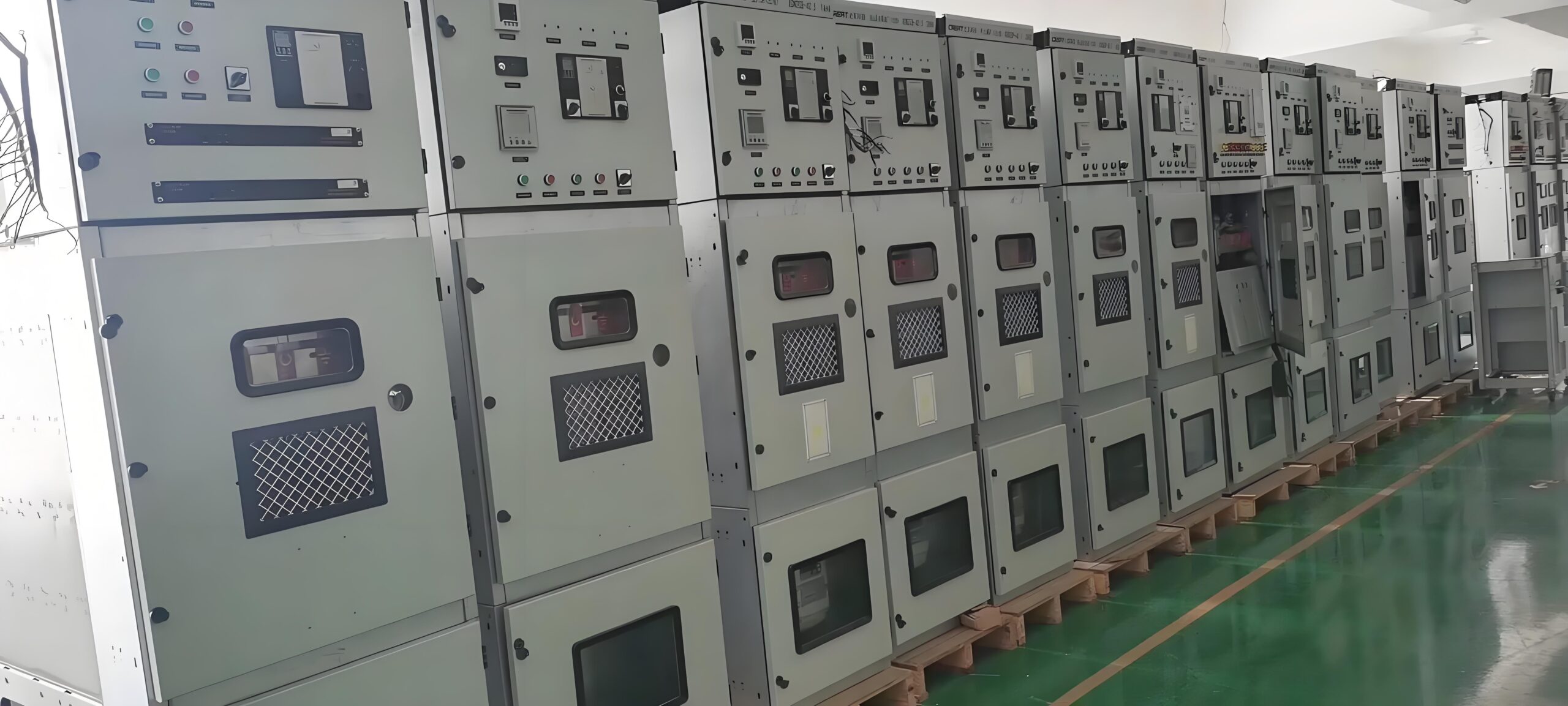
What is Gas Insulated Switchgear (GIS Cabinet)?
Gas Insulated Switchgear (GIS Cabinet) is an electrical device that uses sulfur hexafluoride (SF6) gas as the primary insulating and arc-extinguishing medium. The GIS cabinet consists of metal-enclosed compartments housing essential components such as circuit breakers, disconnect switches, busbars, transformers, grounding switches, and surge arresters. Due to its compact structure and superior insulation performance, GIS cabinets are widely used in urban power grids, industrial parks, power stations, subways, railways, and data centers.
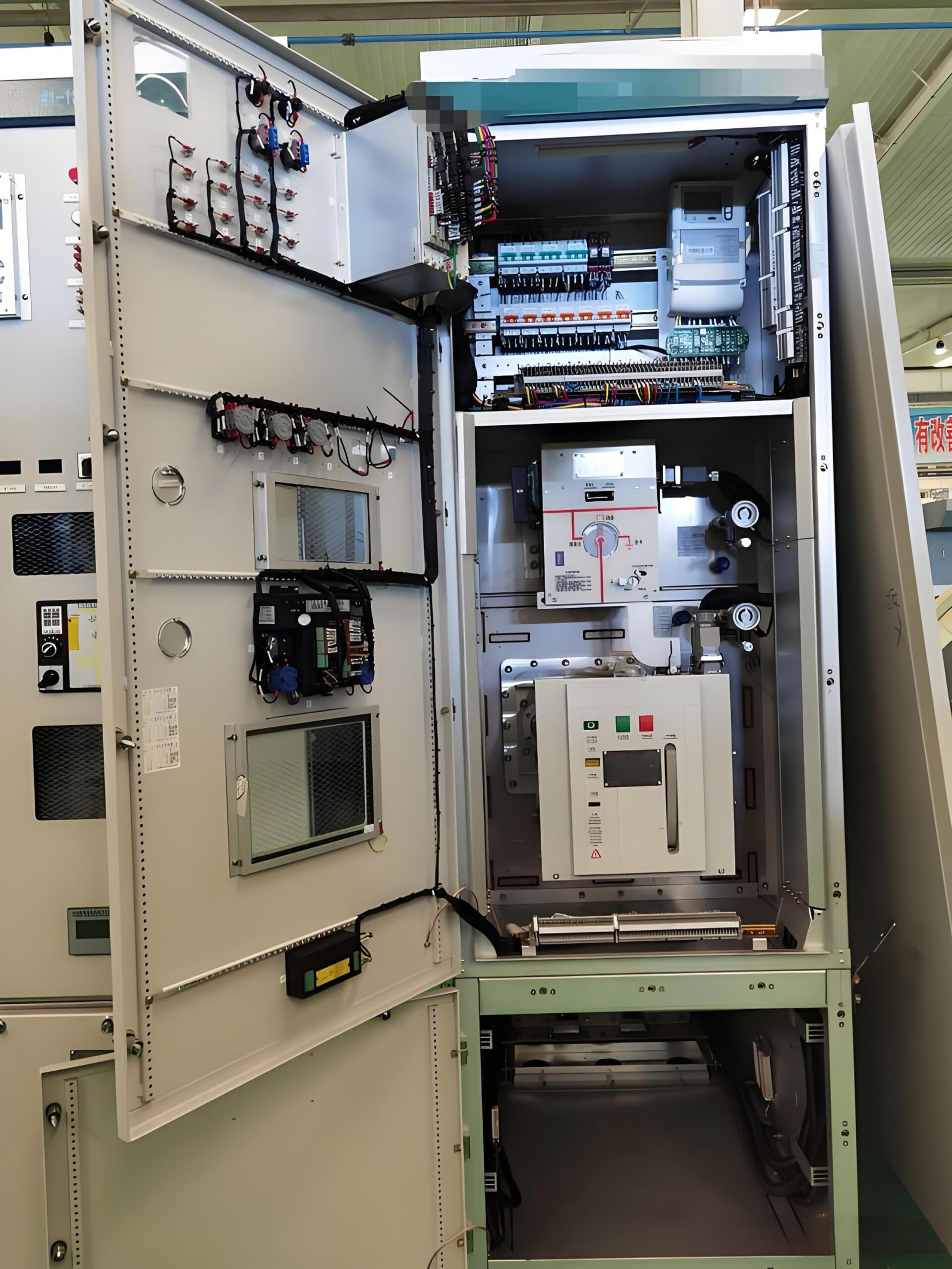
Main Components of GIS Cabinet CHNGS
1. Circuit Breaker
A circuit breaker is one of the core components of a GIS cabinet. It rapidly cuts off current in the event of a short circuit or overload to prevent equipment damage. GIS cabinet circuit breakers typically use vacuum or SF6 as the arc-extinguishing medium to enhance performance and safety.
2. Disconnect Switch
Disconnect switches isolate a section of the circuit from the system during maintenance or testing to ensure safety. In GIS cabinets, disconnect switches use SF6 gas as an insulating medium and support manual or remote operation.
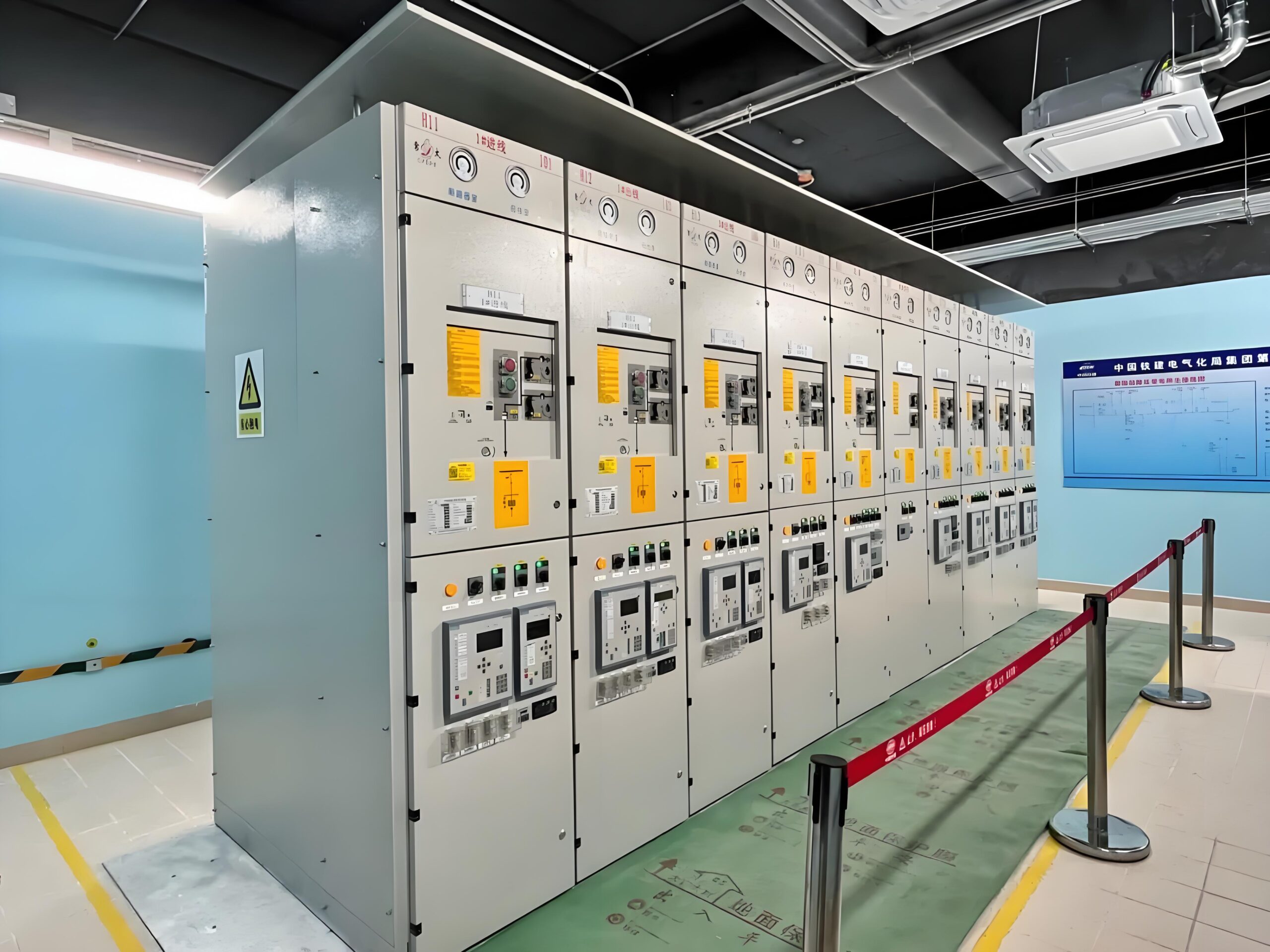
3. Busbar
Busbars are conductors within GIS cabinets that transmit power between different system components, such as generators, transformers, and feeders. Due to the high dielectric strength of SF6 gas, GIS cabinet busbars can withstand higher voltages and reduce partial discharge risks.
4. Transformer
Transformers primarily adjust voltage or current levels to meet measurement and protection requirements. GIS cabinets typically include current transformers (CTs) and potential transformers (PTs), using SF6 gas for insulation to enhance measurement accuracy and system stability.
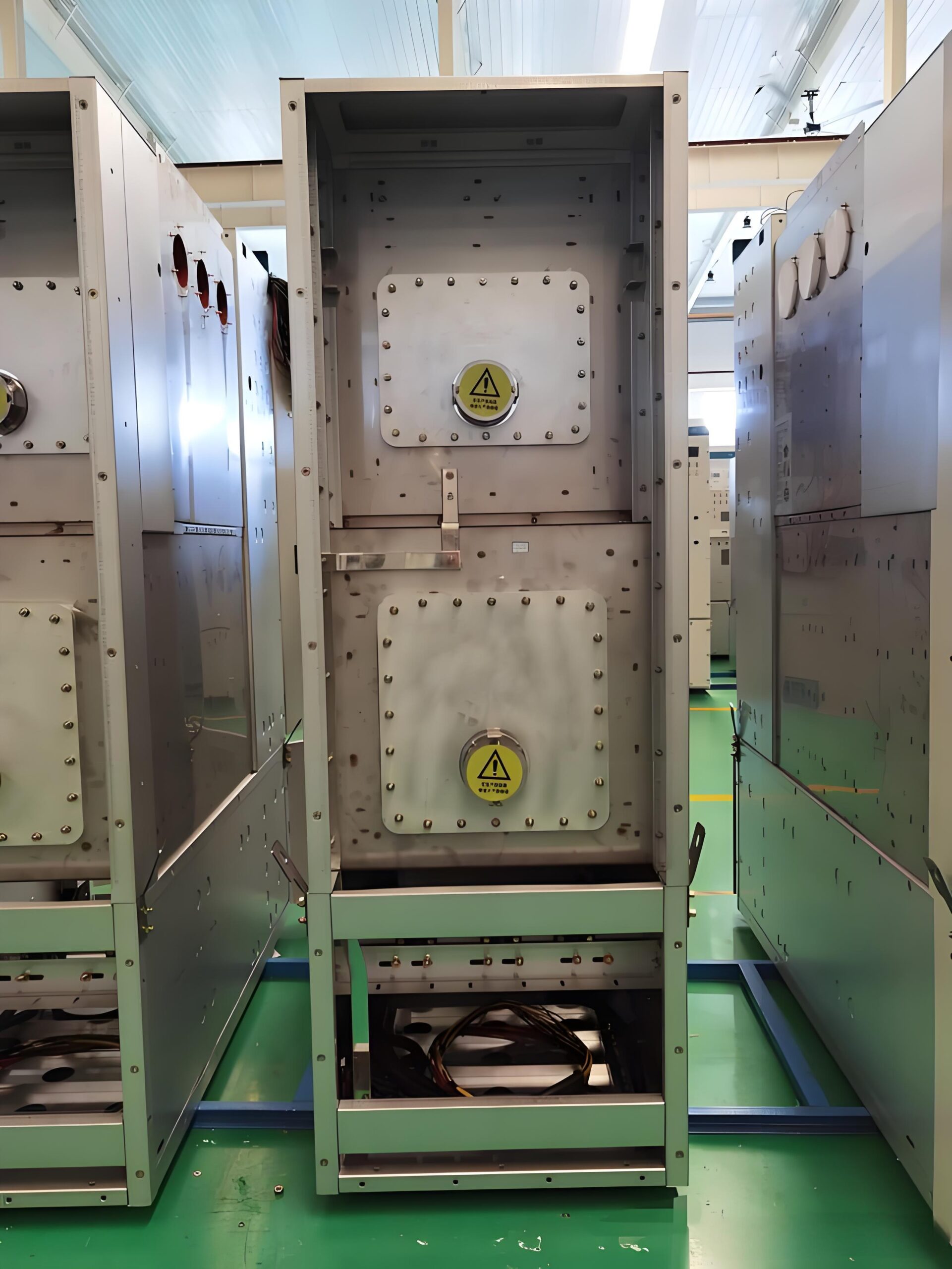
5. Grounding Switch
Grounding switches connect specific parts of the GIS cabinet to the ground during maintenance or faults to prevent electric shock and equipment damage. GIS cabinet grounding switches are designed for manual or electric operation to ensure reliable protection.
6. Surge Arrester
Surge arresters protect GIS cabinets from overvoltage caused by lightning strikes or switching operations. GIS cabinets commonly use metal oxide varistors (MOVs) with SF6 gas insulation to improve system resistance to electrical disturbances.
How GIS Cabinets Work
The core principle of GIS cabinets is utilizing SF6 gas for insulation and arc extinction. SF6 gas offers several advantages:
- High dielectric strength: Several times higher than air, allowing it to withstand greater voltages.
- Excellent arc-extinguishing properties: Effectively suppresses arcs and improves circuit breaker performance.
- High thermal stability: Can withstand high temperatures, ensuring long-term stable operation.
Circuit Breaker Operation Process:
- Normal Operation: The circuit breaker contacts are closed, allowing current to flow normally.
- Fault Occurrence: If a short circuit or overload occurs, the circuit breaker contacts separate, generating an arc.
- Arc Extinction Process: SF6 gas extinguishes the arc through two mechanisms:
- Thermal Interruption: SF6 gas absorbs the heat from the arc, increasing resistance until the current reaches zero and the arc is extinguished.
- Dielectric Interruption: SF6 gas absorbs free electrons, restoring dielectric strength and preventing arc reignition.
- Recovery Operation: After arc extinction, the circuit breaker can close again, restoring normal circuit operation.
Advantages and Applications of GIS Cabinets
Advantages
- Space-saving: Compact design takes up less space than traditional Air Insulated Switchgear (AIS).
- High reliability: Sealed structure minimizes environmental impact and enhances operational stability.
- Low maintenance costs: SF6 gas prevents contamination, extending maintenance intervals.
- Strong environmental adaptability: Suitable for humid, polluted, and high-altitude environments.
Application Scenarios
- Urban Distribution Networks: Used in high-rise buildings, industrial zones, and underground substations.
- Power Generation and Transmission Systems: Essential in power plants and substations.
- Rail Transit: Provides stable power supply for subways and railways.
- Renewable Energy Sector: Enhances system stability in wind and solar power stations.
- Data Centers: Ensures a reliable power system for critical infrastructure.
Future Trends in GIS Cabinets
With the development of smart grids, GIS cabinets are evolving toward greater efficiency, intelligence, and environmental sustainability:
- Eco-friendly gas alternatives to SF6: Research on new insulating gases such as CF3I and N2 mixtures aims to reduce greenhouse gas emissions.
- Intelligent monitoring technology: Integration of sensors and IoT enables real-time status monitoring and predictive maintenance.
- Modular design: GIS cabinets are becoming more flexible for expansion and upgrades to meet diverse power grid demands.
Conclusion
Gas Insulated Switchgear (GIS Cabinet) plays a critical role in modern power systems due to its high reliability, compact design, and low maintenance costs. As smart grids and renewable energy continue to expand, GIS cabinet technology is advancing to provide safer, more efficient, and environmentally friendly power solutions.
Whether in traditional transmission and distribution systems or new energy applications, GIS cabinets remain an indispensable core component in the electrical industry.