A PV combiner box is an essential component in any solar photovoltaic (PV) system. Whether you are designing a small residential rooftop system or a large-scale utility solar farm, choosing the right PV combiner box directly impacts system safety, efficiency, and long-term reliability. This comprehensive guide explains what a PV combiner box is, how it works, key components, types, sizing considerations, and how to select the best PV combiner box for your specific application.
What is a PV Combiner Box?
A PV combiner box (also called a solar combiner box or photovoltaic combiner box) is an electrical enclosure that combines multiple DC strings from solar panels into fewer output circuits before sending power to the inverter. In larger PV systems, multiple solar panel strings produce DC power that needs to be consolidated safely and efficiently. The PV combiner box acts as the central junction where these strings meet.
Without a PV combiner box, each solar string would require its own conduit and run directly to the inverter, which is impractical, costly, and unsafe for systems with more than a few strings. A well-designed PV combiner box simplifies wiring, reduces installation labor, and provides critical protection for both the solar array and the inverter.
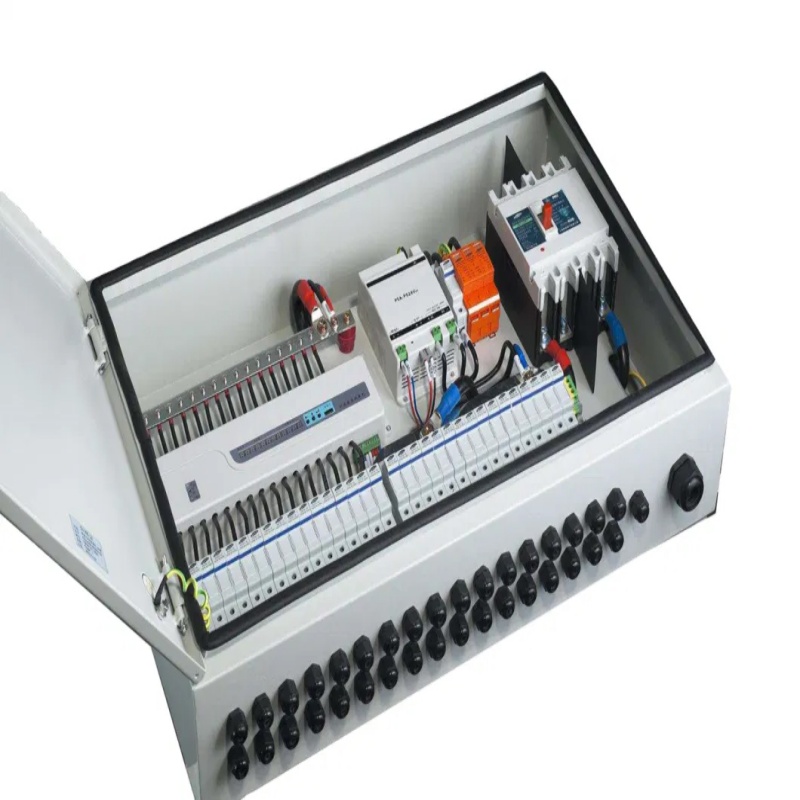
Key Components of a PV Combiner Box
A standard PV combiner box includes several essential components, each playing a vital role in system protection and performance:
1. Fuse Holders and Fuses
Each input string to the PV combiner box is protected by a dedicated DC fuse. These fuses prevent reverse current flow between strings and protect against overcurrent conditions caused by ground faults or panel mismatch. Using the correct fuse rating is critical for PV combiner box safety.
2. Circuit Breakers or Disconnect Switches
Most PV combiner box models include a main DC disconnect switch or circuit breaker that allows technicians to isolate the entire solar array from the inverter for maintenance and safety purposes. This is a mandatory safety feature in most jurisdictions.
3. Surge Protection Device (SPD)
A high-quality PV combiner box includes a DC surge protection device (Type 2 or Type 1+2 SPD) to protect the system from voltage spikes caused by lightning strikes or grid transients. This protects sensitive inverter electronics from damage.
4. Bus Bars and Wiring
The internal bus bars of a PV combiner box collect current from all strings and route it to the output terminals. Heavy-duty tinned copper bus bars ensure low resistance and reliable current carrying capacity.
5. Enclosure and Weatherproofing
The enclosure of a PV combiner box must be rated for outdoor use (typically IP65 or higher) to withstand rain, dust, UV exposure, and extreme temperatures. Common materials include coated steel, stainless steel, or UV-stabilized ABS plastic.

Types of PV Combiner Boxes
PV combiner box designs vary based on system size, voltage class, and application. Understanding the different types helps you choose the right PV combiner box for your project:
| Type | String Inputs | Voltage Rating | Typical Application |
|---|---|---|---|
| Small PV Combiner Box | 2-6 strings | 1000V DC | Residential and small commercial systems |
| Medium PV Combiner Box | 8-16 strings | 1000V / 1500V DC | Commercial rooftop and C&I systems |
| Large PV Combiner Box | 16-48+ strings | 1500V DC | Utility-scale solar farms |
| AC Combiner Box | N/A (AC side) | 400V / 690V AC | Combining inverter outputs before grid connection |
For most residential and small commercial installations, a 4- or 6-string PV combiner box with 1000V DC rating is sufficient. For utility-scale projects, 1500V PV combiner box systems are standard because they reduce system losses and allow longer cable runs.
How to Size a PV Combiner Box
Selecting the correct size PV combiner box is critical for both safety and performance. Follow these steps when sizing a PV combiner box:
Step 1: Count the Number of Strings
Determine how many solar panel strings will feed into the PV combiner box. Choose a PV combiner box with at least 20% spare capacity for future expansion. For example, if you have 8 strings, choose a 10- or 12-string PV combiner box.
Step 2: Determine Voltage Rating
Match the PV combiner box voltage rating to your system’s maximum system voltage (Vmppt). Most modern systems use 1000V or 1500V DC. Never use a PV combiner box with a lower voltage rating than your system’s maximum open-circuit voltage (Voc).
Step 3: Calculate Current Requirements
Sum the short-circuit currents (Isc) of all strings feeding the PV combiner box, then add a safety factor of 1.25. The bus bars, output breaker, and cabling must handle this total current without overheating.
Step 4: Select Fuse Ratings
Each string fuse in the PV combiner box should be sized between 1.25x and 1.6x the module’s rated short-circuit current (Isc). This ensures fast protection without nuisance blowing during normal operation.
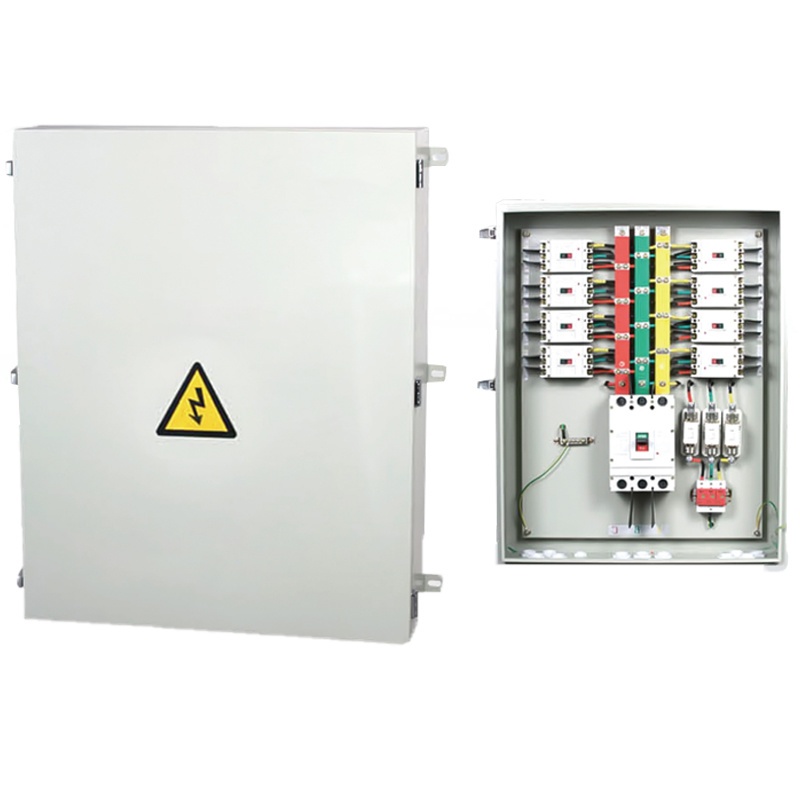
Benefits of Using a Quality PV Combiner Box
Investing in a high-quality PV combiner box delivers numerous benefits throughout the lifetime of your solar installation:
- Enhanced Safety: A properly designed PV combiner box with fuses, disconnect switches, and surge protection prevents fire hazards and protects maintenance personnel.
- Reduced Installation Cost: A centralized PV combiner box minimizes conduit runs, reduces labor hours, and simplifies wiring compared to running each string individually.
- Improved System Performance: Quality bus bars and terminals in a premium PV combiner box minimize resistive losses, maximizing the energy harvest from your solar array.
- Easy Monitoring and Maintenance: A well-organized PV combiner box makes troubleshooting, string-level monitoring, and future system expansion straightforward.
- Long-Term Reliability: Weatherproof enclosures and corrosion-resistant components ensure your PV combiner box performs reliably for 25+ years, matching the lifespan of your solar panels.
PV Combiner Box vs. Other Solar Components
Understanding how a PV combiner box fits into the overall solar system helps clarify its role:
The PV combiner box is installed on the DC side, between the solar panels and the inverter. It is different from a PV grid-connected cabinet, which handles AC-side protection and grid connection. For off-grid systems, you may also need a ring main unit (RMU) if the system includes backup generation or battery storage.
For more detailed sizing guidance, check our comprehensive guide on PV combiner box sizing and learn how to choose the right PV combiner box manufacturer for your project.
Common PV Combiner Box Installation Mistakes
Avoid these common mistakes when installing a PV combiner box:
- Undersized Fuses: Using fuses that are too small causes nuisance blowing; fuses that are too large fail to protect. Always match fuse ratings to module specifications.
- Poor Grounding: Inadequate grounding in the PV combiner box increases shock risk and reduces surge protection effectiveness.
- Missing Surge Protection: Skipping the SPD in your PV combiner box leaves the entire system vulnerable to lightning and grid transient damage.
- Incorrect Orientation: Mounting the PV combiner box facing direct sun or rain accelerates wear and reduces enclosure lifespan.
- Overloading String Inputs: Exceeding the rated string capacity of your PV combiner box causes overheating and fire hazards.
Frequently Asked Questions (FAQ)
Q1: What size PV combiner box do I need for a 10-string system?
A: For a 10-string system, choose a PV combiner box rated for 12-16 strings to allow for future expansion. The PV combiner box should have a 1000V or 1500V DC rating matching your system voltage, and each string should have its own fuse holder with appropriately sized DC fuses.
Q2: Can I install a PV combiner box indoors?
A: Yes, you can install a PV combiner box indoors as long as it is in a well-ventilated, accessible location away from living areas. However, most PV combiner box models are designed for outdoor installation and come with IP65-rated enclosures suitable for wall mounting near the solar array.
Q3: What is the difference between a 1000V and 1500V PV combiner box?
A: A 1500V PV combiner box allows longer string lengths and fewer voltage drop issues, making it ideal for utility-scale solar farms. A 1000V PV combiner box is standard for residential and small commercial systems. The key differences are insulation ratings, component voltage classes, and maximum system voltage compatibility.
Q4: How much does a PV combiner box cost?
A: The cost of a PV combiner box varies based on the number of strings, voltage rating, and included features. Basic 4-string PV combiner box models start around $150-$300, while larger 16-string 1500V PV combiner box units with full protection can range from $800-$2,500. Always prioritize safety features over upfront cost.
Q5: Do I need a PV combiner box for a small 2kW residential system?
A: For a very small 2kW system with only 1-2 strings, a PV combiner box may not be strictly necessary if the inverter has integrated string inputs. However, installing even a small PV combiner box provides added protection, easier maintenance access, and room for system expansion in the future.
Q6: How long does a PV combiner box last?
A: A quality PV combiner box with a corrosion-resistant enclosure and high-quality components typically lasts 25+ years, matching the design life of solar panels. Regular maintenance including torque checks, visual inspections, and SPD testing ensures your PV combiner box continues to perform reliably throughout its service life.
About Electric-GS
Electric-GS is a leading manufacturer of PV combiner box and solar electrical equipment based in Yueqing, Zhejiang, China. We specialize in OEM and ODM manufacturing of high-quality PV combiner box solutions for residential, commercial, and utility-scale solar projects worldwide. Our PV combiner box products are certified to IEC, CE, and UL standards, ensuring maximum safety and reliability.
Contact us today to discuss your PV combiner box requirements: Email: info@electric-gs.com | WhatsApp: +86 135 8897 8050
6 thoughts