Introduction to PV Combiner Box Installation
A PV combiner box is the critical junction between solar PV strings and the inverter. Proper installation ensures safety, maximum energy harvest, and long system life. Poor installation leads to ground faults, string mismatch, and even fire hazards. Here are the top 10 PV combiner box installation tips used by professional solar EPCs.
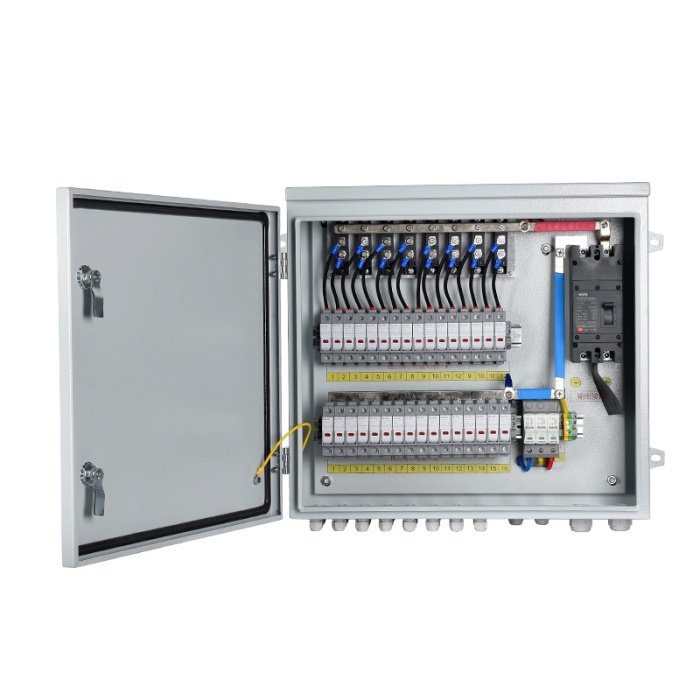
What Does a PV Combiner Box Do?
A solar combiner box merges multiple PV strings into a single output, provides overcurrent protection (fuses), surge protection (SPD), and often monitoring. It’s the heart of the DC side in any PV plant.
Top 10 Installation Tips
1. Mount at Eye Level for Maintenance
Install the combiner box 1.2-1.5 meters above ground. This height allows easy inspection of fuses, SPD status, and monitoring displays.
2. Use Proper Cable Glands
Stuffing glands must match cable diameter exactly. Use IP68-rated glands for outdoor installations. Leave no open holes—even small gaps allow water ingress.
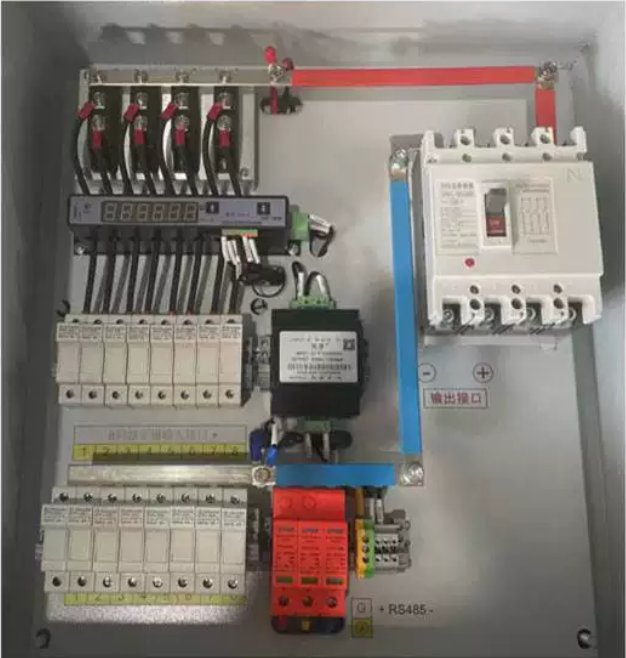
| Component | Specification | Check Before Energizing |
|---|---|---|
| Fuses | 15-30 gPV | All seated firmly |
| SPD | Type 2, DC 1000V | Green window showing |
| Grounding | ≤ 4 Ω | Continuity verified |
3. Label Every String
Number each input clearly (String 1, String 2, …). This makes troubleshooting fast—if a string underperforms, you know exactly which panels to inspect.
4. Tighten Torque to Spec
DC terminals vibrate loose over time. Torque all DC connections to the manufacturer’s spec (usually 1.2-1.5 Nm). Loose connections are the #1 cause of PV array fires.
5. Install SPD on Both Poles
Surge protective devices must be installed between + and – and between each pole and ground. A missing SPD in a lightning-prone area destroys inverters within years.
6. Keep Combiner Box Cool
Install in shaded areas or use ventilated enclosures. Internal temperatures above 60°C shorten fuse life and cause false trips.
7. Verify String Voltage Before Connection
Multimeter-check each string’s open-circuit voltage. Mismatched strings (over 2% difference) cause power loss. Never connect strings with different voltages.
8. Use MC4 Connectors Correctly
Only use certified MC4 connectors with the proper crimping tool. Hand-twisted or pliers-crimped connections are the second leading cause of DC faults.
9. Plan for Monitoring
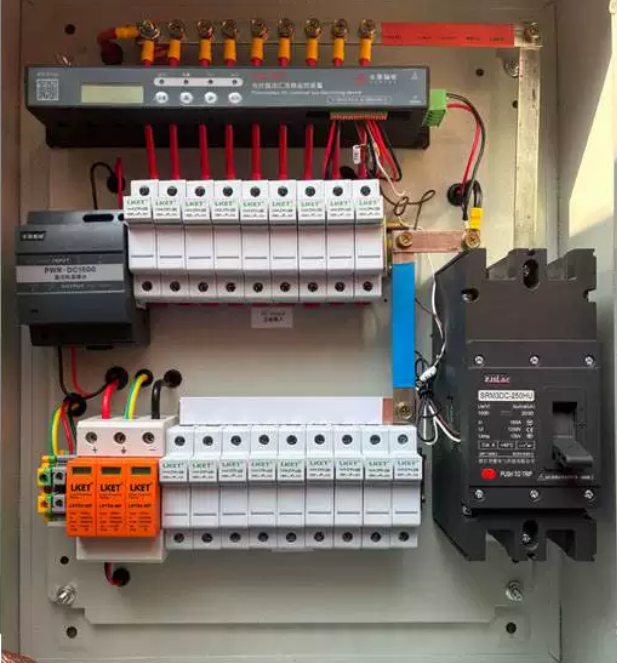
If the combiner has string monitoring, run communication cables (RS485/CAN) in separate conduits from DC power cables to avoid interference.
10. Test Before Energizing
Before connecting to the inverter: insulation resistance test (≥ 1 MΩ), polarity check, grounding continuity test. Catching a wiring error before energization saves hours of troubleshooting.
Frequently Asked Questions
How many strings can one combiner box handle?
Typical combiners handle 4, 8, 12, or 16 strings. For large plants, parallel multiple combiner boxes feed a main DC distribution cabinet.
What fuse rating should I use?
Typically 15-20A gPV fuses per string. Check panel spec sheet—fuse rating should be 1.56 times the short-circuit current of the PV modules.
Do I need a combiner box for a small residential system?
For systems under 10 kW with 2-4 strings, many string inverters have built-in inputs and no external combiner is needed.
What IP rating is needed?
Outdoor installations require IP65 or higher. Indoor combiner rooms can use IP54.
About Electric-GS
Electric-GS manufactures professional PV combiner boxes with integrated fuses, SPD, and string monitoring. Our DC combiners are certified to IEC 61643 and used in solar plants worldwide.
Get a free quote: info@electric-gs.com | WhatsApp: +86 135 8897 8050 | Explore products on our sister site.