Author: info@electric-gs.com

  • RMU Types Compared: SF6, Solid Insulated and Air Insulated

    Ring main units come in several insulation technologies. Choosing between them is one of the most common questions engineers face. Buyers also ask this question when planning a medium-voltage project. In this guide, we compare air-insulated and SF6 gas-insulated units side by side. We look at their strengths and limitations. Finally, we give you a practical decision path for your application.

    1. What Both Designs Share

    Both designs perform the same core function. They switch and protect medium-voltage feeders in ring networks. They work at voltages from 6 kV to 40.5 kV. Both are factory-assembled and metal-enclosed. In addition, both are tested to IEC 62271-200 for metal-enclosed switchgear. The real difference lies in the insulation and arc-quenching medium.

    2. Air-Insulated Ring Main Unit

    Air-insulated ring main units use atmospheric air for insulation and arc extinction. The design is simple and proven. In fact, there is no gas to monitor or handle.

    • Advantages: no gas handling, lower first cost, simple and low-cost maintenance, fully environmentally friendly
    • Limitations: larger footprint, more sensitive to pollution, humidity and high altitude
    • Best for: rural and suburban networks, indoor substations with available space, projects that prioritize low maintenance and sustainability

    A typical fixed-type example is the GSM6-12~24 Air-insulated RMU (Fixed Type).

    GSM6 air insulated ring main unit fixed type

    3. SF6 Gas-Insulated Ring Main Unit

    SF6 gas-insulated ring main units house switching devices in sealed compartments. These compartments are filled with sulfur hexafluoride. SF6 offers very high dielectric strength. It also gives excellent arc-extinguishing performance. In addition, it needs a fraction of the space that air requires.

    • Advantages: compact footprint, sealed against dust and moisture, stable performance in coastal, industrial and polluted environments
    • Limitations: SF6 has a very high global warming potential (about 23,500 times that of CO2), requires gas pressure monitoring and careful end-of-life handling; many new designs use reduced or alternative gas mixtures
    • Best for: dense urban networks, space-constrained substations, coastal and harsh industrial sites

    A representative product is the GSRM6 Gas Insulated Ring Main Unit.
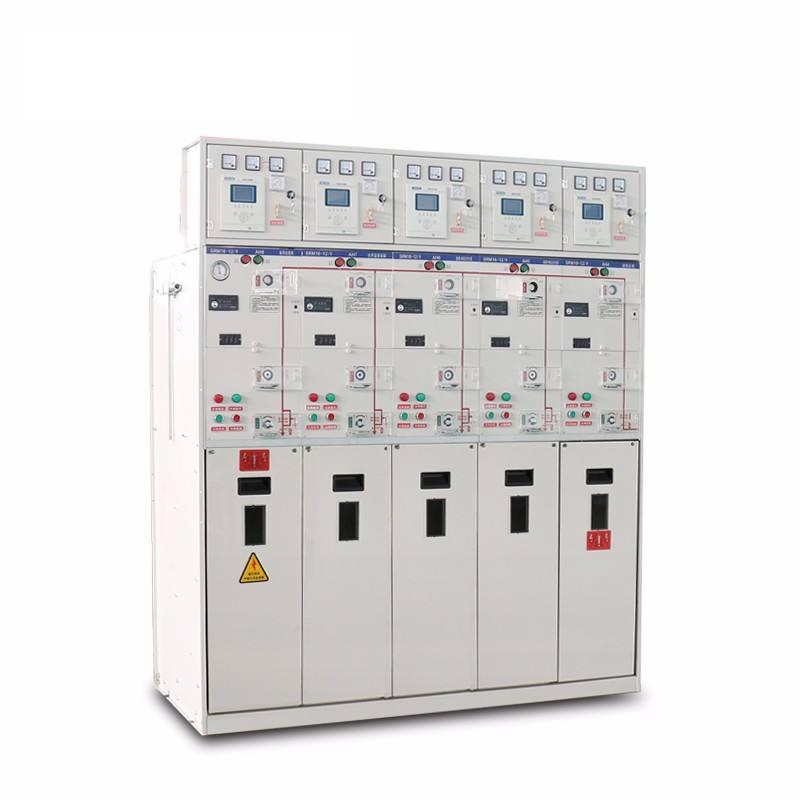
    GSRM6 SF6 gas insulated ring main unit

    4. A Third Option: Solid-Insulated RMU

    Solid-insulated units replace gas with epoxy-based solid insulation. They combine compact dimensions with a low environmental impact. They are increasingly specified for sustainability-driven projects. They also suit operators who want to avoid gas handling entirely. An example is the GSG2-12 Solid Insulated Ring Main Unit (RMU).

    GSG2-12 solid insulated ring main unit

    5. Comparison at a Glance

    Feature Air-Insulated RMU SF6 Gas-Insulated RMU
    Insulation medium Air SF6 gas (sealed)
    Footprint Larger Compact
    Maintenance Simple, no gas checks Gas pressure monitoring
    Environmental impact None High GWP; alternatives available
    Harsh environment suitability Moderate Excellent (sealed)
    Typical cost Lower Higher

    6. How to Choose

    1. Check available space: a compact site favors gas or solid insulation; if space is available, air-insulated units are cost-effective
    2. Assess the environment: coastal, dusty or industrial sites favor sealed gas-insulated units
    3. Consider maintenance capability: teams with limited resources prefer air-insulated or maintenance-free designs
    4. Review sustainability policy: if SF6-free equipment is required, choose air-insulated or solid-insulated units
    5. Confirm electrical ratings first: rated voltage (12, 24 or 40.5 kV), current and short-circuit capacity must match your network for any technology

    7. Frequently Asked Questions

    Is an SF6 RMU dangerous?

    No. SF6 is non-toxic and non-flammable under normal operating conditions. The main concern is environmental. For this reason, sealed low-leakage designs are now preferred. SF6-free alternatives are also common in many markets.

    Can the two types be mixed in one network?

    Yes. RMUs are modular and standards-based. Air-insulated and gas-insulated units can operate in the same ring. Just make sure the ratings match.

    Which is cheaper over the long term?

    Typically, air-insulated units have a lower first cost. Gas-insulated units can win on total cost when space is expensive. Then compare both figures before deciding. Include maintenance and end-of-life handling in the calculation.

    8. Conclusion

    There is no single best RMU technology. The right choice depends on your space, environment, maintenance resources and sustainability targets. For this reason, work with a manufacturer that offers all three options. This lets you standardize on the best fit for each project. For outdoor RMU applications, take a look at the Outdoor ring main unit.

    Electric-GS is a professional power and electrical equipment manufacturer based in Yueqing, Zhejiang, China. The company produces air-insulated, SF6 gas-insulated and solid-insulated ring main units. It also makes SF6 load break switches, vacuum circuit breakers and related distribution equipment. OEM and ODM support is available for international projects. For a quotation or technical consultation, contact info@electricgs.com or WhatsApp +86 135 8897 8050.

    Related Products

    GSM6-12~24 Air-insulated RMU (Fixed Type)

    GSM6-12 24 air insulated ring main unit

    GSRM6 Gas Insulated Ring Main Unit

    GSRM6 gas insulated ring main unit

    GSG2-12 Solid Insulated Ring Main Unit (RMU)

    GSG2-12 solid insulated ring main unit

    HXGN15-12 Ring Main Unit Medium Voltage Switchgear
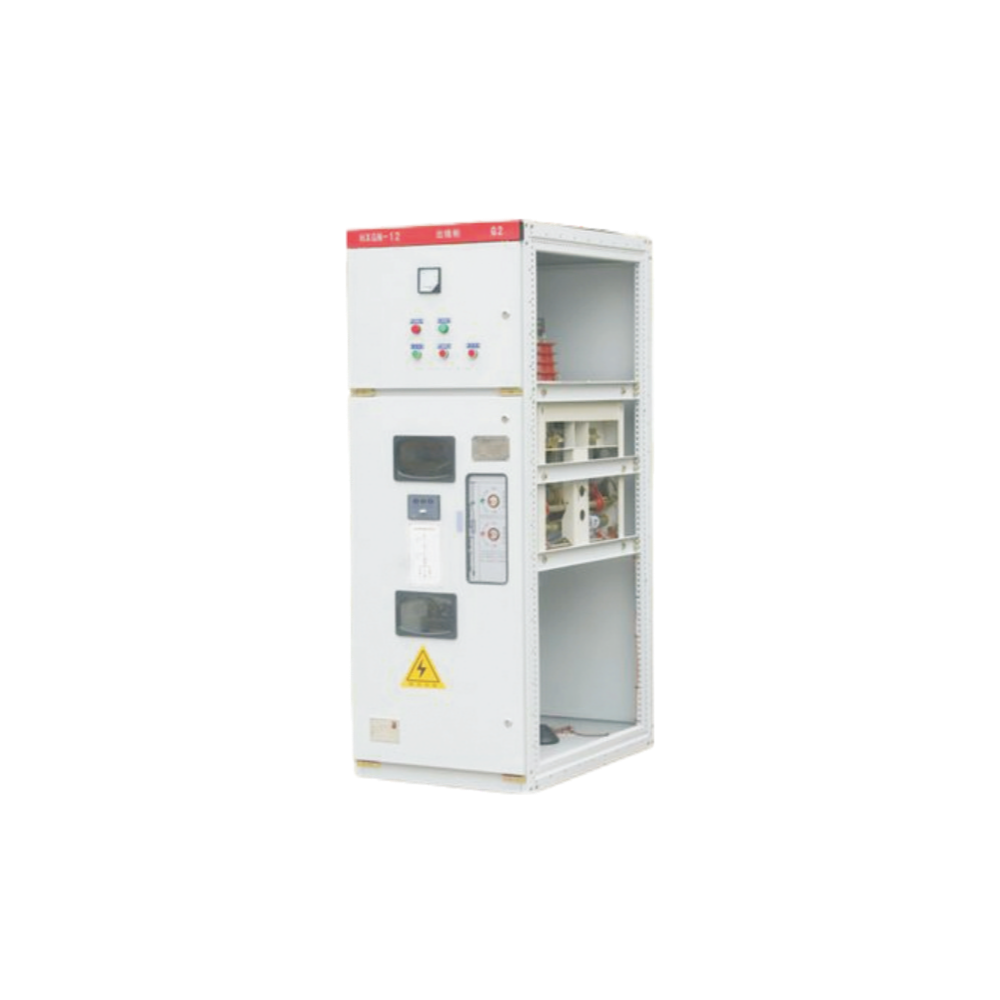
    HXGN15-12 ring main unit medium voltage switchgear

  • Load Break Switch (LBS): Types, Working and Selection Guide

    A load break switch is one of the most used devices in medium voltage distribution networks. It switches load current safely, isolates equipment for maintenance, and keeps costs low. Yet many buyers confuse it with a circuit breaker. This guide explains what a load break switch is, how it works, the main types, and how to choose one for your project.

    What Is a Load Break Switch?

    MV switchgear

    A load break switch is a medium voltage switching device that can make and break load current under normal operating conditions. It is designed for frequent operation, but it cannot interrupt fault current. That job belongs to fuses or circuit breakers installed upstream.

    Load break switches are common in ring main units, substations, and distribution panels. They offer a low-cost switching solution with reliable performance and a long service life.

    How Does a Load Break Switch Work?

    When the contacts open, an arc forms between them. The load break switch extinguishes this arc using an insulation medium:

    • SF6 gas absorbs and cools the arc quickly inside a sealed tank
    • Vacuum interrupts the arc in a vacuum interrupter with high dielectric strength
    • Air uses an arc chute that stretches and cools the arc

    Because the arc is controlled inside a sealed or structured chamber, the switch can operate safely and repeatedly without contact damage.

    Main Types of Load Break Switches

    SF6 Load Break Switch

    An SF6 load break switch uses sulfur hexafluoride gas for insulation and arc extinguishing. It is sealed for life, maintenance free, and works well indoors and outdoors. The FLN36 series covers 12kV to 40.5kV and is widely used in ring main units and substations.

    Vacuum Load Switch

    A vacuum load switch combines a vacuum interrupter with a load break function. It offers excellent arc control, long electrical life, and no gas handling. FZN25 type switches are a popular choice for compact distribution equipment.

    Air Load Break Switch

    Air load break switches use arc chutes to extinguish the arc in air. They are simple, low cost, and common in lower voltage or less demanding applications. They require more space than SF6 or vacuum designs.

    Load Break Switch vs Circuit Breaker

    The main difference is fault interruption. A load break switch handles normal load current only. A circuit breaker detects and interrupts fault current automatically. In practice, systems combine both: the load break switch switches daily operations, while a fuse or breaker protects against faults.

    • Load break switch: switches load current, manual or motorized, low cost
    • Circuit breaker: interrupts fault current, built-in protection, higher cost

    Common Applications of Load Break Switches

    • Ring main units (RMU) for transformer protection and switching
    • Box type substations and compact substations
    • Pole-mounted distribution networks
    • Industrial and commercial distribution rooms
    • Solar power plant MV collection systems

    In an RMU, the load break switch is usually the incoming or outgoing switching element, while fuses protect the transformer branch. This configuration is standard in IEC 62271-200 design.

    How to Choose the Right Load Break Switch

    1. Voltage and current rating. Match the rated voltage (12kV, 24kV, 40.5kV) and rated current to your network.
    2. Short-circuit withstand. Confirm the switch can withstand the system fault current for the required duration.
    3. Insulation medium. SF6 for sealed maintenance-free operation, vacuum for high switching frequency.
    4. Operation mode. Manual, motorized, or remote control depending on your automation needs.
    5. Enclosure and environment. Indoor or outdoor, IP rating, and temperature range.
    6. Certification. Look for type tests to IEC 62271-103 or equivalent standards.

    Frequently Asked Questions

    Can a load break switch break fault current?

    No. It is designed for load current only. Fault current must be interrupted by fuses or circuit breakers.

    What is the difference between a load break switch and a disconnector?

    A disconnector cannot break load current; it only provides isolation after the circuit is already open. A load break switch can switch load current and also isolate.

    How long does an SF6 load break switch last?

    SF6 switches are sealed for life, typically 30 years with no maintenance on the interrupters. Only the mechanism may need periodic inspection.

    Is a load break switch suitable for solar plants?

    Yes. Medium voltage switchgear in solar plants, including ring main units and MV panels, commonly uses load break switches for switching and isolation.

    About the Manufacturer

    Electric-GS is a professional medium voltage switchgear manufacturer in Yueqing, Zhejiang, China. We produce SF6 load break switches, vacuum load switches, ring main units, vacuum circuit breakers, and substations for global partners. All products are type tested and available for OEM and ODM projects. Contact us at info@electricgs.com or WhatsApp +86 135 8897 8050 for a quote. Compare our vacuum load switch for your next MV project.

  • Vacuum Circuit Breaker Types, Working and Applications

    A vacuum circuit breaker (VCB) is the most widely used switching device in medium voltage networks today. It interrupts current in a vacuum, which makes it safe, compact, and maintenance friendly. Utilities, factories, and renewable plants all rely on VCBs for protection and switching. This guide covers construction, working principle, types, applications, and selection.

    What Is a Vacuum Circuit Breaker?

    ZW32 outdoor VCB

    A vacuum circuit breaker is a medium and high voltage breaker that uses vacuum as the arc quenching medium. When the contacts separate, the arc forms inside a sealed vacuum interrupter. The vacuum extinguishes the arc in a few milliseconds, with almost no gas or maintenance. VCBs handle voltages from 12kV to 40.5kV and are used indoors and outdoors.

    How Does a Vacuum Circuit Breaker Work?

    Inside the vacuum interrupter, two contacts are sealed in a glass or ceramic chamber under high vacuum. When a fault occurs, the mechanism opens the contacts. The arc vaporizes a small amount of contact material, creating a plasma that is quickly interrupted at the next current zero because the vacuum has extremely high dielectric strength. The arc cannot re-ignite, and the circuit is safely isolated.

    The operating mechanism is usually spring operated or magnetic operated. It stores energy for closing and tripping, and it can be re-closed after a fault for auto-reclosing schemes.

    Key Components of a Vacuum Circuit Breaker

    • Vacuum interrupter (arc chamber)
    • Operating mechanism (spring or magnetic)
    • Current transformers and trip unit
    • Insulation system (solid or SF6-free)
    • Enclosure and busbar connections
    • Position and status indicators

    Types of Vacuum Circuit Breakers

    Type Voltage Typical Use
    Indoor VCB (fixed or withdrawable) 12kV / 24kV Substations, switchgear panels, industrial rooms
    Outdoor pole-mounted VCB 12kV / 24kV Overhead distribution lines, rural networks
    Outdoor substation VCB 33kV / 35kV / 40.5kV Substations, renewable plant connection

    An outdoor VCB with controller adds automation functions such as remote tripping, reclosing, and fault detection.

    ZW32-33kV Outdoor Vacuum Circuit Breaker</a>” loading=”lazy”></p>
<h2>Vacuum Circuit Breaker vs SF6 Circuit Breaker</h2>
<table>
<thead>
<tr>
<th>Feature</th>
<th>Vacuum Circuit Breaker</th>
<th>SF6 Circuit Breaker</th>
</tr>
</thead>
<tbody>
<tr>
<td>Arc medium</td>
<td>Vacuum interrupter</td>
<td>SF6 gas</td>
</tr>
<tr>
<td>Maintenance</td>
<td>Very low, sealed interrupter</td>
<td>Gas handling and leak checks</td>
</tr>
<tr>
<td>Environmental impact</td>
<td>None</td>
<td>SF6 is a strong greenhouse gas</td>
</tr>
<tr>
<td>Switching frequency</td>
<td>Excellent for frequent operations</td>
<td>Good</td>
</tr>
<tr>
<td>Common voltage range</td>
<td>12kV – 40.5kV</td>
<td>36kV – 550kV</td>
</tr>
</tbody>
</table>
<p>For medium voltage distribution, VCBs are the modern choice. They are environmentally friendly and require almost no maintenance.</p>
<h2>Common Applications of Vacuum Circuit Breakers</h2>
<ul>
<li>Distribution substations and transformer protection</li>
<li>Ring main units and switchgear panels</li>
<li>Industrial plant power distribution</li>
<li>Solar and wind power plant MV collection</li>
<li>Overhead line protection with auto-reclosing</li>
<li>Railway and tunnel power systems</li>
</ul>
<h2>How to Choose a Vacuum Circuit Breaker</h2>
<ol>
<li>Check rated voltage (12kV, 24kV, 33kV, 35kV, 40.5kV) and rated current.</li>
<li>Confirm short-circuit breaking capacity against your system fault level.</li>
<li>Choose indoor or outdoor type based on the installation site.</li>
<li>Decide the operating mechanism: manual, motorized, or with a controller.</li>
<li>Verify standards compliance, such as IEC 62271-100.</li>
<li>Consider spare parts and after-sales support from the manufacturer.</li>
</ol>
<h2>Frequently Asked Questions</h2>
<h3>How long does a vacuum circuit breaker last?</h3>
<p>The mechanical life is typically 10,000 operations and the vacuum interrupter lasts over 20 years under normal conditions.</p>
<h3>Can a VCB be used outdoors?</h3>
<p>Yes. Outdoor VCBs such as the ZW32 series are built with weatherproof enclosures and pole-mounting structures for overhead networks.</p>
<h3>Is a vacuum circuit breaker environmentally friendly?</h3>
<p>Yes. Unlike SF6 breakers, VCBs do not use greenhouse gases. They are the preferred choice for modern distribution projects.</p>
<h3>What is the difference between a load break switch and a VCB?</h3>
<p>A load break switch switches normal load current only. A VCB also interrupts fault current and provides protection. Compare them in our <a href=load break switch guide.

    Does a VCB need regular maintenance?

    Only basic inspection. Check the mechanism, indicators, and insulation every 1-2 years. The interrupter itself is sealed and maintenance free.

    Can VCBs be integrated with smart controllers?

    Yes. Modern outdoor VCBs offer controllers with remote monitoring, reclosing, and communication, which is ideal for automated distribution networks.

    About the Manufacturer

    Electric-GS is a professional medium voltage switchgear manufacturer in Yueqing, Zhejiang, China. We supply vacuum circuit breakers from 12kV to 40.5kV, SF6 load break switches, ring main units, and substations for global projects. OEM and ODM services are available. Contact us at info@electricgs.com or WhatsApp +86 135 8897 8050. For outdoor pole-mounted solutions, also see our outdoor pole-mounted circuit breaker at our partner site.

  • Buying RMU from China: A Complete Procurement Guide

    China is the world’s largest manufacturing base for medium-voltage switchgear. Ring main units are among the most exported products in the category. Buying RMUs from China can deliver excellent value. However, you need the right manufacturer and proper quality control. This guide covers the complete process for importers.

    1. Why Import RMUs from China?

    Chinese manufacturers combine mature production technology with significant cost advantages. Many of them sit in clusters such as Yueqing in Zhejiang province. For international distributors and utilities, Chinese RMUs offer competitive pricing. They also offer flexible customization through OEM and ODM services. Also, production capacity is another advantage. Few other markets can match it.

    2. Choosing a Ring Main Unit Manufacturer

    • Look for a factory with real production capability, not a trading company operating under a factory name
    • Verify the manufacturer’s own product line: RMUs, load break switches and vacuum circuit breakers should be produced in-house
    • Check references from utilities, distributors and previous export projects
    • Confirm communication quality: technical drawings, documentation and response speed matter more than a polished website
    • Consider location: manufacturers in established electrical clusters have better access to components and skilled labor

    3. Quality and Standards Verification

    1. Require type test reports to IEC 62271-200 and related standards from an accredited laboratory
    2. Ask which voltage classes are tested: 12 kV, 24 kV and 40.5 kV units need their own test evidence
    3. Agree on a factory inspection plan or third-party inspection before shipment
    4. Check material quality: enclosure sheet thickness, epoxy encapsulation, operating mechanism components
    5. Request samples or reference units where the order size justifies it

    4. Customization and Technical Documentation

    Reliable manufacturers customize voltage ratings, configurations, cable types and panel layout to your market. Documentation should include general arrangement drawings. It should also include single-line diagrams, nameplate data, manuals and test certificates in English. Good manufacturers provide a full documentation pack. Ask for the pack before production starts. Review it and agree any corrections early. This avoids surprises at the factory inspection stage. It also makes local certification and commissioning smoother on your side. If your market requires utility approvals, request the certificate numbers in advance. Verify them with the issuing body.

    5. Logistics and Import Considerations

    • Confirm packaging for sea freight: RMUs should be protected against moisture, shock and condensation
    • Check the destination country’s certification requirements, such as local standards or utility approvals
    • Plan for spare parts: a sensible spares kit includes fuses, operating handles and spare contacts
    • Clarify delivery times, Incoterms and the warranty policy in writing

    6. Frequently Asked Questions

    How long does production take?

    Typical lead times for standard RMUs range from 3 to 6 weeks. This depends on quantity and customization. Sea freight time comes on top.

    Can the manufacturer label units with my brand?

    Yes. Most Chinese RMU factories offer OEM branding. For example, this includes nameplates, color schemes and packaging.

    What is the minimum order quantity?

    It varies by factory. Many accept small pilot orders to qualify a new partnership.

    In practice, also check the spare parts policy. Ask how quickly the factory can supply fuses, handles and contacts. Fast parts delivery keeps your outage times short. Finally, request a warranty that covers both materials and workmanship for at least 12 months. Many Chinese factories offer longer terms for established partners. A written service agreement, with clear response times, protects both sides when issues arise.

    7. Conclusion

    Importing RMUs from China is a proven, cost-effective strategy. Verify the manufacturer first. Demand test evidence. Manage quality systematically. For outdoor RMU applications, take a look at the Outdoor ring main unit.

    Electric-GS is a professional power and electrical equipment manufacturer in Yueqing, Zhejiang, China. The company exports ring main units, SF6 load break switches and MV switchgear worldwide. OEM and ODM support is available. For a quotation or technical consultation, contact info@electricgs.com or WhatsApp +86 135 8897 8050.

    Related Products

    HXGN15-12 Ring Main Unit Medium Voltage Switchgear
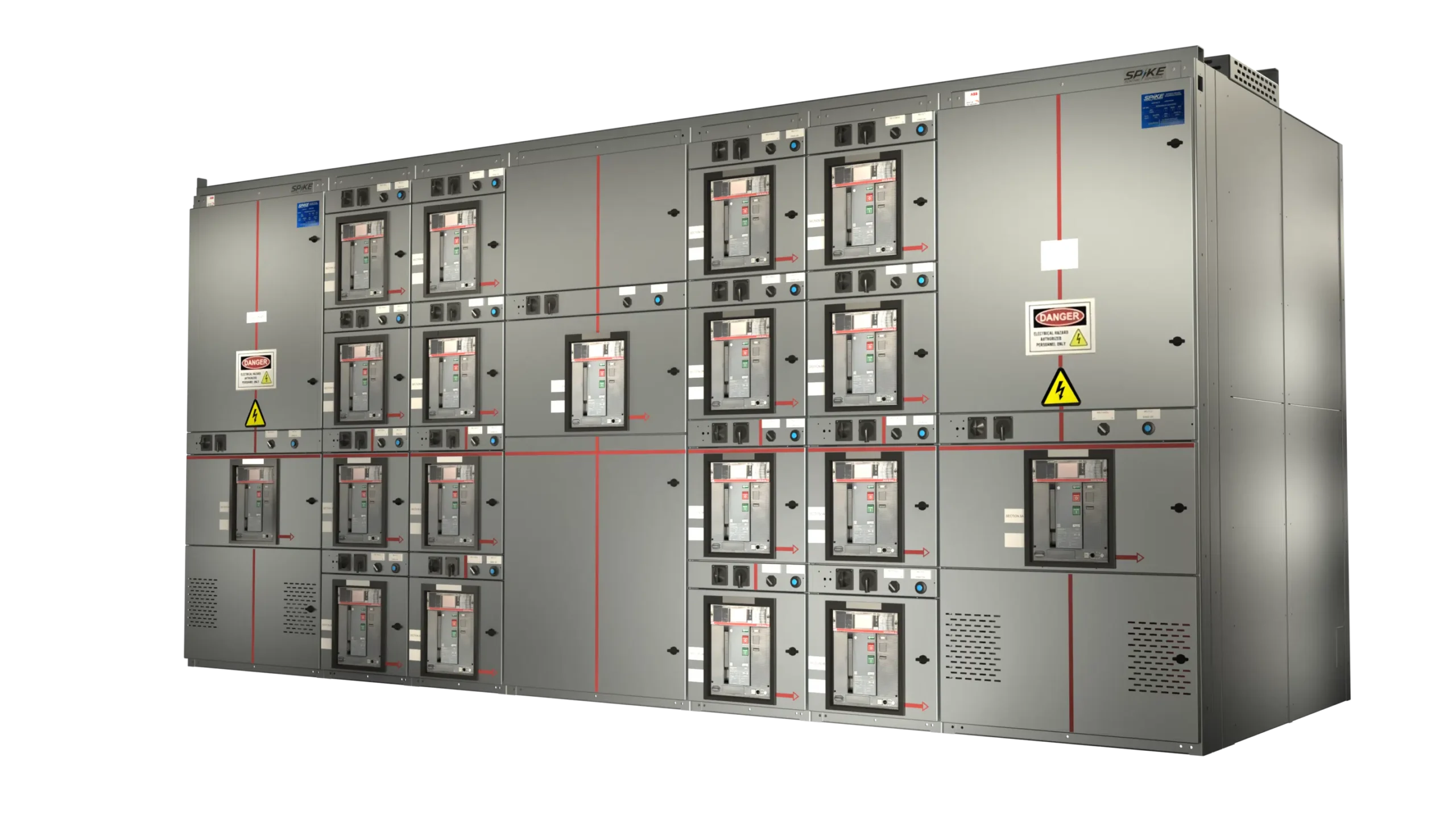
    HXGN15-12 ring main unit

    GSM6-12~24 Air-insulated RMU (Fixed Type)

    GSM6 air insulated ring main unit

    GSRM6 Gas Insulated Ring Main Unit

    GSRM6 gas insulated ring main unit

  • Solid Insulated RMU: SF6-Free Future of Switchgear

    The electrical industry is moving away from sulfur hexafluoride (SF6). Solid insulated ring main units are becoming a mainstream alternative. In addition, they offer the compactness of gas-insulated designs without the environmental concerns. This guide explains how solid insulated RMUs work and their key benefits. It also shows where they fit best.

    1. What Is a Solid Insulated Ring Main Unit?

    A solid insulated ring main unit uses solid insulation material around the live conductors. This material is typically epoxy resin. It replaces air or gas. In fact, the switching and protection functions are the same as any RMU. Load break switches, fuses or vacuum circuit breakers sit in a metal-enclosed unit. In addition, the insulation medium is solid. A leading example is the GSG2-12 Solid Insulated Ring Main Unit (RMU).

    GSG2-12 solid insulated ring main unit

    2. How It Works

    Epoxy resin provides excellent dielectric strength in a small volume. The epoxy fully encapsulates the energized parts. This protects them from dust, moisture and pollution. The switching device still handles arc interruption. For example, many designs use a vacuum interrupter. The solid insulation is purely an insulation and encapsulation layer.

    3. Benefits Over SF6 and Air Designs

    • No greenhouse gas: eliminates SF6 and the associated monitoring, reporting and end-of-life handling
    • Compact footprint: similar or smaller than gas-insulated units, ideal for space-constrained substations
    • Low maintenance: no gas pressure checks, no gas refilling, fewer consumables
    • Rugged: sealed encapsulation resists contamination, vibration and environmental aging
    • Simpler logistics: no gas handling for transport or installation

    4. Comparison with Other Technologies

    Feature Solid Insulated SF6 Gas Air Insulated
    Footprint Compact Compact Larger
    SF6-free Yes No Yes
    Maintenance Low Gas checks Low
    Pollution resistance Excellent Excellent Moderate

    5. Where Solid Insulated RMUs Fit

    Generally, solid insulated units suit many applications. For example, they fit urban distribution networks, commercial buildings and renewable energy projects. They also work on any site where SF6-free requirements or sustainability targets apply. They are especially attractive when a utility has committed to SF6-free procurement.

    6. Frequently Asked Questions

    Is a solid insulated RMU more expensive?

    The first cost is comparable to gas-insulated units. Over the lifecycle, however, it can be lower. This removes gas management from the equation entirely.

    Can solid insulated units be repaired?

    Yes, to a degree. Technicians can replace switches and bushings. The encapsulated conductor assembly leaves the factory sealed. For the sealed section, whole-assembly replacement is the norm.

    Are solid insulated RMUs available at 24 kV and above?

    Yes. Solid insulation technology supports 12 kV, 24 kV and higher voltage classes. In general, it depends on the specific design.

    How does a solid insulated ring main unit handle switching?

    Switching is performed by the built-in load break switch or vacuum circuit breaker. This is independent of the insulation medium. The vacuum interrupter extinguishes the arc reliably. Meanwhile, the epoxy encapsulation insulates and seals the energized parts. In practice, solid insulated units offer the same switching performance as SF6 units. They do this without gas handling or greenhouse gas emissions.

    Is retrofitting existing SF6 substations with solid insulated units difficult?

    Retrofitting depends mainly on the panel footprint and cable entry positions. Solid insulated units are often similar in size to gas-insulated models. Many replacements are therefore straightforward. Always compare the dimensions and ratings against the existing installation before ordering.

    7. Conclusion

    Solid insulated RMUs deliver the compact, low-maintenance benefits of gas designs without SF6. As a result, they are increasingly the default choice for projects with sustainability requirements. For another example, see the GSG2-12 solid insulated ring main unit.

    Electric-GS is a professional power and electrical equipment manufacturer in Yueqing, Zhejiang, China. The company produces solid insulated, SF6 and air-insulated ring main units. OEM and ODM support is available. For a quotation or technical consultation, contact info@electricgs.com or WhatsApp +86 135 8897 8050.

    Related Products

    GSG2-12 Solid Insulated Ring Main Unit (RMU)

    GSG2-12 solid insulated ring main unit

    GSRM6 Gas Insulated Ring Main Unit

    GSRM6 gas insulated ring main unit

    GSM6-12~24 Air-insulated RMU (Fixed Type)

    GSM6 air insulated ring main unit

  • RMU Installation Guide: Step-by-Step Best Practices

    Correct installation turns a well-built ring main unit into a safe, reliable part of your network. Most RMU problems in the first years trace back to site preparation, cabling or earthing mistakes. The equipment itself is rarely the cause. This guide walks through the essentials of RMU installation.

    1. Ring Main Unit Site Preparation

    The RMU needs a level, rigid foundation. This foundation must support its weight. It must also leave space for cable entries below. It must also allow safe access around the unit. Check the site’s ambient conditions first. Temperature range, humidity, altitude and pollution level should stay within the unit’s design envelope. Indoor rooms need adequate ventilation and, where specified, climate control.

    2. Enclosure and Indoor/Outdoor Requirements

    Choose an indoor or outdoor unit that matches the installation point. Enclosure protection ratings matter. Indoor units are typically IP3X or IP4X. Outdoor units need higher ingress protection against rain and dust. If the site is coastal or industrial, sealed units reduce contamination risk. In addition, gas-insulated or solid-insulated designs work best there. Compact units such as the GSRM6 Gas Insulated Ring Main Unit fit easily into small substation rooms.

    3. Cabling and Termination

    MV cables must be terminated according to the manufacturer’s instructions. Use the correct stripping lengths, stress control and torque values. Leave enough slack for re-termination. Keep phase identification clear. For example, seal the cable entries after termination. This prevents moisture ingress.

    4. Earthing

    Earthing is critical. Connect the RMU frame, cable screens and the earthing switch to the station earth grid. Size the conductors for the fault current. In practice, a poor earth connection defeats the purpose of the earthing switch. It also endangers personnel.

    5. Pre-Commissioning Checks

    1. Verify all connections are torqued and phasing is correct
    2. Check the operating mechanisms, position indicators and interlocks
    3. For SF6 units, confirm gas pressure is within range
    4. Test the earthing switch operation and earthing circuit continuity
    5. Review the protection settings if relays or VCBs are fitted
    6. Complete an insulation resistance check before energizing, following local safety rules

    For fixed-type air-insulated units, pre-commissioning is simple and fast. The GSM6-12~24 Air-insulated RMU requires no gas handling at all.

    6. Common Installation Mistakes

    • Under-sized earthing conductors
    • Water ingress through unsealed cable entries
    • Operating interlocks out of sequence during testing
    • Storing the unit outdoors before installation without protection

    Storing the unit correctly before installation is part of good practice. Keep the ring main unit in its original packaging. Store it in a dry, ventilated area. Protect it from condensation and vibration. Inspect it on arrival for shipping damage. If the unit stays in storage for more than six months, complete a full inspection. For example, for SF6 models, include gas pressure checks before commissioning. These simple steps prevent most early failures.

    Site records are equally important. Keep the as-installed drawings, cable schedules and test results with the substation documentation. Future maintenance teams will then know exactly what was installed and how.

    In practice, allocate enough time for the pre-commissioning checks. Rushing this stage causes most first-year failures. Also record the test results and keep them with the substation file. If the RMU includes SF6 compartments, confirm the gas pressure before energizing. A small leak at this stage is easy to fix. Finally, train the local operators before the unit goes live. Simple training on switching sequences prevents most operational errors.

    7. Conclusion

    Installation quality determines long-term reliability. Prepare the site properly. Follow the cable and earthing instructions. Run a disciplined pre-commissioning checklist. For outdoor RMU applications, take a look at the Outdoor ring main unit.

    Electric-GS is a professional power and electrical equipment manufacturer in Yueqing, Zhejiang, China. The company produces air-insulated, SF6 and solid-insulated ring main units. OEM and ODM support is available. For installation documentation or technical support, contact info@electricgs.com or WhatsApp +86 135 8897 8050.

    Related Products

    HXGN15-12 Ring Main Unit Medium Voltage Switchgear

    HXGN15-12 ring main unit installation

    GSM6-12~24 Air-insulated RMU (Fixed Type)

    GSM6 air insulated ring main unit

    GSRM6 Gas Insulated Ring Main Unit

    GSRM6 gas insulated ring main unit

  • Global RMU Standards: IEC, ANSI, GB Compared

    International standards are the language buyers and manufacturers use to agree on what a ring main unit must do. For most projects, this means IEC standards. For RMUs, the most important one is IEC 62271-200. This guide explains the key standards and what they cover. It also shows you how to verify that a supplier is genuinely compliant.

    1. Why Standards Matter

    Standards define the ratings, testing procedures and safety requirements for switchgear. A ring main unit tested to the relevant standard can be compared fairly across suppliers. It can also be installed with confidence and operated safely for decades. Buying untested or non-compliant equipment is a gamble. It puts your network and your safety at risk.

    2. Key Standards for Ring Main Units

    • IEC 62271-200: the main standard for AC metal-enclosed switchgear and controlgear for rated voltages above 1 kV up to 52 kV. This is the standard that RMUs are designed and tested against, covering construction, ratings, temperature rise, internal arc testing and more
    • IEC 62271-103: the standard for load break switches, defining their making and breaking capability
    • IEC 62271-105: the standard for switch-fuse combinations, covering the interaction between the fuse and the switch
    • IEC 62271-102: for disconnectors and earthing switches used within the unit

    3. What Type Tests Prove

    Type tests demonstrate compliance. An accredited laboratory performs these tests. For an RMU, the critical type tests include short-circuit making and breaking. For example, they also include temperature rise, mechanical endurance, internal arc withstand and dielectric tests. A serious manufacturer usually provides the type test reports. You or your consultant can then review them before ordering.

    4. How to Verify Compliance

    1. Ask for the type test reports and check the tested voltage, current and fault levels match your project
    2. Check the certificate issuing body and test laboratory
    3. Confirm the unit’s rated values on the nameplate match the reports
    4. For national markets, check local equivalents of IEC standards (for example GB/T in China) if required by the local utility

    Products from manufacturers like the HXGN15-12 Ring Main Unit and the GSRM6 Gas Insulated Ring Main Unit are designed to these international requirements.

    Do not confuse type tests with routine tests. Type tests prove the design once. Routine tests verify every production unit. These include operating tests, leakage checks for SF6 compartments and high-voltage withstand checks. In addition, ask for both sets of documents. A compliant ring main unit should also carry a clear nameplate. This nameplate shows rated voltage, rated current and short-circuit ratings. It also shows the applicable standard reference. If your project follows a specific national code, confirm the unit carries the corresponding certificate before shipment.

    5. Frequently Asked Questions

    Is IEC 62271-200 mandatory?

    It is not a law. However, it is the accepted benchmark for MV switchgear worldwide. Utilities and engineering consultants usually require it.

    Can a unit comply with both IEC and national standards?

    Yes. Most national standards align closely with IEC. Manufacturers routinely test to both where markets require it.

    What should I do if a supplier cannot provide type test reports?

    Treat it as a serious warning sign. Without test evidence, there is no objective proof that the equipment meets its claimed ratings.

    6. Conclusion

    Standards turn marketing claims into measurable guarantees. Verify IEC 62271-200 compliance and review the type test reports before you commit. For another option in the RMU family, see the GSG2-12 solid insulated ring main unit.

    Electric-GS is a professional power and electrical equipment manufacturer in Yueqing, Zhejiang, China. The company produces ring main units and MV switchgear designed to IEC requirements. OEM and ODM support is available. For a quotation or technical consultation, contact info@electricgs.com or WhatsApp +86 135 8897 8050.

    Related Products

    HXGN15-12 Ring Main Unit Medium Voltage Switchgear
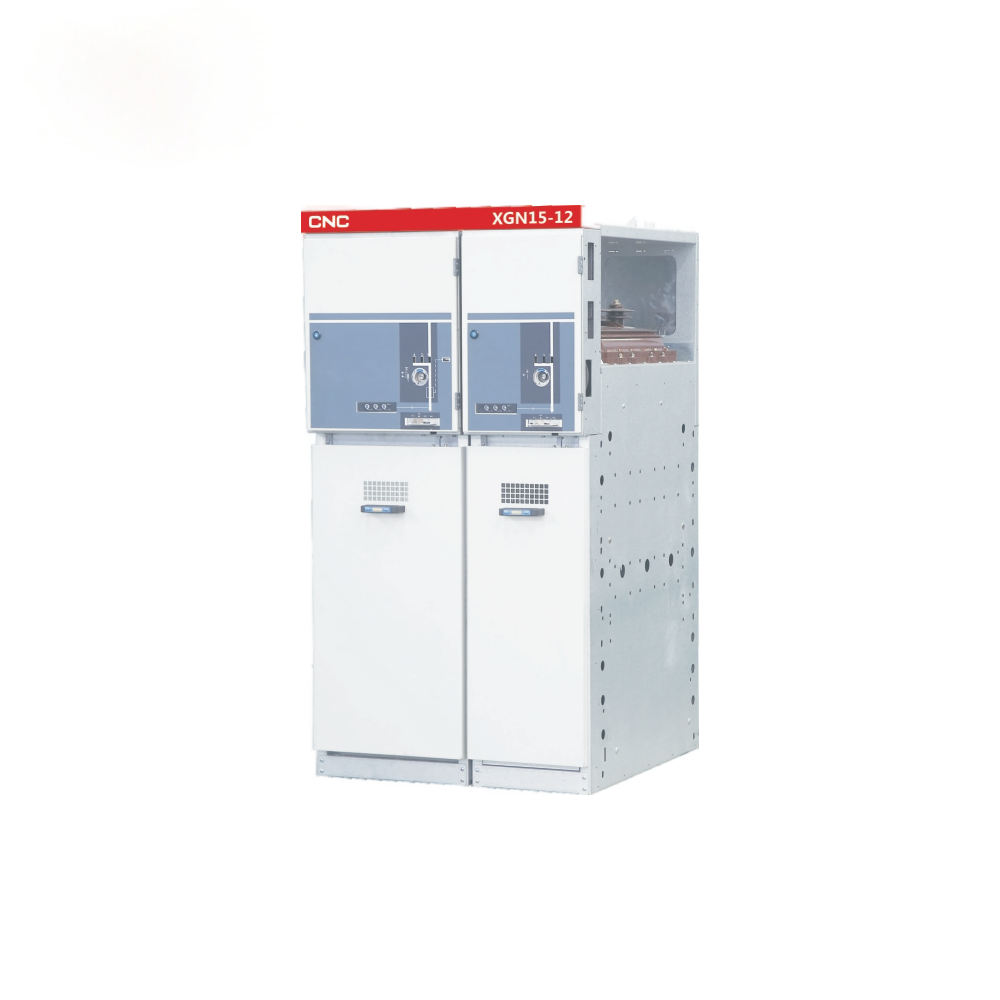
    HXGN15-12 ring main unit medium voltage switchgear

    GSM6-12~24 Air-insulated RMU (Fixed Type)

    GSM6 air insulated ring main unit

    GSRM6 Gas Insulated Ring Main Unit

    GSRM6 gas insulated ring main unit

  • RMU Protection Relays: How They Keep Your Grid Safe

    Ring main units protect medium-voltage feeders with a combination of switching devices. These include load break switches, fuses, vacuum circuit breakers and earthing switches. Understanding how these components work together is essential. It helps you specify the right protection for your network.

    1. Load Break Switches

    Typically, the load break switch (LBS) is the core switching device in most RMUs. It makes and breaks load current. This is the normal operating current of the feeder. However, it does not break fault current. This keeps the design economical and compact. In SF6 RMUs, for example, the LBS uses SF6 gas for insulation and arc extinction. An example is the FLN36-40.5 Indoor AC SF6 Load Break Switch.

    FLN36-40.5 indoor AC SF6 load break switch

    2. Fuses

    In fuse-switch combinations, the fuse provides short-circuit protection. The switch handles load breaking. For example, this arrangement is common for transformer protection in RMUs. As a result, it is simple, fast and inexpensive. When the fuse operates, a trip mechanism opens the switch. As a result, the switch isolates the faulty transformer.

    3. Vacuum Circuit Breakers

    Some RMUs need reclosing, remote control or full short-circuit breaking. In these cases, install a vacuum circuit breaker (VCB). Also, VCBs break fault current directly. They support multiple operations. This makes them the right choice for important feeders and automated networks. Combined RMU designs with VCB ways are used in primary substations and critical industrial supplies.

    4. Earthing Switches and Interlocks

    Earthing switches safely earth the circuit for maintenance. They are also a mandatory safety feature of RMUs. In addition, mechanical interlocks ensure the correct operating sequence. For example, the earthing switch cannot close while the load break switch is closed. This interlocking makes RMU operation safe even for less experienced staff.

    5. How Ring Main Unit Protection Is Chosen

    Application Typical Protection
    Transformer in secondary substation Fuse-switch combination
    Ring feeder switching Load break switch
    Important feeder with reclosing Vacuum circuit breaker
    Distributed generation connection Vacuum circuit breaker with relay protection

    In practice, an RMU may combine all three options. Load break switches serve the ring ways. A fuse-switch or VCB protects the transformer way. Earthing switches protect every way. The GSRM6 Gas Insulated Ring Main Unit and the HXGN15-12 Ring Main Unit both support these configurations.

    A Typical RMU Panel Layout

    A standard three-way ring main unit often looks like this. Two ring ways carry load break switches and earthing switches. One transformer way carries a fuse-switch combination. Typically, each way has a position indicator, operating handle and cable compartment. For more critical installations, the transformer way uses a vacuum circuit breaker. This breaker also adds overcurrent and earth-fault protection. The unit can also carry a motor operator and remote control for automated networks.

    Whichever layout you choose, confirm the fault rating of every way. It must match the upstream network. Also confirm that the earthing switch can make and break the specified conditions. This keeps maintenance safe.

    In practice, protection coordination matters as much as the components themselves. The fuse, relay and upstream breaker settings must work together. Otherwise, a small fault can trip the whole ring instead of one section. Ask the manufacturer for coordination guidance and typical settings when you order. Modern RMUs with motor operators also support remote switching, which cuts outage times significantly.

    6. Conclusion

    RMU protection is about matching the switching and protection functions to the duty. Then match fuses, load break switches and circuit breakers to the fault level of each feeder. Always keep interlocks and earthing switches in perfect working order. For a related product, see the FLN36-12 Indoor AC SF6 Load Break Switch.

    Electric-GS manufactures load break switches, vacuum circuit breakers and complete ring main units in Yueqing, Zhejiang, China. For a quotation or technical consultation, contact info@electricgs.com or WhatsApp +86 135 8897 8050.

    Related Products

    FLN36-40.5 Indoor AC SF6 Load Break Switch

    FLN36-40.5 indoor AC SF6 load break switch

    GSRM6 Gas Insulated Ring Main Unit

    GSRM6 gas insulated ring main unit

    HXGN15-12 Ring Main Unit Medium Voltage Switchgear

    HXGN15-12 ring main unit

  • RMU Maintenance Checklist: Extend Equipment Life

    Ring main units need low maintenance. However, “low maintenance” is not the same as “no maintenance”. A structured inspection and testing program keeps an RMU reliable for decades. It also prevents unplanned outages and keeps maintenance staff safe. This guide covers the essential maintenance practices for RMUs.

    1. Why Ring Main Unit Maintenance Matters

    An RMU protects people and equipment. If an earthing switch fails to close, the consequences can be severe. If someone bypasses an interlock, the risk grows. Regular inspection catches small problems early. Moisture ingress, corroded contacts and low gas pressure all show up first in inspections.

    2. Routine Inspection Checklist

    • Check enclosure integrity: doors, gaskets and cable entries for signs of moisture, dust or corrosion
    • Inspect the operating mechanism and indicators: switching position displays should match the actual state
    • Verify earthing switch operation and the correct sequence of interlocks
    • For SF6 gas-insulated units, check the gas pressure gauge and monitor for leaks
    • Look for signs of overheating: discolored busbars, melted cable insulation or unusual odors
    • Check cable terminations and connections for tightness and signs of discharge
    • Verify the control circuit, if fitted, including auxiliary contacts and heaters

    For fixed-type air-insulated units such as the GSM6-12~24 Air-insulated RMU, no gas checks are needed. Maintenance focuses on cleanliness and mechanism operation.

    GSM6 air insulated ring main unit maintenance

    3. Testing and Commissioning

    1. Measure contact resistance on load break switches and circuit breakers
    2. Perform mechanical operation tests including close-open cycles
    3. Test interlocks and earthing switch operation with the door closed
    4. Where permitted, perform insulation resistance tests on the cable circuits
    5. Verify protection settings and trip signals if relays or VCBs are installed

    4. SF6 Gas Management

    For SF6 units, maintain the pressure within the manufacturer’s range. Leakage is a reliability and environmental issue. SF6 has a very high global warming potential. Sealed designs such as the GSRM6 Gas Insulated Ring Main Unit reduce this risk. However, pressure checks should still be part of the inspection cycle.

    GSRM6 SF6 gas insulated ring main unit gas check

    Suggested Schedule

    Inspect visually every 6 to 12 months for indoor units. Dusty or coastal sites need more frequent checks. Test mechanisms and earthing switches at least once a year. SF6 pressure checks follow the manufacturer’s interval. Sealed units typically need these every 3 to 5 years. Keep a log of every inspection. This way, trends such as rising contact resistance become visible early. You can then fix them before they cause an outage.

    Keep a small stock of consumables on site. This includes operating handles, indicator labels, fuse links and spare control fuses. Fast replacement of these items avoids extended downtime during the maintenance window.

    5. Safety Rules for Maintenance

    • Always isolate and earth the unit before opening any compartment
    • Never defeat interlocks to speed up a job
    • Use the correct personal protective equipment, including arc-rated clothing where required
    • Follow the manufacturer’s operating sequence and document every operation

    In practice, a well-documented maintenance program is also a procurement advantage. It proves to insurers and utilities that the equipment is operated responsibly. Many operators share these records during audits or warranty claims. Start the program from day one. Even simple records, such as photographs of the panel at each visit, become valuable evidence over time.

    6. Conclusion

    Good maintenance extends RMU life, improves safety and reduces outage costs. Build the checks above into an annual or bi-annual program. Record the results every time. For outdoor RMU applications, take a look at the Outdoor ring main unit.

    Electric-GS is a professional power and electrical equipment manufacturer in Yueqing, Zhejiang, China. The company produces air-insulated, SF6 and solid-insulated ring main units. OEM and ODM support is available. For spare parts or technical support, contact info@electricgs.com or WhatsApp +86 135 8897 8050.

    Related Products

    GSM6-12~24 Air-insulated RMU (Fixed Type)

    GSM6 air insulated ring main unit

    GSRM6 Gas Insulated Ring Main Unit

    GSRM6 gas insulated ring main unit

    FLN36-40.5 Indoor AC SF6 Load Break Switch

    FLN36-40.5 indoor AC SF6 load break switch

  • Ring Main Unit in Solar Power Plants: Key Applications

    Solar power plants connect to the medium-voltage grid through several switching points. Ring main units (RMUs) play a central role in that chain. In this guide, we explain how RMUs work in photovoltaic (PV) plants. We also cover typical configurations and selection factors.

    1. Where RMUs Fit in a Solar Plant

    A typical utility-scale PV plant has several voltage levels. PV strings feed DC combiner boxes. Inverters then convert DC power to AC. A medium-voltage collection network then steps up to the grid. For example, this collection network usually runs in rings or strings. An RMU protects and switches each substation. The RMU lets operators isolate a faulty feeder. It also lets them connect inverters in groups. Meanwhile, the rest of the plant stays online.

    2. Typical Ring Main Unit Configurations in PV Plants

    • Ring-in, ring-out units with a transformer protection way using a fuse switch combination or vacuum circuit breaker
    • Single-incoming configurations for string substations that connect one inverter group
    • Units with cable entries sized for MV cables from inverter stations, with earthing switches for safe isolation
    • Gas-insulated or solid-insulated units where space is tight, such as inside containerized substations

    For compact projects, the GSRM6 Gas Insulated Ring Main Unit is a popular choice because of its small footprint.

    GSRM6 gas insulated ring main unit for solar plant

    3. Key Selection Factors for Solar Projects

    1. Voltage class: match the RMU rating (typically 12 kV, 24 kV or 40.5 kV) to the plant collection voltage
    2. Fault levels: confirm the short-circuit making and breaking capacity at the connection point
    3. Protection: choose fuse-switch combinations for transformer protection or vacuum circuit breakers where reclosing or more sophisticated protection is needed
    4. Environment: outdoor and containerized sites need high enclosure ratings and sealed units in dusty or coastal areas
    5. Scalability: choose modular configurations so additional inverter groups can be added later

    4. Standards and Compliance

    RMUs in PV plants must comply with the same switchgear standards as other MV installations. IEC 62271-200 is the leading standard for metal-enclosed switchgear. Verify that the manufacturer supplies type test reports. Also check that the units suit your earthing system.

    In practice, many EPC contractors standardize on one RMU model across a plant. This simplifies spares, training and documentation. It also speeds up installation, because crews learn one familiar unit. Ask the supplier for a detailed single-line diagram with recommended RMU ratings before you finalize the plant layout. Some plants also use outdoor RMUs on concrete pads near inverter stations. This reduces cable lengths and system losses.

    5. Frequently Asked Questions

    Does every solar substation need an RMU?

    Almost always, if the substation has MV switching. For example, RMUs provide the isolation and protection required for safe maintenance. They also handle faults quickly and safely.

    Can RMUs handle bidirectional power flow?

    Yes. RMUs switch circuits regardless of flow direction. This is exactly why they suit PV plants with distributed generation.

    Are gas-insulated RMUs preferred in solar plants?

    Often, because they are compact and sealed. However, air-insulated and solid-insulated units are equally valid. The final choice depends on space and environmental requirements.

    What voltage classes are used in solar RMUs?

    Most PV collection networks run at 12 kV or 24 kV. Larger plants use 33 kV and 40.5 kV for higher-power clusters. The ring main unit must match the plant’s collection voltage and fault level. In addition, size the cable entries for the MV cables between inverter stations and the substation.

    6. Conclusion

    RMUs are the workhorses of solar plant MV collection networks. Choose configurations based on voltage, fault level, environment and scalability. Work with a supplier experienced in renewable projects. For outdoor RMU applications, take a look at the Outdoor ring main unit.

    Electric-GS supplies ring main units, photovoltaic grid-connected cabinets and distribution equipment for solar projects worldwide. OEM and ODM support is available. For a quotation or technical consultation, contact info@electricgs.com or WhatsApp +86 135 8897 8050.

    Related Products

    GSRM6 Gas Insulated Ring Main Unit

    GSRM6 gas insulated ring main unit

    HXGN15-12 Ring Main Unit Medium Voltage Switchgear
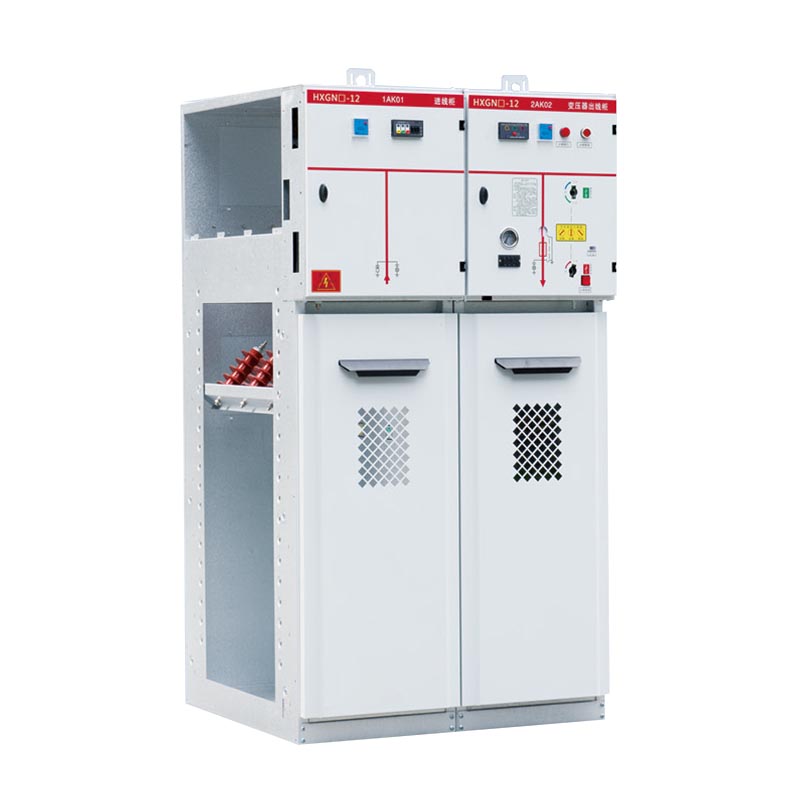
    HXGN15-12 ring main unit medium voltage switchgear