Author: info@electric-gs.com

  • RMU vs Switchgear: What’s the Difference and Which to Choose?

    Medium-voltage distribution networks often mix the terms ring main unit and switchgear. People use them as if they mean the same thing. They do not. Understanding the difference helps you specify the right equipment. It also helps you avoid overspending and keep your network safe.

    1. What Is a Ring Main Unit?

    A ring main unit is a factory-assembled, metal-enclosed switchgear unit. It is designed for ring or loop distribution networks. It typically combines load break switches, earthing switches and optional vacuum circuit breakers. All of these sit in one compact enclosure. Its job is to switch and protect medium-voltage feeders. This allows power to be rerouted when one section of the ring fails. A common example is the HXGN15-12 Ring Main Unit Medium Voltage Switchgear.

    2. What Is Switchgear?

    Switchgear is the broader category of devices. These devices switch, control and protect electrical circuits. They include everything from low-voltage distribution boards to medium-voltage switchgear. For example, the KYN28A-12 switchgear cabinet and low-voltage switchgear belong to this category. Switchgear can be fixed or withdrawable. It can also be air-insulated or gas-insulated. It serves the whole network, not only ring configurations.

    3. Key Differences

    Feature Ring Main Unit Conventional Switchgear
    Primary role Ring/loop network switching and protection General switching, protection and control
    Typical configuration Compact, 2-5 ways, LBS-based Larger panels, many ways, VCB-based
    Enclosure Factory-assembled, metal-enclosed Metal-clad or metal-enclosed, often sectionalized
    Cost per way Lower Higher, with more features
    Best fit Secondary substations, feeder rings Primary substations, large loads, generator connections

    4. When to Use Each

    • Use an RMU for secondary distribution, ring feeders, transformer protection and distributed generation connections where space and cost matter
    • Use conventional switchgear for primary substations, large industrial loads, applications needing frequent switching and full metering/protection suites
    • In many networks the two work together: MV switchgear feeds the ring, and RMUs provide the switching points along it

    In practice, many utilities specify RMUs for new secondary substations. They reserve metal-clad switchgear for primary substations and large industrial supplies. This split keeps project costs down while protecting critical loads. For small commercial buildings, a two-way RMU is often enough. It protects the transformer and provides one spare way for future expansion.

    5. Which Should You Choose?

    Start from the network role, not the product name. If the unit protects a transformer, an RMU is usually the economical choice. The same applies when it forms a switching point in a feeder ring. If you need high fault-breaking capacity, choose conventional switchgear. Extensive protection relays also call for switchgear. Withdrawable components for rapid maintenance are another reason.

    A Typical Network Example

    Picture a suburban distribution ring fed from a primary substation. At the substation, metal-clad switchgear protects the outgoing feeders. It provides metering and protection relays. Along the ring, secondary substations protect their transformers with RMUs. These RMUs use fuse-switch combinations. When a cable fault occurs, the RMUs at both ends isolate the faulty section. The rest of the ring keeps supplying customers. This is the classic division of labor. Switchgear protects the source. RMUs protect the distribution points. For a small industrial estate, you can build the ring entirely with RMUs. A ring-in ring-out unit sits at each transformer. A tie unit splits the ring when load grows.

    6. Conclusion

    RMU and switchgear are related but not interchangeable. Start with your network topology and protection needs. Then select a manufacturer that can supply both. For outdoor RMU applications, take a look at the Outdoor ring main unit.

    Electric-GS produces both ring main units and medium-voltage switchgear. OEM and ODM support is available for international projects. For a quotation or technical consultation, contact info@electricgs.com or WhatsApp +86 135 8897 8050.

    Related Products

    HXGN15-12 Ring Main Unit Medium Voltage Switchgear
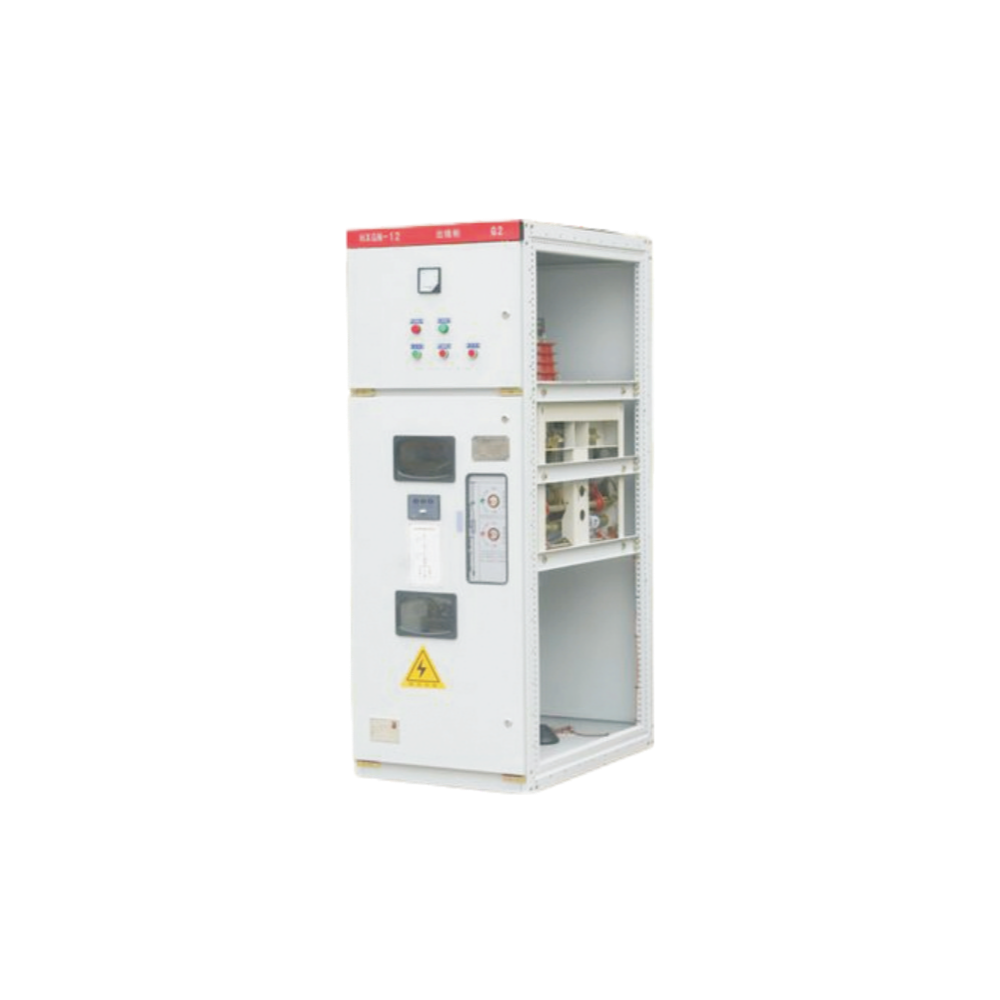
    HXGN15-12 ring main unit medium voltage switchgear

    GSM6-12~24 Air-insulated RMU (Fixed Type)

    GSM6 air insulated ring main unit

  • PV Grid Connection Requirements: Installation and Compliance Guide

    PV Grid Connection Requirements Overview

    Connecting a solar system to the grid requires compliance with local grid codes and technical standards. This guide covers the essential requirements for safe, compliant grid connection.

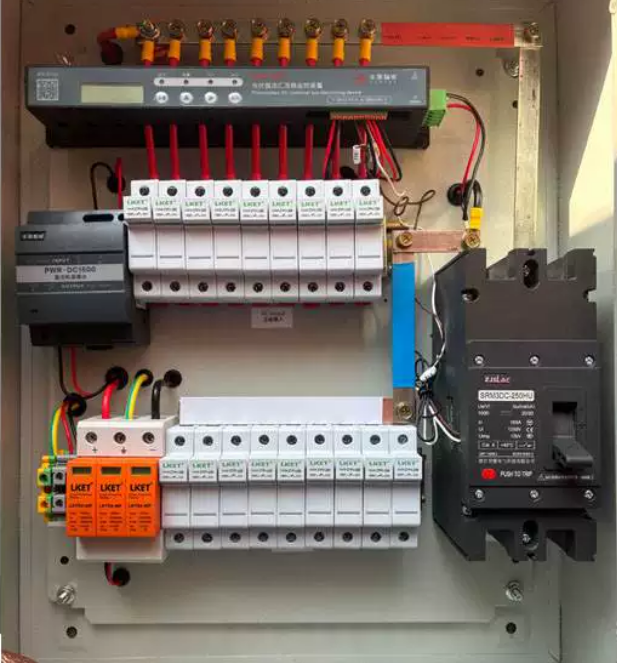
    PV grid connection requirements

    1. Anti-Islanding Protection

    When the grid goes down, your PV system must stop supplying power immediately. This protects line workers. All grid-tied inverters have built-in anti-islanding protection.

    2. Voltage and Frequency Ride-Through

    Grid codes require your system to stay connected during minor voltage and frequency fluctuations. This helps stabilize the grid.

    3. Power Factor Control

    Most utilities require power factor between 0.95 lagging and 0.95 leading at the point of common coupling.

    4. Protection Relays

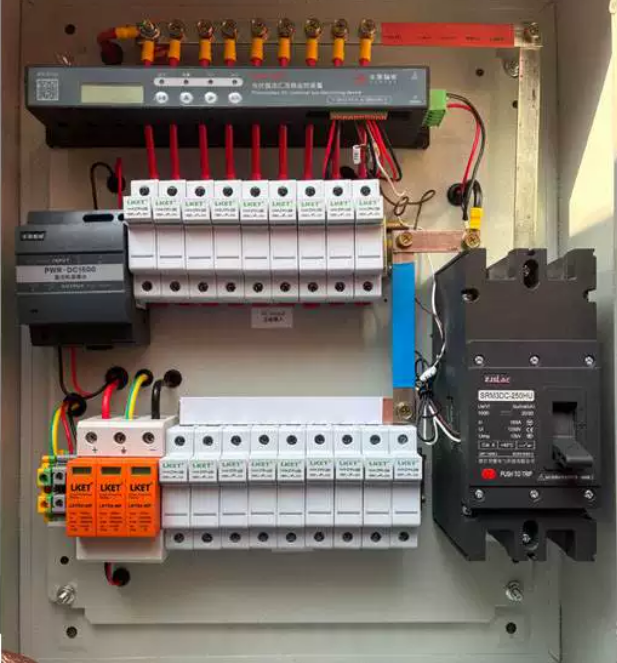
    Over/under voltage, over/under frequency, and earth fault protection are mandatory. The PV grid-connected cabinet houses all these protection devices.

    PV grid cabinet protection

    5. Metering and Data

    Your utility will install a bi-directional meter. Many grid codes also require remote monitoring and data logging.

    About Electric-GS

    Electric-GS supplies complete PV grid-connected cabinets that meet international grid codes. Contact: info@electric-gs.com | +86 135 8897 8050 | Sister site.

  • Solar Inverter Cabinet vs LV Switchgear: Which One Do You Need?

    Solar Inverter Cabinet vs LV Switchgear

    Many people confuse solar inverter cabinets with standard LV switchgear. While they look similar, they serve very different purposes. Understanding the difference helps you choose the right equipment.

    Solar inverter cabinet comparison

    Solar Inverter Cabinet

    • Purpose: Connects PV inverters to the LV grid
    • Features: DC input protection, AC output protection, anti-islanding, metering
    • Used in: Solar power plants, PV farms

    Standard LV Switchgear

    • Purpose: Distributes power to multiple loads
    • Features: Main breaker, multiple feeders, busbar
    • Used in: Commercial buildings, industrial plants

    LV switchgear internal structure

    Key Differences

    Feature Inverter Cabinet LV Switchgear
    DC Input Yes No
    Anti-Islanding Yes No
    Feeders 1-2 10-30+

    About Electric-GS

    Electric-GS manufactures both PV inverter cabinets and LV switchgear. Contact: info@electric-gs.com | +86 135 8897 8050 | Sister site.

  • PV Grid-Connected Cabinet: Complete Buying Guide for 2026

    A PV grid-connected cabinet is the bridge between a solar power plant and the utility grid. It collects power from inverters, protects the connection with switchgear and surge protection, measures energy, and safely disconnects the plant when required. Choosing the right cabinet is essential for compliance, safety, and long-term performance. This guide explains what it is, what goes inside, how to select one, and what to look for when buying from a manufacturer.

    What Is a PV Grid-Connected Cabinet?

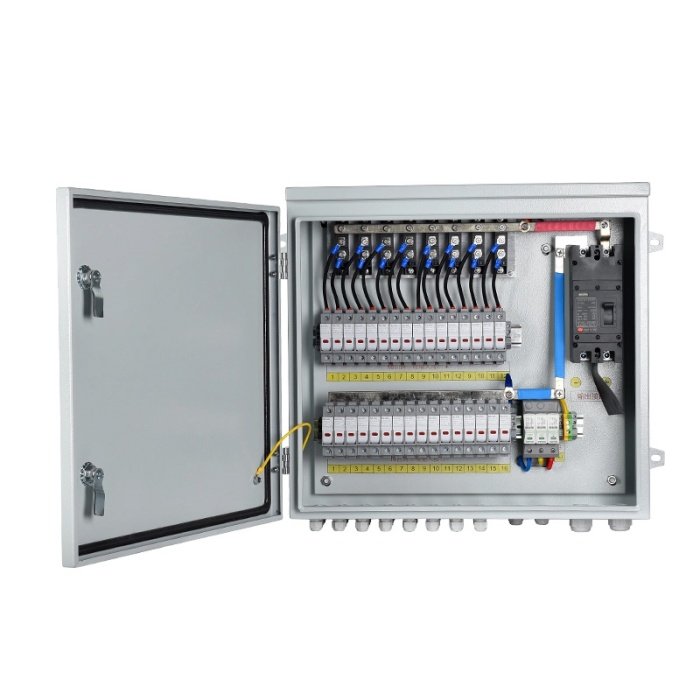
    PV combiner box

    A photovoltaic grid-connected cabinet, also called a PV distribution cabinet or metering cabinet, is a low voltage or medium voltage enclosure installed between the inverter output and the point of common coupling. It contains protection devices, metering, and switching equipment that allow a solar plant to feed power into the grid safely and legally.

    For commercial and utility scale plants, the cabinet is the last line of defense before the grid. It isolates faults, limits fault current, provides anti-islanding disconnection, and houses the revenue metering that the utility reads.

    Key Components Inside a PV Grid-Connected Cabinet

    • Incoming breaker or load break switch for inverter circuits
    • Main outgoing breaker at the point of common coupling
    • Surge protective devices (SPD) for DC and AC sides
    • AC energy meter (kWh) for revenue metering
    • CTs (current transformers) and VTs for measurement
    • Isolation switches and earthing system
    • Monitoring and communication units (RS485, Modbus, 4G)
    • Busbar system with proper short-circuit rating

    Why the Grid-Connected Cabinet Matters

    Grid codes around the world require solar plants to disconnect automatically during grid faults. The cabinet hosts the protection relays and disconnection devices that make this possible. Without it, a plant can feed power into a dead line, creating a safety hazard for line workers and damaging inverters.

    In addition, utilities only accept energy measured through certified meters inside the cabinet. This is why most projects specify a dedicated metering cabinet rather than connecting inverters directly to a standard distribution board.

    How to Choose a PV Grid-Connected Cabinet

    Factor What to Check
    Rated power Match the total inverter capacity (100kW to 2000kW and above)
    Voltage and frequency 400V/50Hz for most commercial projects; 480V/60Hz for export markets
    Short-circuit rating Busbar and breakers must handle the system fault level
    Protection AC breaker, SPD, over/under voltage relay, anti-islanding relay
    Metering Certified AC meter with CT ratio matched to plant capacity
    Enclosure Indoor or outdoor, IP rating, ventilation, and cable entry
    Communication Remote monitoring and data export for compliance reporting

    Electric-GS offers a 100-2000kW three phase PV grid-connected metering cabinet that covers most commercial and industrial installations.

    100-2000kW PV Grid-Connected Metering Cabinet

    Single Line Configuration of a Typical Grid-Connected Plant

    1. PV modules and strings
    2. DC combiner boxes that consolidate string outputs
    3. Inverters that convert DC to AC
    4. PV grid-connected cabinet with protection and metering
    5. Transformer (if the plant connects at MV level)
    6. Utility point of common coupling

    For larger plants, the AC output passes through a solar transformer before reaching the medium voltage network.

    Indoor vs Outdoor Cabinet

    Feature Indoor Cabinet Outdoor Cabinet
    Location Inside a container or building Standalone, weatherproof enclosure
    IP rating IP54 typical IP65 or higher with sun shield
    Cooling Natural or forced ventilation Ventilation plus weather protection
    Best for Rooftop and containerized plants Ground-mounted utility plants

    Frequently Asked Questions

    What is the difference between a PV combiner box and a grid-connected cabinet?

    A PV combiner box consolidates DC strings before the inverter. A grid-connected cabinet sits after the inverter and handles AC protection, metering, and grid connection.

    Does the grid-connected cabinet include the energy meter?

    Usually yes. The cabinet houses the AC revenue meter and CTs. Utilities often require the meter to be installed in a lockable, dedicated compartment.

    Can one cabinet serve multiple inverters?

    Yes. Cabinets are sized with multiple incoming breaker slots so several inverter outputs can be combined before the single grid connection point.

    What protection is mandatory for grid connection?

    Overcurrent, over/under voltage, over/under frequency, anti-islanding, surge protection, and a visible isolation point. Requirements vary by country and utility.

    How long does delivery take for a custom cabinet?

    For OEM/ODM orders from China, typical lead time is 2-4 weeks depending on capacity, enclosure type, and metering configuration.

    Can the cabinet be monitored remotely?

    Yes. Most modern cabinets include RS485/Modbus communication or a 4G module that reports energy data and breaker status to a monitoring platform.

    About the Manufacturer

    Electric-GS is a professional power equipment manufacturer in Yueqing, Zhejiang, China. We supply PV grid-connected cabinets from 100kW to 2000kW, DC combiner boxes, solar transformers, and medium voltage switchgear for solar projects worldwide. OEM and ODM services are available with full factory testing. Contact us at info@electricgs.com or WhatsApp +86 135 8897 8050. For transformer options, see our solar transformer at our partner site.

  • Introduction to Gongshun Electric Co., Ltd.

    Switchgear-0002.jpg-scaled.webp” alt=”MV switchgear” style=”width:100%;max-width:800px;display:block;margin:20px auto;”>

    Introduction to Gongshun Electric Co., Ltd.

    Located in the picturesque Youshang Village, Liushi Town, Yueqing City, Wenzhou, Zhejiang Province, Gongshun Electric Co., Ltd. is a high-tech enterprise specializing in the manufacturing of electrical machinery and equipment. Since its establishment on June 18, 2007, the company has always adhered to the core values of “Innovation, Quality, and Service,” and is dedicated to providing customers with high-quality and efficient electrical equipment and services.

    As a comprehensive enterprise integrating research and development, production, and sales, Gongshun Electric’s main business covers a wide range of fields, including substations, underground substations, transformers, distribution rooms, insulating materials, as well as high and low-voltage electrical appliances and accessories. The company’s diverse product line includes, but is not limited to, double-winding transformers, underground box-type substations, semi-buried box-type substations, gas-insulated switchgear, etc., which are widely used in various scenarios such as residential areas, construction sites, commercial plazas, and office buildings.

    In terms of technology, Gongshun Electric has always been at the forefront of the industry. The company boasts a research and development team composed of senior engineers and technicians, who rely on their profound professional knowledge and rich practical experience to continuously drive technological innovation and product upgrades. In recent years, the company has successfully developed a variety of utility model patented products with independent intellectual property rights, such as box-type fixed metal-enclosed switchgear with leakage protection function and low-voltage withdrawable switchgear that facilitates ventilation and heat dissipation. The launch of these products has not only enhanced the company’s market competitiveness but also brought customers a safer, more reliable, and efficient power usage experience.

    In terms of quality, Gongshun Electric always adheres to the principle of “Quality First.” The company has established a comprehensive quality management system, strictly controlling every aspect from raw material procurement, production processing, finished product inspection, to after-sales service. At the same time, the company has also obtained authoritative certifications such as CCC, further proving the quality and credibility of its products.

    In terms of service, Gongshun Electric always puts customers at the center and provides comprehensive pre-sales, in-sales, and after-sales services. The company’s sales team possesses rich industry experience and professional knowledge, capable of providing personalized solutions based on customer needs. The after-sales service team is always on standby to ensure that any issues encountered by customers during use can be resolved promptly and effectively.

    Looking ahead, Gongshun Electric will continue to uphold the core values of “Innovation, Quality, and Service,” and continuously improve its technical strength and service level. At the same time, the company will actively expand its domestic and foreign markets, strengthen cooperation and exchanges with enterprises within and outside the industry, and jointly promote the development of the electrical machinery and equipment manufacturing industry.

    In summary, Gongshun Electric Co., Ltd. is a powerful, technologically advanced, and service-oriented electrical equipment manufacturer. We look forward to working with more partners to move forward together and create a better future!

    For a full range of ring main units and medium voltage switchgear, browse our product catalog.