
Solar power plants need safe and reliable DC power collection. A PV combiner box is the key device that gathers multiple solar strings and protects the whole system. Choosing the right combiner box improves safety, cuts maintenance time, and protects your inverter investment. This guide explains what a PV combiner box is, how it works, and how to choose one for your solar project.
What Is a PV Combiner Box?
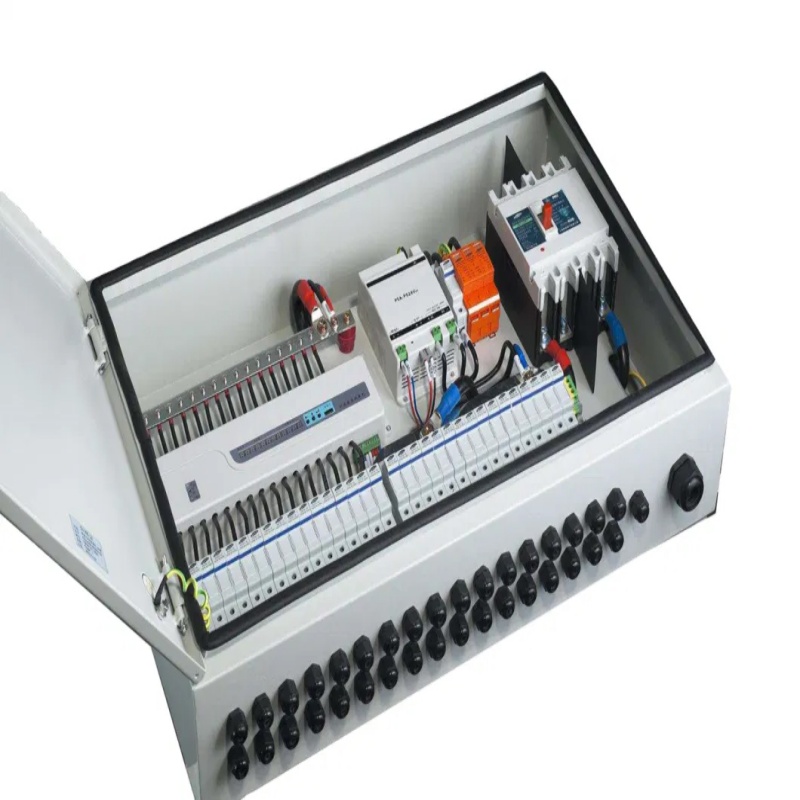
A PV combiner box connects the output of multiple solar panel strings into one common output. Each string gets its own fuse, so a fault in one string does not shut down the whole array. Most combiner boxes are rated for outdoor use and meet IP65 protection against dust and water.
For large solar plants, combiner boxes sit between the panels and the inverter. They reduce cable runs and simplify system maintenance. For small rooftop systems, a simple string box may be enough.
What Does a PV Combiner Box Do?
- Combines several string outputs into a single DC bus
- Protects each string against overcurrent and reverse current
- Allows safe isolation during maintenance and testing
- Provides surge protection for lightning and switching events
- Monitors voltage and current on each input in smart models
DC Combiner Box vs AC Combiner Box
A DC combiner box works on the direct current side, between the solar panels and the inverter. It is the most common type in grid-connected solar systems. A DC combiner box handles high voltage, usually 1000V or 1500V, and needs careful fuse selection.
An AC combiner box works on the alternating current side, after the inverter. It combines several inverter outputs into one distribution point. AC combiner boxes use AC breakers and are often installed near the grid connection point.
Key Components of a PV Combiner Box
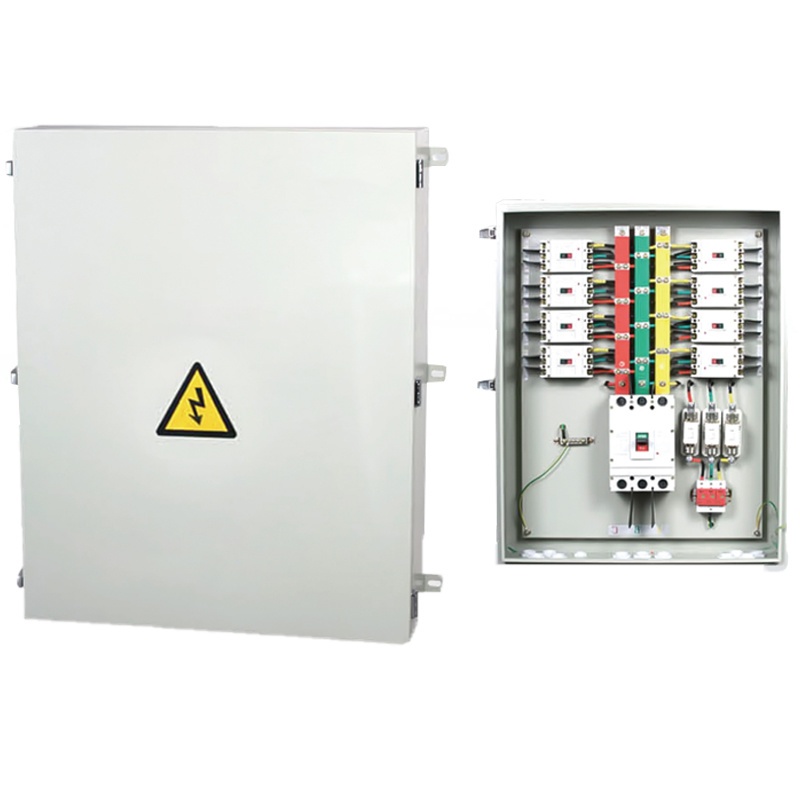
- DC fuse holders and fuses for each string
- Surge protection device (SPD) for lightning protection
- Isolating switch or DC circuit breaker
- Copper busbar and terminal blocks
- Smart monitoring unit, optional but recommended
- IP65 rated steel or plastic enclosure
How to Choose the Right PV Combiner Box
Match the combiner box to your system voltage, string count, and environment. These are the five things to check before you buy:
- Voltage rating. Confirm the system runs at 600V, 1000V, or 1500V DC.
- Number of inputs. Count your strings and leave spare inputs for future expansion.
- Output current. Make sure the busbar and main output can carry the total current.
- Protection rating. Outdoor projects need at least IP65; coastal sites need corrosion-resistant enclosures.
- Monitoring. Smart boxes send string-level data to your monitoring platform, which speeds up fault finding.
Certified products follow IEC 61439 or similar standards. Always check the rating label before installation.
PV Combiner Box vs Photovoltaic Grid-Connected Cabinet
These two devices work at different points in the system. A PV combiner box collects DC strings and protects them at the string level. A photovoltaic grid-connected cabinet sits at the AC side, near the transformer or the grid meter. It handles the whole plant output, metering, and grid protection. Large plants need both; small systems may only need a combiner box.
If you are building a plant above 100 kW, plan for both devices from the start. The combiner box protects the DC field, and the grid-connected cabinet protects the connection to the grid.
Frequently Asked Questions
Do I need a PV combiner box for a small home system?
For a single-string rooftop system, a simple wall-mounted PV combiner box with fuses and SPD is enough. Systems with three or more strings should always use a proper combiner box.
What is the difference between a string box and a combiner box?
A string box usually serves one string. A combiner box brings many strings into one output. The terms are often used loosely, but the function is the same: fuse, protect, and combine.
Can a PV combiner box work with 1500V systems?
Yes. Choose a box rated for 1500V DC with matching fuses and SPD. Confirm the rating on the nameplate before installation.
How often should a PV combiner box be inspected?
Inspect every six months. Check fuses, tightness of terminals, and signs of overheating. Smart monitoring helps you spot problems earlier.
About the Manufacturer
Electric-GS is a professional switchgear and power equipment manufacturer in Yueqing, Zhejiang, China. We produce PV combiner boxes, photovoltaic grid-connected cabinets, ring main units, switchgear, and transformers for global partners. We offer OEM and ODM services with fast delivery and full certification support. For a quote on your solar project, contact us at info@electricgs.com or WhatsApp +86 135 8897 8050.
4 thoughts