What an Interlock Actually Does
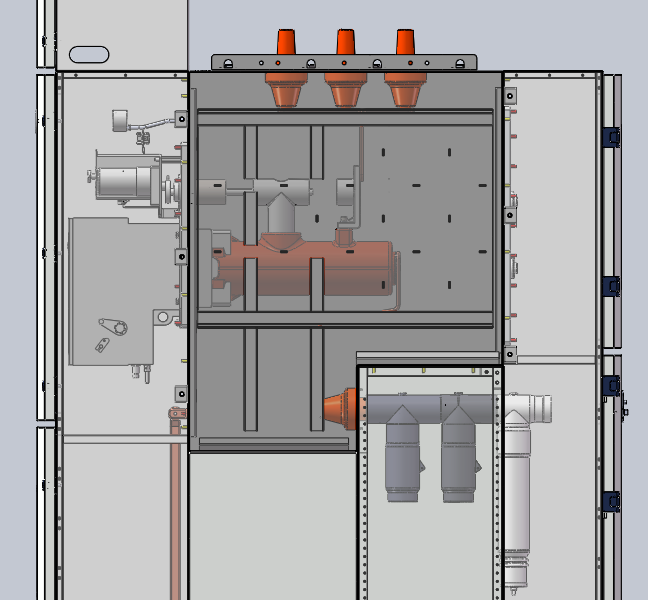
An interlock is a small mechanism with a large job: it stops an operator from doing something the equipment cannot survive. It does not replace procedure and it does not replace training. It simply removes the option to make a dangerous move.
In medium voltage switchgear the interlocks protect two things at once. They protect people from opening a live compartment, and they protect equipment from being operated in a sequence that would cause a flashover. A panel with correct interlocks can still be misused, but the misuse takes far more effort.
This guide covers the five classic safety interlocks, the mechanical and key types used in ring main units and GIS, and how to test them before a panel is energized.
The Five Safety Interlocks
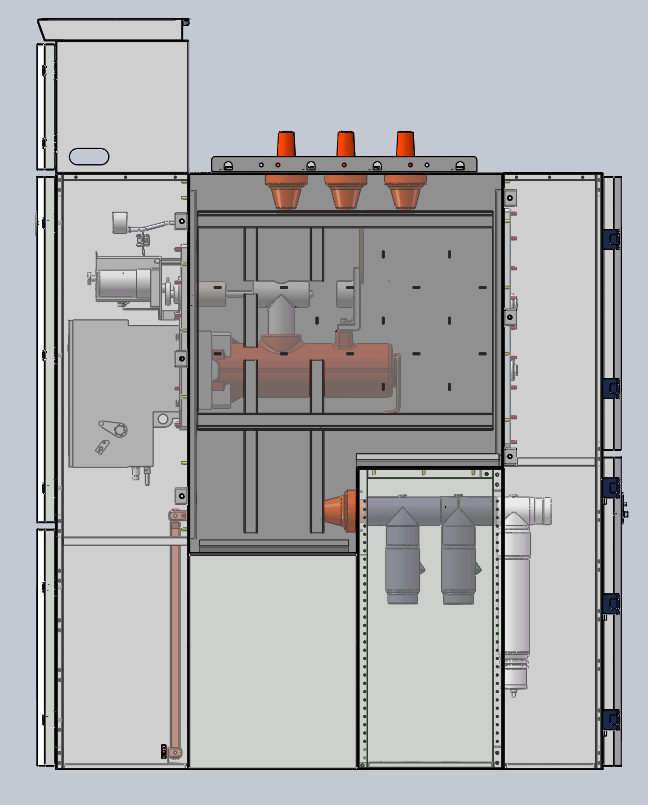
Chinese and many Asian utilities describe the requirement as the five preventions. The table below is the working version we design to.
| Interlock | What it prevents | Typical mechanism |
|---|---|---|
| 1. Prevent closing the breaker with the earthing switch closed | Energizing a circuit that is already earthed | Mechanical cam blocking the closing spring release |
| 2. Prevent closing the earthing switch while the circuit is live | Earthing a live conductor | Key or cam interlock linked to the breaker position |
| 3. Prevent opening the compartment door while the circuit is live | Access to live bars or cable terminations | Door bolt released only in the earthed position |
| 4. Prevent withdrawing the truck or inserting it in the wrong position | Arc during racking with the breaker closed | Racking interlock tied to the breaker open state |
| 5. Prevent closing the breaker with the truck in an intermediate position | Poor contact and arcing at the plug-in contacts | Position switch blocking the close circuit |
Different standards name these differently. IEC 62271-200 and the project specification should be the final reference for what a given panel must provide.
Mechanical Interlocks in RMU and GIS
Mechanical interlocks are the most reliable type because they need no power and no software. They are built from cams, levers, shutters and bolts that physically block a path.
- Earthing switch interlock. The earthing switch can only be closed when the main switch or breaker is open.
- Door interlock. The cable compartment door stays bolted until the earthing switch is closed.
- Shutter interlock. In a withdrawable panel, shutters close over the live spouts when the truck is removed.
- Racking interlock. The truck cannot move between service and test position unless the breaker is open.
In an RMU the sequence is short and fixed: open the load break switch, close the earthing switch, then open the door. Our RMU switching procedures and interlocks guide walks through the field sequence in detail.
Key Interlocks and Electrical Interlocks
Key interlocks use a trapped key that travels between devices. One key is held in a lock, and it can only be released when the associated device reaches a safe state. The key then unlocks the next device. The logic is physical and visible, which is why utilities still prefer it for transformer and busbar sections.
Electrical interlocks use auxiliary contacts, position switches and close circuit logic. They are faster to integrate and easy to add to a retrofit, but they depend on wiring, DC supply and correct settings.
A good design uses both. Mechanical blocking handles the direct danger; electrical logic handles remote and automatic operations. Section earthing is covered in our earthing switch selection guide.
Testing Interlocks Before Energization
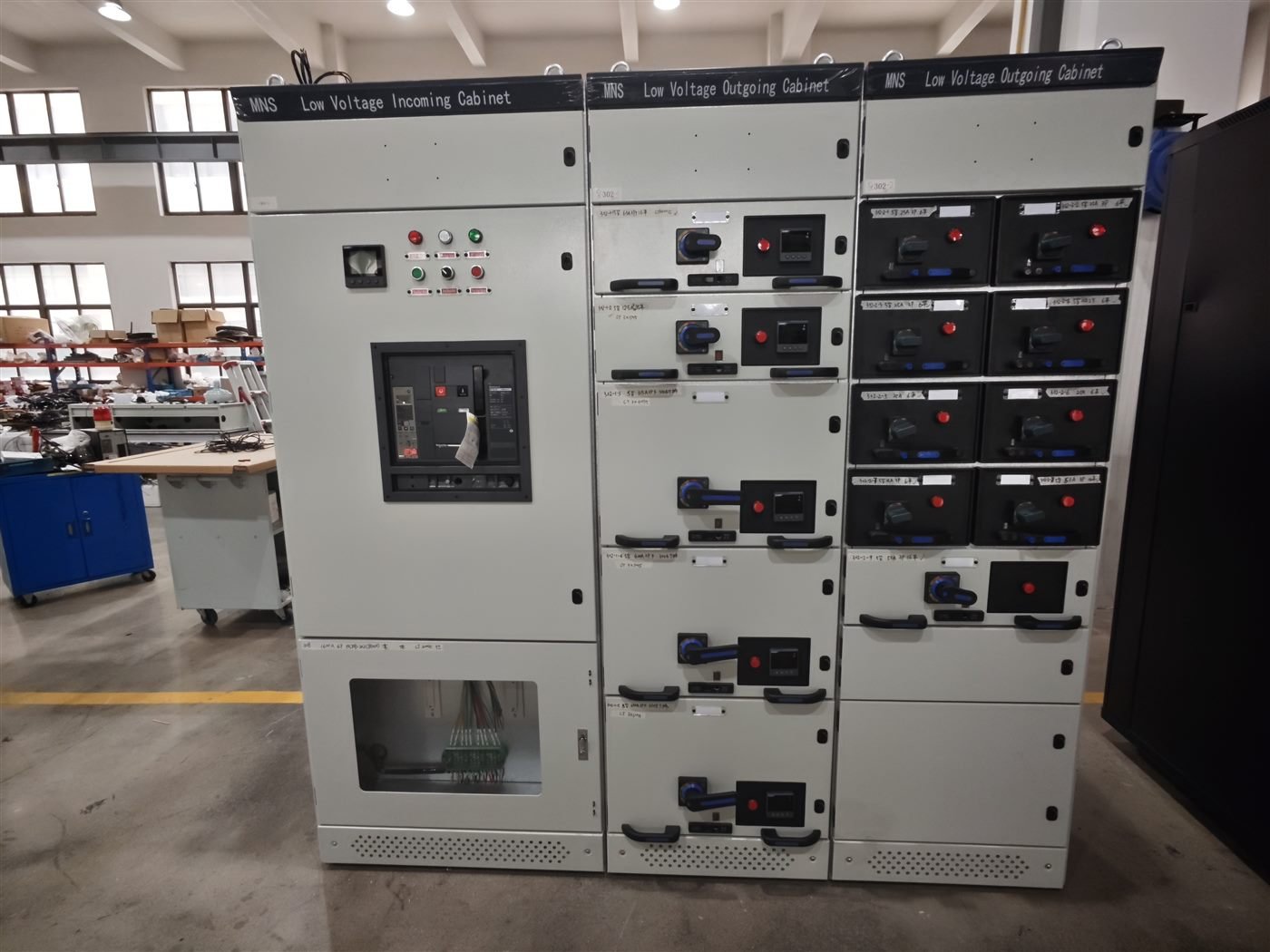
Interlocks are tested cold, with the panel isolated. The purpose is to prove that every blocked action really is blocked, and that every allowed action is not accidentally blocked too.
- Operate each device through its full range and record where it stops.
- Try the forbidden action deliberately; the mechanism must refuse it.
- Confirm the allowed sequence still works without force.
- Check that the key cannot be removed in an unsafe position.
- Verify electrical interlock wiring and DC supply, including loss of supply behavior.
- Record results in the test sheet with device position and date.
This belongs in the same routine as the dielectric and contact resistance tests described in our switchgear testing guide. A panel that passes electrical tests but has a defeated interlock is not ready.
Where Interlocks Fail
Most interlock failures are not design failures. They are maintenance and human failures.
- Forced operation. A lever pushed with a bar because a linkage was stiff.
- Missing parts. A cam removed during a repair and never refitted.
- Painting over. A moving part painted into a fixed position.
- Wrong key. A spare key cut to bypass a trapped key system.
- Corrosion. Seized linkages after years in a humid plant room.
- Misadjusted position switch. The electrical interlock releases too early.
Every one of these is visible during a routine inspection. Add interlock checks to the 10 step MV switchgear maintenance plan and treat a defeated interlock as a defect that must be corrected before the panel returns to service.
Frequently Asked Questions
Are interlocks required by law?
Most national electrical codes and utility standards require them for medium voltage switchgear. The exact list depends on the standard and the project specification.
Can interlocks be bypassed for testing?
Only with a written procedure, a permit and a defined safe state. Bypassing should be recorded and removed before energization.
What is the difference between an interlock and a padlock?
An interlock is built into the equipment and works automatically. A padlock is applied by a person under a lockout procedure. They solve different problems and both are needed.
How often should interlocks be tested?
At commissioning, after any repair that touches a mechanism, and at every major maintenance interval, typically once a year.
Why do some panels use keys instead of cams?
Keys carry logic between separate panels or between a panel and a transformer. They are visible and hard to defeat, which suits multi-section substations.
Do GIS panels have the same interlocks?
The principle is the same, but the mechanisms differ because the live parts are inside a sealed gas compartment. Access interlocks are usually tied to the earthing switch.
About Electric-GS
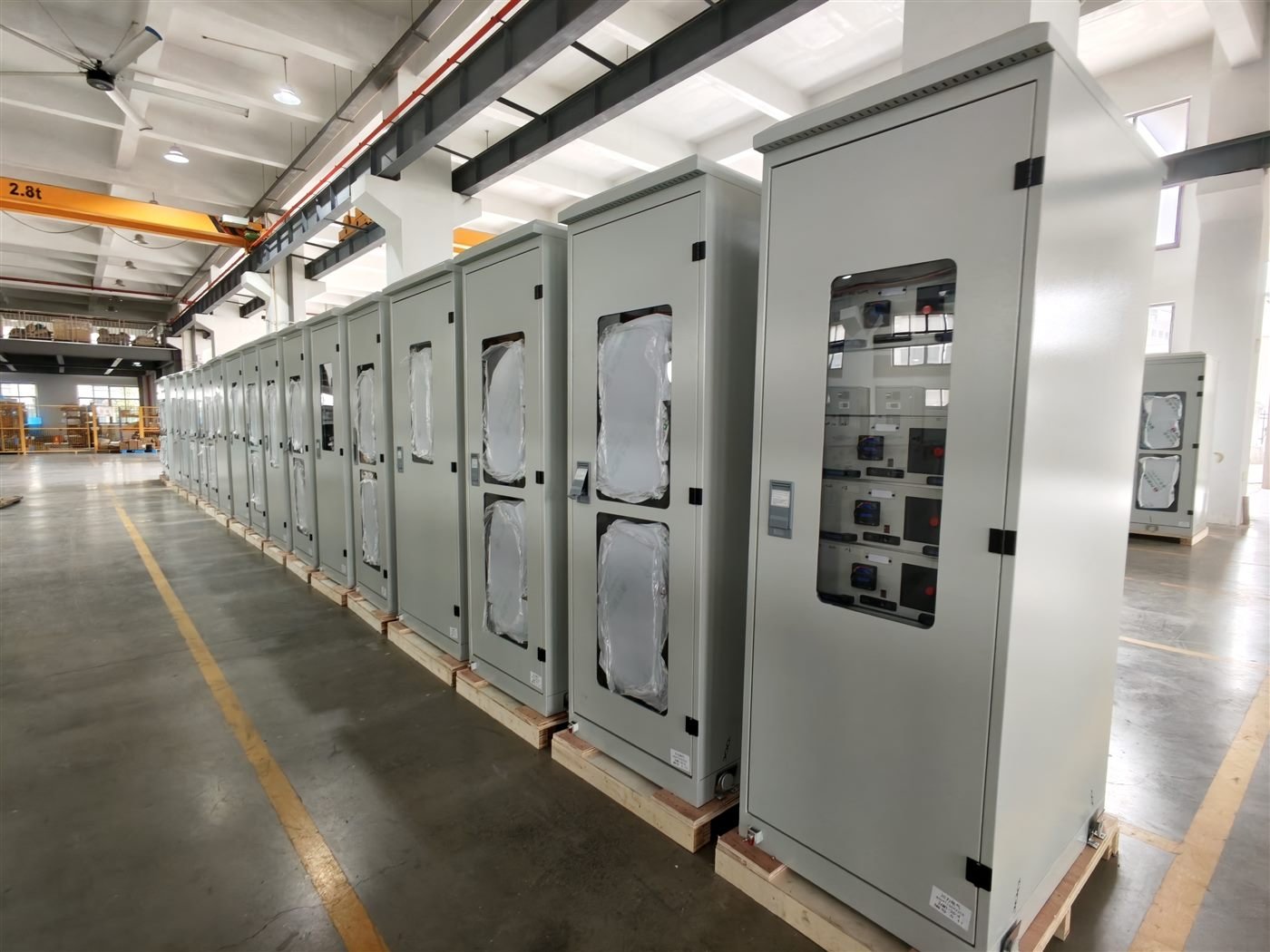
Electric-GS is an OEM and ODM manufacturer in Yueqing, China. We build medium voltage switchgear, ring main units, SF6 GIS, vacuum circuit breakers and compact substations, and we test every interlock before dispatch. Panel components and options are listed in our switchgear components guide. Contact us at info@electric-gs.com or WhatsApp +86 135 8897 8050. See the Electric-GS global site and our China site for the full product range.