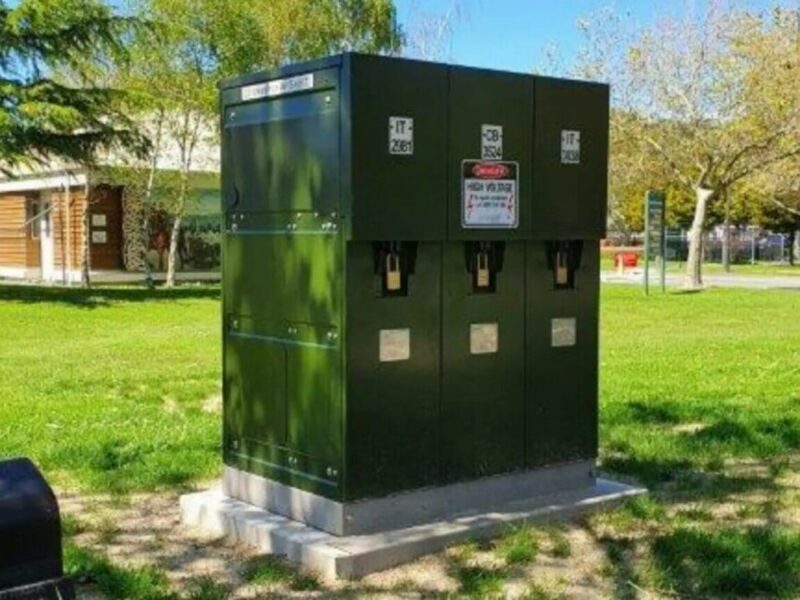
Electric-GS is an experienced manufacturer of medium voltage and low voltage electrical equipment in Yueqing, Zhejiang, China. This engineering guide helps buyers, contractors and engineers make correct and safe decisions for power distribution and renewable energy projects.
Two Names, Two Different Roles in the Network
Engineers often use the terms ring main unit (RMU) and switchgear as if they were the same equipment. In reality, an RMU is a compact load-switch-based assembly designed for ring distribution networks, while conventional switchgear includes full circuit breakers with protection relays for fault clearing. Understanding the difference changes the way you design a substation and how much you pay for it.
This guide compares RMU and MV switchgear across ten practical dimensions and tells you exactly when each one is the right choice for a project.
What Is a Ring Main Unit (RMU)?
An RMU is a factory-assembled, sealed unit that combines two or more ring switches (load break switches) and one or more fuse-switch or breaker feeder units. It is used in secondary distribution networks where each transformer is fed from two directions, so a fault on one feeder does not interrupt supply to other customers.
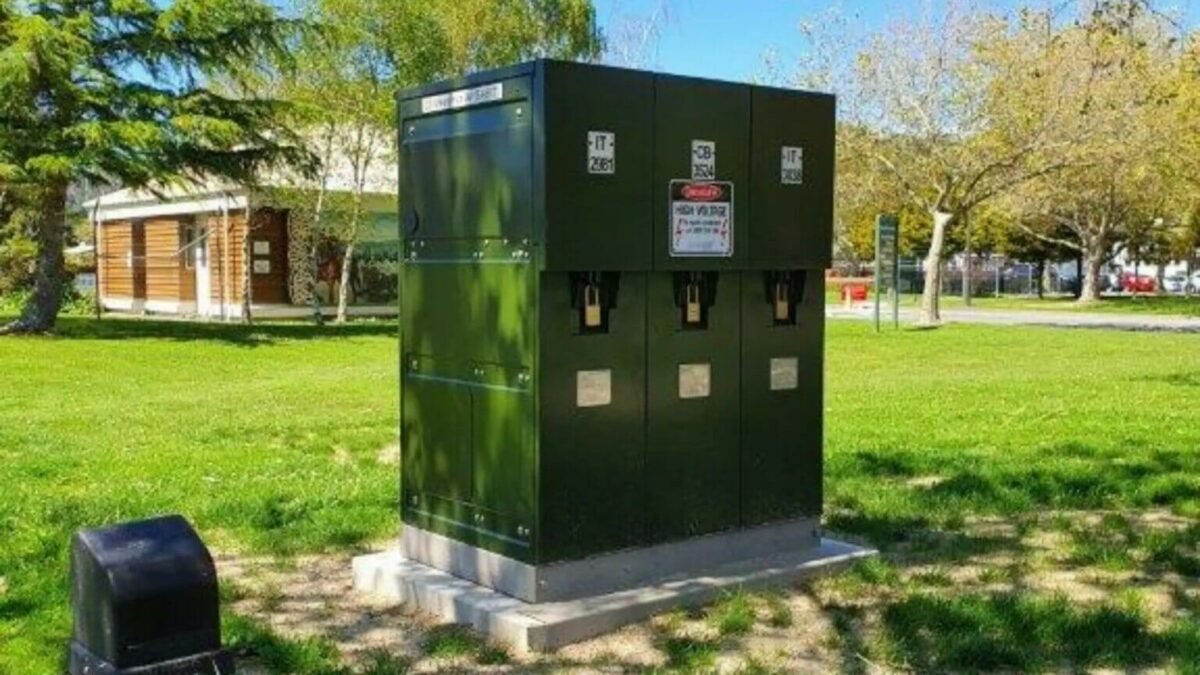
For the complete switching procedures of RMU equipment, read our RMU operation guide before you start any live work.
What Is Conventional MV Switchgear?
Conventional MV switchgear contains withdrawable or fixed circuit breakers, protection relays, CTs and VTs, and is used where fault levels are higher and automatic protection is mandatory. Typical examples are main intake substations, transformer bays above 1250kVA, and critical process feeders in factories and data centers.
If you are choosing between fixed and withdrawable construction, our withdrawable vs fixed switchgear guide explains the maintenance and safety trade-offs in detail.
RMU vs Switchgear: 10 Key Differences
| Item | Ring Main Unit | MV Switchgear |
|---|---|---|
| Main switching device | Load break switch | Circuit breaker |
| Fault clearing | Fuse or upstream breaker | Self-clearing with relay |
| Protection relay | Usually none or simple | Full protection suite |
| Footprint | Very compact | Larger |
| Fault level rating | Lower (typically 20kA) | Higher (25-40kA) |
| Price per feeder | Lower | Higher |
| Maintenance | Sealed, minimal | Regular inspection |
| Typical location | Secondary distribution | Main substations |
| Remote monitoring | Optional add-on | Usually standard |
| Expansion | Add modules | Add panels |
Protection Philosophy: The Real Difference
A load break switch in an RMU is designed to switch normal load current, not to clear faults. When a transformer inside the RMU fails, the HV fuse melts and the upstream feeder breaker clears the ring. This philosophy is reliable and cheap, but it means you cannot use an RMU as the main protection device for a large transformer or a critical feeder.
Conventional switchgear, by contrast, includes a circuit breaker that clears faults by itself based on relay settings. This gives selective protection, faster fault clearance and easier coordination with downstream equipment.
Cost and Footprint Comparison
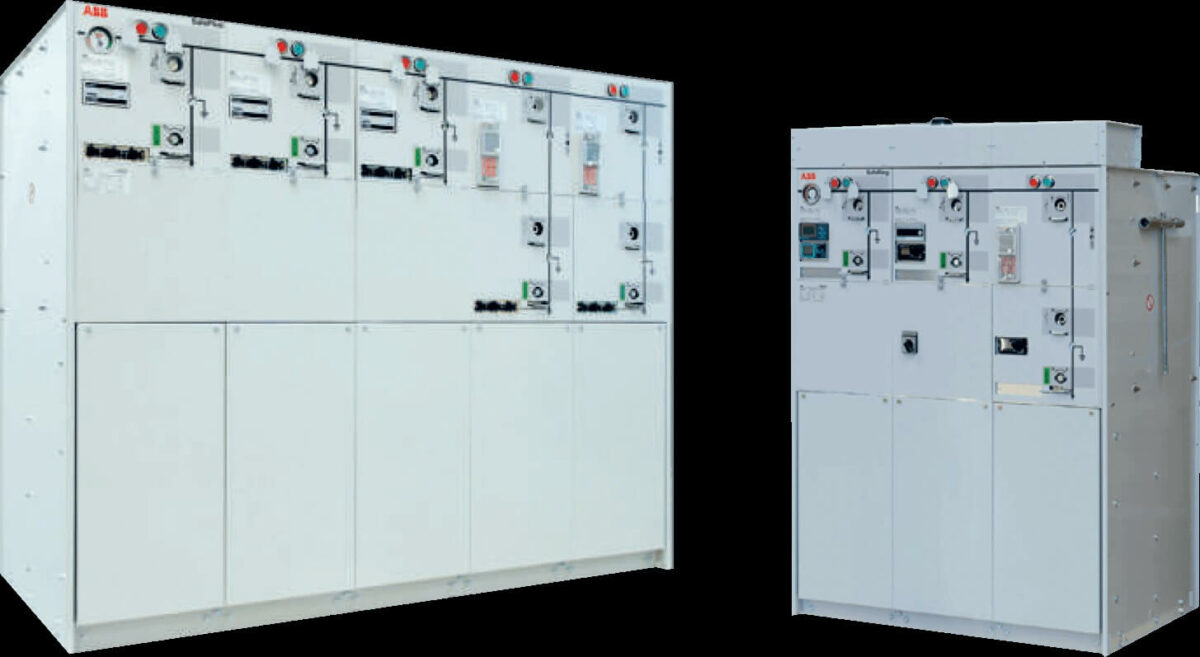
For a typical transformer substation with two incoming feeders and one transformer bay, an RMU solution costs roughly 40-60% less than conventional switchgear and occupies about one third of the space. That is why distribution utilities, residential complexes and solar farms prefer RMUs for most secondary stations.
When to Choose RMU
- Transformer ratings up to 1250kVA
- Ring or loop distribution networks
- Compact pad-mounted or indoor stations
- Projects where budget and space are tight
- Solar farm collection stations
When to Choose Conventional Switchgear
- Transformer ratings above 1250kVA or critical loads
- High short-circuit levels above RMU capability
- Selective protection coordination required
- Frequent switching or automation
- Utility primary substations
Hybrid Solutions Are Common
Many modern substations use both: a conventional breaker panel for the main transformer and RMUs for feeder rings. This hybrid approach balances cost and reliability. When planning, always coordinate with the protection engineer so fault levels and discrimination are correct across the whole network.
FAQ About RMU and Switchgear
Can an RMU clear a fault?
An RMU load break switch is not designed to clear faults. Faults are cleared by fuses in the transformer feeder or by upstream breakers in the ring.
Is RMU cheaper than switchgear?
Yes, typically 40-60% cheaper per feeder for comparable ratings, mainly because it uses load break switches instead of breakers and relays.
Can RMU be used indoors?
Yes, indoor RMUs are common in basements and electrical rooms. Outdoor RMUs use weatherproof enclosures rated IP54 or higher.
What is the maximum transformer size for an RMU feeder?
With HV fuses, RMU feeders are normally used up to 1250kVA transformers. Larger transformers need breaker protection.
Does Electric-GS manufacture RMUs?
Yes, we produce air-insulated, SF6-insulated and solid-insulated RMUs from 12kV to 24kV, and we can add remote monitoring.
Where can I find RMU cable termination guidance?
See our detailed RMU cable termination best practices guide for step-by-step instructions.
About Electric-GS
Electric-GS is a professional OEM/ODM factory in Yueqing, Zhejiang, China, specializing in ring main units, gas insulated switchgear, vacuum circuit breakers, transformers, LV/MV switchgear and solar power distribution equipment. All products are manufactured with strict quality control and IEC standard testing. For quotations, drawings or customization, contact us at info@electric-gs.com or WhatsApp +86 135 8897 8050.
4 thoughts