What Is a Gas Insulated Busbar
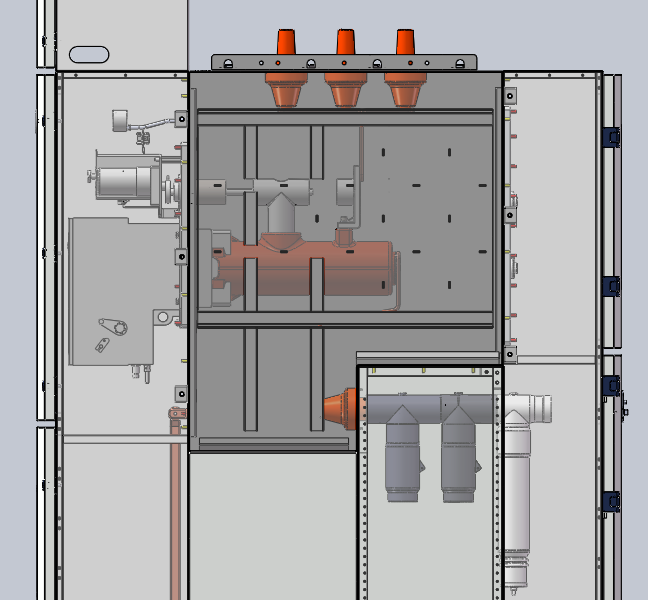
A gas insulated busbar (GIB) is a sealed, gas-filled conductor system used to connect switchgear, transformers and loads in high and medium voltage substations. The busbar sits inside an aluminium or steel enclosure filled with SF6 gas, so it needs very little clearance and can be routed in tight spaces. Gas insulated busbars are a core part of modern gas insulated substations and are also used to connect buildings, transformers and GIS bays.
SF6 gas has very high dielectric strength, so the conductor sits close to the earthed enclosure without flashover. This makes the assembly far smaller than an air-insulated busbar of the same rating. Each section has a gas barrier that divides the enclosure into compartments, and density relays monitor pressure in each one. If pressure falls, the relay raises an alarm so operators can find the leak before a fault develops. Most projects choose a gas insulated busbar for compact dimensions, high reliability and low maintenance. Typical ratings range from 24 kV to 145 kV, with continuous currents up to several thousand amps.
Key Components of a Gas Insulated Busbar System
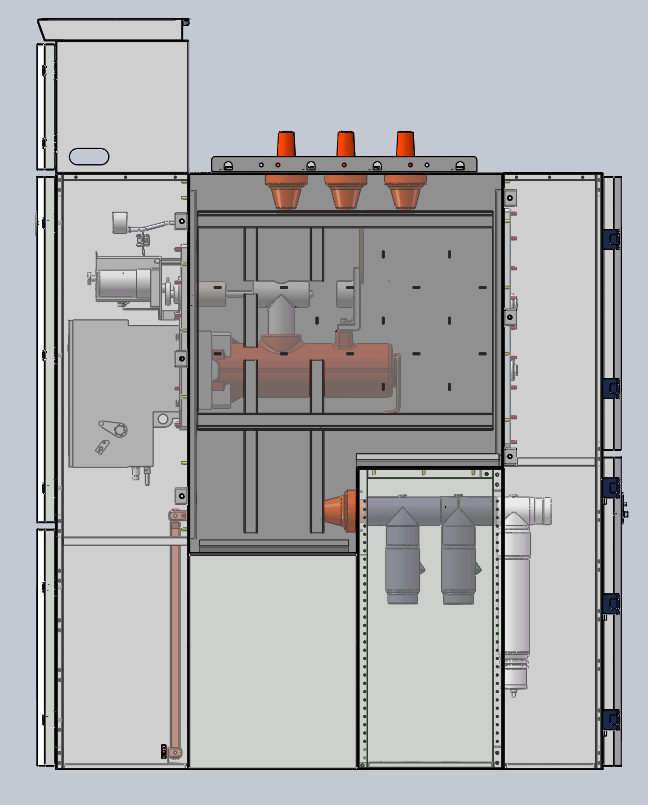
A complete gas insulated busbar installation includes several proven components:
- Conductor, usually aluminium or copper tube that carries the current.
- SF6 gas enclosure, an earthed aluminium or steel shell that contains the gas.
- Gas barriers and spacers that support the conductor and divide the enclosure into compartments.
- Density relays and pressure switches for SF6 monitoring and alarm.
- Disconnector and earthing switches where the busbar connects to switchgear bays.
- Expansion joints to handle thermal movement and building settlement.
For a wider look at the technology, read our SF6 gas insulated switchgear complete guide that explains how a gas insulated substation works.
Gas Insulated Busbar vs Air Insulated Busbar
| Feature | Gas Insulated Busbar | Air Insulated Busbar |
|---|---|---|
| Footprint | Compact sealed enclosure | Large open clearances |
| Dielectric medium | SF6 gas | Air |
| Environmental sensitivity | Low, sealed from dust and moisture | High, affected by pollution |
| Maintenance | Less frequent | Regular cleaning and inspection |
| Installation | Factory-assembled modules | More on-site assembly |
| Initial cost | Higher | Lower |
| Lifecycle cost | Often lower | Often higher over time |
Compare the two substation layouts in detail in our GIS vs AIS switchgear comparison for 33 kV and 66 kV stations.
10 Key Benefits of Gas Insulated Busbars
Benefit 1: Compact design. A gas insulated busbar fits into corridors and shafts where an air-insulated busbar cannot, saving space and reducing building size.
Benefit 2: High reliability. Sealed modules keep conductors free from dust, humidity and pollution, so insulation stays stable for years.
Benefit 3: Low maintenance. With no exposed creepage paths, a gas insulated busbar needs far fewer inspections than air-insulated types.
Benefit 4: Flexible routing. GIB sections run horizontally, vertically, underground or between buildings, suiting complex substation layouts.
Benefit 5: Better safety. The earthed enclosure contains the live conductor and any internal fault, protecting operators and adjacent equipment.
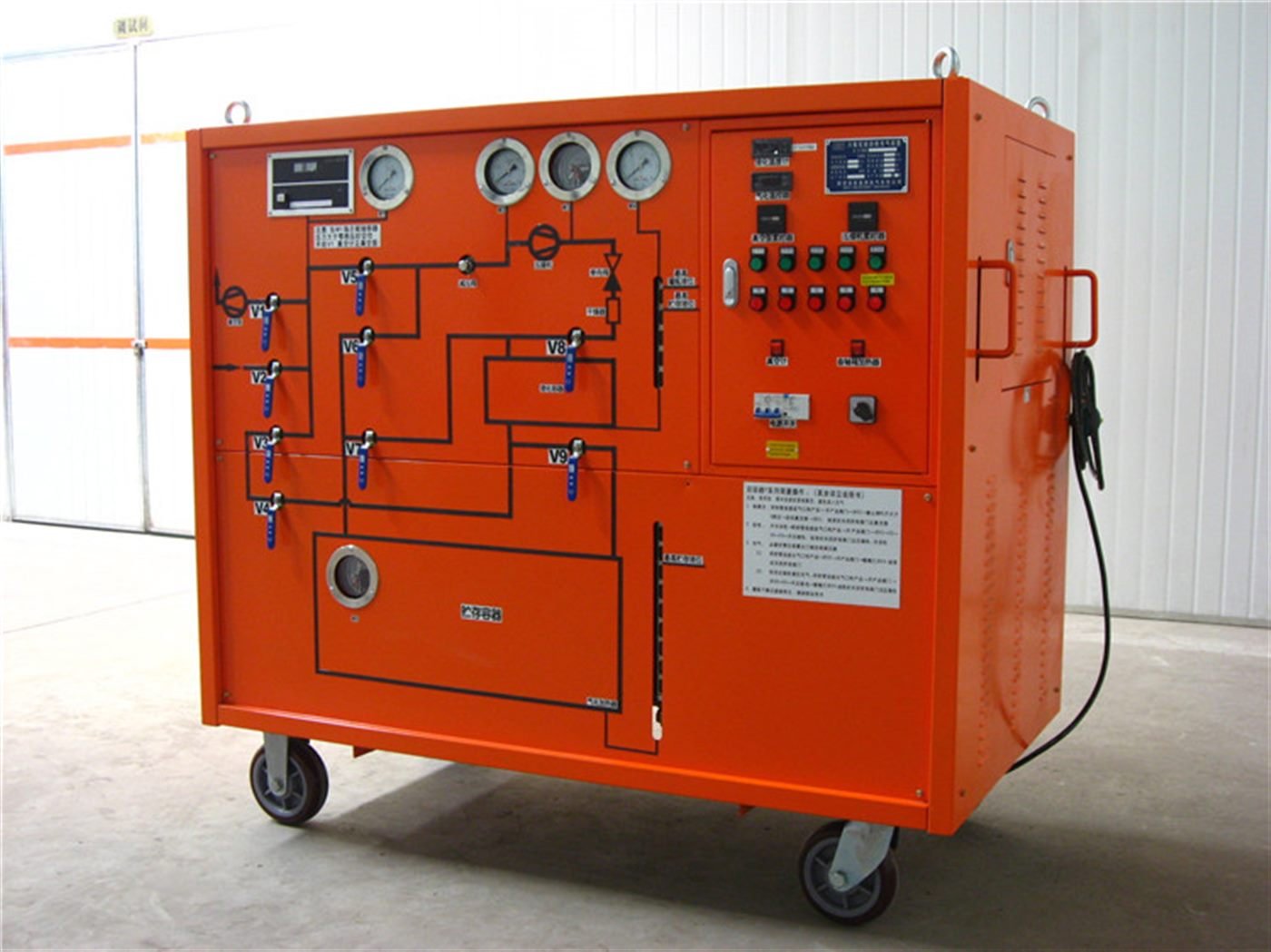
Benefit 6: Fast installation. Gas insulated busbar arrives factory-tested in sections, so on-site assembly and gas filling are quick.
Benefit 7: Long service life. With correct gas management, a GIB system lasts 30 years or more with little deterioration.
Benefit 8: Low losses. Compact design and good conductor selection keep resistance and losses under control.
Benefit 9: Suited to harsh environments. Coastal, desert and polluted sites perform well because the busbar is fully sealed.
Benefit 10: Lower overall cost. Although initial price is higher, smaller buildings, less maintenance and longer life often reduce total project cost.
See how busbars are sized with our medium voltage busbar selection guide covering ratings and design rules.
Where Gas Insulated Busbars Are Used
Gas insulated busbars appear in many installations where space and reliability matter:
- Gas insulated substations to interconnect GIS bays, transformers and feeders.
- Power plants to connect generators to the step-up transformer and switchyard.
- Underground substations where footprint is fixed and access is limited.
- Industrial plants with high power demand and tight electrical rooms.
- Data centres where reliable, compact power distribution is critical.
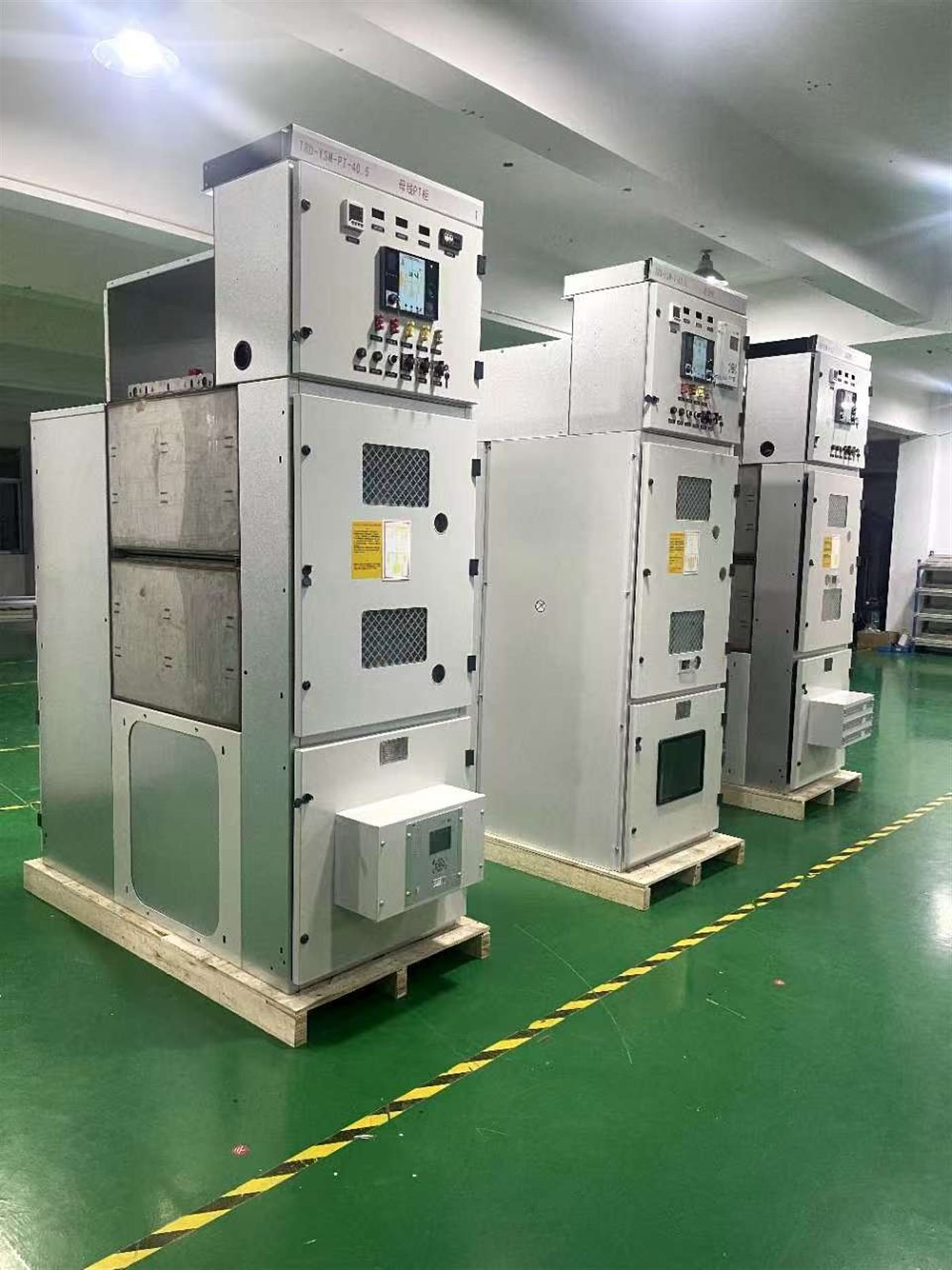
Our 33kV GIS manufacturing process shows how gas insulated busbar sections are assembled and quality-controlled in the factory.
Selection and Installation Tips
Choosing the right gas insulated busbar means checking several parameters:
- Voltage rating must match the system, usually 24 kV, 33 kV, 40.5 kV, 66 kV or 110 kV.
- Continuous current should be selected for peak load plus a growth margin.
- Short-circuit withstand must be verified against the maximum fault current.
- Gas compartments should be sized so a leak only affects one section.
- Enclosure material and finish must suit the site, including corrosion protection.
- Testing should follow IEC standards, including type, routine and commissioning tests.
Installation follows a controlled sequence: check each section for damage and pressure loss, clean sealing faces and torque flanges, connect sections and install spacers, fill SF6 gas and leak-test every joint, test gas density alarms and interlock sequences, then energise. Match the busbar to the isolation scheme too. Review the disconnector switch guide to understand how isolation and earthing work in medium voltage switchgear.
Frequently Asked Questions
What is a gas insulated busbar?
A gas insulated busbar is a sealed conductor system filled with SF6 gas, used to connect switchgear, transformers and loads with a compact and reliable design.
Why use SF6 gas in a busbar?
SF6 has very high dielectric strength, so the conductor can sit close to the earthed enclosure, giving a much smaller busbar than air-insulated designs.
Where is a gas insulated busbar used?
It is used in gas insulated substations, power plants, underground substations, industrial plants, data centres and transmission corridors where space matters.
How does it compare with an air-insulated busbar?
A gas insulated busbar is more compact, more reliable in harsh environments and needs less maintenance, but it has a higher initial cost and needs careful SF6 gas management.
What ratings do gas insulated busbars support?
Common voltage ratings are 24 kV, 33 kV, 40.5 kV, 66 kV and 110 kV, with continuous currents up to several thousand amps depending on conductor size.
How long does a gas insulated busbar last?
With correct gas handling and maintenance, a gas insulated busbar typically lasts 30 years or more because sealed modules protect conductors from dust, moisture and corrosion.
About Electric-GS
Electric-GS is an OEM and ODM manufacturer based in Yueqing, China, specialising in medium voltage switchgear, SF6 GIS, gas insulated busbars, ring main units and vacuum circuit breakers. We build gas insulated busbar systems for projects worldwide and support custom designs, factory testing and after-sales service. Contact us at info@electric-gs.com or WhatsApp +86 135 8897 8050. For our product range, visit the Electric-GS global site or the Electric-GS China site.