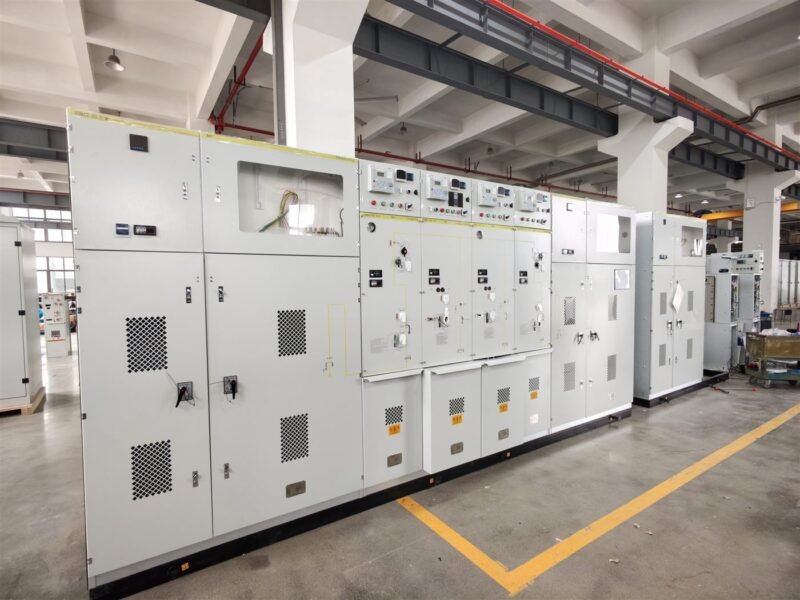
Every MV and LV switchgear quotation hides a materials decision that shapes the next twenty years of losses, weight and maintenance: copper busbars or aluminium. Both are legitimate. Both are used in panels that pass the same type tests. But they behave very differently at a joint, under a fault, and on a crane hook, and the difference only becomes visible five years after commissioning when a joint starts running hot.
This note sets out the six checks we walk through with buyers before a busbar specification is signed, using the same numbers our fabrication team works to in Yueqing.
Why the busbar material is a lifetime decision
The busbar carries the full load current for the life of the installation and it is the one part of a switchgear panel that cannot be replaced without dismantling the lineup. Insulation can be re-taped, a relay can be swapped, a fuse can be changed in minutes. A busbar system that was sized or jointed badly stays that way until the panel is rebuilt.
It also sets the temperature rise result. A panel that passes the temperature rise test with 40 mm copper bars may need 60 mm aluminium bars to pass the same test, because aluminium carries roughly 60% of the current of copper for the same cross section. That is not a small difference in a 3200 A lineup.
Conductivity, weight and the 1.6 factor
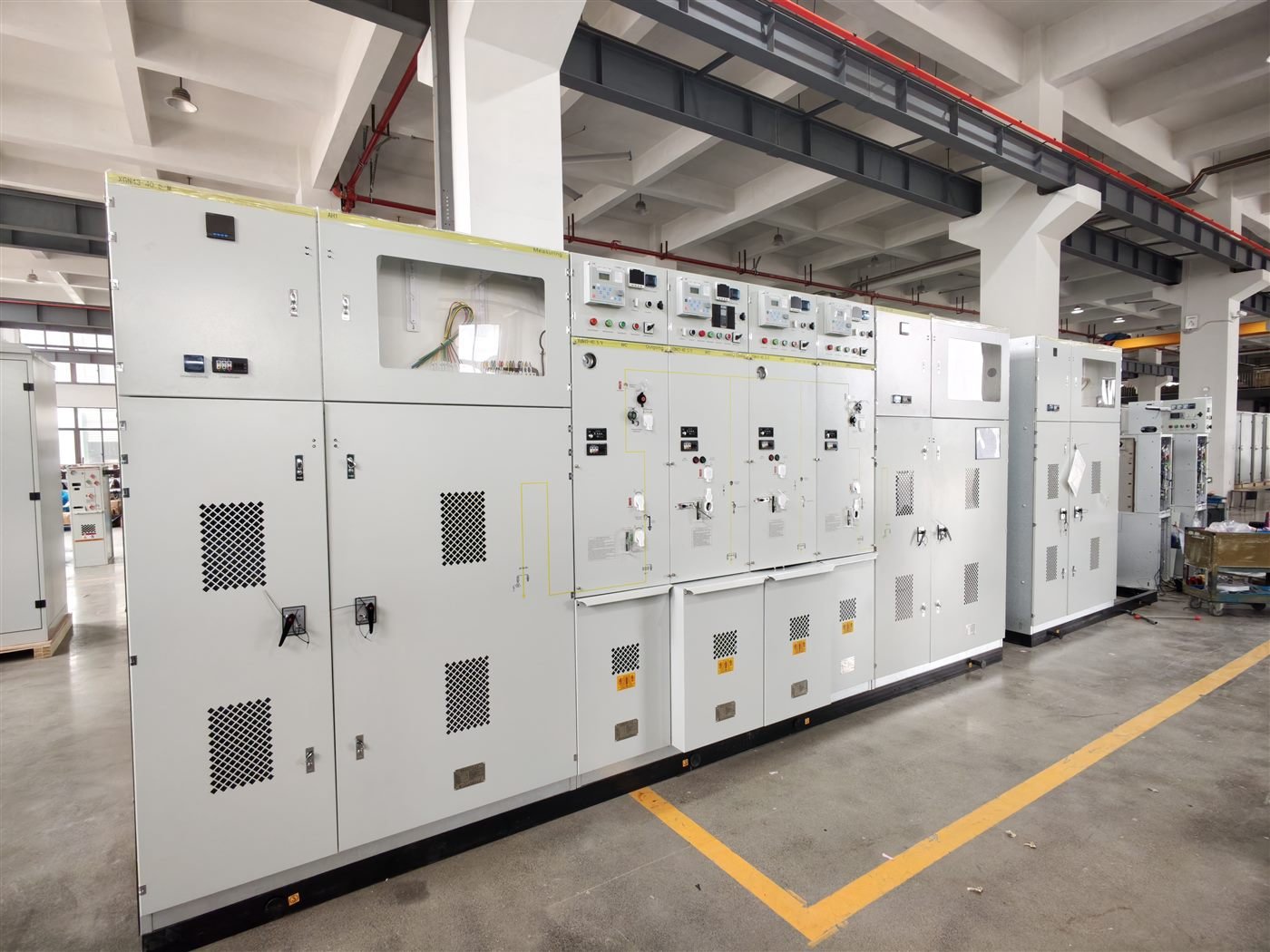
Copper conducts at about 58 MS/m, aluminium at about 36 MS/m. To match copper ampacity, an aluminium bar needs roughly 1.6 times the cross section, or a wider, flatter profile with better surface cooling. What buyers usually miss is that the 1.6 factor applies to resistance, not to the mechanical stiffness, so the aluminium bar ends up larger and heavier than expected.
| Property | Copper (ETP) | Aluminium (1350) | Practical effect |
|---|---|---|---|
| Conductivity | ~58 MS/m | ~36 MS/m | Aluminium needs ~1.6× area for the same current |
| Density | 8.9 g/cm³ | 2.7 g/cm³ | Same ampacity: aluminium is about half the weight |
| Cost per amp | Higher, volatile | Lower, more stable | Large lineups shift toward aluminium on cost |
| Joint behaviour | Stable with tin plating | Creeps; needs disc springs | Aluminium joints must be re-torque checked |
| Oxide layer | Conductive enough after cleaning | Hard insulating oxide | Aluminium must be brushed and greased before jointing |
| Thermal expansion | Low | Higher | Long aluminium runs need expansion allowance |
Where aluminium wins
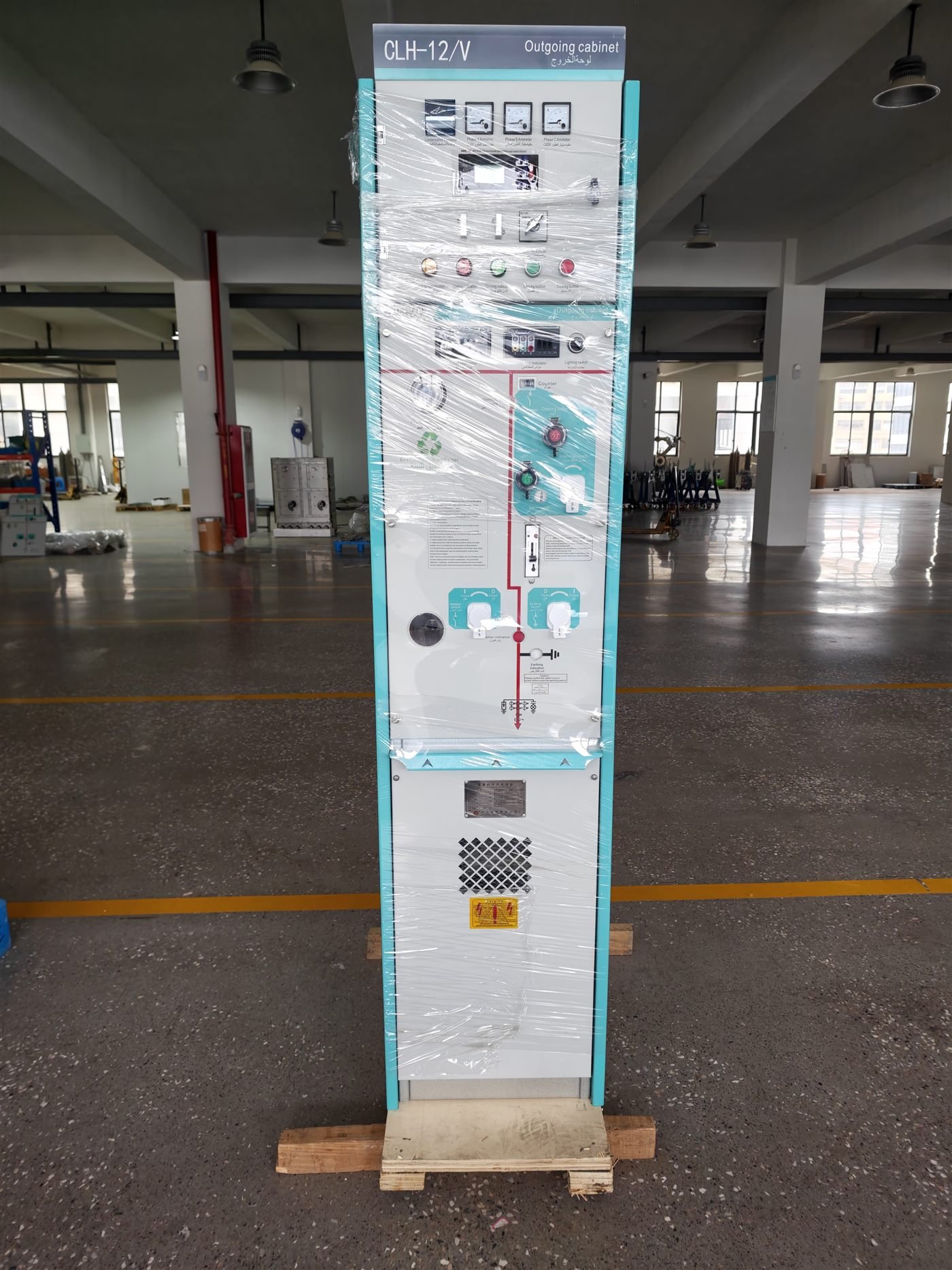
Long busbar runs in large LV lineups, container substations and any panel that has to travel by sea are the natural home of aluminium. Weight is the argument: a 3200 A copper run that needs a forklift and four installers can often be handled by two people in aluminium, and the shipping cost drops with it.
Cost is the second argument, and it is not only metal price. Aluminium extruded profiles are cheaper to buy in long lengths, and the heavier the lineup, the more the freight and handling savings compound. For a 20-panel LV assembly, the difference can be several percent of the total panel cost.
Where copper still wins
Compact MV panels, small current ratings and anything with tight joint access favour copper. A 630 A copper bar fits where a 1000 A aluminium bar will not, and the joint can be made with a standard bolted connection without disc springs. This matters inside ring main units, where the busbar sits a few centimetres from the tank wall.
Copper also wins wherever the panel will be jointed on site by a contractor rather than in a factory. Aluminium jointing demands surface preparation discipline, correct grease and controlled torque. If the site team has never done it, copper is the lower-risk specification, even at higher material cost.
Joints and plating: where mixed-metal systems fail
The classic field failure is a copper-to-aluminium joint made without a barrier. Moisture and current together produce galvanic corrosion at the interface, resistance climbs, temperature follows, and the joint eventually discolours or fails. If a mixed system is unavoidable, the joint needs a bimetallic transition plate or a full tin plating on the aluminium side, plus a torque value written on the drawing.
Aluminium also creeps under sustained bolt pressure. A joint torqued to specification in the factory will be loose after two years of thermal cycling unless disc springs or belleville washers hold the pressure. This is why aluminium busbar systems should carry a re-torque interval in the maintenance schedule, and copper systems usually do not.
Six checks before you sign the specification
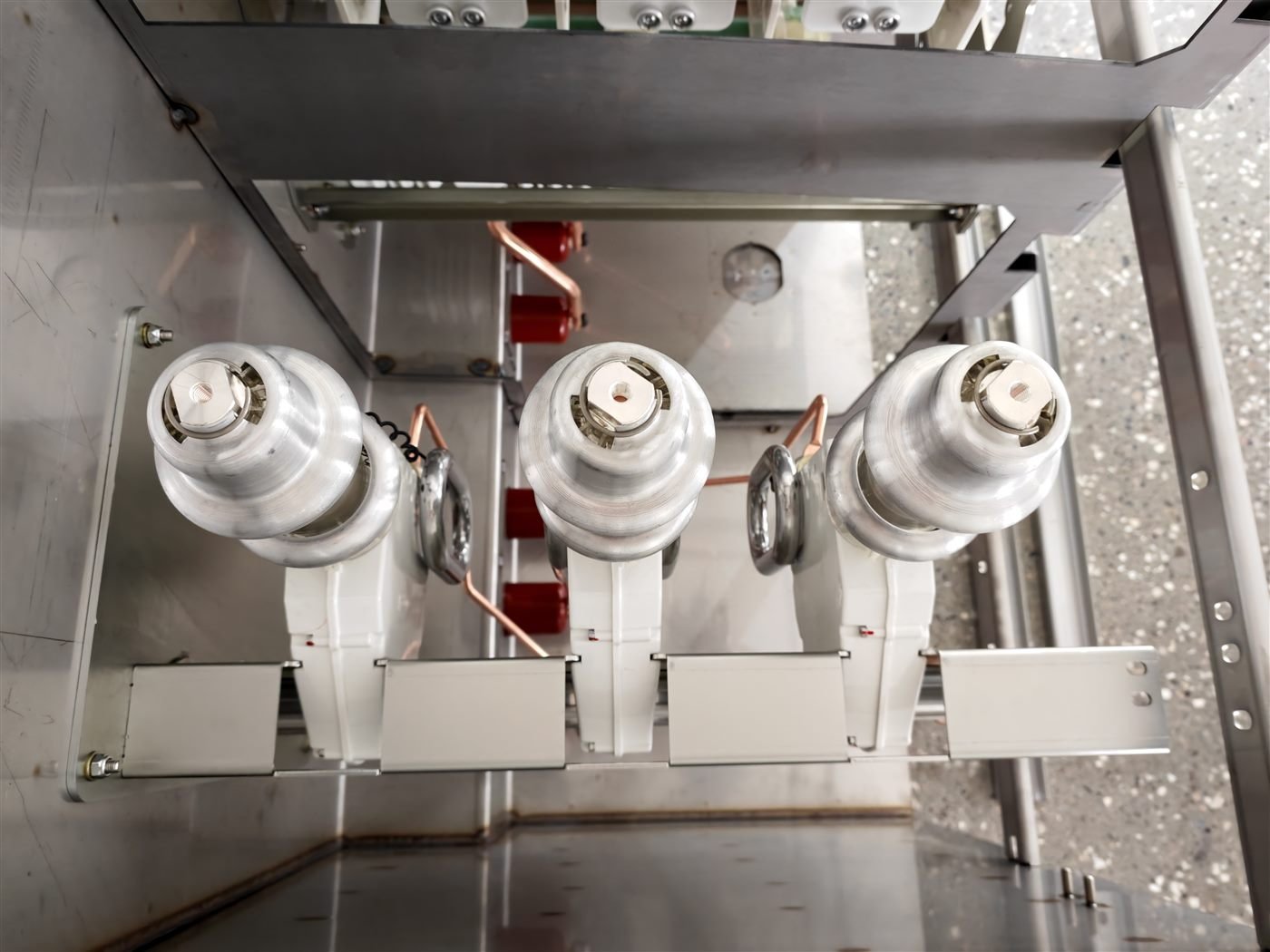
- Is the material named, not just the current rating? “Copper” alone is not a spec; ask for ETP grade and conductivity.
- Does the temperature rise test report match the material actually offered? A copper-tested design cannot be swapped for aluminium without a new test.
- Are joint faces plated, and what is the plating thickness in micrometres?
- For aluminium: are disc springs specified, and is a re-torque interval in the manual?
- Is there a bimetallic barrier wherever copper meets aluminium, including at the cable lugs?
- Does the short-circuit rating hold for the material offered? Aluminium needs more section for the same peak withstand.
These six questions fit on one page and close most of the arguments that otherwise surface during the factory acceptance test. Where the ratings on the plate and the busbar inside disagree, the nameplate rating guide is the reference to check first.
FAQ
Can copper and aluminium busbars be mixed in one panel? Only with a proper bimetallic transition and plated faces. Direct bolting of bare copper to bare aluminium is a future hot joint.
Is tinned copper better than bare copper? For humid or coastal sites, yes. Tin plating slows oxidation at the joint and keeps contact resistance stable, which is why it appears in most export specifications.
Does aluminium reduce the short-circuit rating? The material changes the thermal and mechanical behaviour, so the withstand must be recalculated, not assumed. A design tested in copper cannot simply be re-materialised.
How much heavier is a copper lineup? Typically 1.8 to 2.2 times the busbar weight for the same ampacity, which is why container substations often switch to aluminium for the long runs.
What about aluminium cable lugs? They need the same treatment as busbars: brushed, greased, and torqued to a written value. Loose aluminium lugs are one of the most common causes of terminal overheating on site.
Which material should a coastal project choose? Copper with tin plating is the conservative choice; aluminium works if the enclosure rating and the joint protection are both taken seriously. Corrosion protection detail matters more than the metal itself.
Electric-GS builds MV and LV switchgear in Yueqing with copper and aluminium busbar systems, both supported by temperature rise and short-circuit test reports. Sister plants in the same group publish component notes at electric-cn.com, and a busbar specification checklist is available on request: info@electric-gs.com, WhatsApp +86 135 8897 8050. For cable sizing that pairs with the busbar rating, see the cable sizing guide.