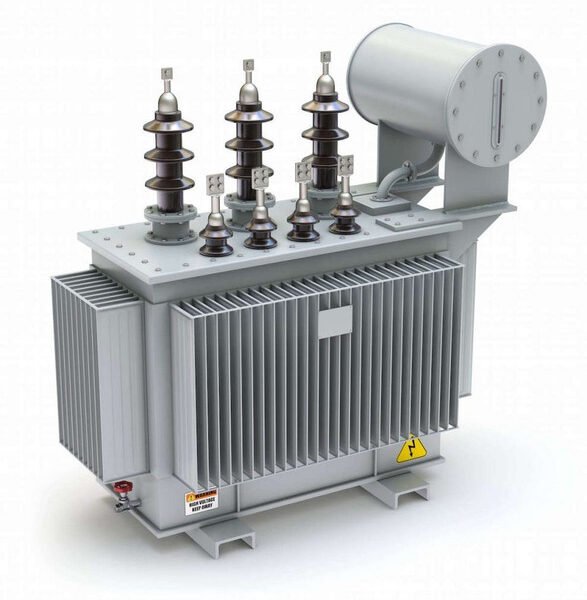
Transformer testing confirms that a unit is safe, correct and reliable before it enters service. A transformer that passes the right tests runs for decades. One that fails them can cause a costly outage. This guide explains the main routine and type tests, what each one checks, and how to plan a test program for distribution transformers.
Why Transformer Testing Matters
Every transformer leaves the factory with a test record. That record proves the unit meets its rating, ratio and losses. It also protects the buyer. A test report gives you evidence that the delivered unit matches the specification.
Testing finds manufacturing errors, shipping damage and aging before they become failures. It also creates a baseline for future maintenance. When a later test shows a different reading, you know something has changed inside the unit.
A complete test program is a small cost compared with the price of a failed transformer. A single undetected winding fault can take the unit offline for weeks and delay your whole project.
Routine Tests vs Type Tests
Routine tests run on every unit before delivery. Type tests run once on a design to prove that the design itself is sound. The table lists the most common tests and how they are used.
| Test | What it checks | Routine or type |
|---|---|---|
| Ratio and polarity | Turns ratio, connection group | Routine |
| Winding resistance | Copper losses, loose joints | Routine |
| Insulation resistance | Winding to ground | Routine |
| SFRA | Winding movement, core damage | Type and special |
| Temperature rise | Cooling under rated load | Type |
| Dielectric and impulse | Insulation strength | Type |
| Loss measurement | No-load and load losses | Routine and type |
Ratio, Polarity and Winding Resistance Tests
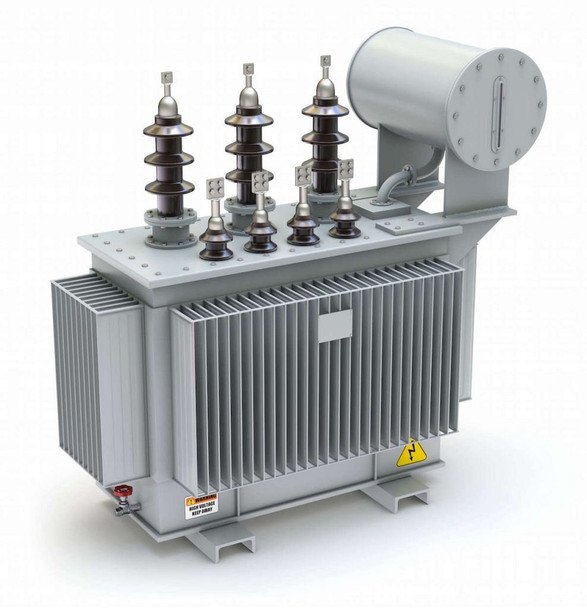
The ratio test compares the primary and secondary voltage. It verifies the correct turns ratio and the connection group. Polarity is checked at the same time. A reversed polarity connection can cause dangerous circulating currents when units run in parallel.
The winding resistance test measures the DC resistance of each winding. It confirms that connections are tight and free of loose joints. The result also gives the data needed to calculate the load losses of the unit. Always record the winding temperature with the reading, because resistance changes with temperature.
Insulation Resistance and SFRA Tests
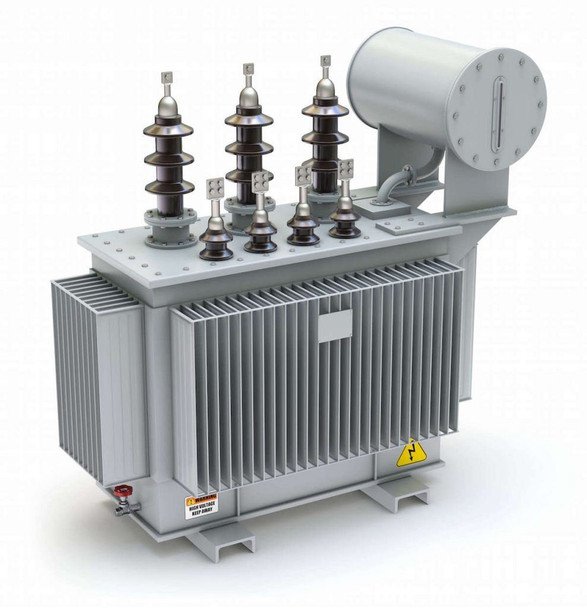
The insulation resistance test applies a high DC voltage and measures the resistance between windings and to ground. A low reading points to moisture or damage in the insulation. It is a fast, reliable check that every technician can perform on site.
SFRA, or sweep frequency response analysis, compares the winding frequency response with a reference curve. A changed response means the winding has moved, which often happens after shipping or a through fault. SFRA is the best way to prove that a transformer arrived undamaged and to confirm that repairs fixed the problem.
Run the insulation resistance test first on any unit that has been in storage. Moisture is the most common cause of a low reading, and a simple drying cycle often brings the value back to normal.
Other Key Tests
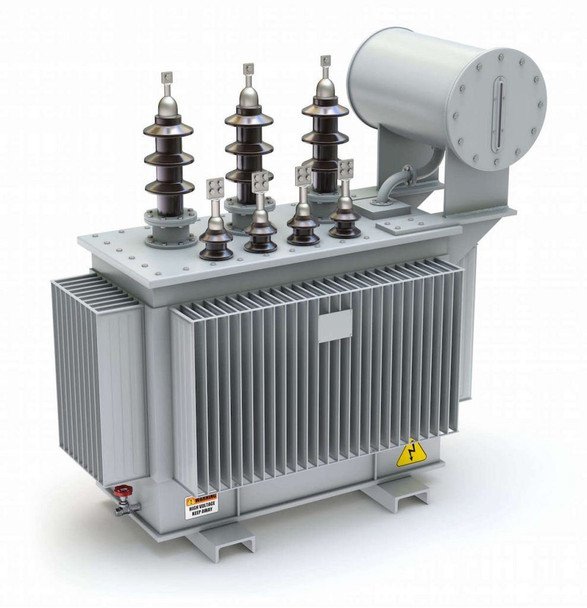
The temperature rise test runs the unit under rated load and checks that hot spot temperatures stay inside limits. It proves that the cooling system and the thermal design work as specified.
Dielectric tests, including power frequency and lightning impulse, prove that the insulation can survive switching and lightning overvoltages. The no-load and load loss measurements verify efficiency and let you compare offers. Tan delta checks the overall insulation quality on larger and higher voltage units, and it gives a clear sign of aging before a failure appears.
Once the unit passes, the next step is to protect it well. See the transformer protection guide for the relays and schemes that guard the transformer in service.
How to Plan a Test Program
Follow a clear order to keep testing simple and complete.
- Start with the manufacturer’s routine test report and confirm it matches the specification.
- Inspect the unit visually for damage, leaks and loose parts before any electrical test.
- Run ratio, polarity, winding resistance and insulation resistance tests first.
- Add SFRA before and after transport for large or critical units.
- Run a temperature rise or dielectric test when the specification requires it.
- Record every reading and compare it with the next maintenance cycle.
Choose the transformer type before you test. The oil immersed transformer guide explains the cooling and design options, and the instrument transformer guide covers the CT and VT tests that feed the protection. For the wider picture, the medium voltage switchgear testing guide shows how the connected switchgear and panels are checked before energization.
Frequently Asked Questions
What is a routine test on a transformer?
A routine test runs on every unit before delivery. It proves the unit meets its rating and works correctly, including ratio, polarity, winding resistance and insulation checks.
What is a type test?
A type test runs once on a design to prove the design itself. Examples are the temperature rise test and the lightning impulse test.
Why do a ratio test?
The ratio test verifies the correct turns ratio and connection group, so the transformer delivers the right voltage and can be connected in parallel safely.
What does SFRA check?
SFRA checks the winding frequency response. A change from the reference curve means the winding has moved, which shows shipping damage or an internal fault.
How often should a transformer be tested in service?
Run the key tests at commissioning, then repeat insulation and ratio tests on a planned maintenance cycle, usually every one to three years.
Do I need a full test report when buying?
Yes. A test report proves the unit matches the specification and gives you a baseline for maintenance and insurance.
About Electric-GS
Electric-GS is a professional electrical equipment manufacturer based in Yueqing, China. We offer OEM and ODM services for transformers, medium voltage switchgear, ring main units and vacuum circuit breakers, with full factory testing and global export experience. Contact us at info@electric-gs.com or WhatsApp +86 135 8897 8050 for a fast quotation. Visit electricgs.com or the Chinese portal at electric-cn.com.