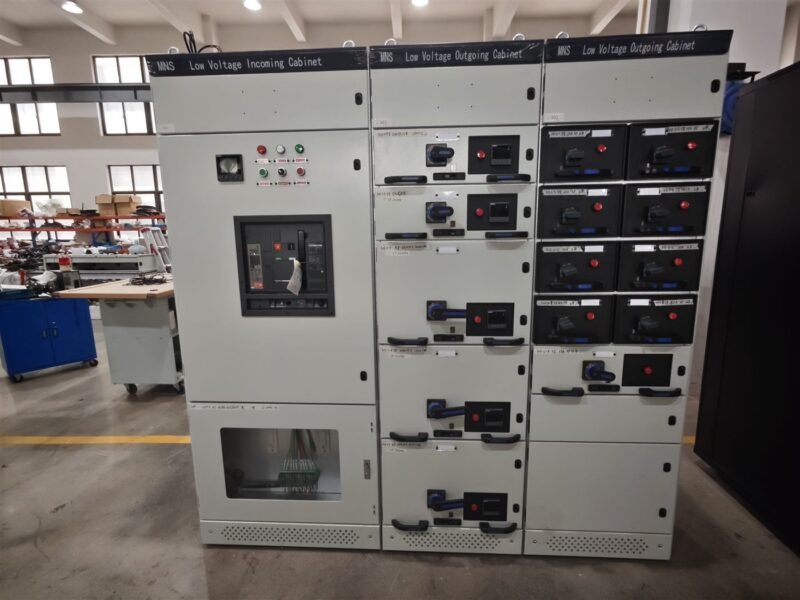
A surge arrester protects medium voltage switchgear, transformers, and substation equipment from lightning and switching overvoltages. It limits the voltage to a safe level and lets the surge energy flow to earth. Choosing the wrong arrester causes equipment damage or repeated failures. This guide explains how to select a surge arrester for 3.6 kV to 40.5 kV systems.
A surge arrester sits between the live conductor and earth. Under normal voltage it blocks current. When a lightning or switching surge appears, it conducts and clamps the voltage. After the surge passes, it returns to the blocking state. The device must both protect the equipment and survive repeated operations.
What Is a Surge Arrester?
A surge arrester is a voltage-limiting device installed at the point where a cable, busbar, or transformer meets the network. It contains metal-oxide varistor blocks that conduct under high voltage. Modern arresters are gapless metal-oxide (MOV) units with a small footprint and fast response.
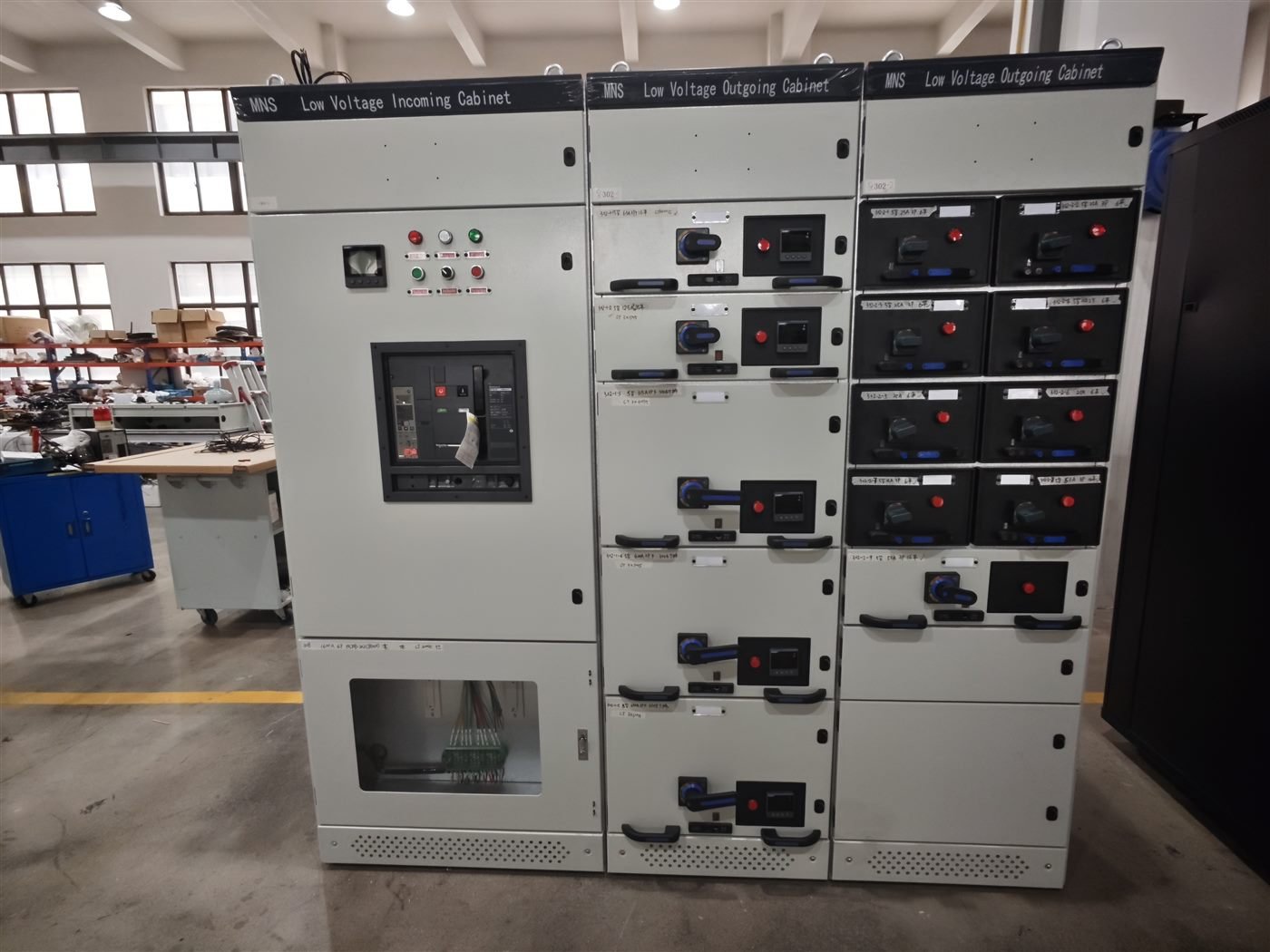
In a typical medium voltage switchgear components layout, the arrester is mounted on the feeder or busbar chamber. It protects the downstream cable and equipment from traveling waves.
Why Medium Voltage Systems Need Surge Protection
Lightning strikes and switching operations create overvoltages. Without protection, these spikes break down insulation, puncture transformer windings, and damage switchgear. A surge arrester keeps the voltage below the insulation withstand level.
- Lightning overvoltage. Direct or nearby strikes inject fast-rising impulses.
- Switching overvoltage. Breaker and disconnector operations produce transient spikes.
- Ferroresonance and faults. System events create sustained or momentary high voltages.
Protection is most important at transformer terminals, cable ends, and long overhead-line connections. The substation earthing design works with the arrester to return surge current safely to earth.
A lightning impulse rises in microseconds and carries a high peak. A switching surge is slower but can stress equipment repeatedly during a single operation. The arrester responds within nanoseconds, so it clamps the first peak before the insulation sees the full voltage. This fast action is why metal-oxide arresters replace older gapped types in most modern panels.
Arrester selection also depends on the system earthing. A solidly earthed network sees lower temporary overvoltage, so a lower Uc works. A resonant or unearthed network has higher overvoltage and needs a higher-rated unit. Confirm the earthing method with the utility before you finalize the rating.
8 Key Ratings and Selection Factors
Check these eight factors when you choose a surge arrester.
- Rated voltage (Ur). Select the continuous line-to-earth voltage, above the maximum operating voltage.
- Continuous operating voltage (Uc). The arrester must hold this voltage under normal and temporary conditions.
- Residual voltage. Lower residual voltage gives better protection, but too low a value reduces energy handling.
- Nominal discharge current. Use 10 kA or 20 kA for medium voltage classes.
- Energy capability. Match the arrester to the worst-case surge energy at the location.
- Class. Choose station, intermediate, or distribution class by the duty level.
- Housing and pollution class. Select the right creepage and insulation for the site.
- Mounting and lead length. Keep the connection short and the earth lead direct.
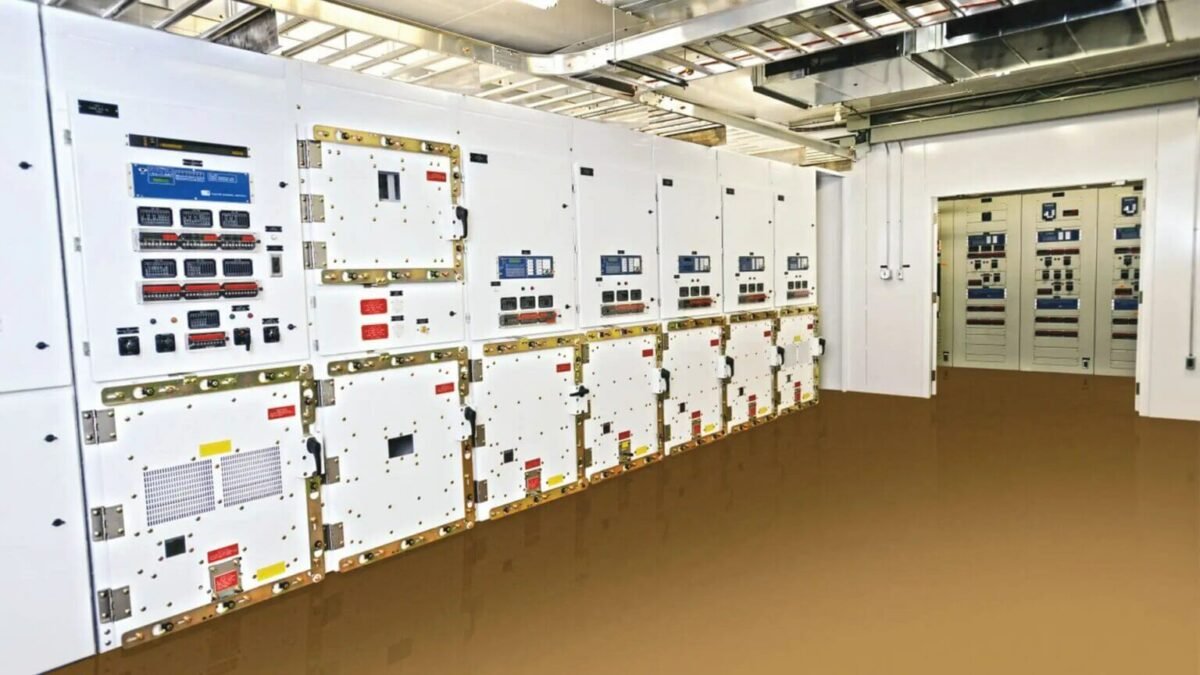
Use the system voltage, not the nominal panel voltage, when you pick Ur and Uc. A wrong choice either fails under temporary overvoltage or gives poor protection margin.
Arrester Class Comparison
| Class | Discharge current | Energy | Typical use |
|---|---|---|---|
| Station | 20 kA | High | Substation transformer terminals |
| Intermediate | 10 kA | Medium | Feeder and cable ends |
| Distribution | 10 kA | Lower | Distribution lines and RMU feeders |
For MV panel duty, distribution-class arresters cover most ring main unit feeders. Use station class at transformer and substation locations.
Surge Arrester Location and Installation
Install the arrester as close as possible to the protected equipment. The lead length adds to the residual voltage, so keep it short. Fix the earth terminal to the local earth grid with a low-resistance connection, as covered in the earthing switch practice.
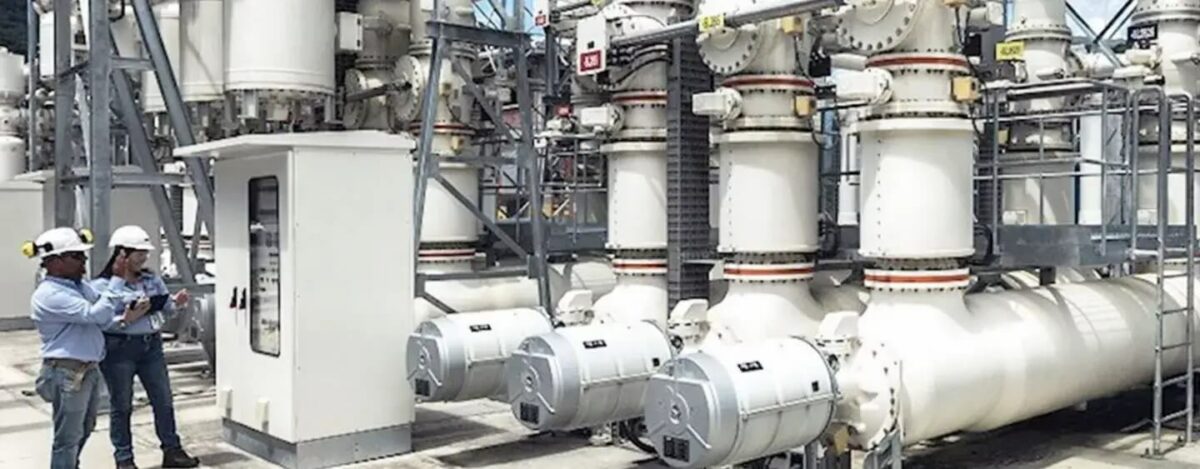
Mount the arrester on the panel frame with a robust bracket. Use a disconnector or link so you can isolate it for testing. Ensure the arrester rating fits the site pollution level and the altitude correction factor.
Keep the arrester clear of the busbar to avoid contamination and partial discharge. In outdoor installations, orient the housing so rain does not enter the vent. Confirm the creepage distance suits the pollution class. A polluted housing creates surface leakage, which heats the varistor and shortens its life.
Testing and Maintenance
Test a new surge arrester for insulation resistance and verify the leakage current at rated voltage. In service, inspect the housing for cracks and contamination. A thermal camera shows hot spots that indicate a failing varistor. Include the arrester in the medium voltage switchgear testing routine.
Record the serial number, rated voltage, and installation date for each unit. Plan replacement before the expected service life ends. Always replace arresters in the same phase set to keep protection balanced.
FAQ About Surge Arrester
Q1. What does a surge arrester do?
It limits overvoltage and diverts surge energy to earth to protect transformers, cables, and switchgear.
Q2. Surge arrester or surge protector?
Both limit voltage, but a surge arrester handles high-energy line surges, while a protector guards low-voltage circuits.
Q3. How do I choose the rated voltage?
Select Ur above the maximum continuous line-to-earth voltage and confirm Uc with the temporary overvoltage.
Q4. What is the nominal discharge current?
It is the surge current the arrester withstands repeatedly, usually 10 kA or 20 kA for MV systems.
Q5. How long does a surge arrester last?
Typical life is 15 to 25 years, depending on surge activity, pollution, and operating stress.
Q6. Can I use one arrester for all phases?
No. Install one arrester per phase, matched for the same rating, and replace them as a set.
About Electric-GS
Electric-GS is a Chinese OEM and ODM manufacturer based in Yueqing, Zhejiang. We build medium voltage switchgear, ring main units, busbars, and transformers with type-test reports and factory testing. For pricing and drawings, email info@electric-gs.com or reach us on WhatsApp at +86 135 8897 8050. See our main site at electricgs.com and our domestic catalog at electric-cn.com.
Recent Comments