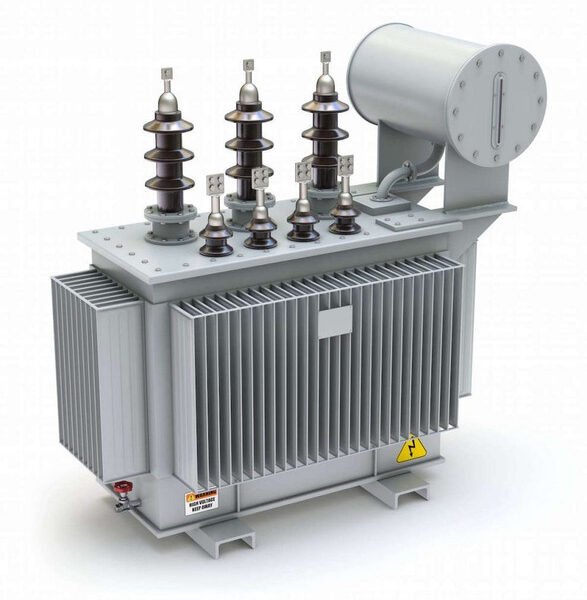
A shunt reactor absorbs reactive power and controls voltage in medium voltage networks. It counteracts the capacitive charging of long cables and overhead lines. Without it, voltage rises at light load and equipment suffers. This guide explains how to select a shunt reactor for 3.6 kV to 40.5 kV systems, including 33 kV networks.
A shunt reactor connects between a phase and neutral, or between phases. It draws a lagging current that balances the leading current produced by cable capacitance. The result is a stable voltage profile along the feeder. The reactor rating must match the line charging demand and the system regulation goal.
What Is a Shunt Reactor?
A shunt reactor is an inductive device with a rated inductance connected across the network. It is built with a laminated iron core and copper or aluminium windings, similar to a transformer but without a secondary circuit. It consumes a fixed reactive power at the system voltage.
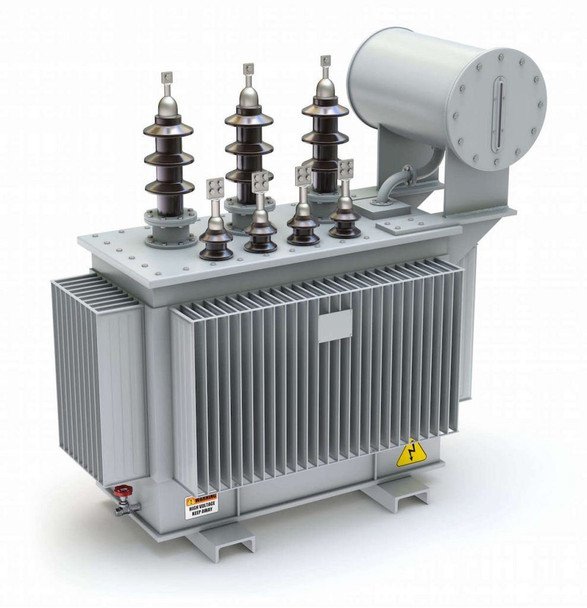
In a typical medium voltage switchgear components arrangement, the reactor is connected through a switching device so it can be taken out of service for maintenance. A disconnector isolates the unit from the busbar.
Why Medium Voltage Networks Need Reactive Compensation
Long cables and overhead lines produce charging current. At light load, this current raises the receiving-end voltage. A shunt reactor draws reactive power, lowers the voltage, and keeps it within limits.
- Cable charging. Underground cables have high capacitance per kilometre.
- Light-load rise. Voltage climbs when load falls, especially at night and on weekends.
- Ferranti effect. On long lines, open-end voltage exceeds the sending voltage.
Reactive compensation balances the system, improves power factor, and reduces switching stress. The medium voltage busbar selection must carry the reactor current with a proper safety margin.
The amount of compensation depends on the line length and the network structure. A short cable needs only a small reactor, while a long 33 kV line may need a unit rated in the megavar range. Some networks use a switched reactor bank that connects or disconnects reactors to match the load. This arrangement keeps the voltage stable through daily and seasonal changes.
Poor compensation causes more than voltage rise. It increases losses in the grid, stresses transformer taps, and can trip capacitor banks. A well-sized reactor lowers energy costs and extends equipment life. Always model the network with the utility data before you fix the rating.
7 Key Ratings and Selection Factors
Check these seven factors when you choose a shunt reactor.
- Rated voltage (Ur). Match the line-to-neutral system voltage, including 33 kV applications.
- Reactive power (Q). Select the MVAr value that meets the compensation target.
- Inductance (L). Confirm the per-phase inductance matches the rating at rated frequency.
- Rated current and duty. Check the continuous current and the switching duty.
- Loss and temperature rise. Keep iron and copper losses within the budget.
- Insulation level. Match the BIL and power-frequency withstand to the system.
- Enclosure and cooling. Choose oil-immersed or dry-type by the site and space.
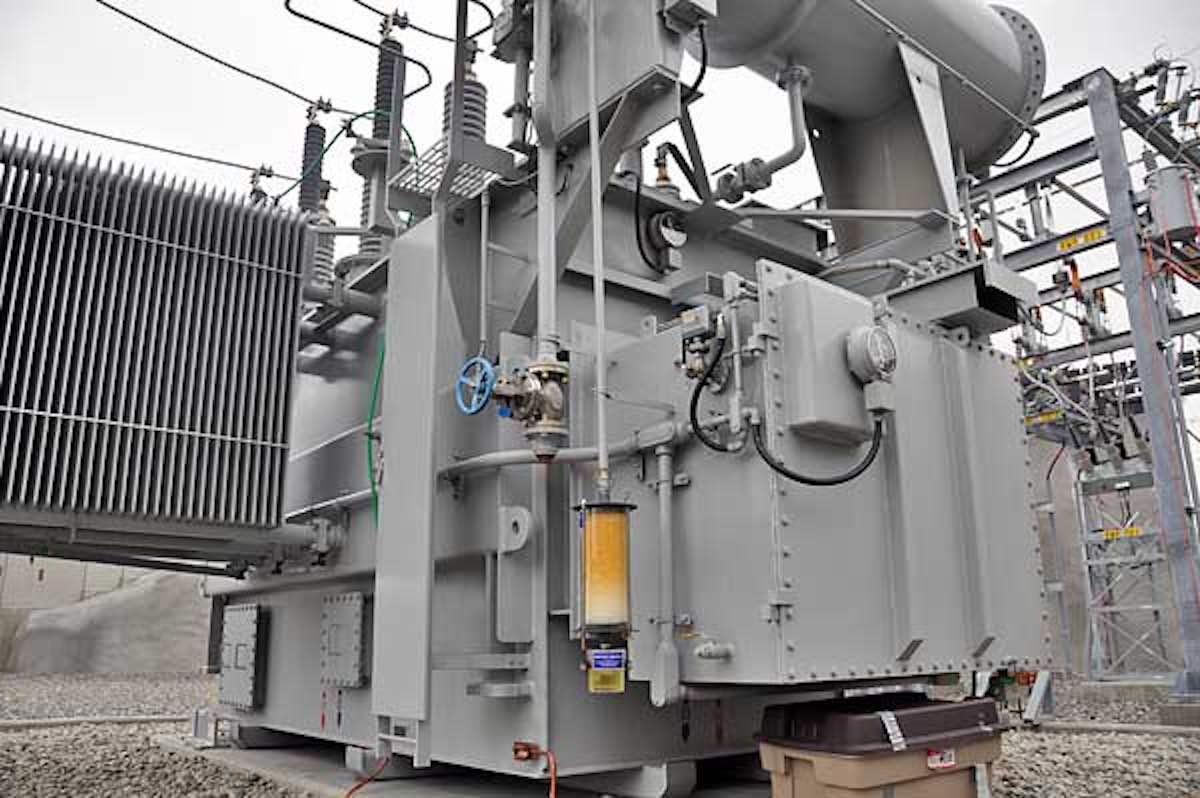
Confirm the reactor can be switched by the ring main unit or breaker. Switching a reactor produces a voltage transient, so the switching device needs the right rating.
Oil-Immersed vs Dry-Type Reactor
| Feature | Oil-immersed | Dry-type |
|---|---|---|
| Cooling | Oil + radiators | Air / resin |
| Fire risk | Higher | Lower |
| Maintenance | Oil sampling | Rare |
| Typical use | Outdoor substations | Indoor panels and compact stations |
Dry-type reactors suit indoor and compact installations with low fire risk. Oil-immersed units handle higher ratings in outdoor substations. Choose by space, environment, and safety policy.
Switching, Protection and Location
Install the shunt reactor close to the load centre or the midpoint of a long feeder. Connect it to the medium voltage switchgear selection through a breaker or a load switch with a fuse. Fit overcurrent and earth-fault protection to clear internal faults.

Surge protection at the reactor terminal is essential. A surge arrester clamps switching overvoltages that appear when the reactor is interrupted. Keep the connection leads short to reduce residual voltage.
Plan the cable and busbar connections with enough clearance for the reactor terminal height. Use flexible links where vibration is expected. Label the phase polarity clearly to avoid reversal during installation.
Testing and Maintenance
Test a new shunt reactor for insulation resistance, winding resistance, and inductance. Verify the reactive power at rated voltage and check the temperature rise at full load. In service, inspect for oil leaks, contamination, and hot spots with a thermal camera.
Record the reactance, loss, and serial number for each unit. Schedule oil tests for immersed units and insulation checks for dry units. Confirm the protection settings match the reactor data before commissioning.
Keep the commissioning record with the type-test certificate and the factory routine test sheet. If the reactor vibrates or the temperature rises during operation, investigate before the fault grows. A small change in winding resistance often signals a developing fault in the coil.
FAQ About Shunt Reactor
Q1. What does a shunt reactor do?
It absorbs reactive power to control voltage and balance capacitive charging in cables and lines.
Q2. Shunt reactor or series reactor?
A shunt reactor is connected across the line to absorb reactive power, while a series reactor limits fault current in a circuit.
Q3. How do I choose the rating?
Match the rated voltage to the system, the reactive power to the compensation target, and the insulation to the BIL.
Q4. Oil-immersed or dry-type?
Use dry-type for indoor and compact stations; use oil-immersed for high ratings in outdoor substations.
Q5. Why is switching protection needed?
Interrupting a reactor produces a voltage transient that can stress insulation, so add surge protection.
Q6. How long does a shunt reactor last?
With proper maintenance, a shunt reactor lasts 25 to 30 years or more.
About Electric-GS
Electric-GS is a Chinese OEM and ODM manufacturer based in Yueqing, Zhejiang. We build shunt reactors, transformers, medium voltage switchgear, and ring main units with type-test reports. For pricing and drawings, email info@electric-gs.com or reach us on WhatsApp at +86 135 8897 8050. See our main site at electricgs.com and our domestic catalog at electric-cn.com.
Recent Comments