What Is Arc Flash
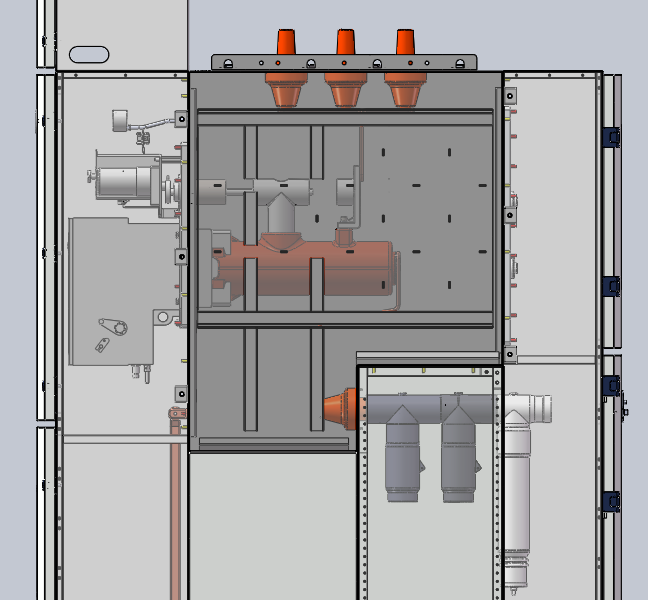
An arc flash is a sudden release of energy caused by an electric arc between two conductors, or between a conductor and earth. Inside medium voltage switchgear the arc can reach temperatures above 19,000 degrees Celsius. It produces a pressure wave, molten metal, toxic gas and intense light. The whole event often lasts less than a second, yet the incident energy can cause severe burns, hearing damage and fatal injury.
Arc flash protection is the combined set of design measures, protection settings, hardware and work practices that reduce this risk. It covers the switchgear itself, the protection relays, the way panels are operated and the clothing worn by the people who work on them.
How Arc Flash Happens in MV Switchgear
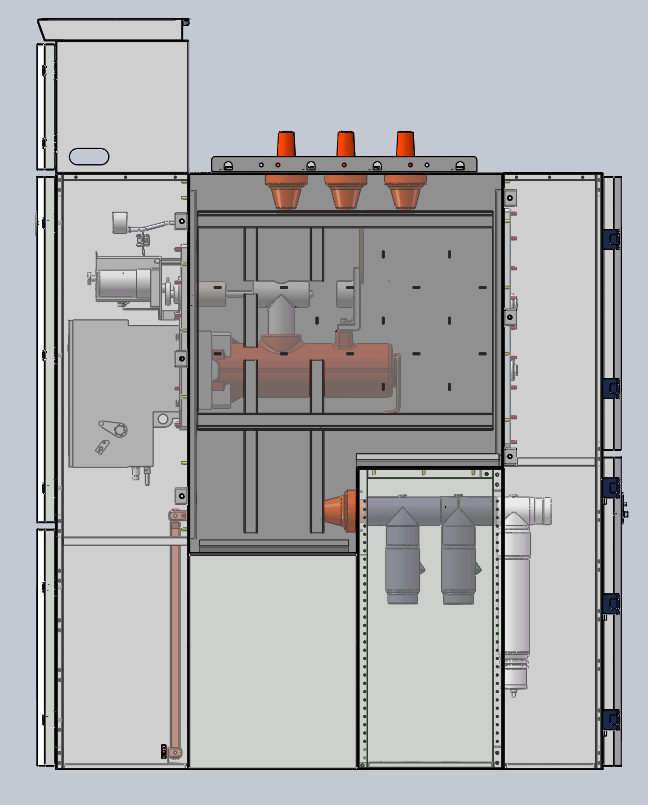
Most incidents start as a small fault that grows very fast. The arc ionises the air and creates a low resistance path. Current rises within a few milliseconds and the energy released depends on three things: system voltage, available fault current and how long the arc lasts.
Common causes in switchgear rooms include:
- Loose, worn or misaligned contacts and busbar joints.
- Tools, test leads or foreign objects left inside a panel.
- Insulation breakdown caused by moisture, dust or partial discharge.
- Racking or switching a breaker under load with the door open.
- Damage at cable entries, or rodents entering through glands.
- Corrosion and tracking on insulating surfaces.
Because the fault current is limited only by the impedance of the loop, the main control variable is clearing time. Cutting the duration is the fastest way to reduce incident energy.
Key Arc Flash Terms You Need
Engineers normally work with the terms defined in IEEE 1584 and NFPA 70E. Understanding them is the base of any arc flash protection study.
| Term | Meaning | Typical Use |
|---|---|---|
| Incident energy | Energy reaching a surface, in cal/cm2 | Sets the PPE level |
| Arc flash boundary | Distance where incident energy equals 1.2 cal/cm2 | Marks the safe approach limit |
| Working distance | Distance from chest to the arc source | Basis of the energy calculation |
| Bolted fault current | Maximum three phase fault current | Input for the study |
| Clearing time | Time from fault to arc extinction | Key variable for energy |
| PPE category | Required clothing and face protection | Field work instruction |
Each switchgear line-up should carry an arc flash label. The label shows the incident energy, the boundary and the required PPE. Without a study, teams routinely over-protect or, worse, under-protect. A proper study models the actual fault current and the actual clearing time of each protective device. See our medium voltage switchgear components guide for the hardware involved.
Protection Methods That Work
Design measures
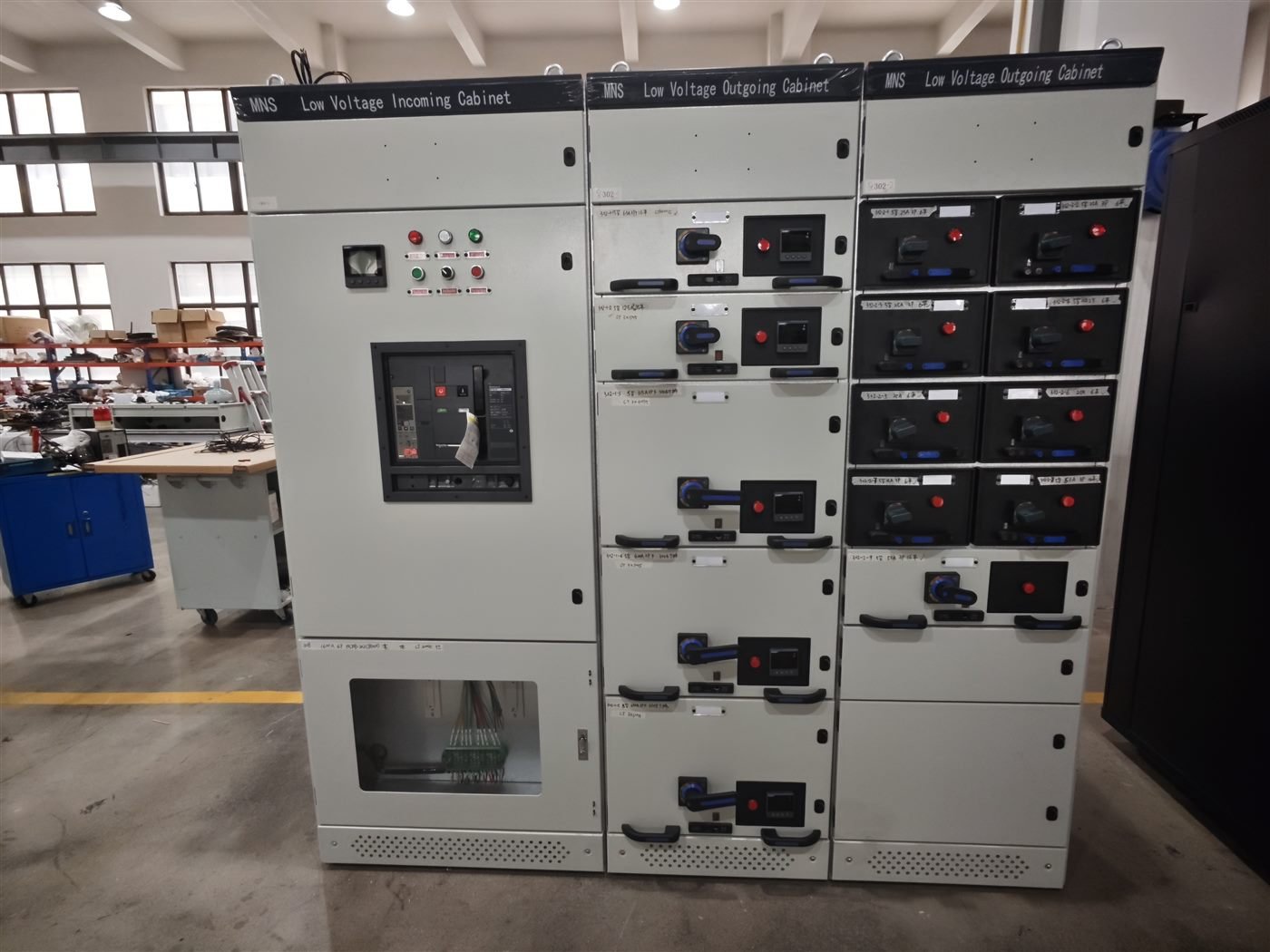
Arc resistant switchgear contains the arc and vents it away from the operator. Key features include pressure relief flaps, reinforced doors, internal barriers and dedicated exhaust ducts. Remote racking and remote switching let people stand outside the arc boundary during the highest risk steps. When specifying new panels, ask for arc resistant construction and a defined accessibility type.
Active protection
Arc detection relays use optical sensors plus current supervision. They detect the light of an arc within a few milliseconds and trip the upstream breaker far faster than a standard overcurrent relay. Because incident energy is proportional to clearing time, this can cut the energy by an order of magnitude. The relay must see both light and current to avoid nuisance trips.
Operating practice
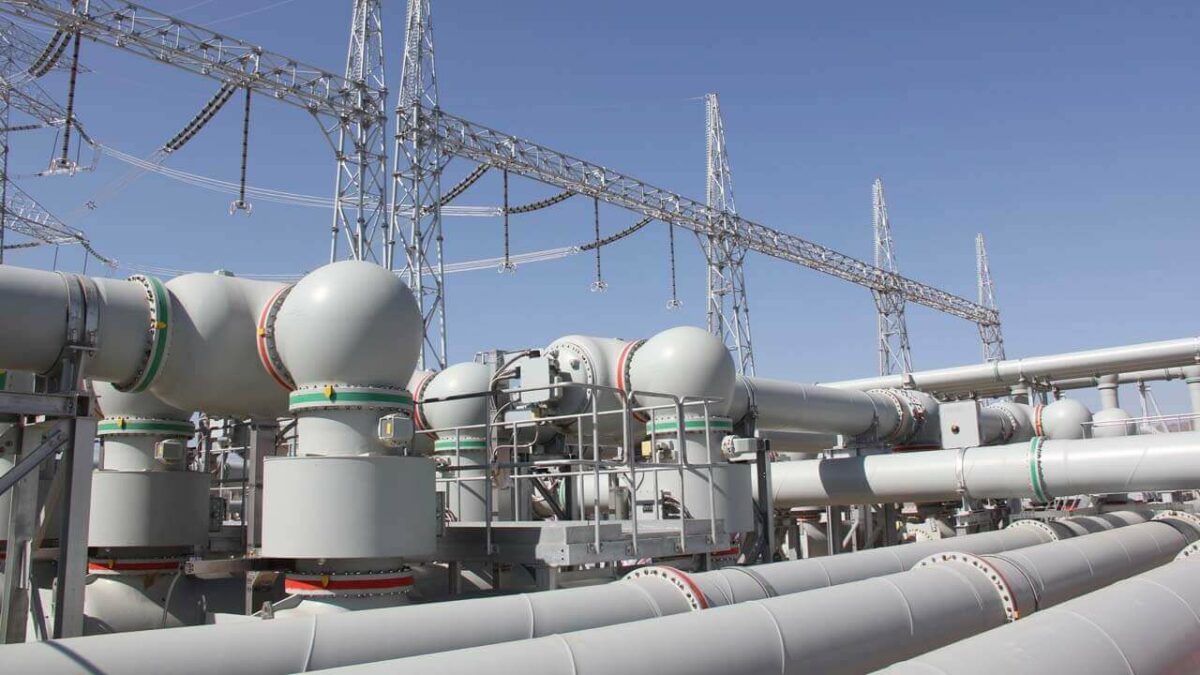
Procedures matter as much as hardware. Use remote operation, keep panels closed, follow lockout and tagout, and never rack a breaker with the door open. These habits remove the person from the danger zone and are the cheapest form of arc flash protection.
8 Safety Tips for Arc Flash Protection
Tip 1: Run an arc flash study. Base every label on real fault current and real clearing time, then update it after any major change.
Tip 2: Cut the clearing time. Correct overcurrent settings and add instantaneous elements where coordination allows. This is the single most effective lever.
Tip 3: Install arc detection relays. Optical sensors with current supervision trip in milliseconds and dramatically lower incident energy.
Tip 4: Specify arc resistant switchgear. Pressure relief, internal barriers and vented designs keep the blast away from the operator.
Tip 5: Use remote racking and switching. Keep people outside the arc flash boundary for the riskiest operations.
Tip 6: Match PPE to the label. Arc rated clothing, face shield and gloves should reflect the calculated energy, not a guess.
Tip 7: Keep boundaries clear. Mark the arc flash boundary on the floor and keep tools, pallets and people outside it.
Tip 8: Train and drill every year. Safe switching, LOTO and emergency response must be practised, not only written.
Relay settings and protection schemes are covered further in our medium voltage protection relay guide. For acceptance testing of new panels, see our switchgear testing guide.
Maintenance and Testing for Arc Flash Safety
Good maintenance removes the small faults that later become arcs. A practical routine includes:
- Thermal imaging of busbars, joints and cable lugs under load.
- Partial discharge testing on insulation and cable terminations.
- Torque checks on busbar and cable connections.
- Cleaning and inspection of insulators, shutters and barriers.
- Relay testing and verification of trip circuits and sensors.
- Checking door seals, gaskets and pressure relief flaps.
Our MV switchgear maintenance plan lists a full ten step inspection routine that supports arc flash safety over the life of the panel.
Frequently Asked Questions
What is an arc flash?
An arc flash is a rapid release of electrical energy caused by an arc between conductors or between a conductor and earth, producing extreme heat, light, pressure and molten metal.
How long does an arc flash last?
Usually less than one second. The exact duration equals the clearing time of the protective device, which is why fast tripping reduces the energy so much.
What is incident energy?
Incident energy is the amount of thermal energy reaching a surface at a given working distance, measured in cal/cm2. It decides the required PPE level.
What PPE is needed for MV switchgear work?
PPE is selected from the arc flash label. It usually includes arc rated clothing, face protection and gloves matched to the calculated incident energy.
Can arc flash relays reduce incident energy?
Yes. Because they trip in milliseconds instead of cycles, they can lower incident energy by a large factor compared with standard overcurrent protection.
Is arc resistant switchgear worth the cost?
For panels that are operated frequently or located near staff, arc resistant construction is usually worth it, especially when combined with remote operation and arc detection relays.
About Electric-GS
Electric-GS is an OEM and ODM manufacturer in Yueqing, China, building medium voltage switchgear, ring main units, SF6 GIS, vacuum circuit breakers and compact substations with arc aware design options and full factory testing. We support projects worldwide with custom panels, type tests and after-sales service. Contact us at info@electric-gs.com or WhatsApp +86 135 8897 8050. For the full range, see the Electric-GS global site or our China site, and read the 33kV MV switchgear buying guide before you specify.