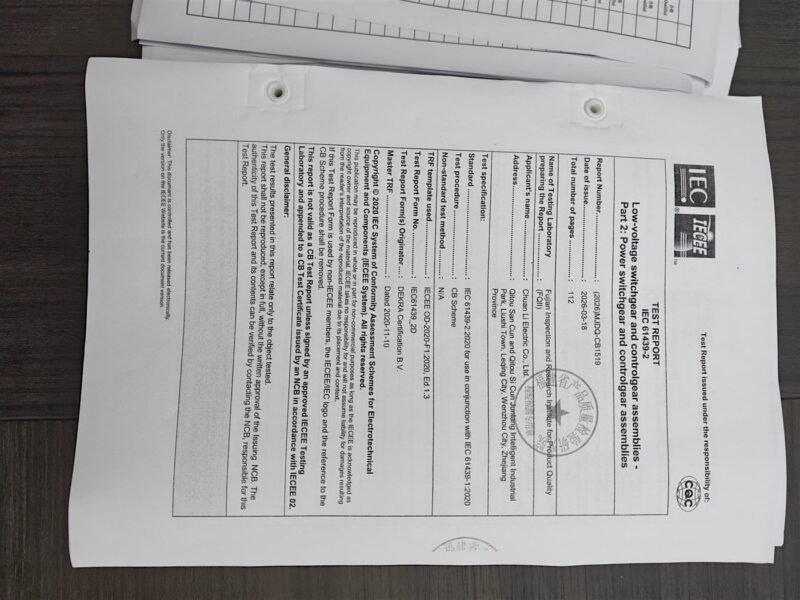
A temperature rise test is the one type test that tells you how hot your switchgear will run at full load for twenty years. It is not a pass or fail stamp on a brochure. It is a recorded measurement of where heat builds up, how much margin is left, and whether the design will hold when the ambient temperature on site is 45 °C and the panel is packed into a metal-clad room with no airflow.
Most buyers read the certificate number and stop there. This guide shows what the report measures and which seven numbers decide acceptance.
What the temperature rise test actually proves
The test pushes rated current through the complete assembly, at rated voltage and rated frequency, until temperatures stop climbing. Every joint, terminal, busbar and current path carries its design current, so every resistance hotspot shows up as heat. The result is a set of measured temperature rises above ambient, compared against the limits in IEC 62271-1.
Three things it proves, and one it does not:
- Current carrying design is adequate. Busbar cross sections, joint pressure and contact plating survive continuous rated current.
- Material choices are correct. Insulating parts, cable glands and gaskets do not soften, discolour or lose mechanical strength at operating temperature.
- Heat removal works. Natural ventilation, forced fan cooling or the sealed gas volume removes heat fast enough to reach stability.
- It does not prove short-circuit strength. That is the short-time withstand test, a separate duty on a separate report.
Test setup: current, thermocouples and ambient
Ask for the setup page before you read any result. A number without its test conditions is marketing, not engineering. The setup page states the number of phases energised, the current applied, the ambient band held, the thermocouple locations and the stabilisation criterion.
How the stabilised reading is defined
IEC 62271-1 treats the test as finished when the temperature rise changes by less than 1 K per hour across three consecutive readings. A supplier who stops the run after two hours and calls it stable has not completed the test. Long runs are normal: large LV assemblies and sealed gas tanks often need six to eight hours to flatten out.
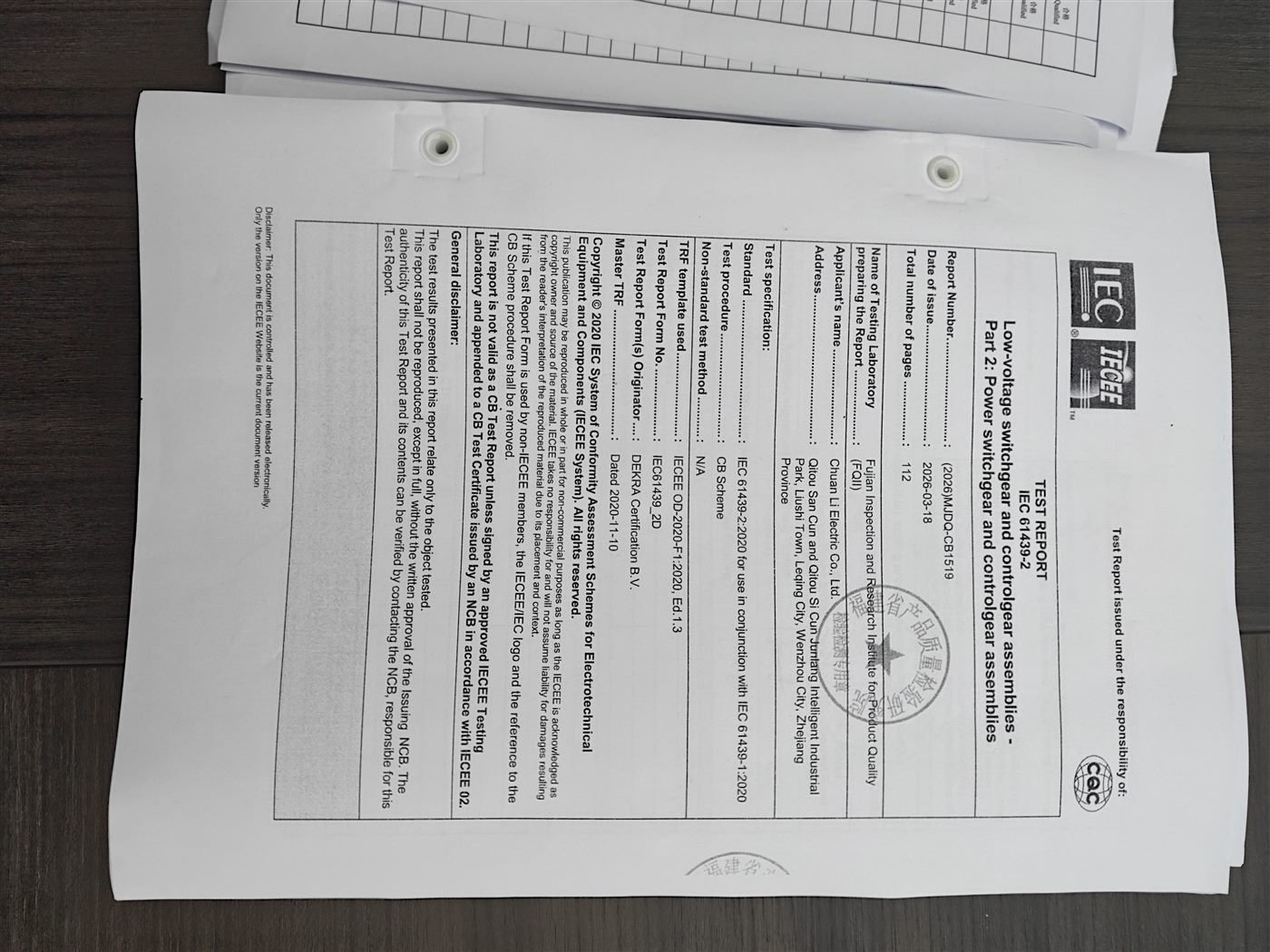
The test record page carries the applied current, ambient band and every thermocouple channel. Ask for this page, not only the front cover.
Seven numbers to check on the report
These are the values a buyer can verify without a laboratory. If any one of them is missing, the report is incomplete.
| # | Value | What good looks like | Why it matters |
|---|---|---|---|
| 1 | Applied current per phase | Equal to rated current, all phases, recorded | Under-current testing hides the hotspot you are buying |
| 2 | Ambient temperature band | Held within the declared range, typically 10–40 °C | Rise is measured above ambient, not above zero |
| 3 | Busbar joint rise | Below the IEC limit for the busbar material and coating | The joint, not the bar, is the weak point |
| 4 | Terminal rise at cable connections | Below limit with the cable size you will actually use | Small terminals with large cables overheat first |
| 5 | Highest rise location | Named, with channel number and photo | Shows the designer knows where the margin is thin |
| 6 | Stabilisation time | Long enough to meet the 1 K per hour rule | Short runs produce optimistic numbers |
| 7 | Margin to limit | Visible headroom left at the hottest point | Zero margin means no tolerance for site conditions |
Where switchgear really gets hot
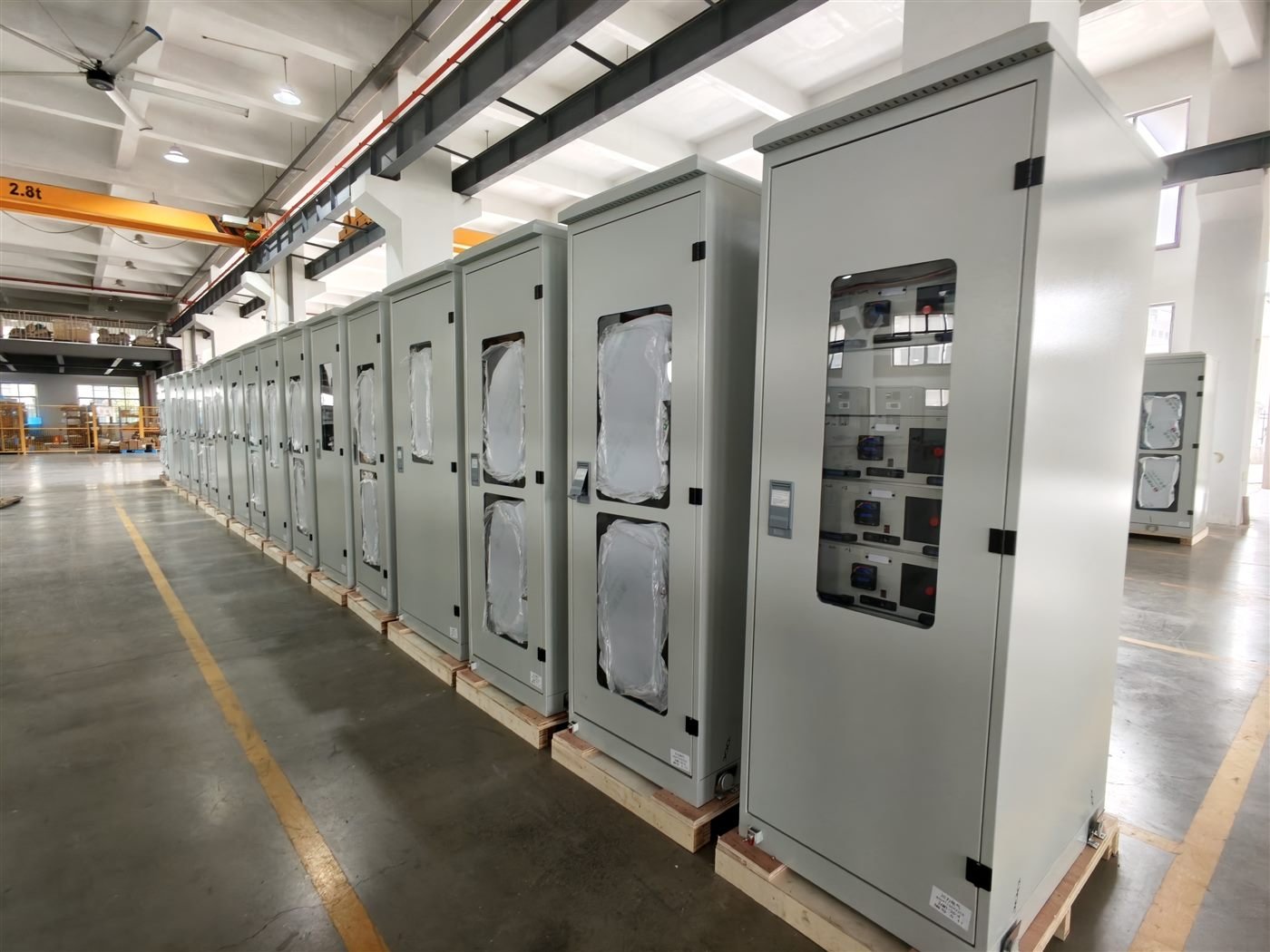
In practice, failures cluster in four places, and all four appear on a good report.
- Busbar joints and fishplates. Bolt torque and surface flatness decide joint resistance, and a clean drawing can still be 30 % high after assembly.
- Cable terminals and glands. The terminal accepts the lug, not the cable, so a mismatched lug thickness runs hot at full load.
- Breaker and contactor compartments. Enclosed compartments trap heat, and a breaker that passes in open air can exceed limits once the door closes.
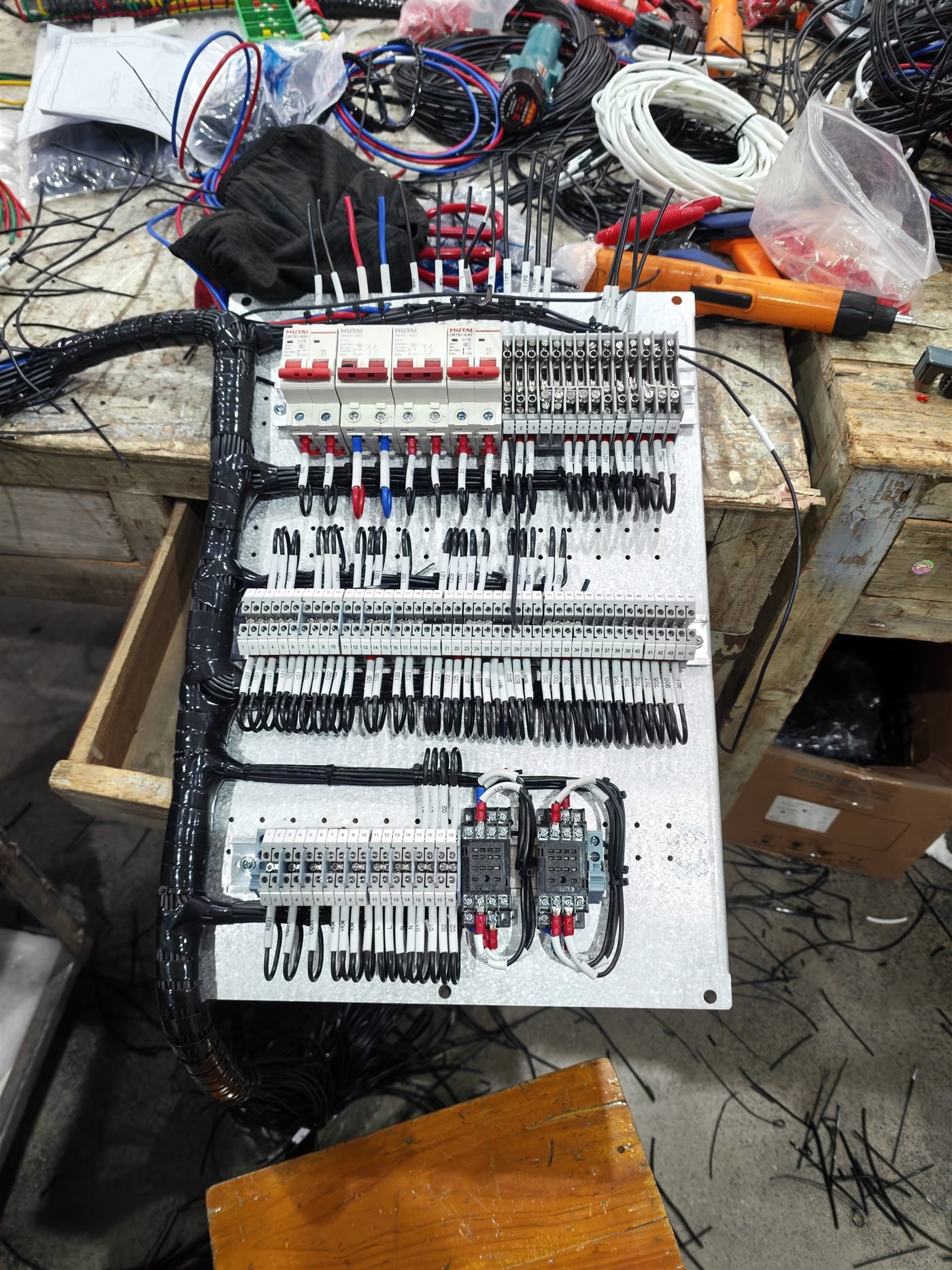
- Secondary wiring and control transformers. Small auxiliary circuits sit close to hot primary paths and age first.
Type test, routine test or site heat run?
Buyers often confuse three different activities. A type test proves the design once, on a prototype, witnessed by an independent laboratory. A routine test proves each unit, and for temperature rise it is usually replaced by a resistance measurement of every main circuit. A site heat run is not a standard test at all: it is an infrared survey under load, and it belongs to commissioning.
Practical requests that cost the supplier little and protect you a lot:
- Ask for the type test report with the setup page and thermocouple map, not just the certificate front sheet.
- Ask whether the tested configuration matches your order: busbar size, breaker rating, enclosure and ventilation.
- Ask for the measured margin at the hottest point. A report that passes by 1 K describes a different product from one that passes by 15 K.
- Ask for the routine resistance values of your own units and compare them with the type test baseline.
For the wider test programme around this document, see our guide to medium voltage switchgear testing, and for the ratings that the report must match, read the seven nameplate ratings every buyer should verify. Clearances that affect heat paths are covered in clearance and creepage checks, and the field version of the same question is in infrared thermography for hot spots. Panel families and current ratings are listed on our product pages.
Engineering background on the same assemblies is published by our sister sites: electricgs.com covers gas insulated designs in depth, and electric-cn.com covers Chinese standard(R) panel practice.
FAQ
How long does a temperature rise test take?
Usually four to eight hours of steady running, plus setup and cool-down. Sealed gas assemblies take longest, because thermal mass is high.
Is a temperature rise test the same as a heat run?
Yes, the terms are interchangeable in most factories. Both mean rated current applied until temperatures stabilise, with rises measured against ambient.
What is the usual limit for busbar temperature rise?
The limit depends on material, coating and contact arrangement, and is defined in IEC 62271-1 rather than by one universal number. The report must state the limit used and the measured value against it.
Can a passing type test fail on site?
Yes. Ambient above the tested band, blocked ventilation, undersized lugs or a different busbar configuration all change the result.
Do I need a temperature rise test for every order?
No. The design is covered by the type test. Ask for routine contact resistance measurements per order and compare them with the baseline.
What if the report has no setup page?
Treat the result as unverified and request the complete document. Without applied current, ambient and thermocouple locations, nobody can check it.
About Electric-GS
Electric-GS is an OEM/ODM switchgear factory based in Yueqing, China. We build RMU, GIS, vacuum circuit breakers, load break switches, LV and MV assemblies, transformer and solar combiner products, and we supply the test records behind every design, including temperature rise, short-time withstand and routine resistance data. For datasheets, test reports or a quotation, write to info@electric-gs.com or message WhatsApp +86 135 8897 8050.
Recent Comments