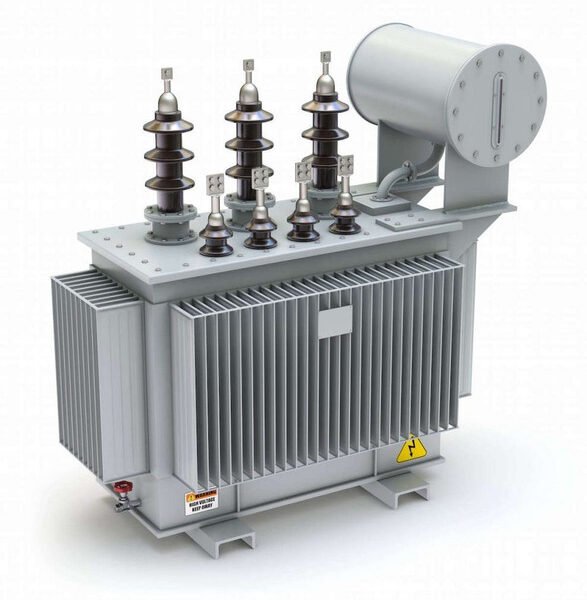
Most transformer buyers compare purchase prices and stop there. That is the most expensive mistake in distribution engineering. A 630kVA distribution transformer costs roughly USD 8,000-12,000, but its electrical losses cost three to ten times that amount over a 30-year service life. This guide explains the efficiency class systems you will meet in tenders – IE2/IE3/IE4, EU Eco-design 548/2014 and China GB 20052-2020 – and gives you a calculation you can run in five minutes to justify paying more for a more efficient unit.
TL;DR: The Short Answer for Buyers
- Efficiency class is defined by maximum no-load loss (Po) and maximum load loss (Pk), not by the nameplate percentage alone.
- EU Regulation 548/2014 Tier 2 has been mandatory for new transformers since 14 July 2021; it sets absolute loss caps, roughly equivalent to IE3 for oil-immersed distribution transformers.
- China GB 20052-2020 (effective 2021) defines three grades; Grade 1 with amorphous cores is the lowest-loss option widely available today.
- A 30-year loss cost model almost always proves that the higher-priced efficient transformer is cheaper in total: losses often cost more than the transformer itself.
Why Losses Matter More Than the Price Tag
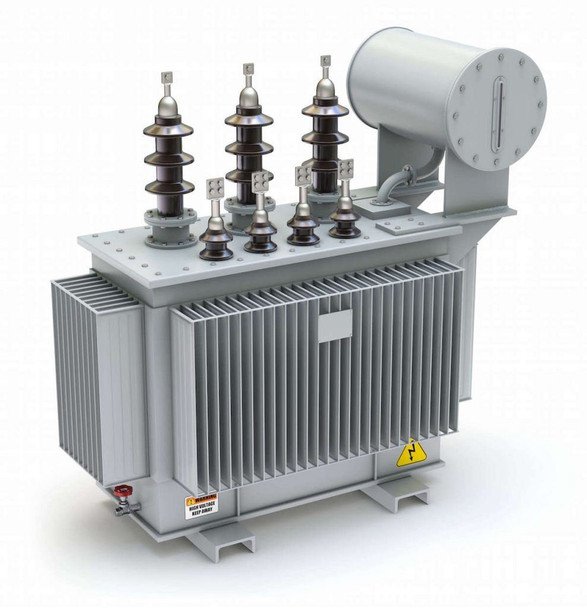
Every transformer loses energy whenever it is energised. No-load loss (Po) comes from the core magnetisation and runs 24/7 for the entire life of the unit. Load loss (Pk) comes from the winding resistance and grows with the square of the current. For a typical 630kVA oil-immersed transformer with Po = 810W and Pk = 7,500W at 60% average loading, the yearly energy lost is:
(Po + 0.36 x Pk) x 8760 h = (0.81 kW + 2.70 kW) x 8760 h = 30,750 kWh per year.
At an industrial tariff of USD 0.12/kWh that is about USD 3,690 every year. Over 30 years the same transformer burns approximately USD 110,000 of electricity – roughly twelve times its purchase price. This is why utilities and EPC contractors specify loss caps instead of “best price”: they are buying 30 years of running cost, not one invoice.
The Three Efficiency Systems You Will See in Tenders
EU Eco-design Regulation 548/2014 (Tier 2 since 2021)
The EU regulation sets absolute maximum Po and Pk for each rated power. For a 630kVA oil-immersed transformer, Tier 2 permits roughly Po = 900W and Pk = 7,800W (exact values depend on the transformer type and annex; always check the current consolidated text). Any new transformer sold or commissioned in the EU must meet these caps. The same limits now appear in tenders in the Gulf, Africa and Southeast Asia because many EPC contractors standardise on EU-compliant equipment.
China GB 20052-2020
China replaced its old GB 20052-2013 with GB 20052-2020 (effective 1 June 2021), which defines three efficiency grades for oil-immersed and dry-type transformers. Grade 3 is the minimum legal level, Grade 2 is the recommended premium level for new installations, and Grade 1 is achieved mainly with amorphous metal cores (the Chinese “S20” series). For a 10kV 630kVA oil-immersed unit, typical values are roughly: Grade 3 Po 810W / Pk 7,500W, Grade 2 Po 720W / Pk 7,000W, Grade 1 (amorphous) Po 280-350W with the same Pk. These are indicative figures – the standard table is authoritative.
IE Classes (IEC 60076-20)
IEC 60076-20 defines IE1 to IE4 efficiency classes for distribution transformers. IE4 is the strictest and is normally only reachable with amorphous cores. Many international tenders now state “minimum IE3” or “IE4 preferred”, which maps directly onto the Chinese Grade 2 / Grade 1 units.
| 630kVA 10kV oil-immersed | No-load loss Po | Load loss Pk | Core type | Approx. price premium |
|---|---|---|---|---|
| Old S9 / IE1 | ~1,160W | ~8,100W | CRGO silicon steel | baseline |
| S11 / IE2 / GB Grade 3 | ~810W | ~7,500W | CRGO silicon steel | +5-10% |
| S13 / IE3 / GB Grade 2 | ~720W | ~7,000W | High-permeability steel | +15-25% |
| S20 amorphous / IE4 / GB Grade 1 | ~300W | ~7,000W | Amorphous metal | +25-40% |
Note how the biggest saving sits in no-load loss: the core runs constantly, so cutting Po from 810W to 300W removes 510W of continuous waste – about 4,470 kWh per year, or USD 536 per year at USD 0.12/kWh.
The Five-Minute Payback Calculation
Compare an S11 unit (Po 810W, USD 8,500) with an S20 amorphous unit (Po 300W, USD 11,000) at 60% loading:
- Yearly loss saving: (0.81 – 0.30) kW x 8760 h = 4,468 kWh
- Yearly money saving at USD 0.12/kWh: USD 536
- Price premium: USD 2,500
- Simple payback: 4.7 years
- Net saving over 30 years: USD 16,100 – USD 2,500 = USD 13,600
Even if the tariff is only USD 0.08/kWh, payback is still about 7 years – well inside the transformer’s 25-30 year life. If your load factor is higher, the premium pays back even faster. Load growth matters too: a transformer that is lightly loaded today can become heavily loaded in ten years, so buying the efficient core now is cheap insurance.
Practical Selection Framework
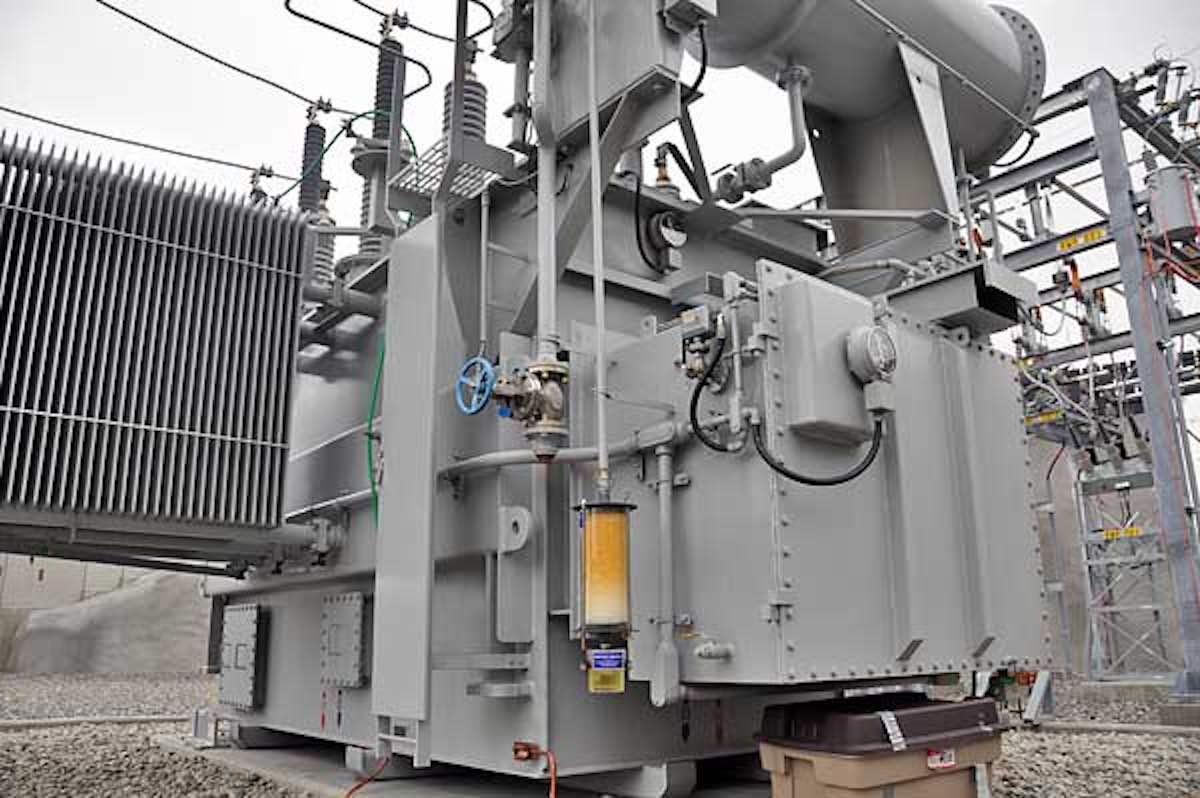
- Is the tender EU-funded or EU-spec? – Must meet 548/2014 Tier 2 (roughly IE3).
- Is the load factor above 40% and expected to grow? – Buy IE4 / Grade 1 amorphous; payback is typically under 6 years.
- Is the site in a hot climate with high cooling cost? – Lower losses also reduce ventilation and AC load in the transformer room.
- Do you have space and weight limits? – Amorphous cores are heavier; check floor loading.
- Do you need low noise? – Amorphous cores are quieter than grain-oriented steel.
- Do you need on-load tap changing or special impedance? – Confirm the efficiency class is available with those options; some combinations force a larger core.
For protection engineering around the same asset, see our transformer differential protection guide, and for cooling types that affect achievable loading, our transformer cooling methods guide.
FAQ About Transformer Efficiency Classes
What is the difference between IE3 and IE4 transformers?
IE4 permits lower no-load loss, normally achieved with amorphous metal cores. The load loss limits are similar to IE3. IE4 units cost more up front but save money whenever they are energised.
Is a higher efficiency class always worth the extra cost?
Not always. If the transformer runs only a few hundred hours per year (rare emergency supply), the premium may never pay back. Run the calculation above with your real load factor and tariff.
Does GB 20052-2020 Grade 1 equal IE4?
Practically yes for no-load loss levels; the two standards use different test and tolerance rules, so compare the actual Po and Pk numbers in the test report rather than the class name.
Can I retrofit an old transformer to a higher class?
You can replace the core and rewind, but the cost is usually 70-90% of a new transformer. Replacement with an amorphous unit is almost always the better decision.
How do I verify the declared losses?
Ask for the type test report from an accredited laboratory and the routine test certificate of the delivered unit. No-load and load loss are measured on every unit in routine testing at our factory.
Does Electric-GS supply high-efficiency transformers?
Yes. Electric-GS manufactures S11, S13 and amorphous S20 series oil-immersed distribution transformers from 30kVA to 2500kVA, 11kV/33kV, with EU 548/2014 compliant test reports available. Email info@electric-gs.com or WhatsApp +86 135 8897 8050 for a loss comparison quotation.
For the protection and switchgear that connect this transformer to the network, see our RMU vs switchgear guide, and for outdoor mounting see our compact substation guide. Our partner sites electricgs.com and electric-cn.com list the full transformer range.
One thought