Electric-GS is an experienced manufacturer of medium voltage and low voltage electrical equipment in Yueqing, Zhejiang, China. This guide is part of our engineering knowledge series to help buyers, engineers and contractors make correct decisions for power distribution projects.
Why Transformers Need Tap Changers
Power systems are never perfectly stable. Loads change, generation fluctuates and voltage at the substation bus can drift outside acceptable limits. A transformer tap changer adjusts the turns ratio of the winding, which changes the output voltage and keeps it within range.
DETC vs OLTC: What Is the Difference?
DETC (De-Energized Tap Changer) can only be adjusted when the transformer is completely de-energized. It is simple and cheap, used where voltage variations are rare.
OLTC (On-Load Tap Changer) changes taps while the transformer is carrying load, without interrupting supply. It is used where voltage must stay tight, such as in industrial plants and distribution networks.
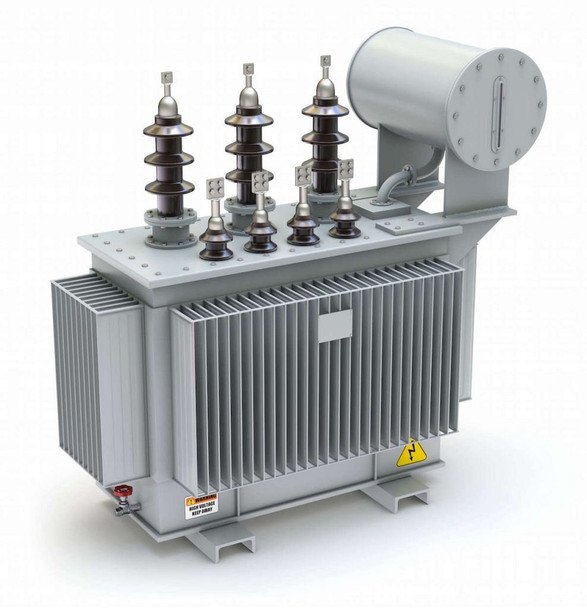
Transformer cooling also affects performance. See our guide on ONAN, ONAF and OFAF cooling methods for the complete picture.
How an OLTC Works Step by Step
- Control system measures secondary voltage
- If voltage drifts outside the dead band, a motor drive starts
- The selector switch picks the new tap position without interrupting current
- Transition resistors or reactors limit circulating current during switching
- New tap is engaged and voltage returns to the target range
Main Types of OLTC
| Type | Medium | Typical Use |
|---|---|---|
| Reactor type | Air or oil reactor | High-voltage power transformers |
| Resistor type | Transition resistors | Medium and low voltage transformers |
| Vacuum type | Vacuum interrupters | Modern transformers, long life |

Common OLTC Faults and Warning Signs
- Unusual buzzing or arcing noise inside the tap changer
- Oil temperature rise around the tap changer compartment
- Erratic voltage regulation or frequent tap changes
- High dissolved gas values (especially hydrogen and acetylene) in DGA tests
- Mechanical wear of contacts after many operations
7 Practical Maintenance Tips
- Record tap position and operations counter monthly
- Perform DGA on the tap changer oil compartment annually
- Check motor drive, limit switches and remote position indication
- Verify the control dead band settings match system requirements
- Lubricate mechanical parts per manufacturer schedule
- Test the OLTC offline during transformer outage
- Keep spare contacts and transition resistors in stock
FAQ About Transformer Tap Changers
How often should an OLTC be serviced?
Light service every 1-2 years and major overhaul every 100,000 operations or 8-10 years, whichever comes first.
What causes OLTC failure?
Contact wear, oil deterioration, control circuit faults and moisture ingress are the most common causes.
Can a DETC be converted to OLTC?
Generally no. The winding design differs. Replace the transformer or install an external voltage regulator instead.
What is the typical tap range of a distribution transformer?
Common ranges are +/-5% or +/-2×2.5%, giving 5 or 9 taps in total.
Does OLTC affect transformer efficiency?
Only marginally. Losses during tap changes are tiny compared to normal operation.
Can Electric-GS supply transformers with OLTC?
Yes, we manufacture distribution and power transformers with both DETC and OLTC options up to 33kV class.
About Electric-GS
Electric-GS is a professional OEM/ODM factory in Yueqing, Zhejiang, China, specializing in ring main units, gas insulated switchgear, vacuum circuit breakers, transformers, LV/MV switchgear and solar power distribution equipment. All products are manufactured with strict quality control and IEC standard testing. For quotations, drawings or customization, contact us at info@electric-gs.com or WhatsApp +86 135 8897 8050.