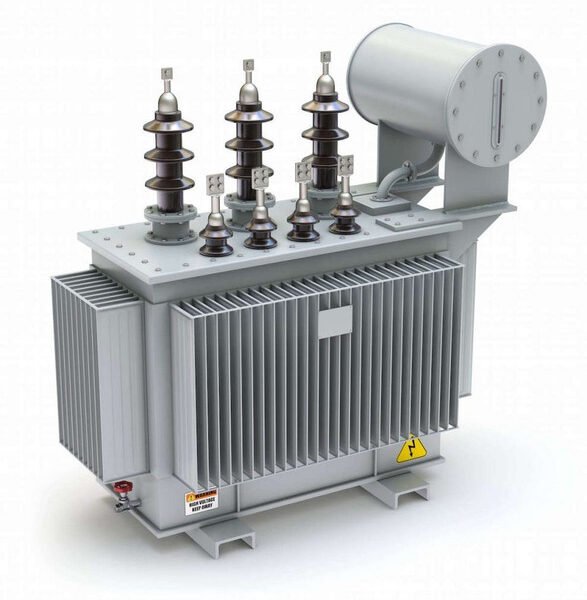
A power transformer converts voltage between two circuits. Understanding transformer components helps you choose the right unit, plan maintenance, and read a datasheet. Every transformer is built from a few key parts: the core, the windings, the tap changer, the bushings, the cooling system and the oil conservator. This guide explains each part and how to select reliable transformer components for your project. It also helps you specify the right unit for a substation, read a nameplate with confidence, and compare quotations from different suppliers.
The table below gives a quick overview of the main parts.
| Component | Function | Failure risk if wrong |
|---|---|---|
| Core | Conducts the magnetic flux | High no-load loss and noise |
| Windings | Carry the HV and LV currents | Insulation breakdown |
| Tap changer | Adjusts the turns ratio | Wrong voltage regulation |
| Bushings | Insulate the lead-throughs | Flashover and leakage |
| Cooling system | Removes heat from the unit | Overheating and load limits |
| Oil and conservator | Insulates and protects the oil | Moisture and gas build-up |
Core and Windings
The core is made of thin laminated steel sheets. It conducts the magnetic flux between the windings with low loss. Good core material reduces the no-load loss and the running cost of the transformer.
The windings carry the current. The high voltage and low voltage windings are wound with insulated copper or aluminium conductors and separated by solid insulation. The winding quality decides the short circuit strength and the service life of the transformer. The insulation system is carefully designed so the transformer can withstand both normal voltage and switching overvoltages. Proper drying and impregnation of the insulation removes moisture that would otherwise shorten the life of the unit.
Tap Changer
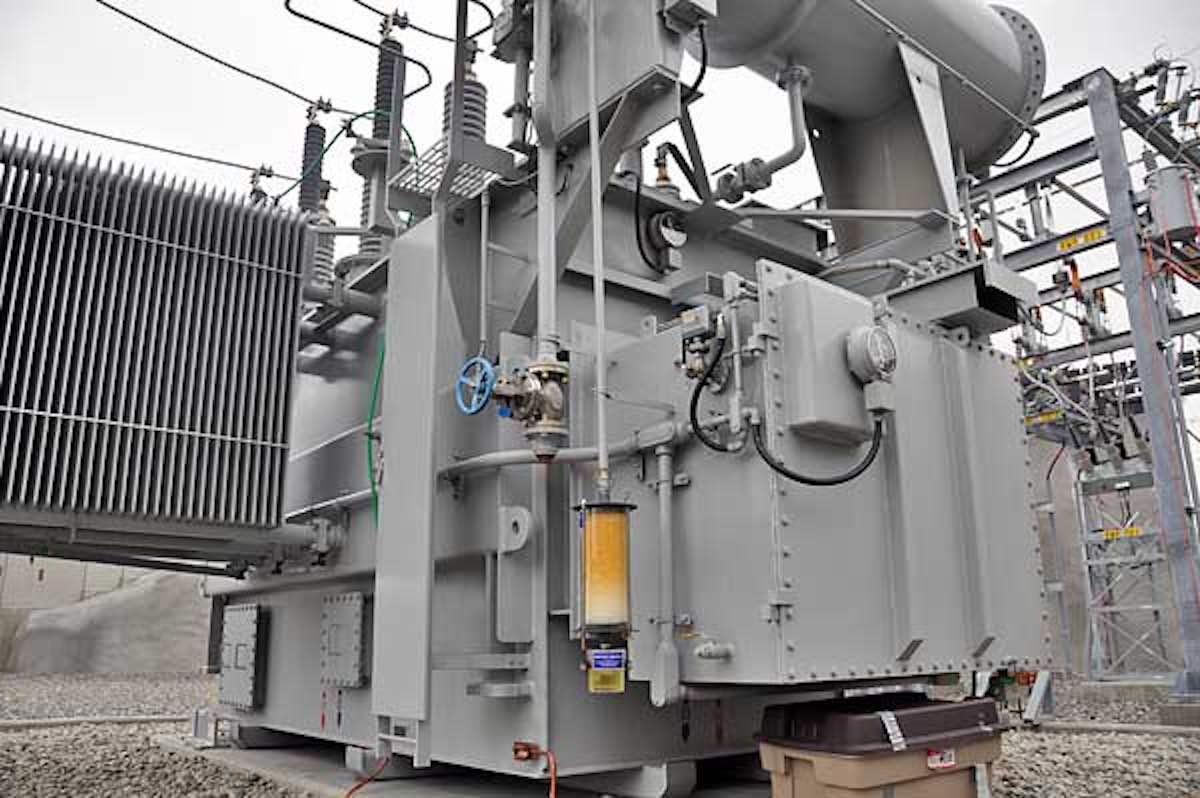
The tap changer adjusts the turns ratio so the output voltage stays within limits. An on-load tap changer changes taps without interrupting the load, while an off-circuit tap changer works only when the transformer is de-energized. The tap position is shown on the mechanism and should be recorded during tests, because it changes the turns ratio and therefore the output voltage.
On-load tap changers need regular maintenance because they operate under load. Read our transformer on-load tap changer guide for the working principle and maintenance tips.

Bushings
Bushings insulate the conductors where they pass through the tank wall and connect to the external lines. They must withstand the system voltage and provide enough creepage distance for the site conditions, such as dust or pollution.
Choose bushings with the correct voltage class, current rating and creepage distance. A leaking or cracked bushing can cause a flashover and damage the transformer. Outdoor transformers also need enough creepage distance to cope with rain, salt and industrial pollution, so the bushing type must match the local environment.
Cooling System
A transformer loses heat during operation. The cooling system removes this heat so the unit can carry its rated load. Common cooling methods are ONAN, ONAF and OFAF, depending on whether oil or fans force the cooling.
The cooling mode is marked on the nameplate. If the cooling fans fail, the transformer must be derated. The cooling system also includes the oil pump and the radiator fins, which must be kept clean and free from blockage for the rated capacity to be reached. See how cooling methods differ in our oil immersed transformer guide.
Oil and Conservator
Mineral oil insulates the windings and transfers heat to the tank. The conservator is a small tank mounted on the main tank that allows the oil to expand and contract with temperature. A breather with silica gel keeps moisture out of the oil.
Oil quality matters. Regular oil tests check moisture, acidity and dissolved gas. High dissolved gas can signal an internal fault before it becomes serious. The oil also keeps moisture away from the windings, so the breather must be maintained and the silica gel replaced when it changes color. This is why transformer differential protection is important for larger units.
How to Choose Reliable Transformer Components
Start with a manufacturer that tests every unit and provides clear records. Confirm the core material, the conductor grade and the insulation class before ordering. Ask for the no-load and load loss values, because they affect the running cost over many years. The price of a transformer depends heavily on these loss values, so compare them carefully between suppliers.
Choose the correct cooling mode, tap changer type and bushing creepage for your site. A slightly larger unit often gives a better margin for load growth. Check the vector group, the impedance and the cooling mode against the project requirement, and confirm that the manufacturer provides a complete test report for every unit. For sizing help, read our distribution transformer guide.
Frequently Asked Questions
What is the most important transformer component?
The core and windings are the heart of the transformer, but the cooling system and the bushings are also critical for safe and reliable operation.
Why is the core made of laminated steel?
Laminating the steel reduces eddy current loss, which keeps the no-load loss and the temperature lower.
What is an on-load tap changer?
It changes the taps while the transformer is under load, so the output voltage can be corrected without interrupting the supply.
How often should transformer oil be tested?
Regular testing, usually yearly or as recommended by the manufacturer, checks moisture, acidity and dissolved gas to catch faults early.
What does the conservator do?
The conservator gives the oil space to expand and contract with temperature, and its breather keeps moisture out of the oil.
What are ONAN and ONAF cooling?
ONAN cools by natural oil and air, while ONAF adds forced air cooling to increase the rated capacity of the transformer.
About Electric-GS
Electric-GS is a professional electrical equipment manufacturer based in Yueqing, China. We offer OEM and ODM services for power and distribution transformers, medium voltage switchgear, ring main units, vacuum circuit breakers and protection equipment, with full testing and global export experience. Contact us at info@electric-gs.com or WhatsApp +86 135 8897 8050 for a fast quotation. Visit electricgs.com or the Chinese portal at electric-cn.com.