Why Choose an Oil Immersed Transformer
An oil immersed transformer uses insulating oil for both cooling and dielectric strength. It is the most common transformer type for distribution and medium power applications. The oil fills the tank around the core and windings, carries heat to the tank wall, and stops electrical breakdown between live parts.
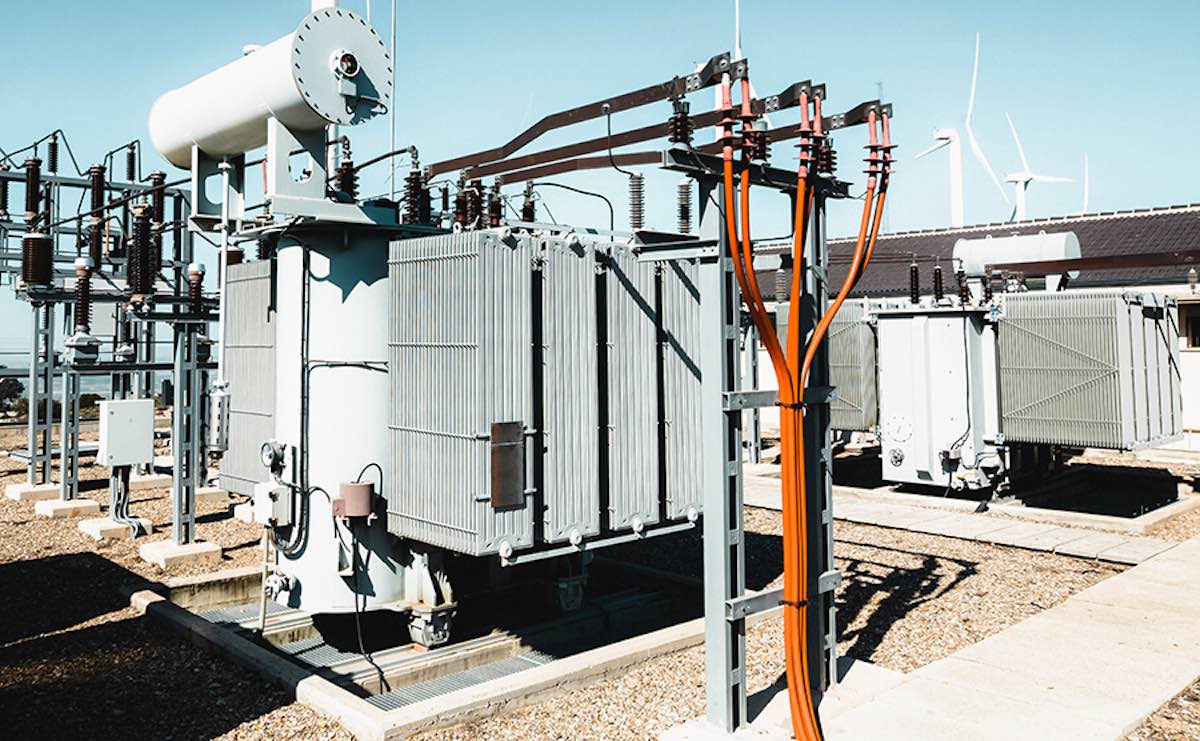
Most grid utilities, industrial plants, and commercial buildings choose oil immersed units for outdoor use. They are reliable, well proven, and cost effective for ratings above about 100 kVA. They also handle overloads better than dry type units of the same size, which makes them the first choice for variable and growing loads.
Oil units can be supplied with tap changers, protective relays, and temperature gauges to meet grid code requirements. Because the design is standard and mature, spares and repair services are widely available around the world.
How Oil Cooling Works
The transformer oil performs two jobs. First, it insulates the winding turns and the core from the tank. Second, it transfers heat. As the core and windings warm up, the oil rises by natural convection and carries heat to the tank surface, where air or fans remove it.
Larger units add radiators, pumps, or fans to improve heat rejection. The cooling mode is written as a short code such as ONAN, ONAF, or OFAF. Understanding this code is essential when you compare oil immersed transformer specifications, because it tells you exactly how much cooling the unit can achieve under load.
In the ONAN mode the unit is fully self cooled. In ONAF mode fans start automatically when the winding temperature rises. In OFAF mode pumps push oil through forced-air coolers. Higher cooling classes let a unit carry more load, but they also add cost and auxiliary power use.
6 Main Types of Oil Immersed Transformer
- Pole mounted — small single or three phase units for rural distribution.
- Pad mounted — enclosed low voltage unit for residential and commercial networks.
- Distribution transformer — 50 to 2500 kVA, steps voltage down for end users.
- Power transformer — above 2.5 MVA, used in substations and large plants.
- Hermetically sealed — sealed tank with no conservator, low maintenance.
- Cast resin alternative — see our dry type transformer guide for indoor, fire-safe duty.
Typical Oil Immersed Transformer Specification Table
| Parameter | Distribution Unit | Power Unit |
|---|---|---|
| Rated power | 50 – 2500 kVA | 2.5 – 40 MVA |
| Primary voltage | 11 / 22 / 33 kV | 33 / 66 / 110 kV |
| Cooling mode | ONAN | ONAN / ONAF |
| No-load loss class | C1 / C2 | A0 / A1 |
| Tap changer | Off-circuit ±2.5% | On-load or off-circuit |
| Typical use | Distribution network | Substation / plant |
Key Components and Selection Criteria
- Core — laminated silicon steel, low hysteresis loss.
- Windings — copper or aluminium, concentric coils.
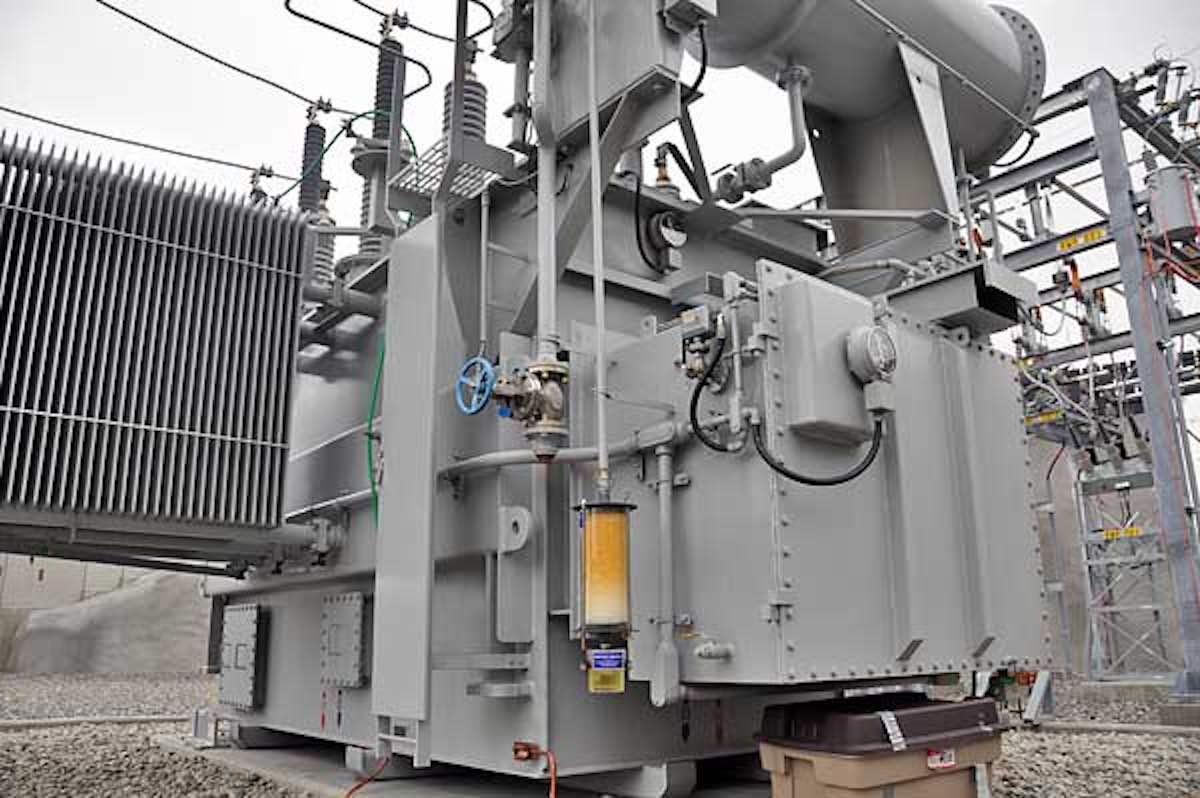
- Oil tank — welded steel, with radiators or cooling tubes.
- Bushings — connect windings to external lines and cables.
- Conservator — holds oil and allows thermal expansion.
- Breather — removes moisture from incoming air.
- Protective devices — pressure relief, oil level gauge, and winding temperature indicator.
Choose the rating from the connected load and expected future growth. Then match the primary and secondary voltage to the network. Select the impedance that limits fault current but keeps voltage regulation acceptable. Finally, pick a cooling mode that suits the ambient temperature and overload profile.
For harsh climates or remote sites, a hermetically sealed unit reduces maintenance. For indoor or fire-sensitive areas, consider a dry type transformer instead. Always ask for the factory test certificate and the loss values when you compare quotations.
Maintenance Best Practices
- Check oil level and colour every month.
- Test dissolved gas every 6–12 months to spot faults early.
- Verify the breather silica gel is active and dry.
- Inspect bushings for cracks and leakage.
- Test insulation resistance and oil breakdown voltage annually.
- Keep the tank surface clean so cooling works properly.
Regular dissolved gas analysis catches developing faults such as partial discharge and overheating before they cause a failure. Keep a maintenance log so trends can be seen over time. A small inspection budget protects a large transformer investment.
Cost and Energy Efficiency
Oil immersed transformers have lower first cost than dry type units at the same rating. They also offer better overload capacity. However, they need regular oil testing and careful handling of oil leaks. Amorphous core models cut no-load losses by up to 70% and pay back over the transformer life.
When comparing prices, look at the total owning cost over 20 years, not just the purchase price. Lower loss transformers cost more to buy but save money on every hour of operation. Many utilities now publish loss capitalization factors to help buyers make this comparison fairly.
FAQ
What is the difference between oil immersed and dry type transformers?
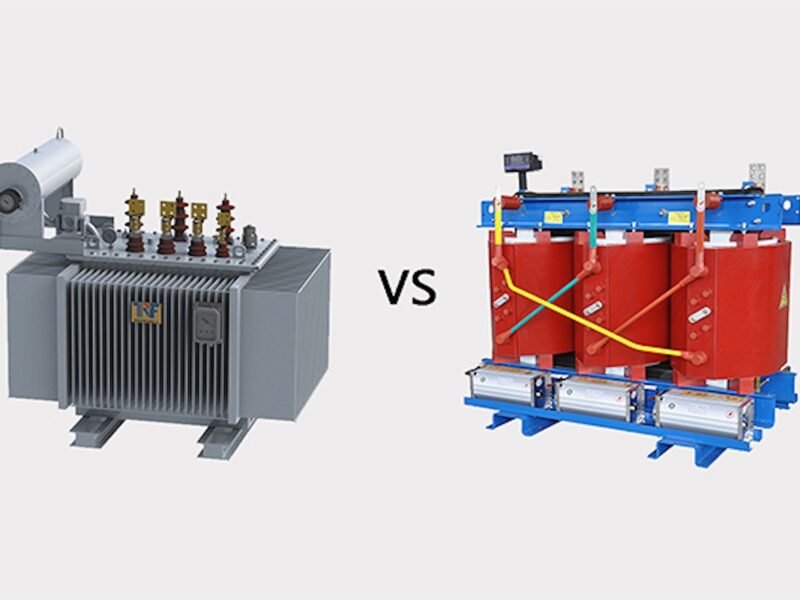
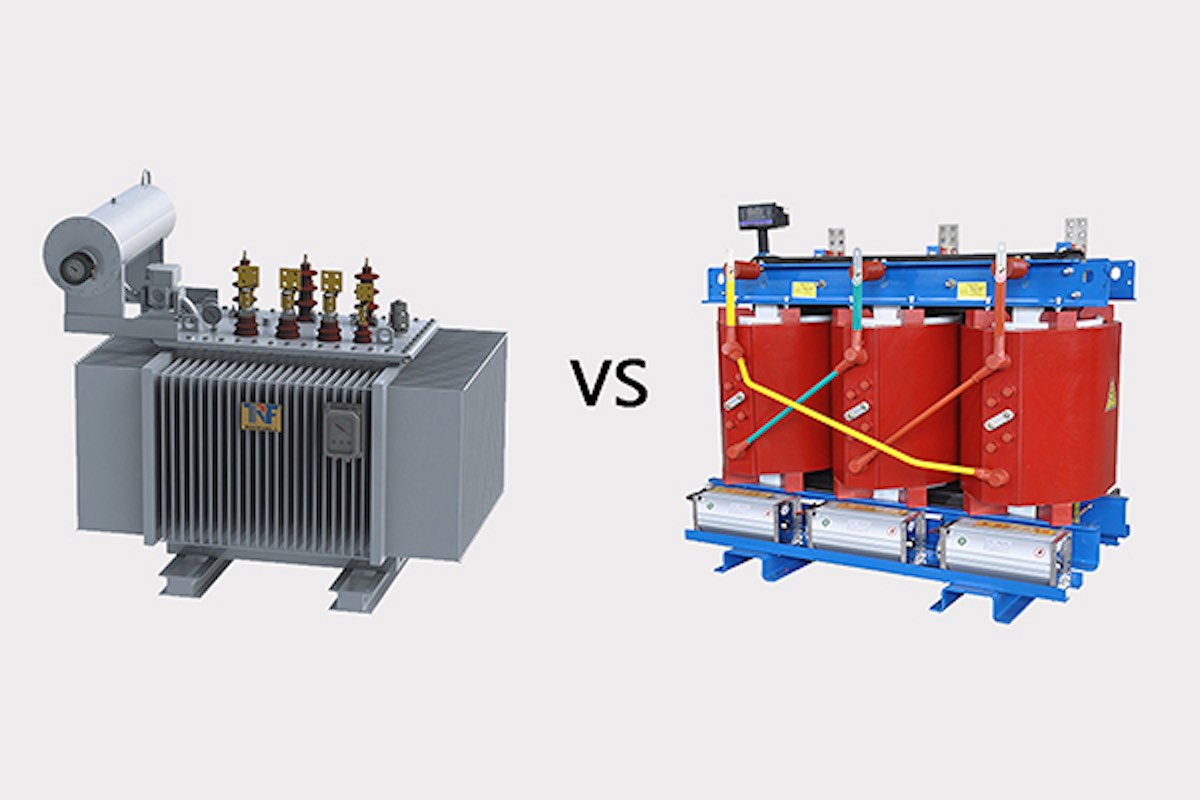
Oil units use oil for cooling and insulation; dry type units use air or resin. Oil units suit outdoor use and higher ratings, while dry type units are safer indoors.
How long does an oil immersed transformer last?
With proper maintenance, a well built unit can last 20 to 30 years or more.
Is oil cooling better than air cooling?
Oil is a stronger insulator and better at heat transfer, so oil units can be smaller and more powerful for the same size.
How often should transformer oil be tested?
Test dissolved gas and dielectric strength at least once a year, or more often for critical units.
Can an oil immersed transformer be used indoors?
It can, but oil filled units indoors need fire protection and spill containment by local codes.
Does Electric-GS supply oil immersed transformers?
Yes. Electric-GS offers OEM and ODM oil immersed distribution and power transformers with full test reports.
Electric-GS — Your Switchgear and Transformer OEM Partner. Electric-GS is a manufacturer based in Yueqing, China, supplying distribution transformers, oil immersed transformers, switchgear, and ring main units. Our factory supports OEM and ODM projects with type tests and a solid track record.
Contact us for a tailored quotation: email info@electric-gs.com or WhatsApp +86 135 8897 8050.
dry type transformer cast resin guide
distribution transformer sizing guide
transformer cooling methods ONAN ONAF OFAF
transformer differential protection guide