
A load break switch is one of the most used devices in medium voltage distribution networks. It switches load current safely, isolates equipment for maintenance, and keeps costs low. Yet many buyers confuse it with a circuit breaker. This guide explains what a load break switch is, how it works, the main types, and how to choose one for your project.
What Is a Load Break Switch?
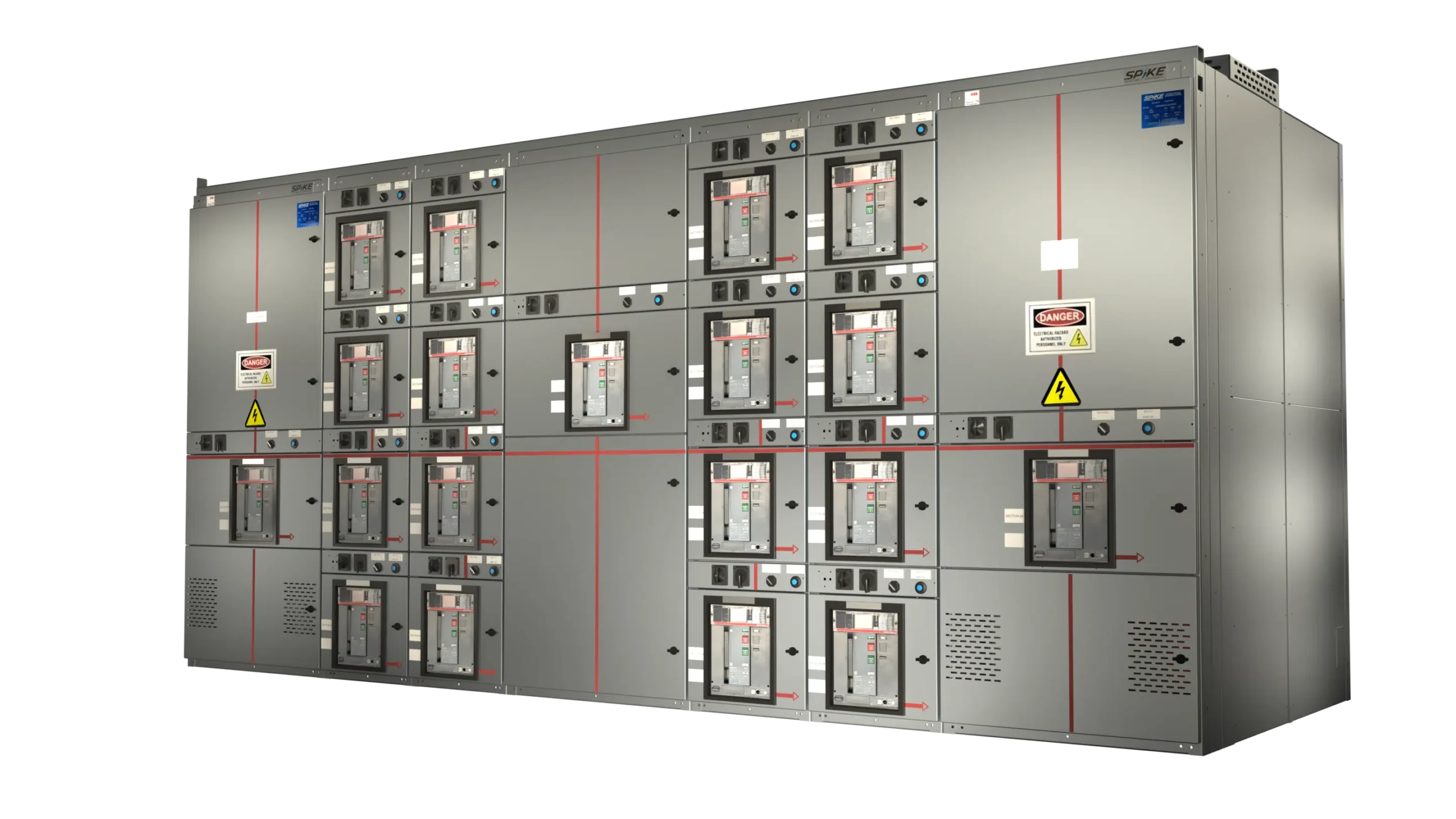
A load break switch is a medium voltage switching device that can make and break load current under normal operating conditions. It is designed for frequent operation, but it cannot interrupt fault current. That job belongs to fuses or circuit breakers installed upstream.
Load break switches are common in ring main units, substations, and distribution panels. They offer a low-cost switching solution with reliable performance and a long service life.
How Does a Load Break Switch Work?
When the contacts open, an arc forms between them. The load break switch extinguishes this arc using an insulation medium:
- SF6 gas absorbs and cools the arc quickly inside a sealed tank
- Vacuum interrupts the arc in a vacuum interrupter with high dielectric strength
- Air uses an arc chute that stretches and cools the arc
Because the arc is controlled inside a sealed or structured chamber, the switch can operate safely and repeatedly without contact damage.
Main Types of Load Break Switches
SF6 Load Break Switch
An SF6 load break switch uses sulfur hexafluoride gas for insulation and arc extinguishing. It is sealed for life, maintenance free, and works well indoors and outdoors. The FLN36 series covers 12kV to 40.5kV and is widely used in ring main units and substations.
Vacuum Load Switch
A vacuum load switch combines a vacuum interrupter with a load break function. It offers excellent arc control, long electrical life, and no gas handling. FZN25 type switches are a popular choice for compact distribution equipment.
Air Load Break Switch
Air load break switches use arc chutes to extinguish the arc in air. They are simple, low cost, and common in lower voltage or less demanding applications. They require more space than SF6 or vacuum designs.
Load Break Switch vs Circuit Breaker
The main difference is fault interruption. A load break switch handles normal load current only. A circuit breaker detects and interrupts fault current automatically. In practice, systems combine both: the load break switch switches daily operations, while a fuse or breaker protects against faults.
- Load break switch: switches load current, manual or motorized, low cost
- Circuit breaker: interrupts fault current, built-in protection, higher cost
Common Applications of Load Break Switches
- Ring main units (RMU) for transformer protection and switching
- Box type substations and compact substations
- Pole-mounted distribution networks
- Industrial and commercial distribution rooms
- Solar power plant MV collection systems
In an RMU, the load break switch is usually the incoming or outgoing switching element, while fuses protect the transformer branch. This configuration is standard in IEC 62271-200 design.
How to Choose the Right Load Break Switch
- Voltage and current rating. Match the rated voltage (12kV, 24kV, 40.5kV) and rated current to your network.
- Short-circuit withstand. Confirm the switch can withstand the system fault current for the required duration.
- Insulation medium. SF6 for sealed maintenance-free operation, vacuum for high switching frequency.
- Operation mode. Manual, motorized, or remote control depending on your automation needs.
- Enclosure and environment. Indoor or outdoor, IP rating, and temperature range.
- Certification. Look for type tests to IEC 62271-103 or equivalent standards.
Frequently Asked Questions
Can a load break switch break fault current?
No. It is designed for load current only. Fault current must be interrupted by fuses or circuit breakers.
What is the difference between a load break switch and a disconnector?
A disconnector cannot break load current; it only provides isolation after the circuit is already open. A load break switch can switch load current and also isolate.
How long does an SF6 load break switch last?
SF6 switches are sealed for life, typically 30 years with no maintenance on the interrupters. Only the mechanism may need periodic inspection.
Is a load break switch suitable for solar plants?
Yes. Medium voltage switchgear in solar plants, including ring main units and MV panels, commonly uses load break switches for switching and isolation.
About the Manufacturer
Electric-GS is a professional medium voltage switchgear manufacturer in Yueqing, Zhejiang, China. We produce SF6 load break switches, vacuum load switches, ring main units, vacuum circuit breakers, and substations for global partners. All products are type tested and available for OEM and ODM projects. Contact us at info@electricgs.com or WhatsApp +86 135 8897 8050 for a quote. Compare our vacuum load switch for your next MV project.