24kV Ring Main Unit Complete Guide: Types, Selection and 2026 Cost Benchmarks
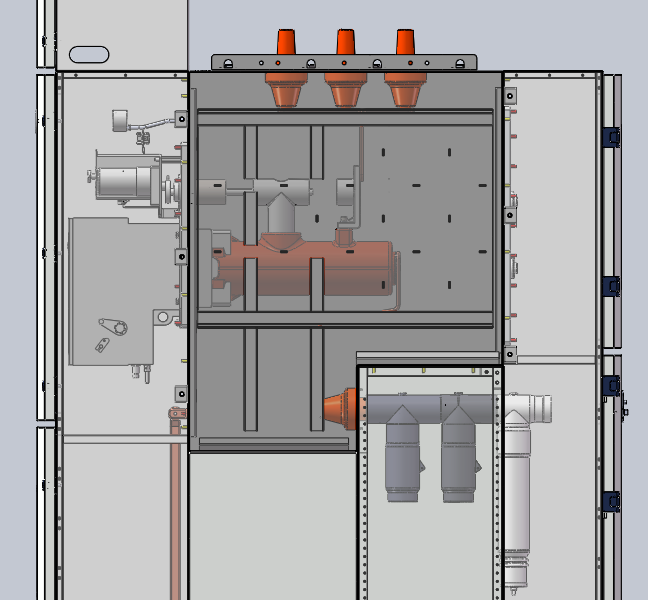
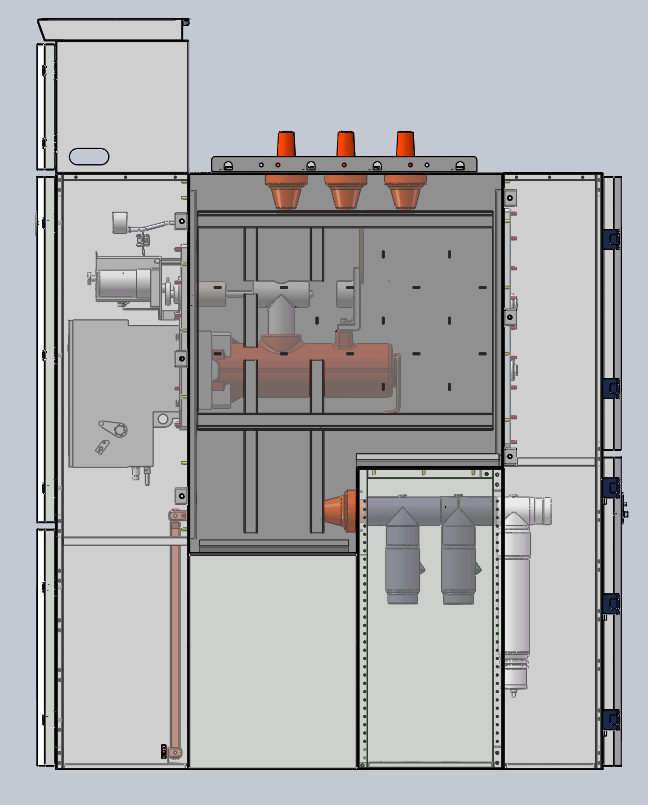
A 24kV ring main unit (RMU) is the backbone of modern medium voltage distribution networks in countries that run 20kV or 24kV systems, such as China, Brazil, parts of the Middle East and Africa. It combines load break switches, earth switches and transformer protection in one compact, sealed cabinet. This guide explains the types, how to select one, and realistic 2026 price levels.
1. Why a Dedicated 24kV RMU Makes Sense
At 24kV the insulation stress is higher than at 12kV. A purpose-built 24kV ring main unit uses higher-rated bushings, longer creepage distances and tested earthing, so it stays reliable in high humidity and pollution. Buying a 24kV unit is cheaper in the long run than over-derating a 12kV design.
2. Main Types of 24kV RMU
- SF6 gas-insulated RMU: sealed-for-life, smallest footprint, proven worldwide.
- Solid-insulated RMU: no greenhouse gas, ideal for eco compliance and cold climates.
- Air-insulated RMU: lowest cost, needs more space, used indoors.
3. Key Ratings to Specify
| Parameter | Typical Value |
|---|---|
| Rated voltage | 24kV, 3-phase, 50Hz |
| Rated current | 630A busbar, 200/630A feeders |
| Short-circuit | 20kA/1s or 25kA/1s |
| Protection | Fuse-switch up to ~1250kVA, breaker above |
| Enclosure | IP54 indoor / IP65 outdoor |
4. How Much Does a 24kV RMU Cost in 2026?
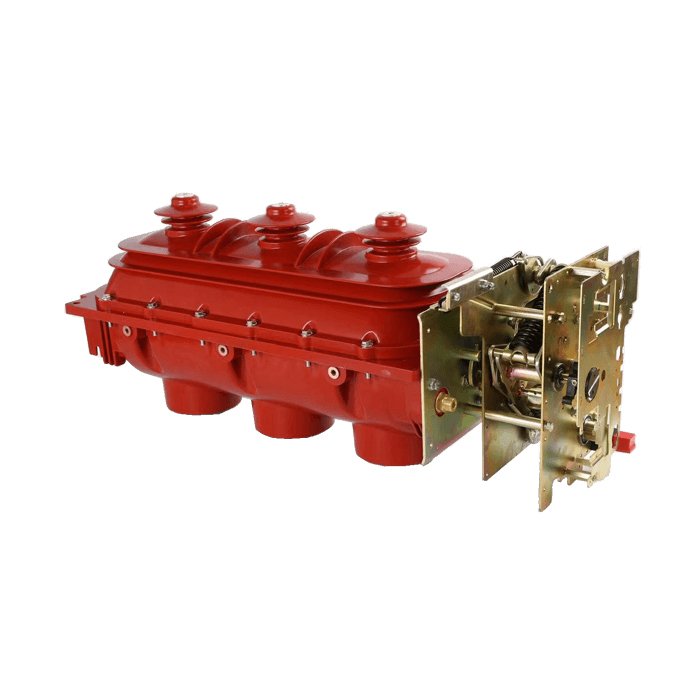
Ex-works prices for a standard 3-way 24kV SF6 RMU are roughly $4,000–$6,500 depending on feeder count and protection. Solid-insulated units run about 15–20% higher. Add freight, customs and local commissioning to build your landed budget.
5. Selection Checklist for Distribution Engineers
- Match rated voltage and short-circuit to the network study.
- Choose feeder count with at least one spare for growth.
- Decide fuse-switch versus breaker based on transformer size.
- Confirm IEC 62271-200 type tests and routine reports.
- Check IP rating and installation room ventilation.
6. Compare with Related Solutions
For a wider view of switchgear choices, see our SF6 Gas Insulated Switchgear Guide and the GIS Installation and Commissioning Guide. If you are planning outdoor distribution, also check the SF6 Gas Insulated Switchgear Guide.
7. Maintenance and Lifecycle
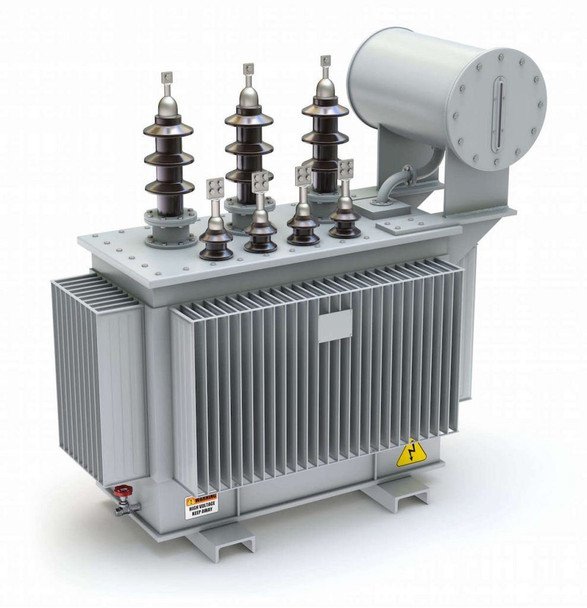
SF6 units need a yearly pressure check and a full inspection every 6 years. Solid-insulated units only need visual checks and torque verification on connections. Either way, keep spare fuse links and the operating handle in the door.
Frequently Asked Questions (FAQ)
1. What is the difference between a 24kV RMU and a 24kV switchgear panel?
An RMU uses load break switches for transformer feeders; a switchgear panel has a vacuum circuit breaker and relays for protected feeders.
2. What transformer can a 24kV fuse-switch protect?
Typically up to about 1250kVA at 24kV; above that use a breaker-based unit.
3. Can a 24kV RMU run outdoors?
Yes, with an IP65 enclosure; otherwise install it in a kiosk or compact substation.
4. Is the SF6 version still legal in Europe?
SF6 is being phased out under EU Regulation 2024/573; solid-insulated is now preferred there.
5. What type tests should I require?
IEC 62271-200 plus routine test reports and a certificate of conformity.
6. What is the typical lead time?
15–30 days ex-works from a full OEM factory.
Why Choose Electric-GS
Electric-GS is an OEM/ODM manufacturer of medium and low voltage switchgear in Yueqing, China. We supply IEC-compliant 24kV ring main units with full test documentation, custom metering and fast lead times. Contact info@electric-gs.com or WhatsApp +86 135 8897 8050. See also Electric-GS solutions and Electric-CN products.
One thought