
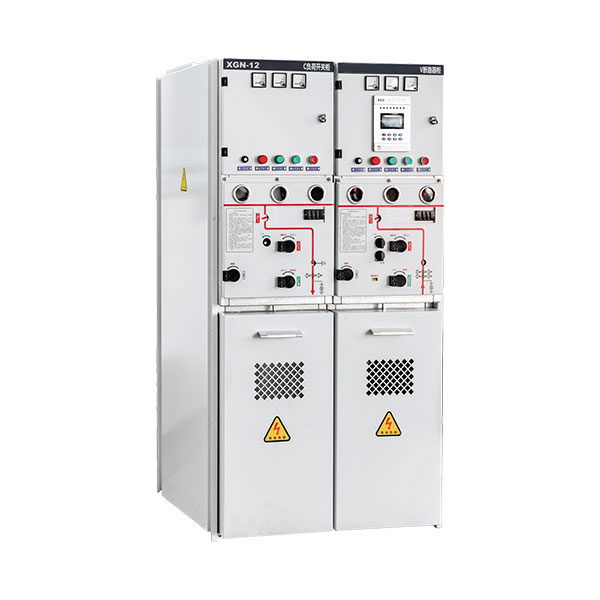
Comparison and Advantages of GAS (Air-Insulated Switchgear) and GIS (Gas-Insulated Switchgear)
When choosing between GAS (Air-Insulated Switchgear, AIS) and GIS (Gas-Insulated Switchgear, GIS), factors such as application scenarios, environmental conditions, space requirements, and maintenance costs must be considered. Below is a detailed comparison of their key differences and respective advantages.
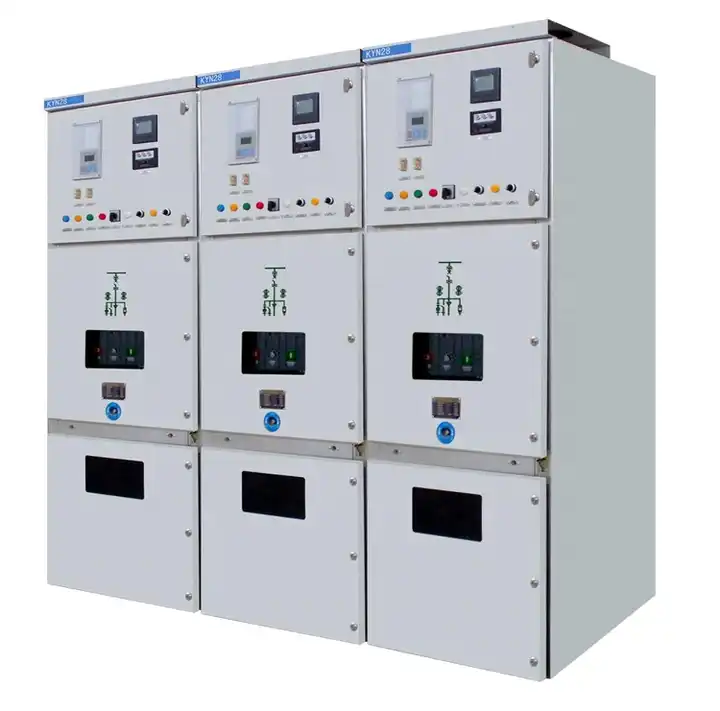
1. Key Differences
| Comparison Criteria | GAS (Air-Insulated Switchgear, AIS) | GIS (Gas-Insulated Switchgear, GIS) |
|---|---|---|
| Insulation Medium | Air | SF₆ Gas |
| Space Requirement | Large footprint, requires more space | Compact design, occupies less space |
| Installation | Mostly used for outdoor or standalone substations | Suitable for indoor, underground, and urban substations |
| Maintenance | Exposed equipment, easy to maintain | Sealed design, difficult to maintain |
| Environmental Adaptability | Affected by pollution and humidity, requires regular cleaning | Suitable for high humidity, high salinity, and polluted environments |
| Initial Investment | Lower cost, suitable for budget-limited projects | Higher cost, but lower long-term operational cost |
| Safety | More affected by external factors, insulation failure possible | Sealed structure, higher safety |
| Lifespan | Approximately 30 years, but requires more maintenance | Approximately 40 years, with lower maintenance requirements |
| Applicable Voltage Range | Suitable for 12kV – 145kV | Suitable for 12kV – 800kV |
| Short Circuit Withstand Capability | Lower | Higher |
| Expandability | Requires more space for expansion | Suitable for compact substations, more flexible expansion |
2. Respective Advantages
Advantages of GAS (Air-Insulated Switchgear, AIS)
① Lower initial investment cost – Suitable for budget-limited projects.
② Easy maintenance – Exposed equipment, visible components, convenient for inspection and replacement.
③ Mature technology – Uses air as the insulation medium, with high safety and no risk of SF₆ gas leakage.
④ More environmentally friendly – No SF₆ gas required, reducing greenhouse gas emissions.
⑤ Suitable for outdoor installation – Simple structure, ideal for large substations.
⑥ Flexible expansion – Expansion of substations is relatively easy by adding additional units.
Advantages of GIS (Gas-Insulated Switchgear, GIS)
① Smaller footprint – Compact structure, ideal for underground, urban, and space-limited locations.
② Higher operational reliability – SF₆ gas insulation is unaffected by external environmental conditions, suitable for harsh environments (high humidity, high salinity, sand, etc.).
③ Low or no maintenance – Sealed design prevents external contamination, reducing maintenance frequency.
④ Higher safety – Fully enclosed equipment with no exposed live parts, reducing risks of human error and environmental impact.
⑤ Longer lifespan – Typically over 40 years, resulting in lower long-term operating costs.
⑥ More suitable for high-voltage applications – Preferred for systems over 145kV, especially in 220kV and above GIS substations.
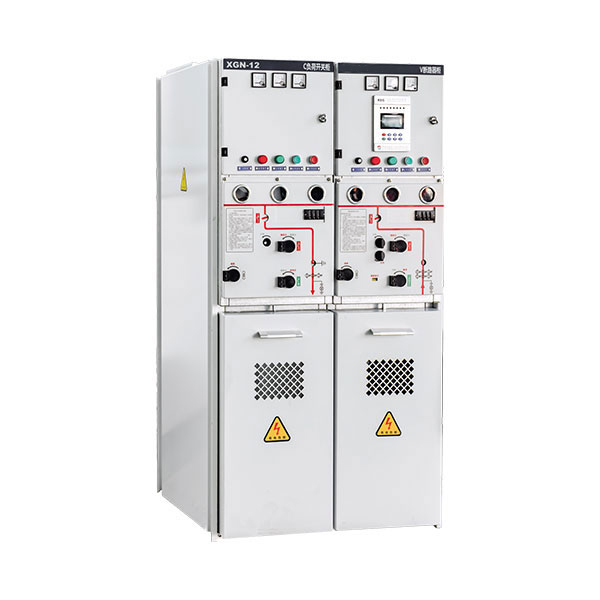
3. Recommended Applications
| Application Scenario | Recommended Choice |
|---|---|
| Limited space (e.g., underground substations, urban areas) | GIS (Compact structure, space-saving) |
| Harsh environments (e.g., high humidity, high salinity, dust, or pollution-prone areas) | GIS (Sealed structure, corrosion-resistant) |
| Budget constraints, cost-effectiveness needed | GAS (Lower cost, ideal for budget-conscious projects) |
| Easy maintenance required (e.g., industrial plants, traditional substations) | GAS (Exposed equipment, easy access) |
| High voltage applications (145kV and above) | GIS (More reliable, superior insulation performance) |
| Networks with high short-circuit currents | GIS (Better short-circuit withstand capability) |
| Remote areas or large outdoor substations | GAS (Suitable for open-air installations, lower cost) |
4. Conclusion
GAS (AIS) is suitable for projects with ample space and limited budgets, offering easy maintenance but requiring more space and being more susceptible to environmental conditions.
GIS is ideal for compact, high-reliability applications in harsh environments, with a longer lifespan and lower maintenance needs, but with higher initial costs.
If a project requires a compact, safe, and maintenance-free solution, GIS is the better choice. If a project prioritizes low cost and easy maintenance, GAS is the more suitable option.