

Comprehensive Guide to Pad-Mounted Transformers
1. Introduction
Pad-mounted transformers are a critical component of modern power distribution networks. Their compact, secure, and weather-resistant design makes them ideal for supplying electricity to residential neighborhoods, commercial centers, and light industrial facilities. As cities become more populated and power demands grow, the reliability, efficiency, and safety of distribution transformers become increasingly important.
This article provides a comprehensive overview of pad-mounted transformers, including their construction, operation, classifications, standards, installation, and maintenance practices.
2. What Is a Pad-Mounted Transformer?
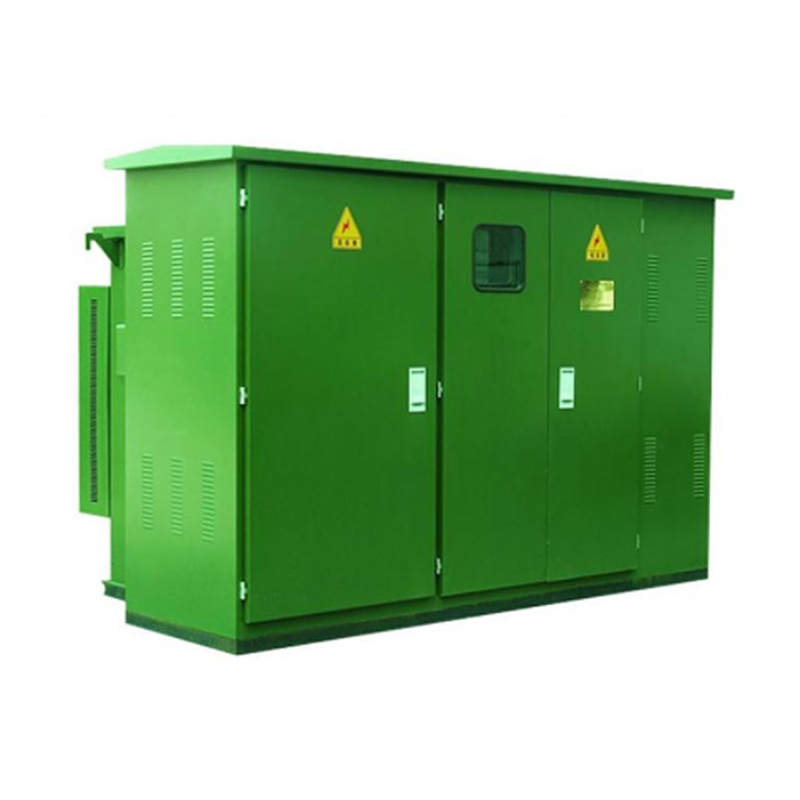
A pad-mounted transformer is a type of distribution transformer that is mounted on a concrete pad and enclosed in a locked, tamper-resistant metal cabinet. It is designed for underground power distribution systems, where it steps down medium voltage (typically 5kV to 35kV) to low voltage (120V to 600V) for customer use.
Unlike pole-mounted transformers used in overhead distribution, pad-mounted transformers are installed at ground level and are ideal for urban environments where overhead lines are impractical or restricted.
Key Features:
Ground-level installation
Weatherproof and tamper-resistant cabinet
Designed for both single-phase and three-phase systems
Provides easy access for maintenance and operation

Pad-Mounted Transformer
3. Components and Structure
A typical pad-mounted transformer includes the following main components:
1. Primary Compartment:
Houses the medium-voltage (MV) bushings and load break switches
Cable terminations for MV underground lines
Fused protection or circuit interrupters
2. Secondary Compartment:
Houses low-voltage bushings and cable connections
Terminals for outgoing distribution to buildings, streetlights, etc.
3. Transformer Tank:
Contains the transformer core, windings, and insulating oil (mineral oil, FR3, or other fluids)
Hermetically sealed to prevent contamination
4. Cooling System:
Typically natural oil air cooled (ONAN)
Some may include cooling fins for enhanced heat dissipation
5. Cabinet Enclosure:
Made of heavy-gauge steel
Lockable and meets tamper resistance standards (e.g., ANSI C57.12.28)

Pad-Mounted Transformer

4. Types of Pad-Mounted Transformers
Pad-mounted transformers can be classified in various ways based on phase configuration, accessibility, and application.
A. By Phase:
1. Single-Phase Transformers:
Common in residential areas
Typically range from 10 kVA to 5000 kVA
2. Three-Phase Transformers:
Used in commercial and industrial applications
Ratings range from 75 kVA up to 5,000 kVA or more
B. By Construction:
1. Radial Feed:
One high-voltage input and one low-voltage output
Simpler, used for end-of-line applications
2. Loop Feed:
Two high-voltage bushings (loopable), allowing network continuity
Ideal for redundancy and reliability in networked systems

Pad-Mounted Transformer

5. Standards and Ratings
Pad-mounted transformers are manufactured according to international standards to ensure performance, safety, and interchangeability. Common standards include:
A. IEEE/ANSI Standards (U.S.):
ANSI C57.12.00 – General requirements
ANSI C57.12.28 – Enclosure security
ANSI C57.12.34 – Pad-mounted equipment specs
B. IEC Standards (International):
IEC 60076 Series – Power transformers
Typical Ratings:
| Parameter | Range |
|---|---|
| Primary Voltage | 4.16 kV – 35 kV |
| Secondary Voltage | 120/240V, 208Y/120V, 480Y/277V |
| Power Rating | 10 kVA – 5,000 kVA |
| Frequency | 50Hz / 60Hz |
| Cooling Class | ONAN, ONAF |
| Insulation Class | Mineral Oil / FR3 / Silicone Fluid |

6. Applications
Pad-mounted transformers are used in a wide variety of settings due to their sealed, compact, and safe design.
Common Applications:
Urban residential developments
Shopping malls and commercial buildings
Hospitals and educational campuses
Industrial parks and data centers
Renewable energy projects (e.g., solar farms, wind farms)
Airports, stadiums, and railways
7. Advantages of Pad-Mounted Transformers
1. Safety and Security
Lockable enclosures prevent unauthorized access
Reduced risk of contact with live components
Sealed designs minimize fire and explosion risks
2. Aesthetic Integration
Ideal for urban or landscaped environments
Can be camouflaged or enclosed within decorative fences
3. Space-Saving
No need for poles or overhead clearances
Efficient use of ground space, especially for underground networks
4. Easy Maintenance
Ground-level access allows fast and safe servicing
Compartments are separated for primary and secondary operations
5. High Reliability
Suitable for loop feed systems with redundancy
Protected from environmental factors like lightning and storms
8. Installation Considerations
Proper installation is key to ensuring performance and longevity. Below are critical steps and best practices:
1. Site Preparation
Level concrete pad designed to support transformer weight
Ensure compliance with NESC and NEC clearance codes
2. Grounding
Effective grounding is essential to prevent step potential hazards
Bonding to building grounding system recommended
3. Cable Termination
Use approved elbow connectors for MV terminations
Proper torque and cable alignment required
4. Accessibility
Ensure at least 3 feet of clearance around the cabinet
Cabinet doors should open 90° or more without obstruction
9. Maintenance and Inspection
Although pad-mounted transformers are designed for low maintenance, regular inspection ensures continued safety and efficiency.
Inspection Checklist:
Check oil level and temperature gauge
Inspect for rust, corrosion, or physical damage
Test load tap changer operation (if applicable)
Infrared thermal scanning for hotspot detection
Insulation resistance and dielectric strength testing
Maintenance Frequency:
Visual inspection: Quarterly or semi-annually
Dielectric tests and oil analysis: Every 3–5 years
10. Common Issues and Troubleshooting
1. Overheating
Caused by overloading or blocked ventilation
Address by rebalancing load or adding external cooling
2. Oil Leaks
Indicates gasket failure or weld defect
Requires resealing or tank repair
3. Moisture Ingress
Can degrade insulation
Install desiccant breathers or sealed tanks
4. Faulty Connections
Loose terminations may cause arcing
Check torque specifications and perform thermal scans
11. Environmental Considerations
Modern pad-mounted transformers are increasingly designed with environmental safety in mind.
Eco-Friendly Fluids:
FR3 (natural ester): Biodegradable, less flammable
Silicone fluid: Stable at higher temperatures
Recyclability:
Copper and steel components are recoverable
Oil reclaiming systems reduce waste
Noise Levels:
Typically <60 dB at 1 meter
Low sound models available for noise-sensitive areas
12. Future Trends and Innovations
1. Smart Transformers
Equipped with IoT sensors for real-time monitoring
Provide data on temperature, voltage, oil condition
2. Compact Modular Designs
Suitable for growing urban centers with space constraints
3. Integration with Renewables
Designed to handle bidirectional power flow from solar or wind sources
4. Fire-Resistant Materials
Use of advanced insulation materials for high-risk areas
13. Conclusion
Pad-mounted transformers are an essential part of modern underground power distribution systems. Their compact, weatherproof, and safe design makes them ideal for residential, commercial, and industrial use. As power infrastructure becomes smarter and more environmentally friendly, these transformers will continue to evolve with enhanced monitoring, higher efficiency, and integrated safety features.
Proper selection, installation, and maintenance are key to ensuring long-term reliability and performance. As the demand for stable and safe electricity grows, pad-mounted transformers will play a crucial role in supporting future energy networks.