
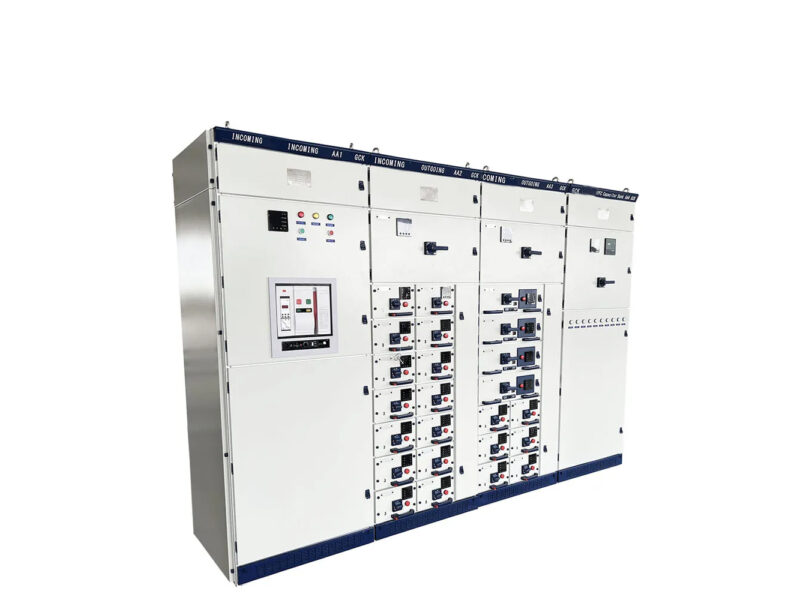
Low-voltage switchgear is widely used in industrial, commercial, and residential power systems for power distribution, control, protection, and monitoring. Below is a comparison of common low-voltage switchgear models, their meanings, and their advantages and disadvantages to help select the most suitable product.
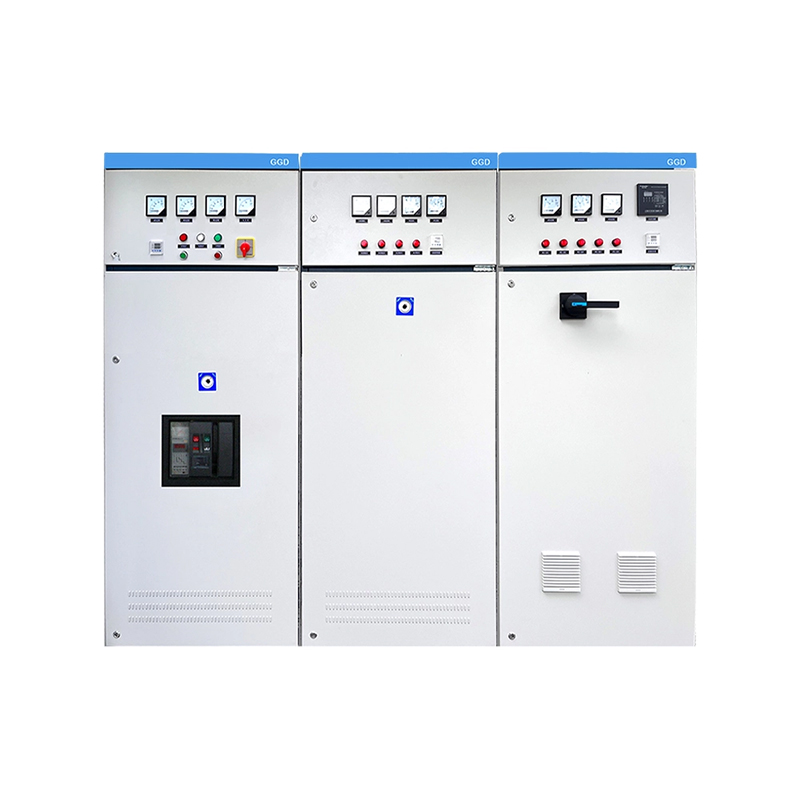
1. GGD Low-Voltage Fixed Switchgear
Model Meaning
G – Cabinet-type (Switchgear)
G – Fixed type (Equipment is fixed, components are not removable)
D – Low-voltage power equipment
Advantages
Simple structure, low manufacturing cost, and relatively affordable
Easy to install and maintain, suitable for fixed equipment without frequent component replacement
Suitable for power distribution systems such as substations and industrial enterprises
Disadvantages
No withdrawable function units, requiring power shutdown for maintenance
Poor expandability, not suitable for frequently modified systems

GGD Low-voltage fixed switchgear
2. GCK Low-Voltage Withdrawable Switchgear
Model Meaning
G – Cabinet-type (Switchgear)
C – Withdrawable (Functional units can be removed for maintenance)
K – Control center (Suitable for motor control)
Advantages
Drawer-type design allows easy maintenance and component replacement
Suitable for motor control (MCC) and centralized management of multiple motors
Compact structure, space-saving
Disadvantages
Higher cost compared to fixed-type switchgear
Moderate structural strength, not suitable for high-current loads

Low-Voltage Switchboards
3. GCS Low-Voltage Withdrawable Switchgear
Model Meaning
G – Cabinet-type (Switchgear)
C – Withdrawable (Functional units can be removed for maintenance)
S – Standardized design (Optimized structure compared to GCK)
Advantages
Modular design with good expandability, adaptable to various needs
Higher breaking capacity, suitable for high-current loads
Easy maintenance with withdrawable functional units
Disadvantages
Higher price, mainly used in large industrial projects
Relatively large space occupancy, not suitable for small electrical rooms
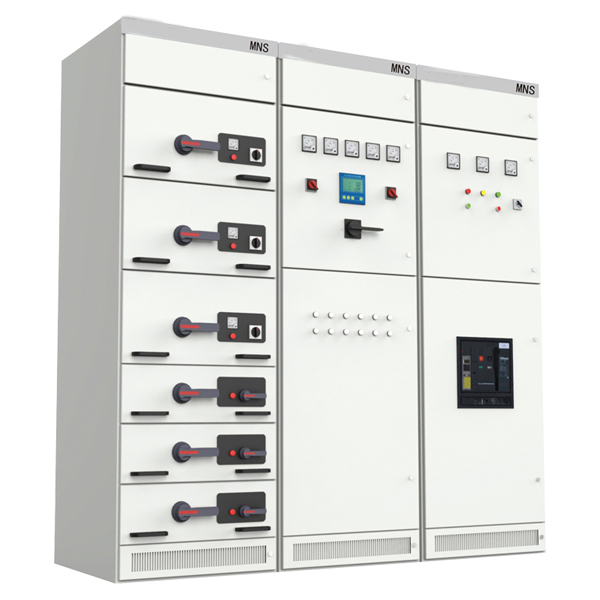
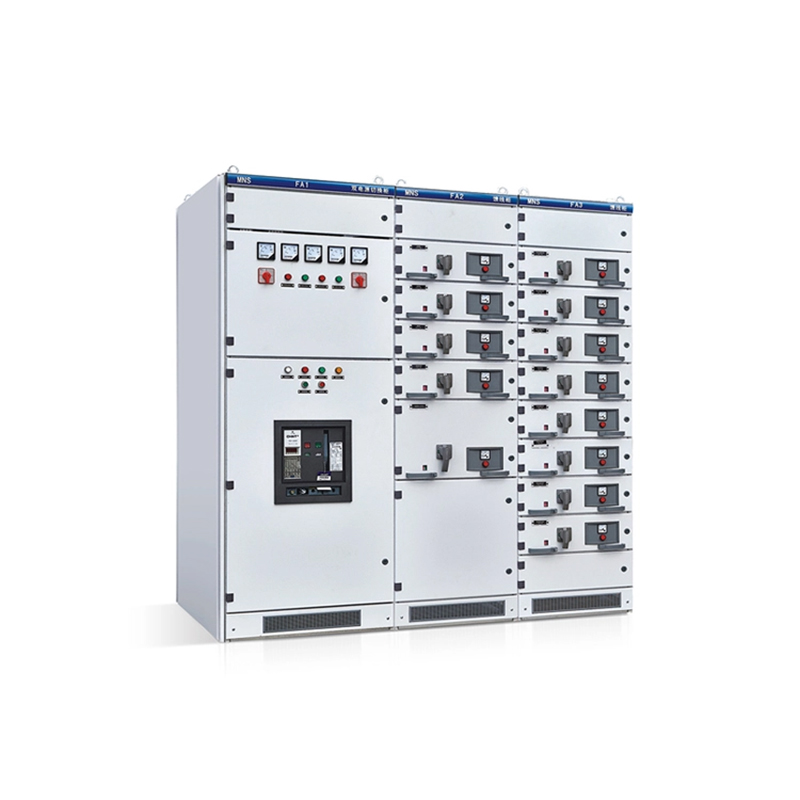
4. MNS Low-Voltage Withdrawable Switchgear
Model Meaning
MNS – Developed by ABB, an internationally standardized withdrawable low-voltage switchgear
Advantages
Modular and compact design, reasonable structure, space-saving
High reliability and protection level (IP30~IP54), suitable for harsh environments
High rated current (≤6300A), suitable for high-power applications
Disadvantages
Expensive, costing more than GCS and GCK
Requires skilled professionals for installation and maintenance
Low voltage switchgear gck
5. GGJ Low-Voltage Reactive Power Compensation Cabinet
Model Meaning
G – Distribution cabinet
G – Reactive power compensation
J – Energy-saving type
Advantages
Improves power factor and reduces energy losses
Energy-efficient, reducing electricity costs
Simple structure, easy to install and maintain
Disadvantages
Only used for reactive power compensation, not for general power distribution
Requires proper configuration based on load conditions; improper settings may be ineffective
6. XL-21 Low-Voltage Power Distribution Cabinet
Model Meaning
X – Box-type structure
L – Power cabinet
21 – Design serial number
Advantages
Simple structure, cost-effective, suitable for small power distribution systems
Easy installation, applicable for small buildings, factories, and residential areas
Customizable based on needs, highly flexible
Disadvantages
Limited current-carrying capacity (≤630A), not suitable for high-power systems
Poor expandability, unsuitable for future upgrades
Comparison of Low-Voltage Switchgear Models
| Model | Fixed/Withdrawable | Rated Voltage | Rated Current | Application | Advantages | Disadvantages |
|---|---|---|---|---|---|---|
| GGD | Fixed | 380V | ≤3150A | Substations, industrial enterprises, buildings | Cost-effective, easy maintenance | No withdrawable units, poor expandability |
| GCK | Withdrawable | 380V | ≤3200A | Industrial, mining, building power distribution | Compact, motor control application | High cost, limited application |
| GCS | Withdrawable | 380V | ≤4000A | Airports, data centers, subways | Modular design, high expandability | High price, large footprint |
| MNS | Withdrawable | 380V | ≤6300A | Oil, chemical, rail transit | High reliability, high protection level | Expensive, requires skilled installation |
| GGJ | Fixed | 380V | Reactive power compensation | Industrial enterprises, commercial buildings | Improves power factor, energy-saving | Only for reactive power compensation |
| XL-21 | Fixed | 380V | ≤630A | Small-scale power distribution | Cost-effective, easy installation | Limited current capacity, poor expandability |
How to Choose the Right Low-Voltage Switchgear?
For high loads and high reliability, choose MNS or GCS
For motor control centers (MCCs), choose GCK or MNS
For power distribution with a lower budget, choose GGD
For reactive power compensation, choose GGJ
For small-scale power distribution, choose XL-21