
Indoor and outdoor switchgear do the same job, but they are built and installed very differently. Both rely on a strong switchgear enclosure that protects the live parts. The enclosure decides the degree of protection, the footprint and the cost. This guide compares indoor and outdoor switchgear and helps you choose the right enclosure and installation for your site. It also helps you compare quotations, read an IP rating correctly, and avoid the common mistake of buying the wrong type for the location.
The table below compares the two types at a glance.
| Factor | Indoor switchgear | Outdoor switchgear |
|---|---|---|
| Enclosure | Standard metal enclosure | Weatherproof, sealed enclosure |
| IP rating | IP31 or IP54 typical | IP54 to IP65 typical |
| Installation | Inside a building or room | On plinth, pole or ground |
| Climate | Less exposure to weather | Must handle rain, salt, dust |
| Cost | Lower unit cost, plus building | Higher unit cost, less civil work |
| Maintenance | Easy indoor access | Weather and safety dependent |
Indoor Switchgear Basics
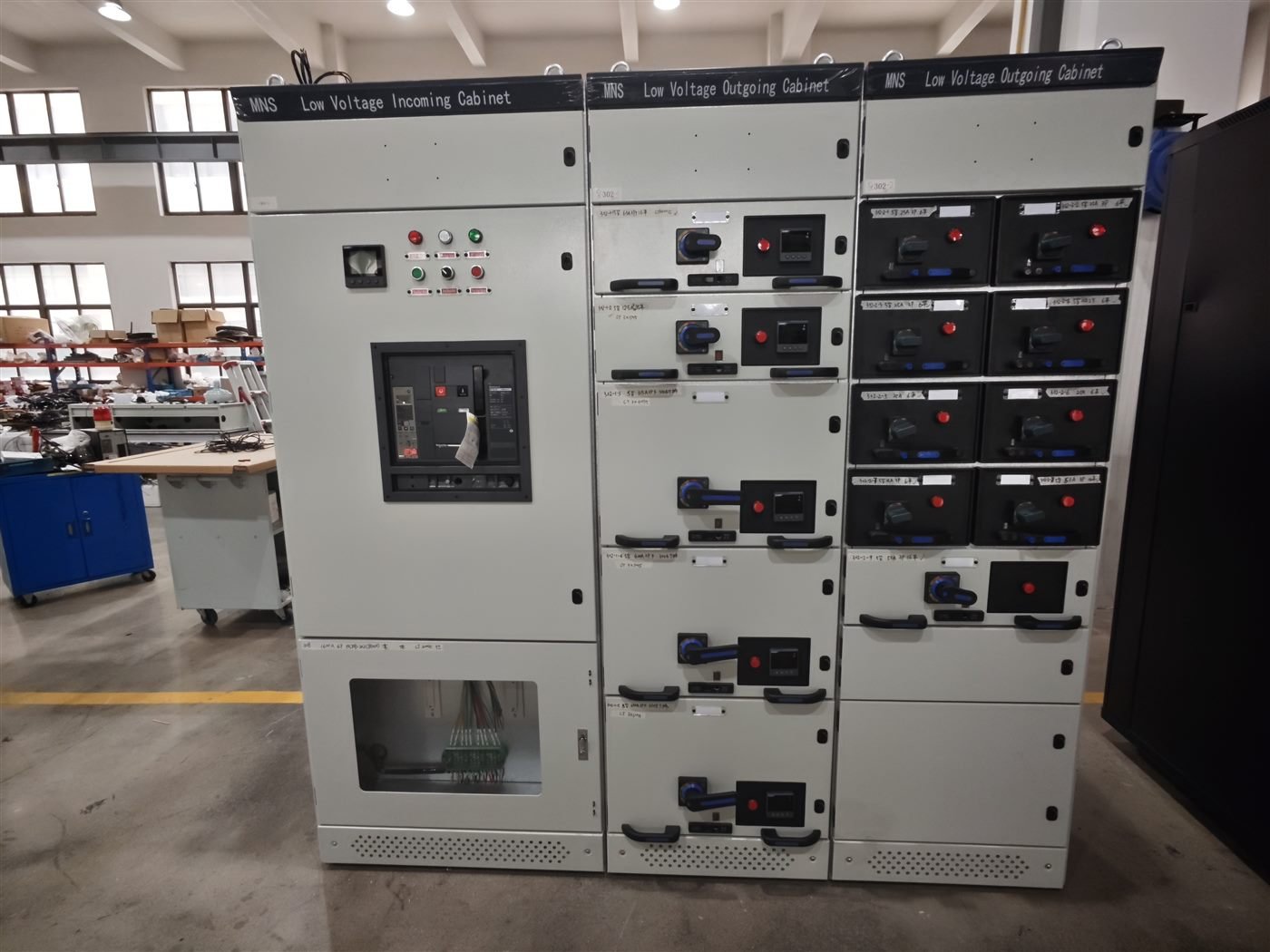
Indoor switchgear is installed inside a building, a room or a substation hall. It uses a standard metal enclosure that does not need to be weatherproof. Metal-clad panels and air insulated panels are common choices indoors.
Because the environment is controlled, indoor switchgear can use a lighter enclosure. It is compact and easy to maintain, but it requires a building, ventilation and sometimes a fire-resistant wall. Indoor panels are also easier to inspect because the lighting, the floor and the access route are fixed.
Outdoor Switchgear Basics
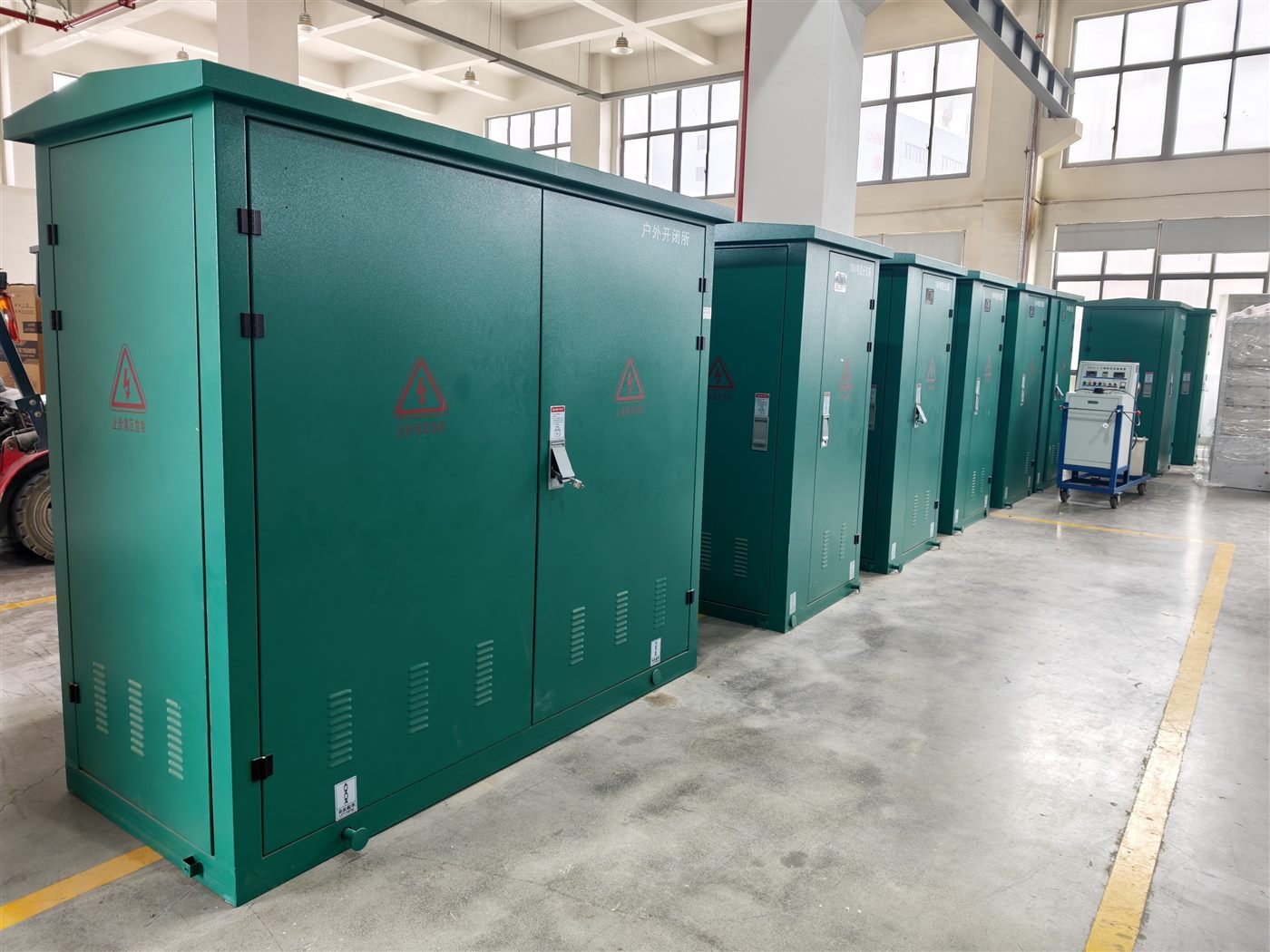
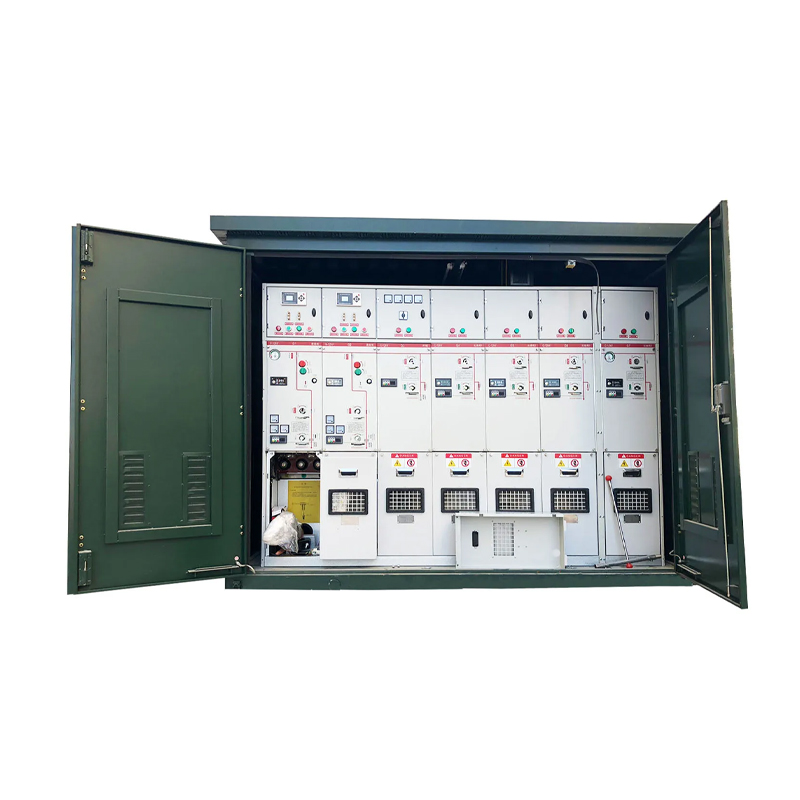
Outdoor switchgear is installed directly in the open air. It can be pole-mounted, pad-mounted or ground-mounted. Outdoor ring main units, vacuum circuit breakers and compact substations are typical examples.
The switchgear enclosure of an outdoor unit is weatherproof and sealed, so rain, dust and pollution cannot reach the live parts. Outdoor units need no building, but they need a strong plinth and careful sealing against moisture. The enclosure often includes a roof, cable entry glands and a drainage point to stop water pooling.
Enclosure Type and IP Rating
The IP rating tells you how well the enclosure protects the parts. Indoor panels commonly use IP31 to IP54. Outdoor panels need IP54 or higher, and IP65 for fully sealed units.
Choose the IP rating based on the site. Coastal and industrial sites need a higher rating because salt and dust attack the metal and the insulation. A well-made sheet metal enclosure with the correct coating resists corrosion for many years. Keep the inspection and testing plan in mind when you plan access; see our medium voltage switchgear maintenance plan. Remember that a higher IP rating usually adds cost, so pick the level that matches the actual environment instead of over-specifying.
Climate, Space and Installation
Outdoor units must handle rain, wind, salt and temperature swings. The enclosure must drain water, resist corrosion and keep the internal temperature within limits. The plinth must raise the unit above flood level and give enough clearance for the cable entry.
Indoor units need less weather protection, but they need space inside the building, ventilation and safe access for racking and maintenance. The available footprint often decides between a single indoor room and a row of outdoor units. If you want a factory-built complete solution, read our compact substation guide.
Cost and Maintenance Comparison
Indoor switchgear has a lower unit price, but you must add the cost of the building, the ventilation and the fire protection. Outdoor switchgear has a higher unit price because the enclosure is more robust, but it saves most of the civil work.
Maintenance access differs too. Indoor panels are reached in a clean room, while outdoor units are opened in the open air, so the work must follow weather and safety rules. The total cost depends on your site and your access requirements. For an existing building, indoor switchgear is usually the lower-cost choice, while a new greenfield site may favor outdoor units. See how enclosure choice relates to technology in our GIS vs AIS switchgear comparison.
How to Choose Between Indoor and Outdoor Switchgear
Follow a simple decision process.
- Check if a building or substation room already exists.
- Check the site climate, salt level and flood risk.
- Compare the building cost against a stronger outdoor enclosure.
- Confirm the required IP rating and footprint.
- Plan access for operation and maintenance.
For higher voltages, the choice also depends on the voltage class. Read the 40.5kV high voltage switchgear guide for the related selection details. In most cases, a site with an existing building favors indoor units, while an open field or a pole location favors outdoor units.
Frequently Asked Questions
What is the difference between indoor and outdoor switchgear?
Indoor switchgear is installed inside a building with a standard enclosure, while outdoor switchgear uses a weatherproof enclosure and is installed in the open air.
What IP rating do I need for outdoor switchgear?
Outdoor units usually need IP54 or higher, and IP65 for fully sealed units, to protect against rain, dust and pollution.
Is outdoor switchgear more expensive than indoor?
Yes, the unit cost is higher, but it often saves the cost of a building, so the total project cost can be similar or lower.
Can outdoor switchgear be installed indoors?
Yes, but it is unnecessary and costs more, because a standard indoor enclosure is enough when the unit is protected by a building.
Why do coastal sites need a higher IP rating?
Salt attacks metal and insulation, so a sealed enclosure with corrosion-resistant coating is required for reliable long-term operation.
What is an outdoor ring main unit?
It is a weatherproof ring main unit designed for pole or ground installation without a building, used to feed transformers and loads in distribution networks.
About Electric-GS
Electric-GS is a professional electrical equipment manufacturer based in Yueqing, China. We offer OEM and ODM services for medium voltage switchgear, ring main units, vacuum circuit breakers, transformers and protection equipment, with full testing and global export experience. Contact us at info@electric-gs.com or WhatsApp +86 135 8897 8050 for a fast quotation. Visit electricgs.com or the Chinese portal at electric-cn.com.
One thought