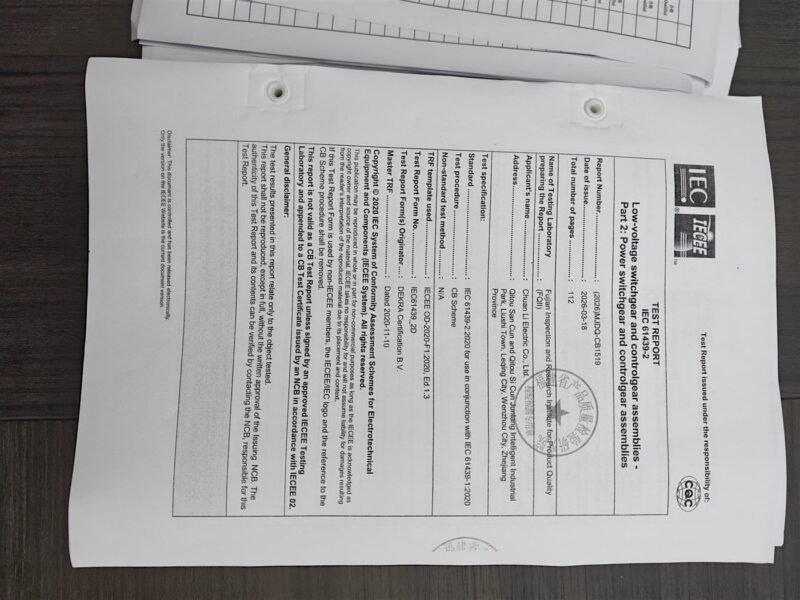
Switchgear testing proves that a panel is safe, reliable and fit for service. Every medium voltage switchgear panel must pass a set of tests before it leaves the factory and again during commissioning. A tested panel protects people, transformers, cables and the whole network. This guide explains the routine, type and commissioning tests you should expect, and how to plan a proper test schedule. It also helps you ask the right questions when you buy or inspect a panel, so you receive a product that is safe and fully documented.
Why Switchgear Testing Matters
Testing finds defects before they cause an outage or a fault. A small insulation flaw can grow into a short circuit if it is not found. A weak mechanical mechanism can fail to open the breaker in time. Tests check the insulation, the operating mechanism, the control circuit and the auxiliary devices.
Standards define the test levels and acceptance criteria. A manufacturer follows these standards and records the results in an IEC test report. Buyers should ask for these records before accepting a panel. For the complete picture of what to inspect over time, see the medium voltage switchgear maintenance plan guide.
- Protects operators and equipment.
- Confirms insulation quality.
- Verifies the breaker and switch mechanism.
- Provides records for acceptance and insurance.
Testing also protects your investment. A small fault found early costs far less than an outage that stops production. Records from each test build a quality history you can trust, and they help you compare suppliers fairly. When every panel has a clear test report, maintenance and future upgrades become easier to plan.
Routine Tests
Routine tests are done on every panel during production. They are quick but thorough checks of the main functions.
- Power frequency voltage withstand test.
- Measurement of the main circuit resistance.
- Mechanical operation tests.
- Control, signal and auxiliary circuit checks.
- Verification of wiring and components.
Each panel gets an individual routine test. The results are recorded with serial numbers so the history stays traceable. Routine tests catch the most common production defects early. The tests are fast enough to run on every unit without slowing the line, but complete enough to confirm each panel matches the approved design.
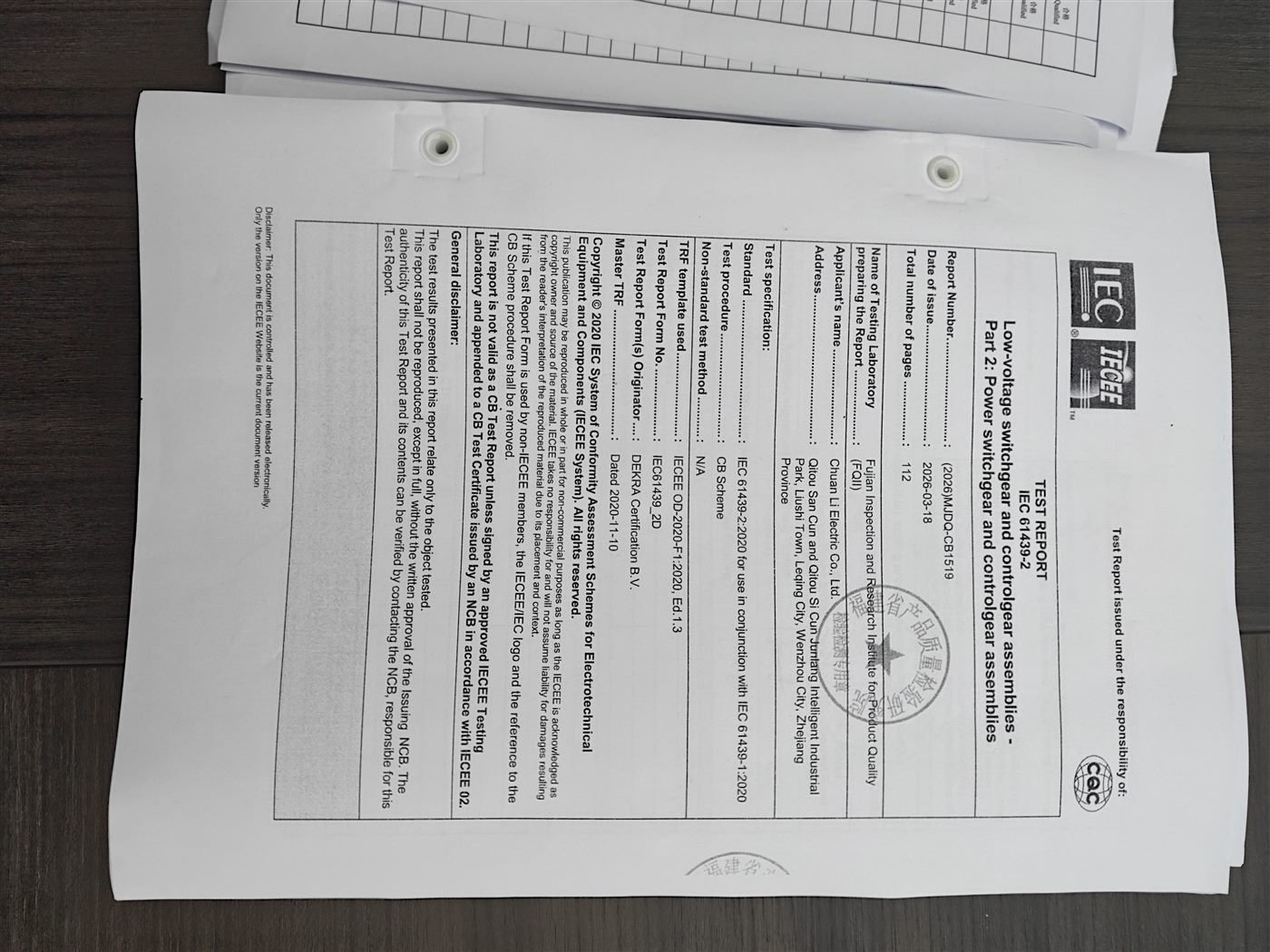
Type Tests
Type tests are done once on a representative panel to prove the design. They are heavier and more expensive, so they are not repeated for every unit.
- Short circuit and making capacity tests.
- Temperature rise test.
- Dielectric and impulse voltage tests.
- Internal arc test.
- Degree of protection and enclosure tests.
A design that passes type tests can be reproduced during production, provided the materials and processes stay the same. Any major design change requires new type tests.
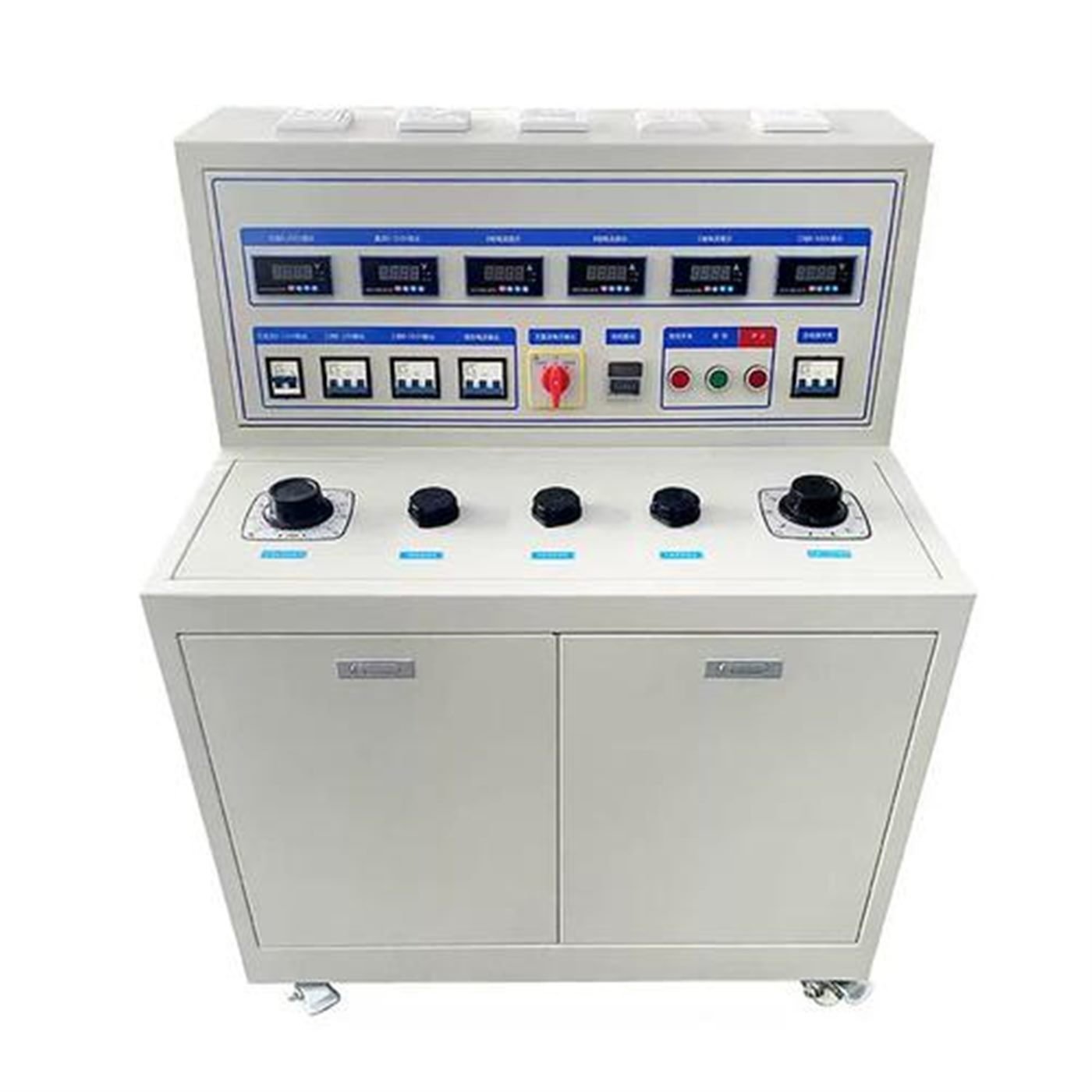
Commissioning Tests
Commissioning tests are performed on site after installation. They confirm that the panel arrived safely, was wired correctly and is ready to energize.
- Visual and mechanical inspection.
- Insulation resistance measurement.
- Check of all interlocks and earthing.
- Functional test of the protection relay.
- Primary and secondary injection tests.
During commissioning you also verify the control voltage, the closing and tripping circuits, and the indication lamps. A full commissioning record becomes part of the handover documents. If a control circuit fails during commissioning, fix it on site and record the change so the as-built drawing stays accurate. Read how the current and voltage transformers should be checked before you energize the panel.
Testing Equipment and Setup
Good testing needs the right equipment and a safe setup.
- High voltage test set for insulation and withstand tests.
- Secondary injection set for protection relays.
- Megohmmeter for insulation resistance.
- Timing and travel analyzer for the breaker.
- Calibrated torque and continuity tools.
Always follow the safe working procedure. Discharge the circuit before touching it, and keep the test area clear. The operating mechanism test helps confirm the breaker will act correctly, as described in the medium voltage vacuum circuit breaker ratings guide.
Here is a quick summary of the main switchgear tests.
| Test | Stage | Purpose |
|---|---|---|
| Power frequency withstand | Routine + type | Prove insulation strength |
| Main circuit resistance | Routine | Check contact quality |
| Mechanical operation | Routine | Verify mechanism and timing |
| Short circuit capacity | Type | Prove fault handling |
| Internal arc | Type | Prove operator safety |
| Primary/secondary injection | Commissioning | Verify protection settings |
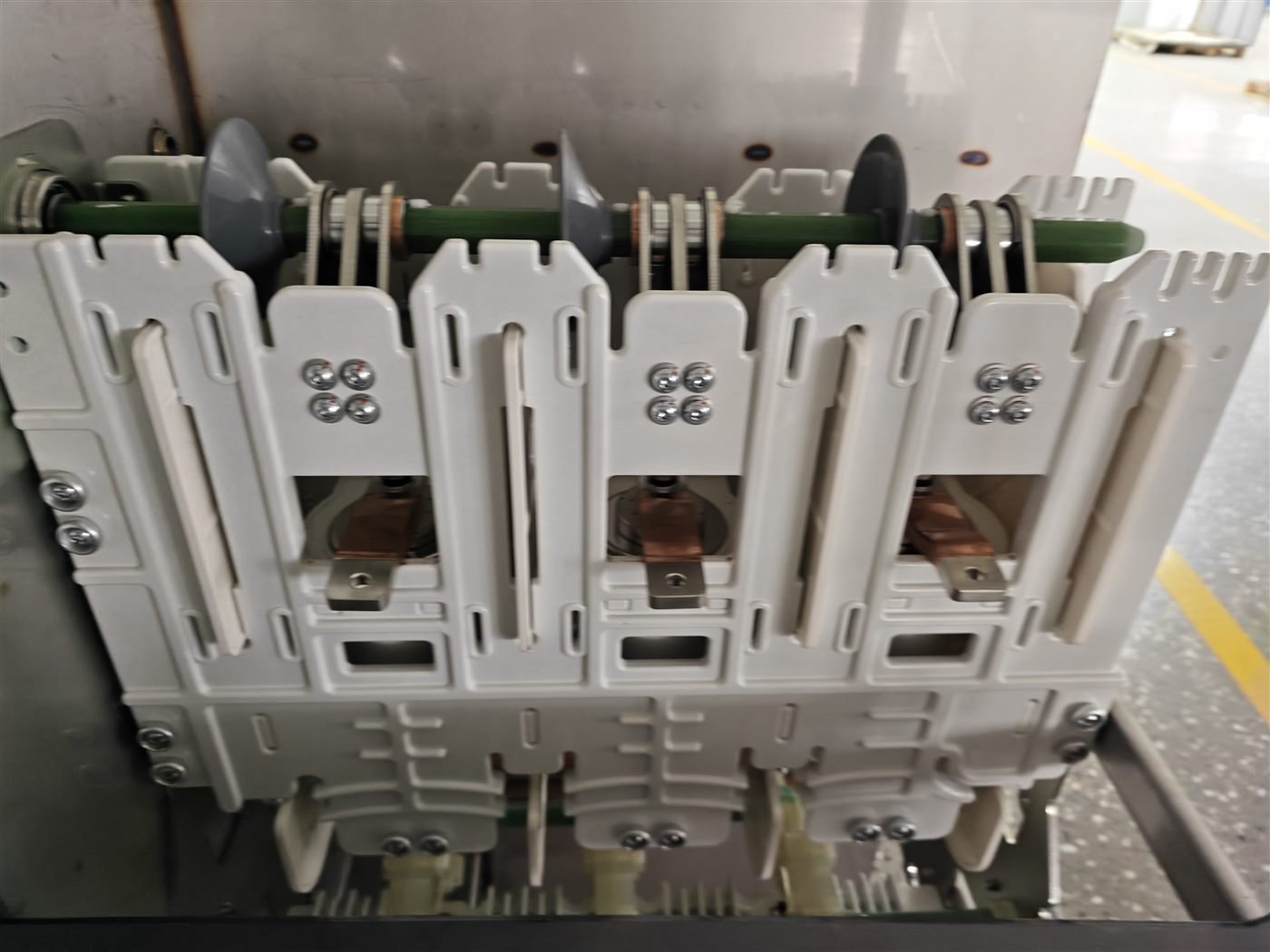
How to Plan a Test Schedule
A clear schedule keeps testing fast and complete. Start with the type test certificate as the design baseline.
- Confirm the required standards for your project.
- Plan routine tests into the production line.
- Book type tests before mass production.
- Prepare commissioning tests with the site schedule.
- Keep one record file per panel.
Review the results with the customer and the inspector. If a test fails, fix the root cause, not just the symptom, and re-test. This also applies when you check the medium voltage disconnector switch contact pressure and operation.
Frequently Asked Questions
What is the difference between routine and type tests?
Routine tests are done on every panel during production, while type tests are done once on a representative panel to prove the design.
Why is a power frequency withstand test important?
It applies a high voltage to prove that the insulation can withstand normal and temporary overvoltages without breakdown.
When are commissioning tests performed?
They are performed on site after installation, before the panel is energized and put into service.
Do I need an internal arc test?
For indoor metal-clad switchgear, an internal arc test proves the enclosure protects operators if an arc occurs inside the panel.
Can I skip type tests to save cost?
No. A design without type tests is unproven and may fail in service, leading to much higher cost and risk later.
Who provides the test records?
The manufacturer should supply routine and type test certificates, and the installer should provide the commissioning records.
About Electric-GS
Electric-GS is a professional switchgear manufacturer based in Yueqing, China. We offer OEM and ODM services for medium voltage switchgear, ring main units, vacuum circuit breakers, transformers and protection equipment, with full routine and type testing and global export experience. Contact us at info@electric-gs.com or WhatsApp +86 135 8897 8050 for a fast quotation. Visit electricgs.com or the Chinese portal at electric-cn.com.
3 thoughts